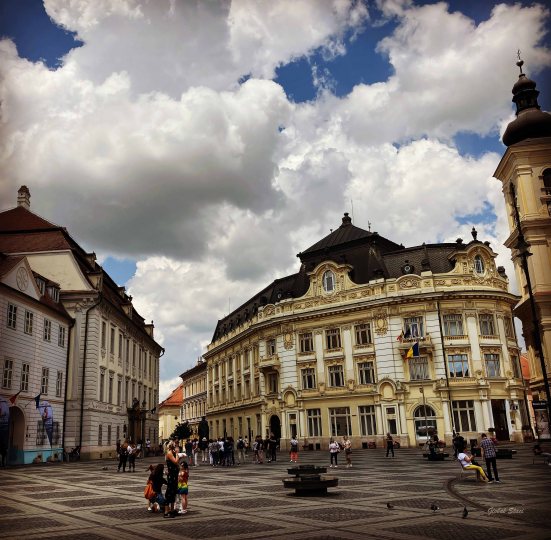
Despite popular belief, Transylvania is not a town or city, but one of several regions, occupying the northern center of Romania. Practically everyone’s heard of it from Bram Stoker’s 1897 novel Dracula in which Jonathan Harker stays at the castle of a Transylvanian nobleman, Count Dracula. Subsequently he discovers the Count a vampire. You already know that. The novel’s setting was inspired by the real Bran Castle in Transylvania.
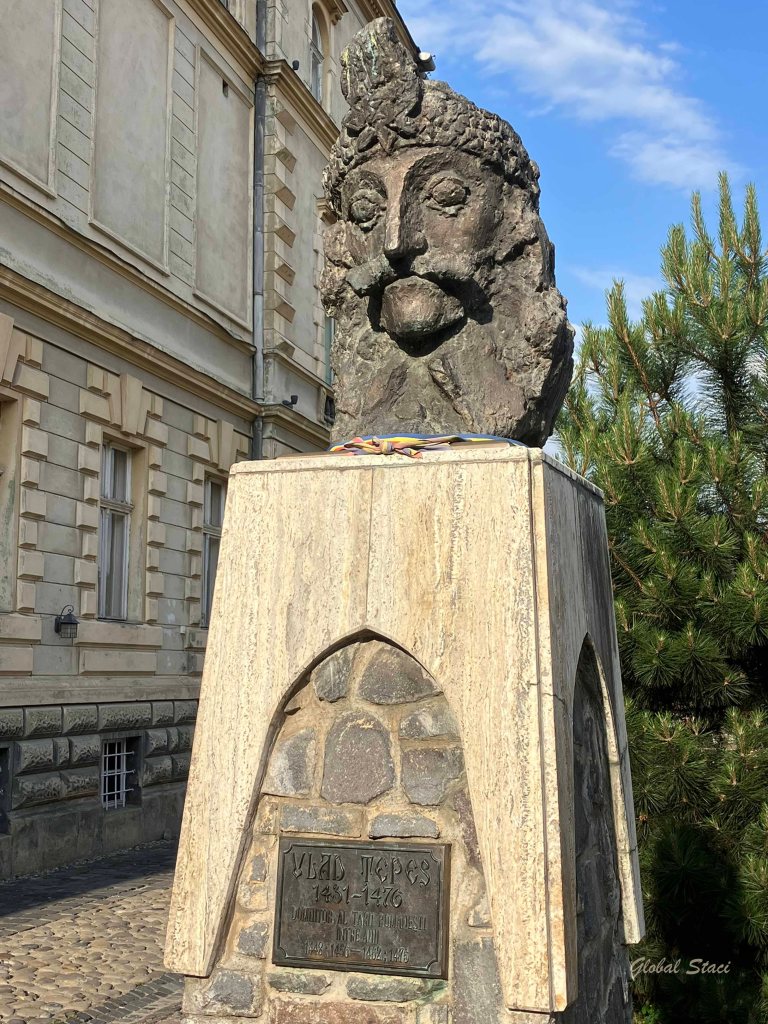
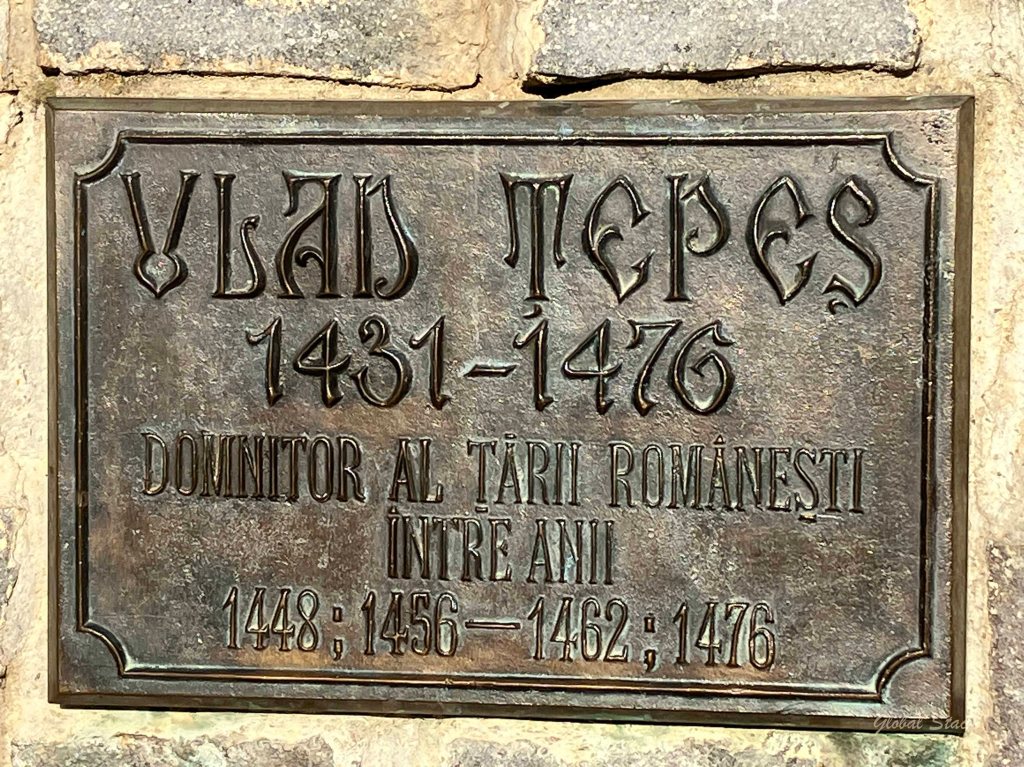
It’s also thought that Stoker’s sanguine-loving character was inspired by the very real Vlad III, aka Vlad Dracula, aka Vlad the Impaler, the 15th century ruler of Wallachia, another of Romania’s regions, known for the brutal means with which he tortured his enemies of the Ottoman Empire. Crazy times.
For these reasons, Bran Castle is now one of Romania’s most popular tourist attractions. But it’s a mere morsel in what is otherwise a very tasty and rich stew of sites to be enjoyed throughout the region. If you are student of history, art, architecture, or you just like to look at cool stuff, wonders await you.
After a week in Cluj-Napoca helping to build houses with the Fuller Center Romania, I spent another week touring the region with a few teammates. Seven of us hired a driver/guide to take care of getting from point A to point B as well as entertaining us with his dazzling historical knowledge.
SIBIU
Sibiu is the actual capital city of Transylvania, founded in 12th-century and considered today one of the most beautiful historical cities not only in Romania but in all of Europe. Sibiu boasts many firsts for Romania—the country’s first hospital, first school, first pharmacy, first museum, and first brewery all opened here.
The cobblestone streets, patterned town squares and historic buildings make it a picturesque treasure. It’s been nicknamed “The City with Eyes” because of the unique Baroque eyebrow dormers found on many of the buildings. We only spent an afternoon here, enough to know that I would love to return.
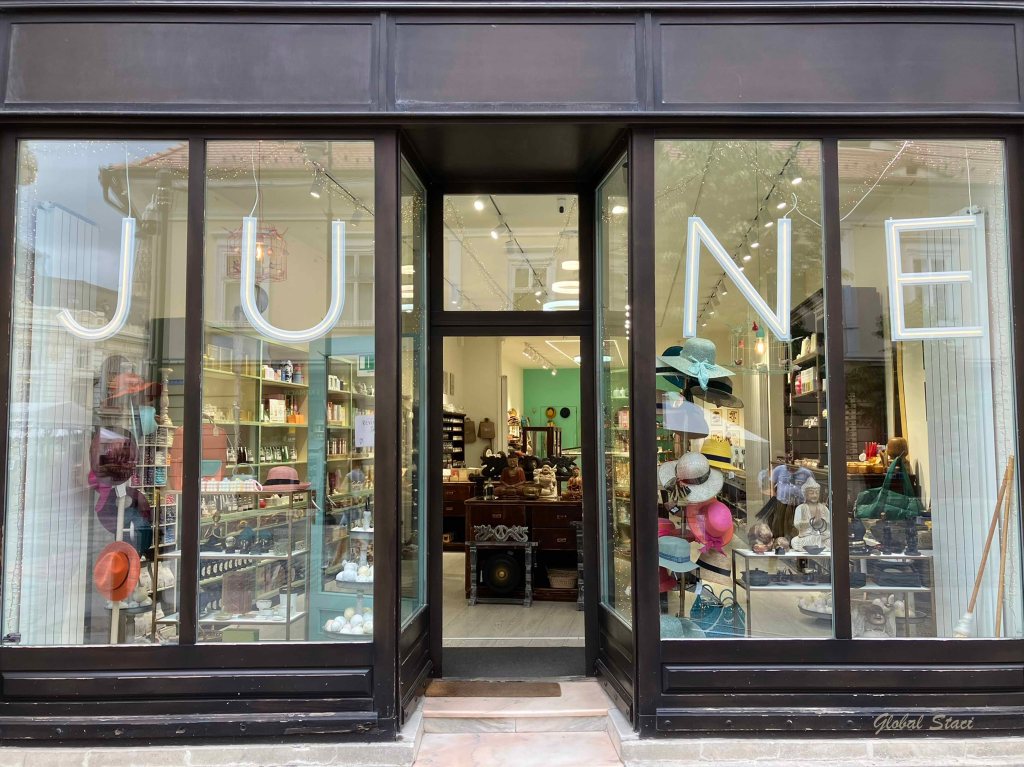
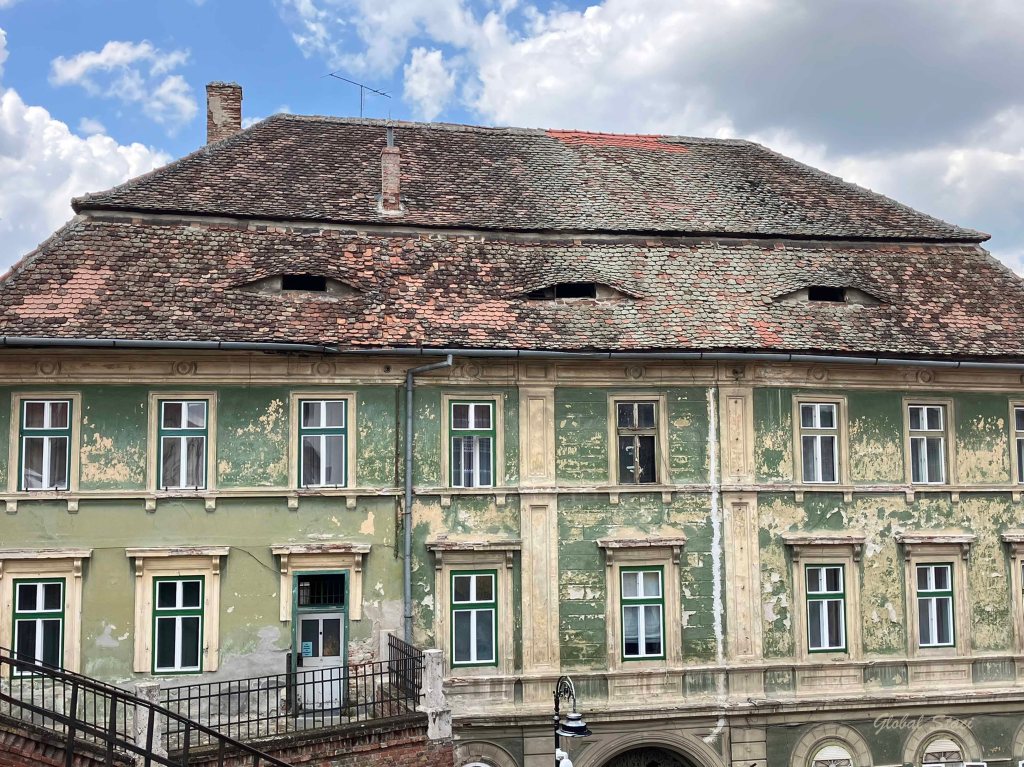
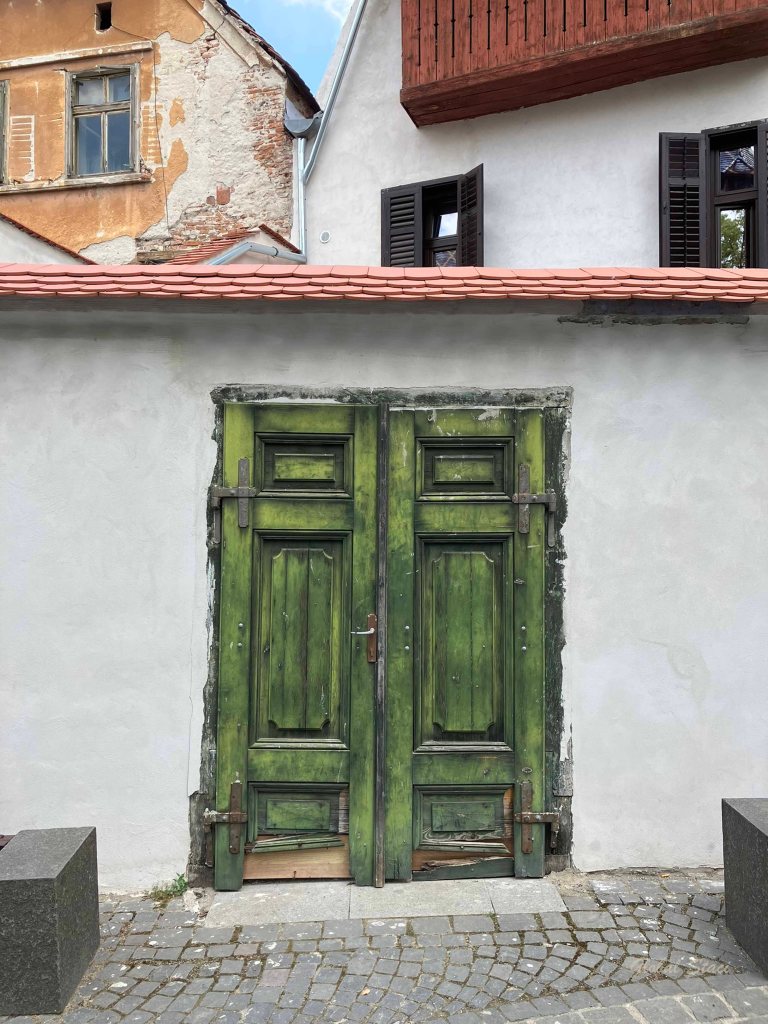
Lined with colorful buildings and shops, we strolled Nicolae Balcescu Street, the main pedestrian throughfare, leading to Piata Huet, the 12-century square home to those Gothic-style buildings, with eyebrow dormers.
Cross the Bridge of Lies, which has many legends as to the origin of the name so pick your favorite, and explore the Old Town, built by German settlers and merchants during the Middle Ages. Turn down a secluded medieval alley, and have lunch among the centuries-old buildings, and historic churches dating back to the 1300s.
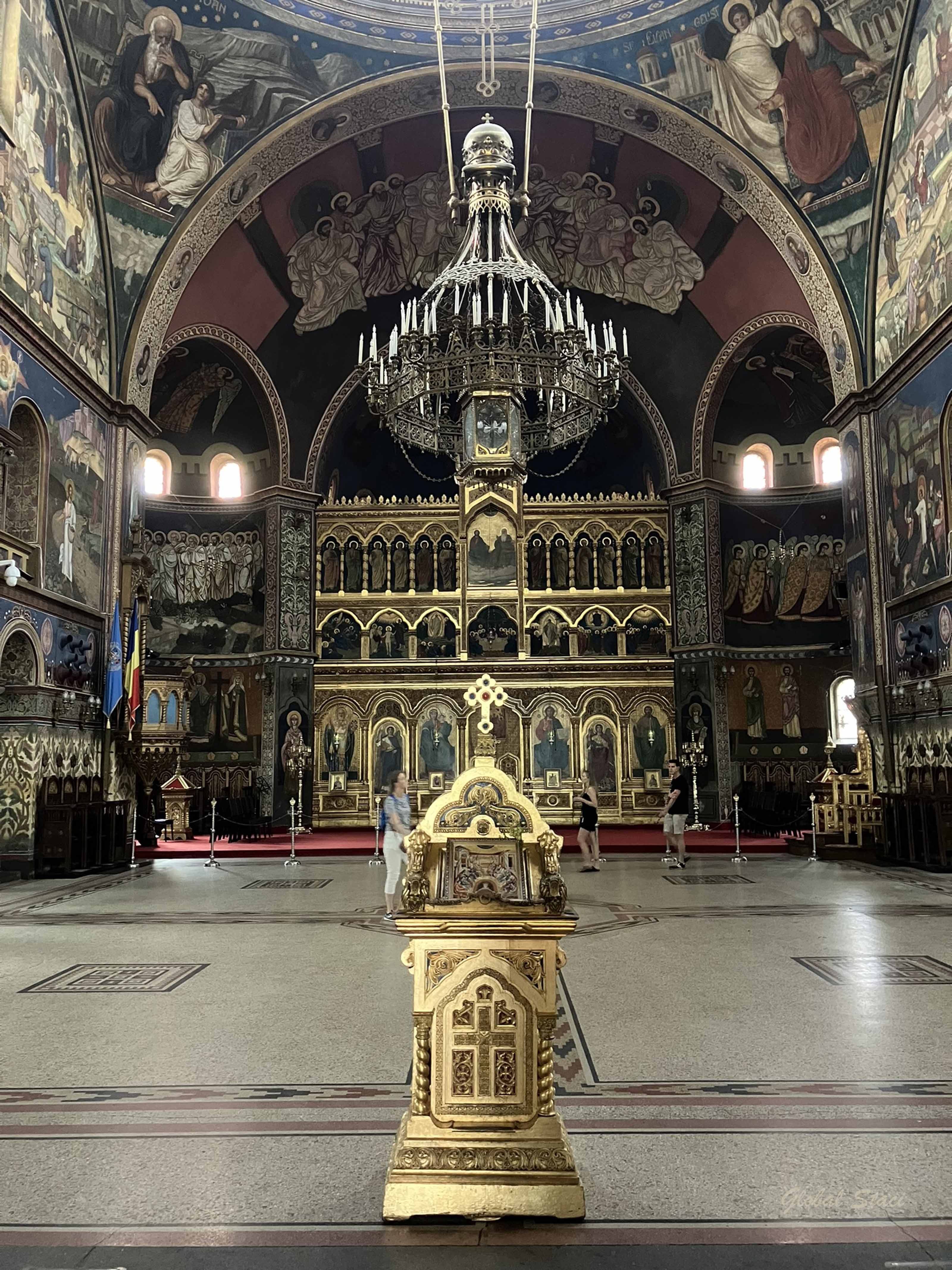
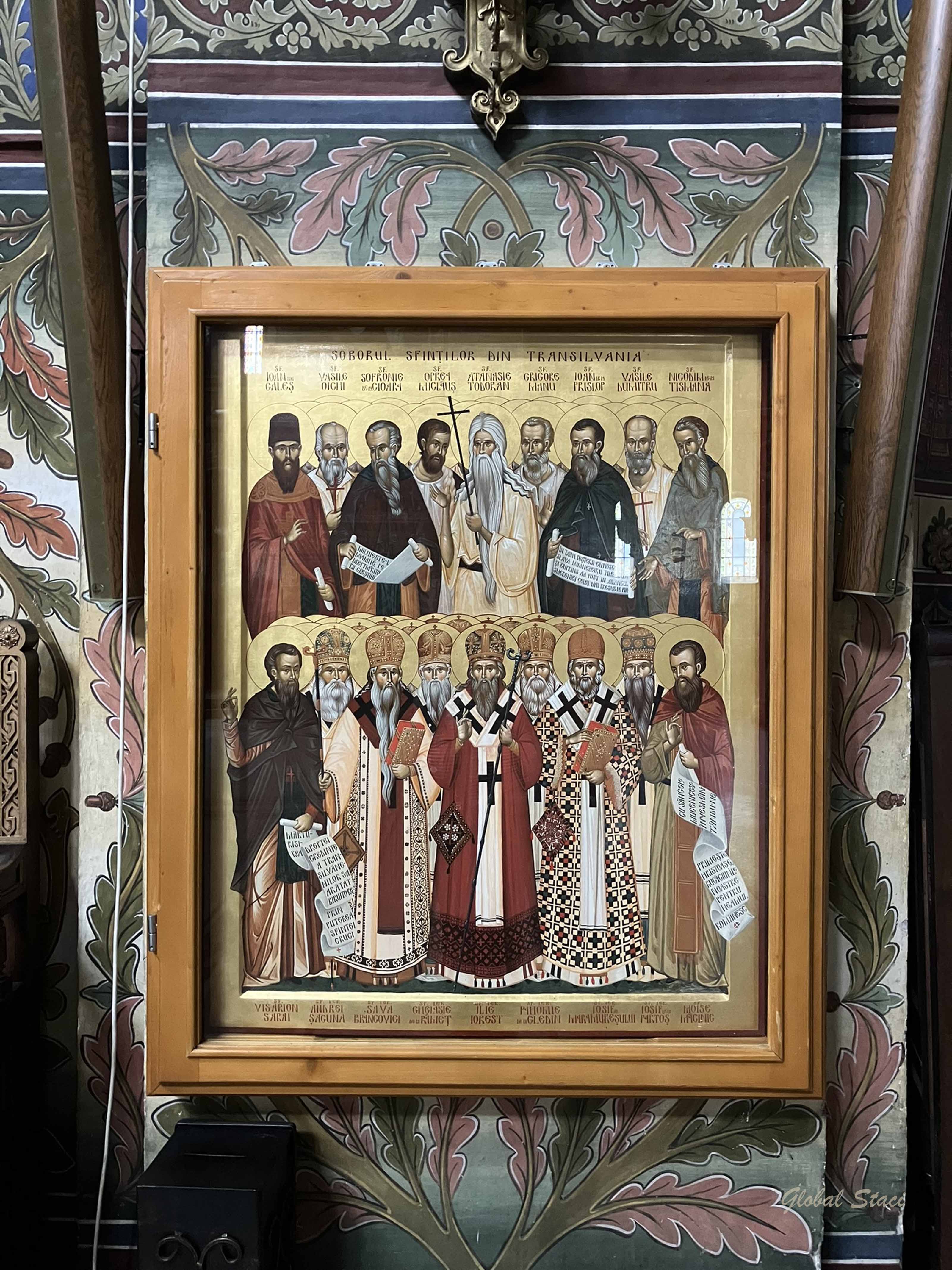
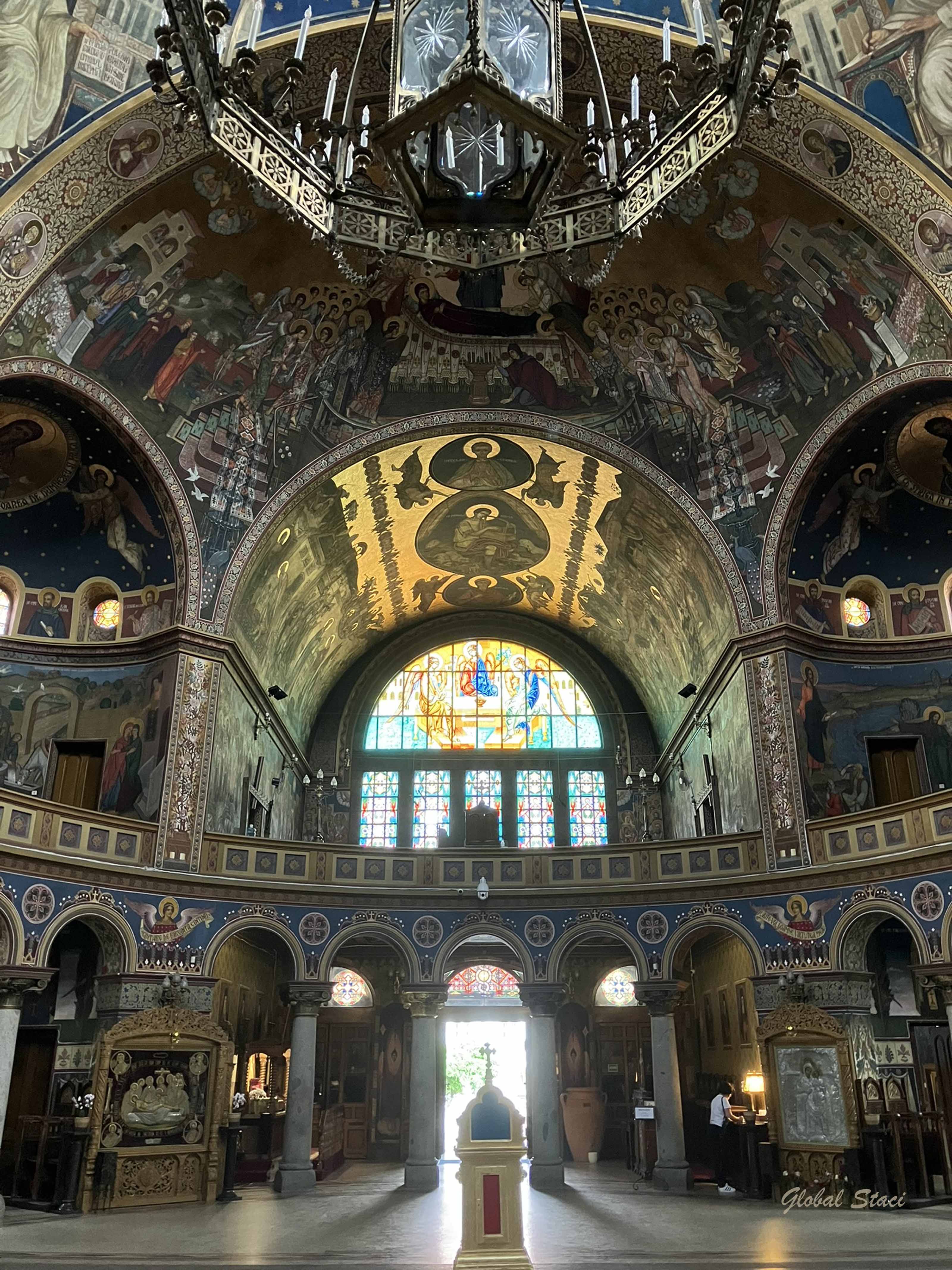
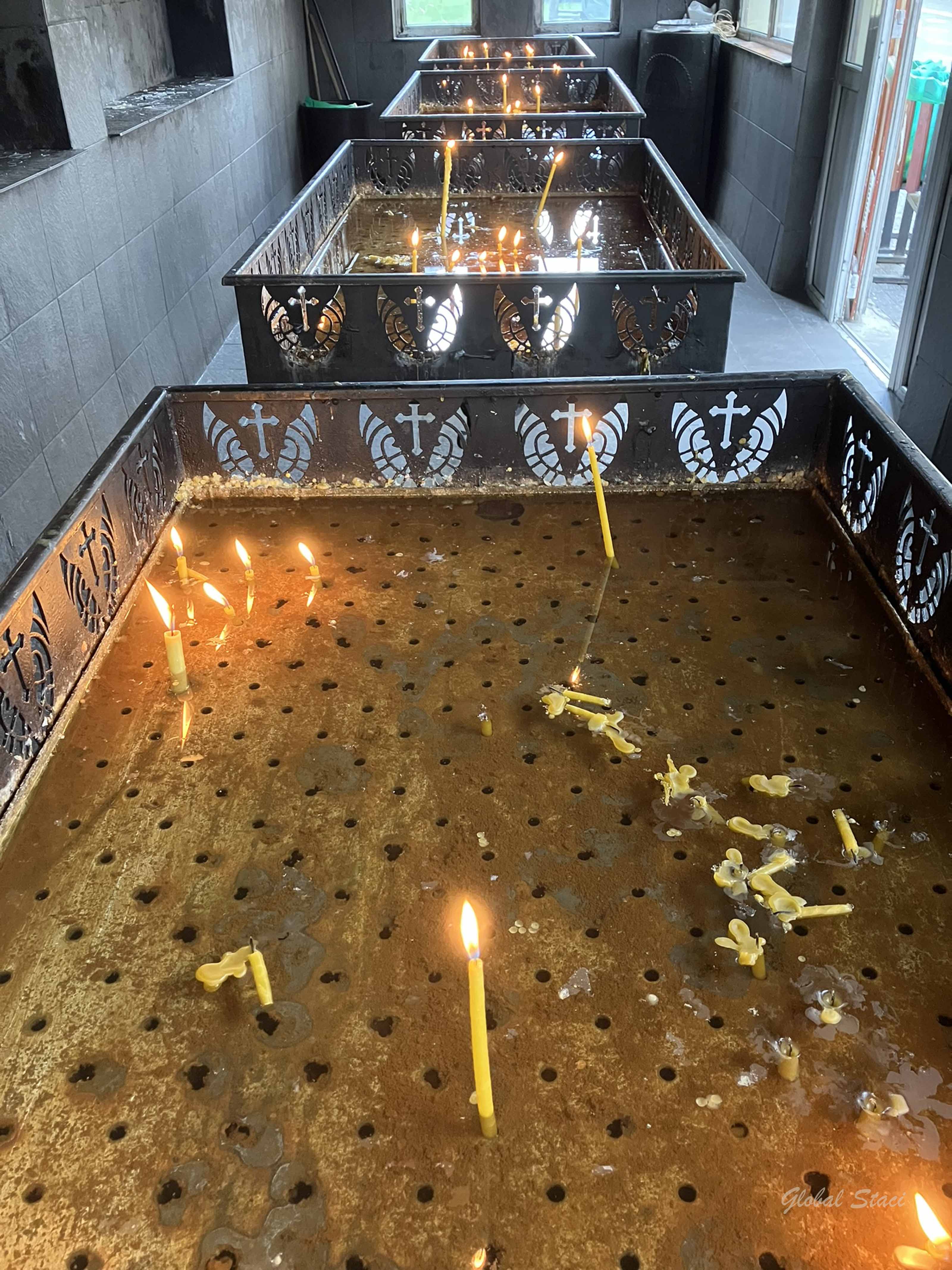
On the way out of town catch a peak at the Holy Trinity Romanian Orthodox Cathedral, built in the style of a Byzantine Basilica, inspired by Hagia Sophia in Istanbul. The interiors of orthodox churches are lavishly decorated with one thing conspicuously absent, pews.
SIGHISOARA
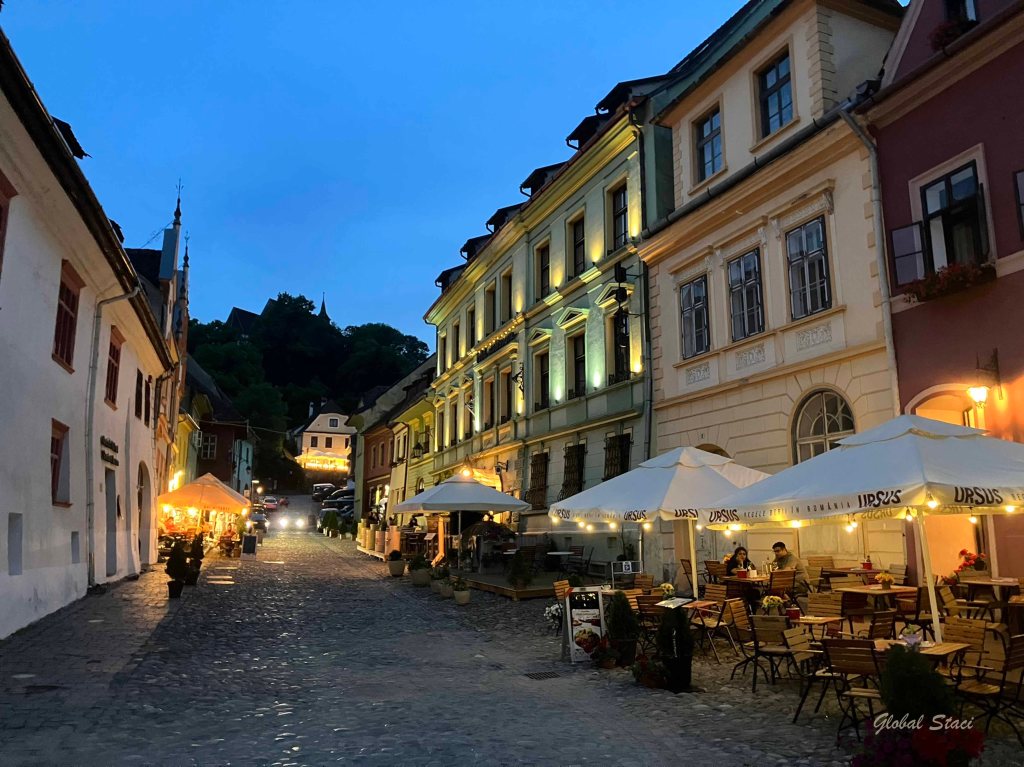
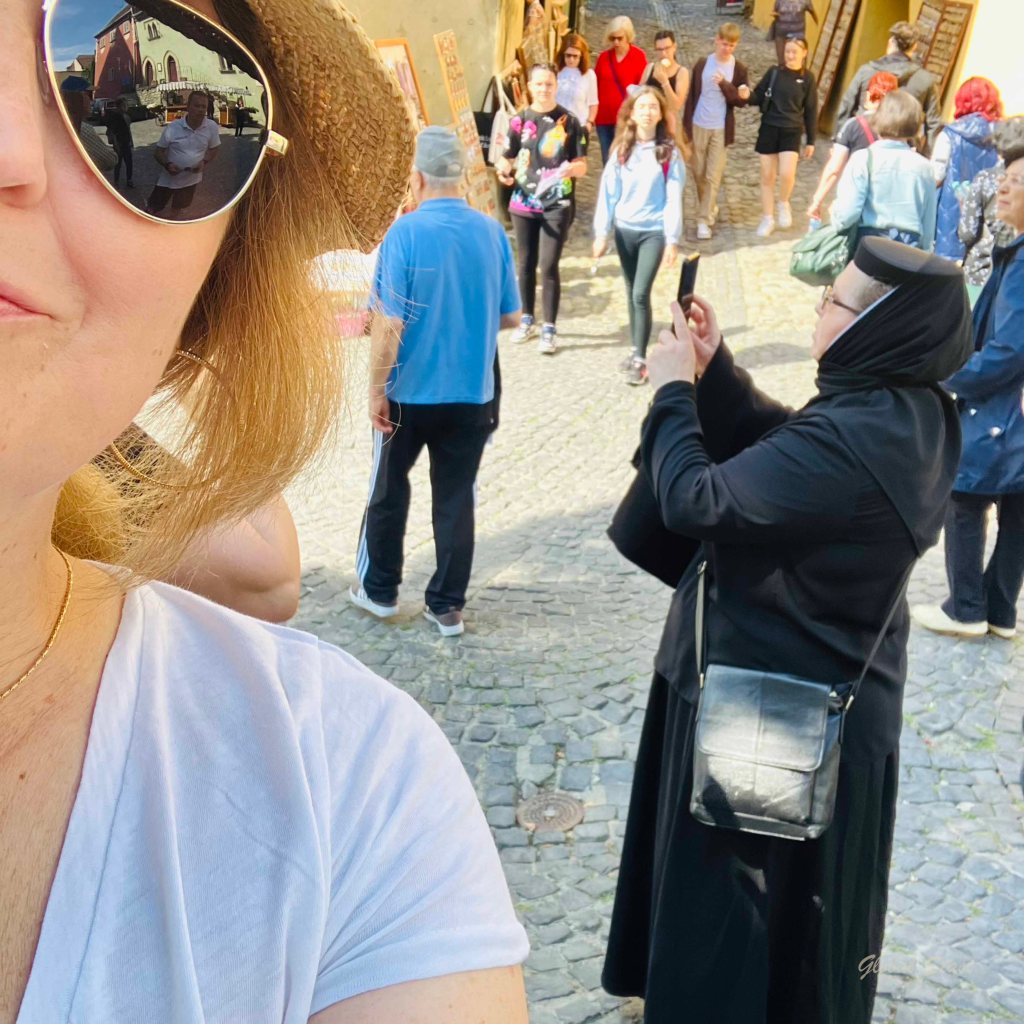
Founded during the 12th-century, the medieval citadel known as Sighisoara (sig-ee-sho-a-ra) is one of the best-preserved medieval towns in Europe and one of eight UNESCO World Heritage Sites in Romania. It is also the birthplace of that pesky Vlad the Impaler. Highlights include the guild towers (part of the city’s historic defenses; nine of 14 remain), the Scholar’s Stairway (a 17th-century staircase originally used by schoolchildren), and the Church on the Hill, constructed in the 13-century and famous for its frescos painted in the 1480s.
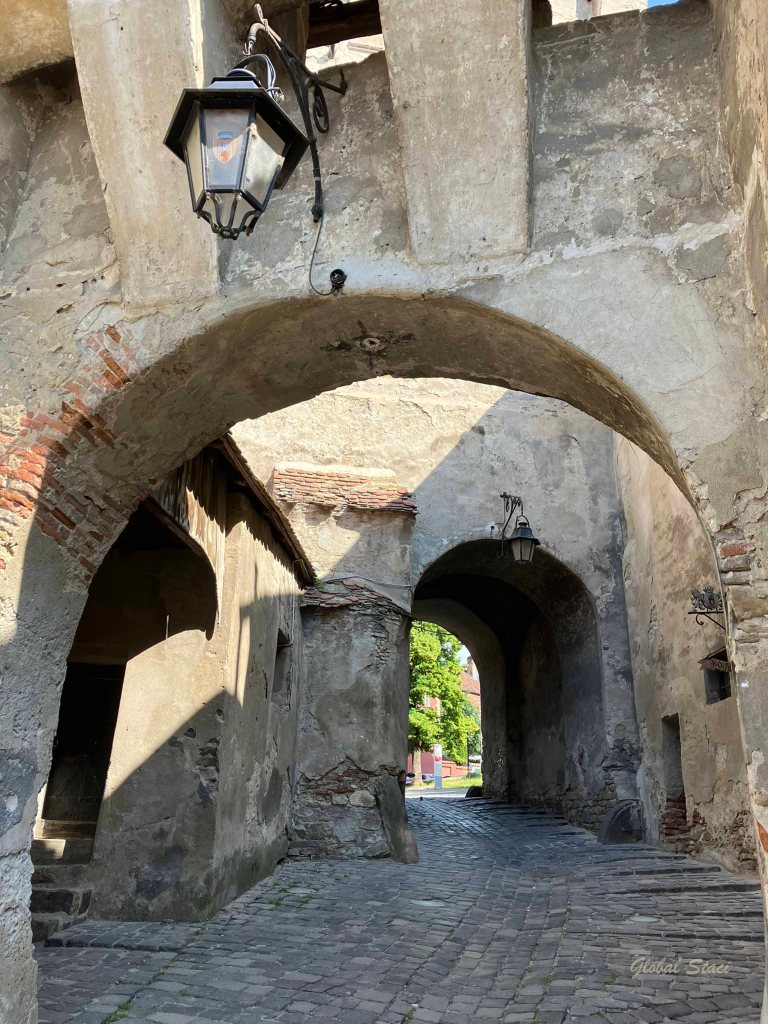
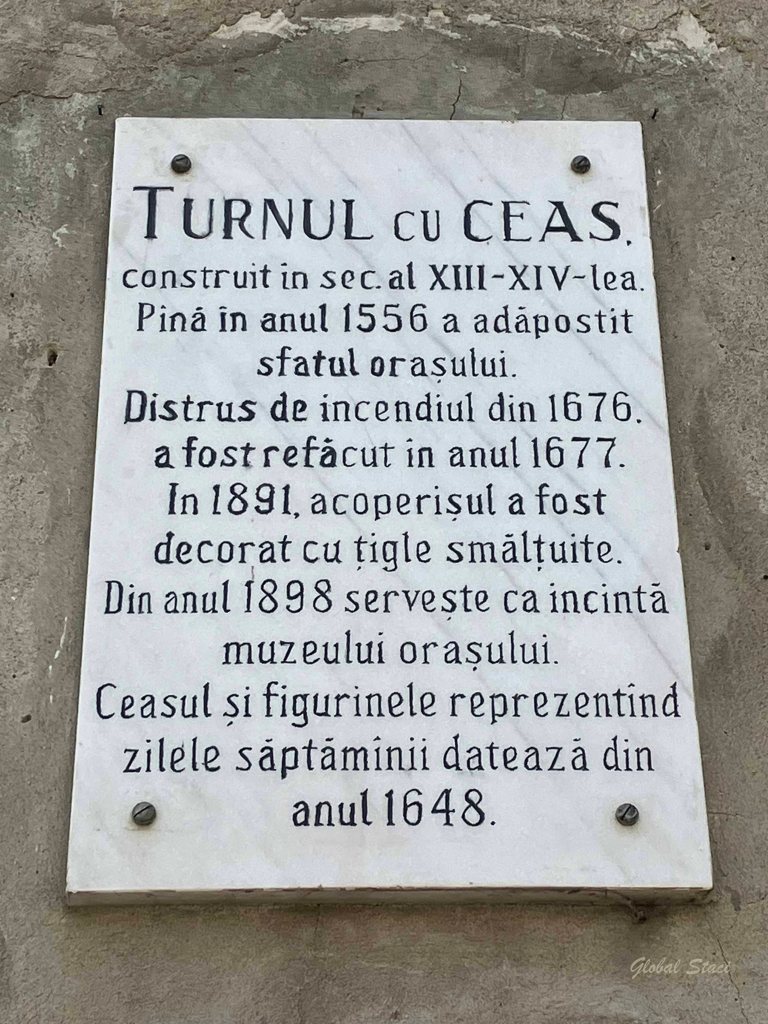
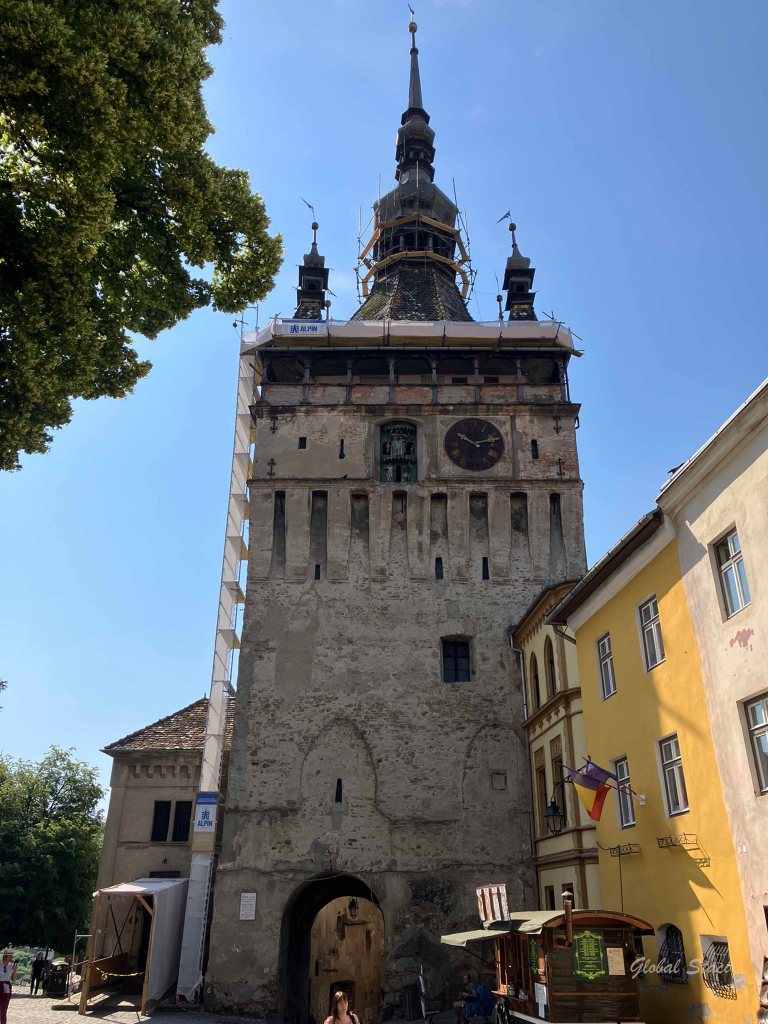
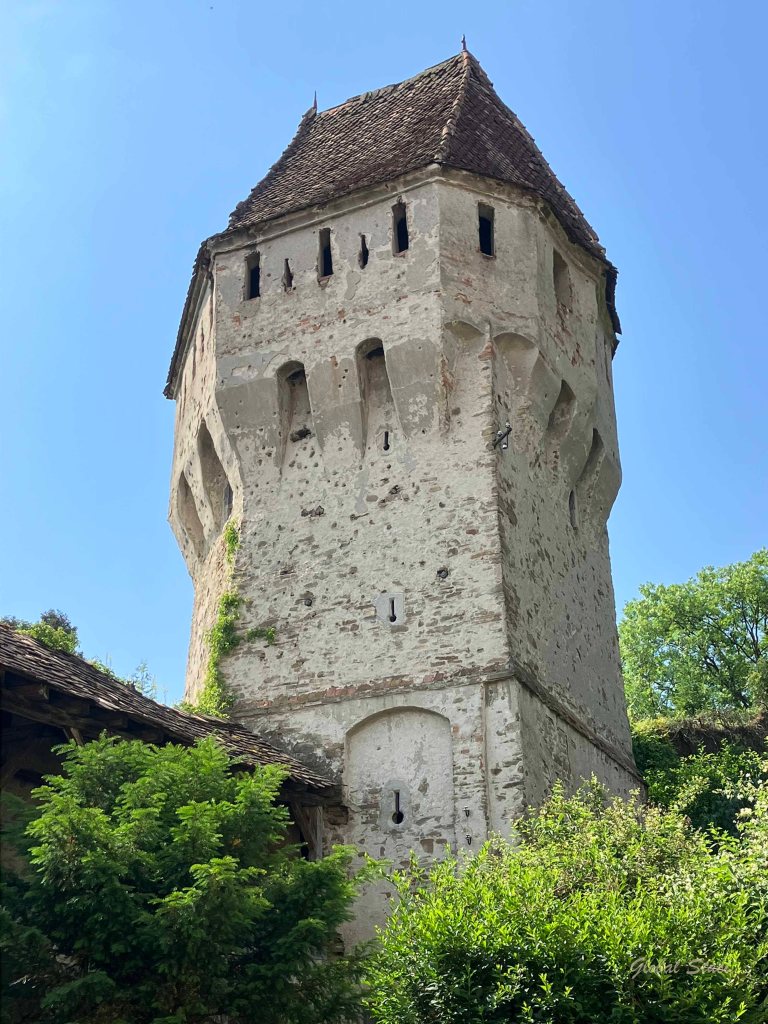
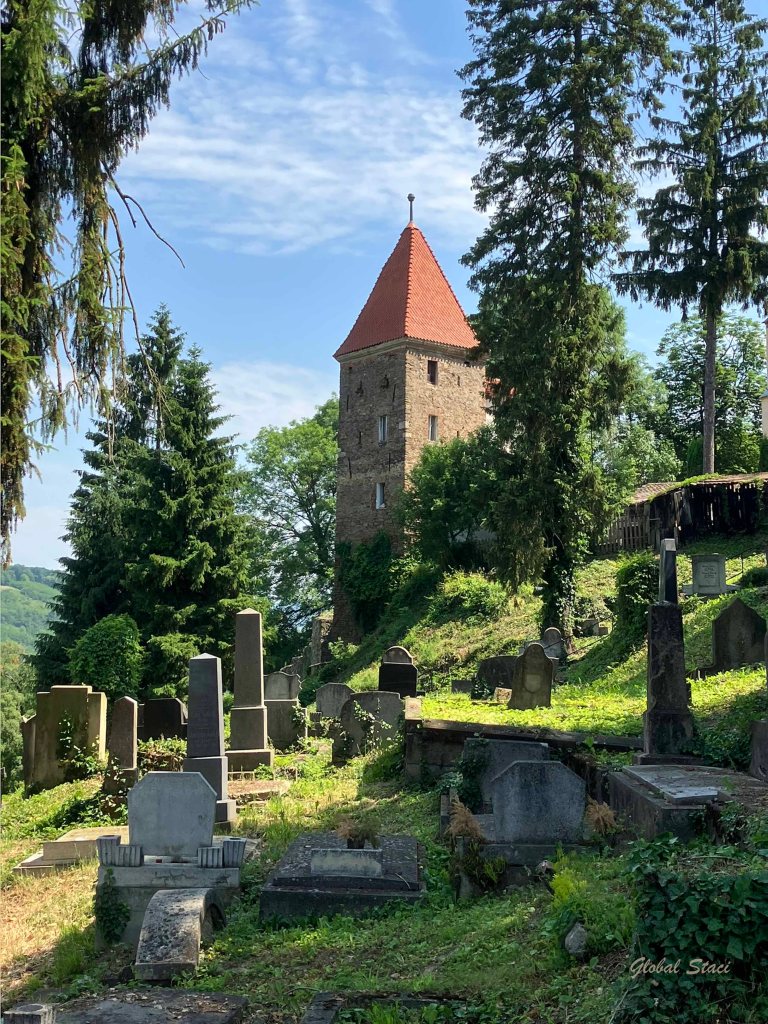
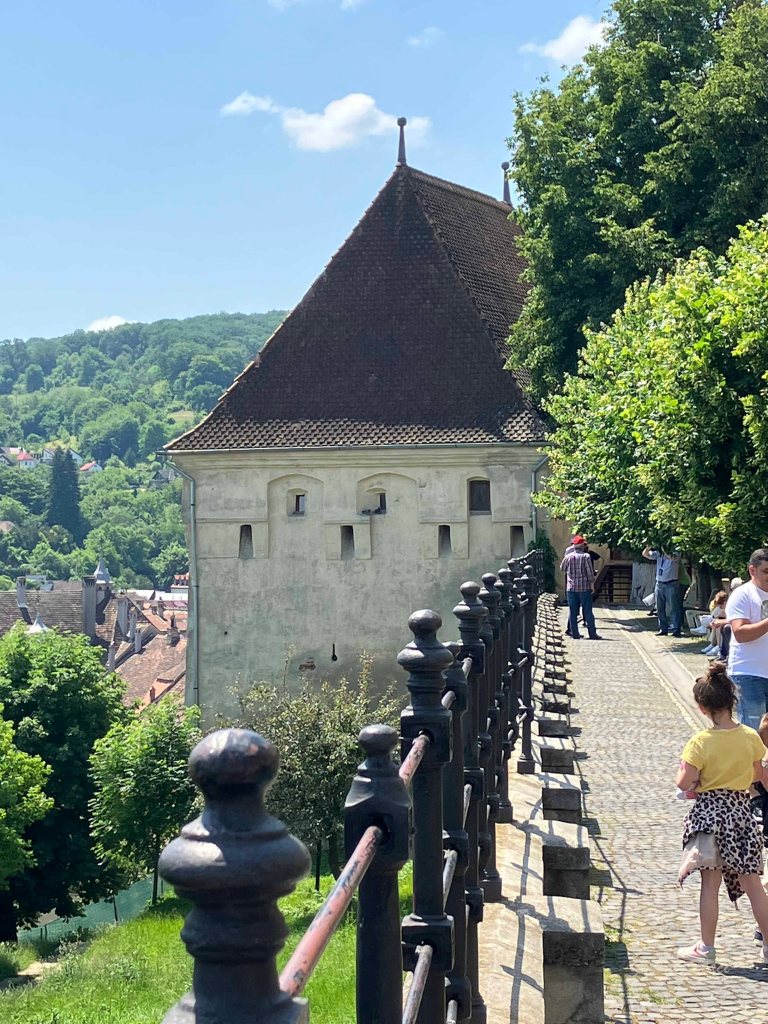
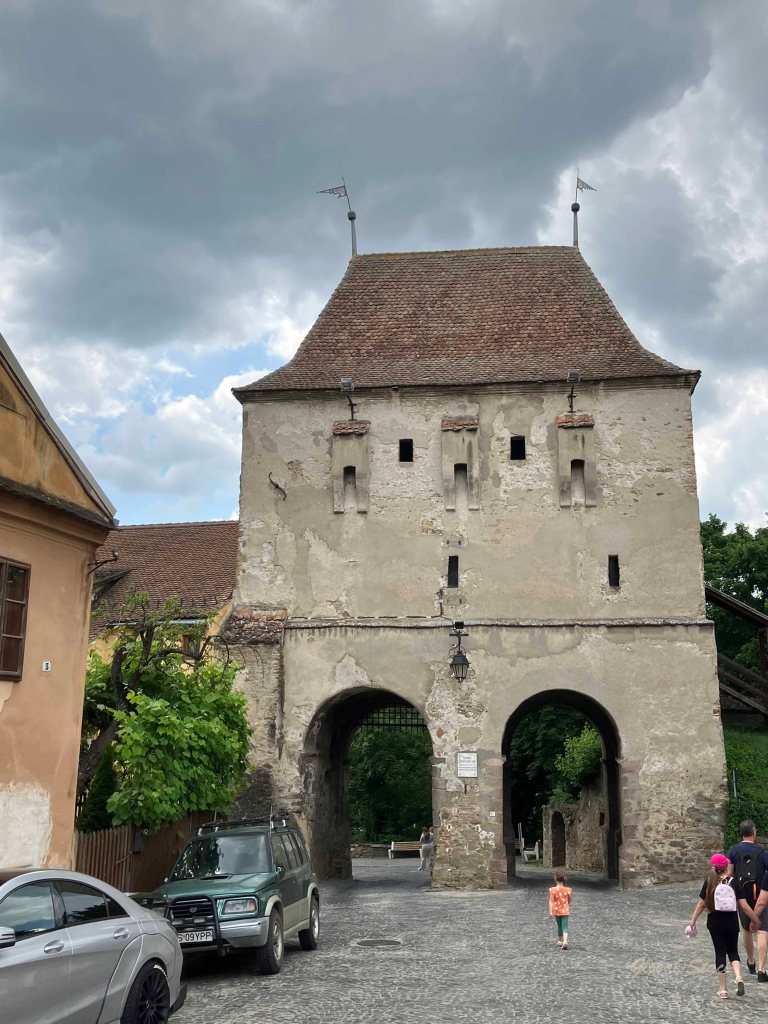
[PRO TIP: Be prepared for a lot of walking and climbing up and down steps and streets. There’s a lot packed into what is essentially a very small, fortified city; you can see most of it in a couple days.]
Shoppping/Eating/Drinking: The Spoon Man Shop (local craftmakers shops) Atelier Coffee Shop, Café Martini and Habermann [Hermann Oberth 42], Gasthaus Alte Post [Hermann Oberth 38], La Piazzetta Sighisoara [Hermann Oberth 7]. If you hear live music, follow the sound and you may be rewarded with an epic performance!
Lodging: We stayed two nights in the heart of Sighisoara at La Teo Pensiune si Pivnita [Scolii 14]. Teo himself is a trip and will treat you to a taste of his famous rakia!
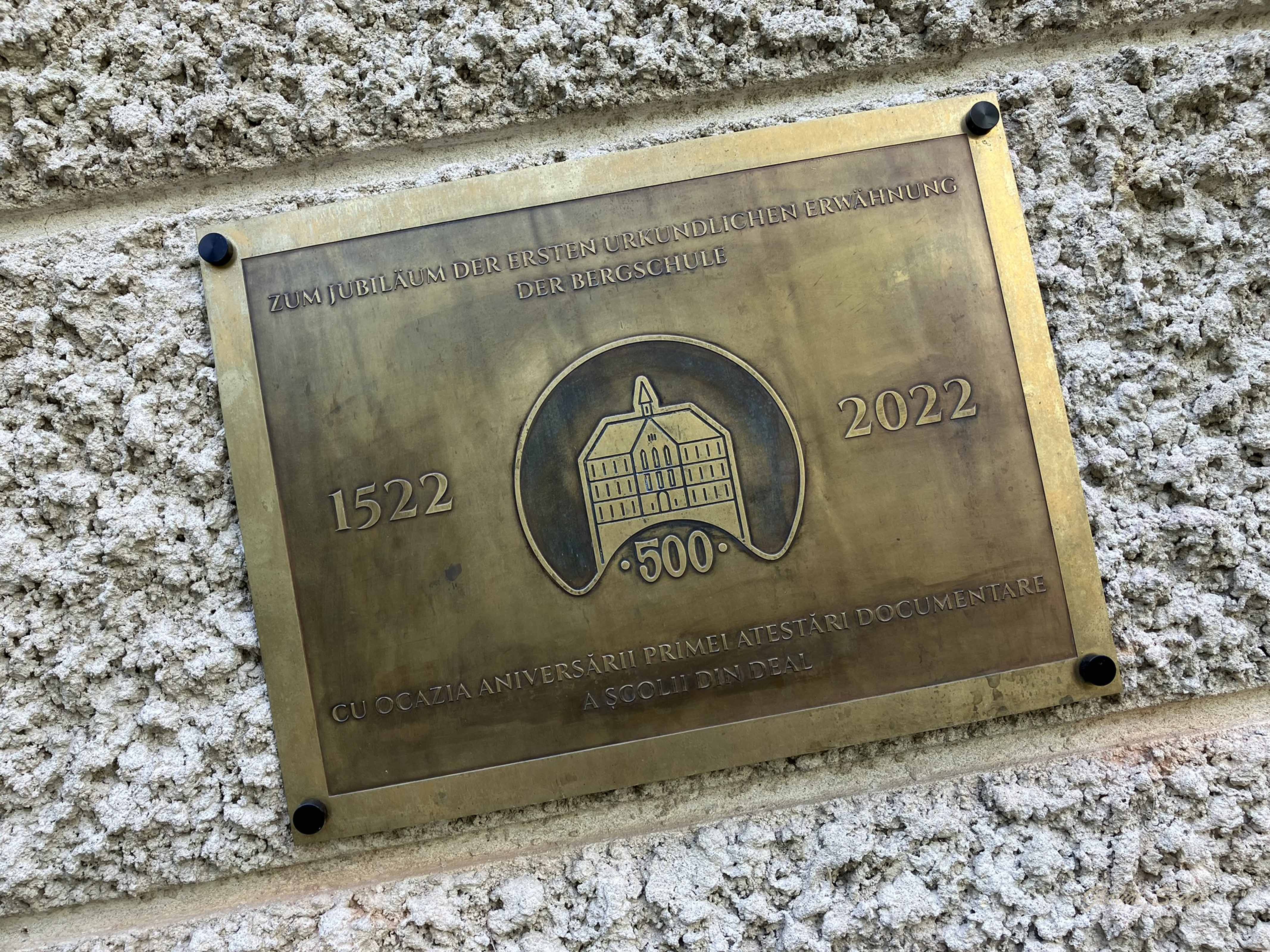
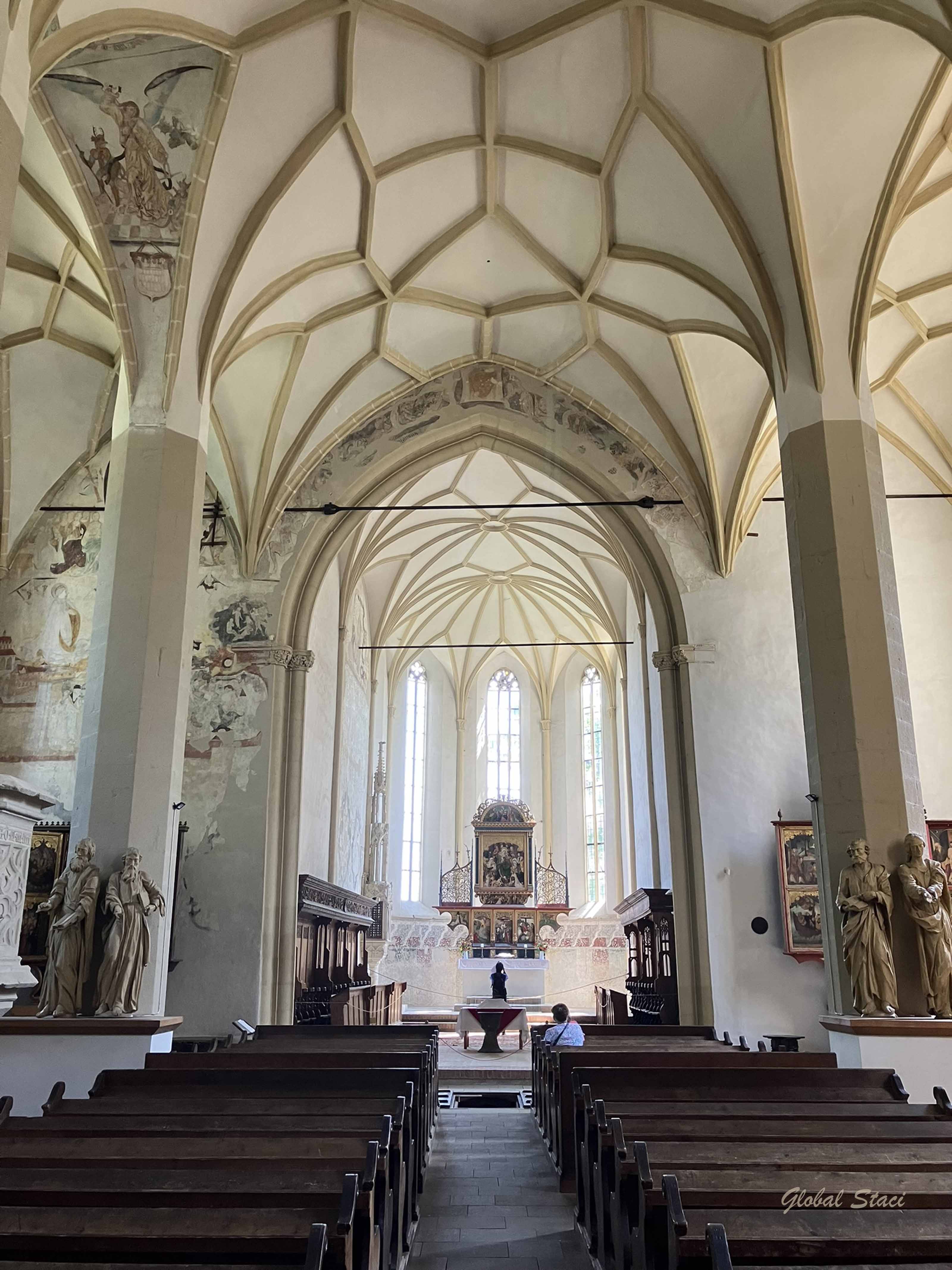
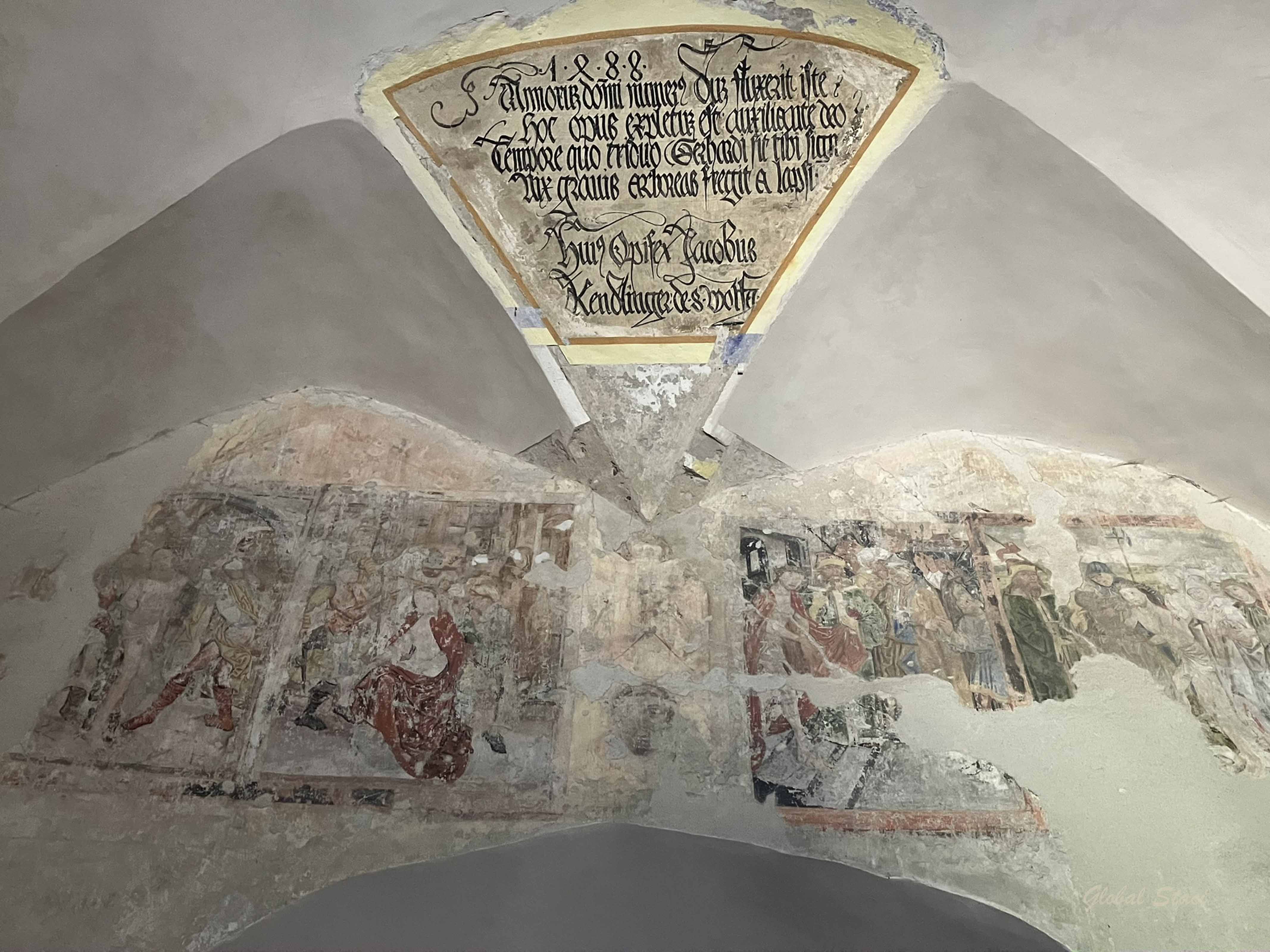
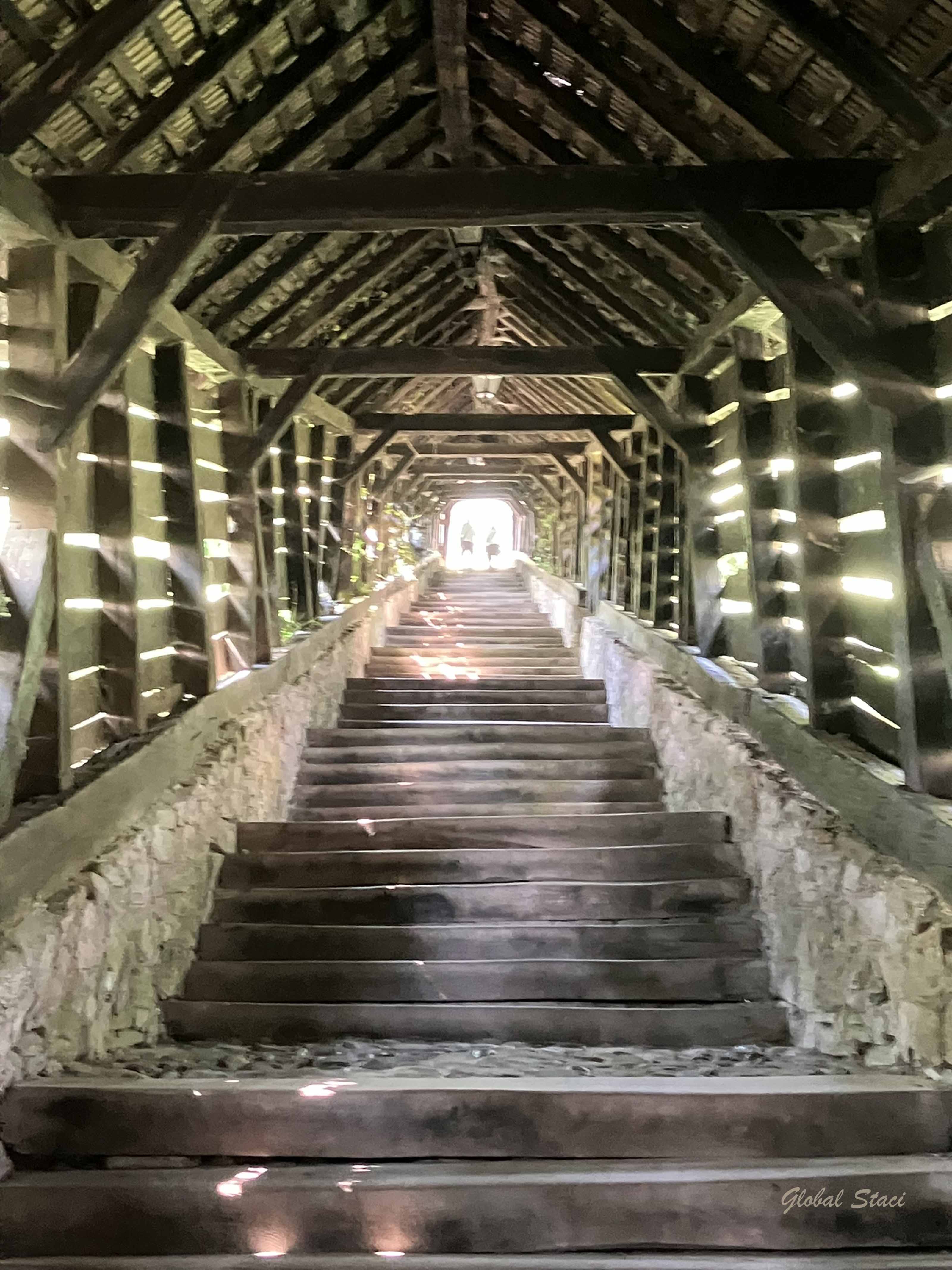
[Church on the Hill and the Scholar’s Stairway]


Pingback: Global Builders, ROMANIA | Jucu de Sus | Global Staci
Pingback: Global Builders ROMANIA | Cluj-Napoca
Pingback: Sibiu, Romania | The City with Eyes