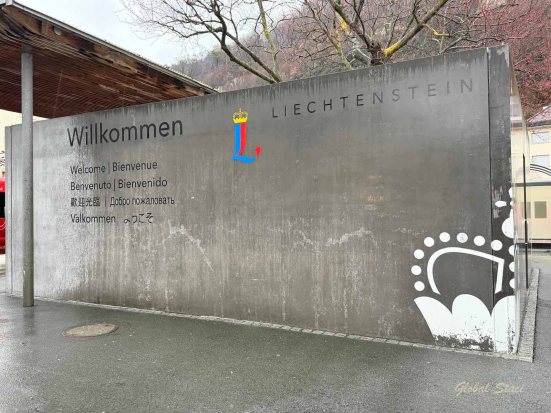
There are five microstates—very small sovereign nations—in Europe. Vatican City among them, is also the smallest country in the world. The other four are Andorra, Monaco, San Marino, and Liechtenstein, which I visited as part of a bus tour out of Zurich. Although I had seen pictures and even a Rick Steeves episode on it, it didn’t feel at all as I expected.
Compared to the rest of Europe, Lichtenstein is a young country. Officially The Principality of Liechtenstein was established in 1719 when Prince Johann Adam Andreas purchased the lordship of Schellenberg and the county of Vaduz (now the capital city). Charles VI, Holy Roman Emperor, decreed that it be promoted to a principality with the name Liechtenstein, making it one of the few countries in the world named for its royal family.
Preferring to stay close to the Royal Court of the Hapsburgs in Vienna, the Prince never even visited his country. The first visit of a sovereign prince to Liechtenstein wasn’t until 1842. Today, the current billionaire prince wields more real political power in his realm than any other European royal.
The bus tour afforded little time to explore the country, or the city for that matter, but I kept being reassured by our guide that Vaduz was a bit of a nothing burger. Considering the country itself is only six miles wide and 12 miles long, I was inclined to believe him.
[PRO TIP: We decided to take a bus tour from our home base in Zurich because (a) we didn’t want to rent a car and risk driving in February, and (b) we thought the country would be worth seeing more in warmer weather. Bus tours are relatively cheap, comfortable and allow you to relax and leave the driving to a pro. Additionally, the Sihlquai bus terminal, where tours typically depart Zurich, was only a 15-minute walk from our apartment. On the way, the tour stopped at Rapperswil, a delightful little Medieval town on Lake Zurich.]
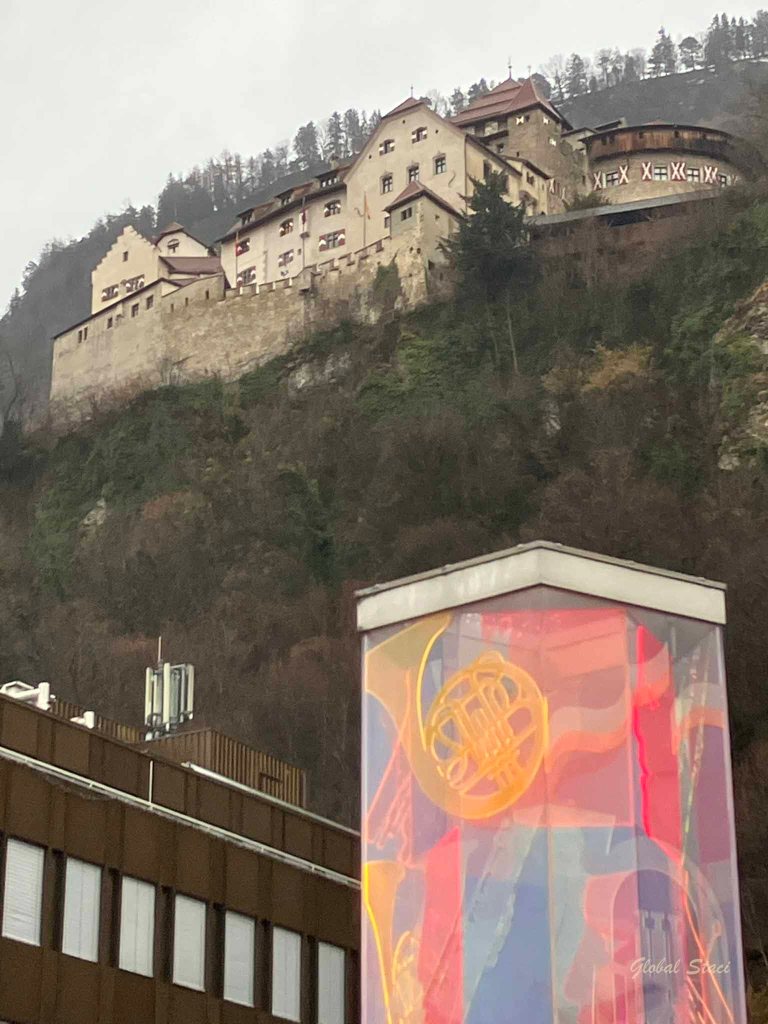
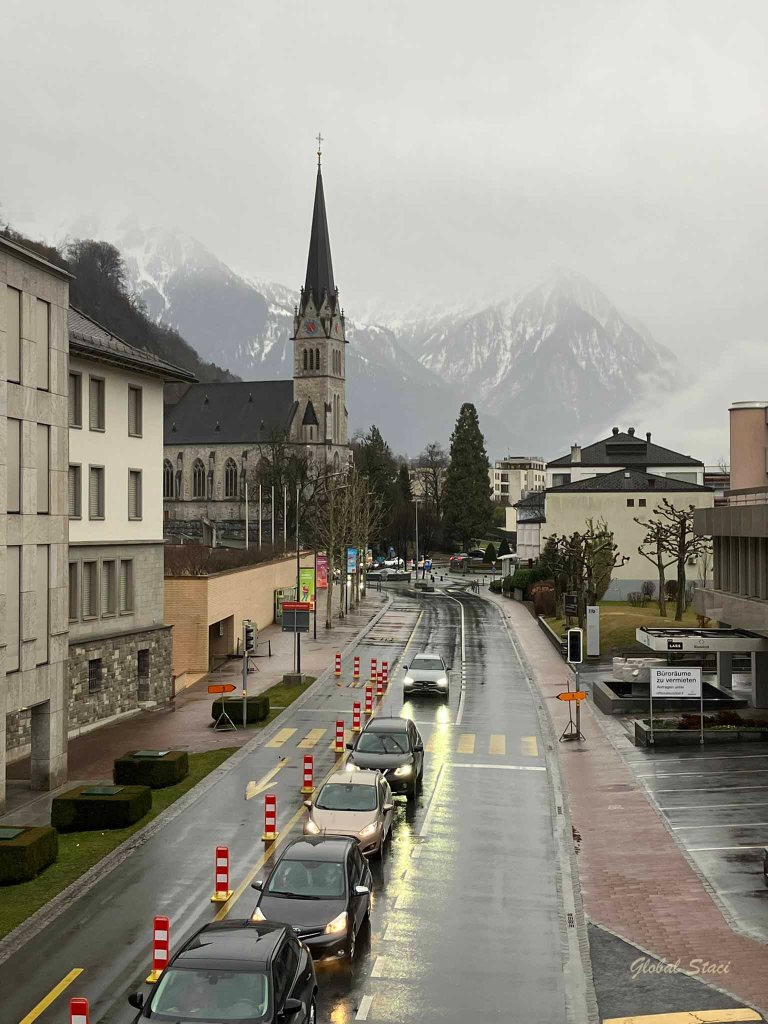
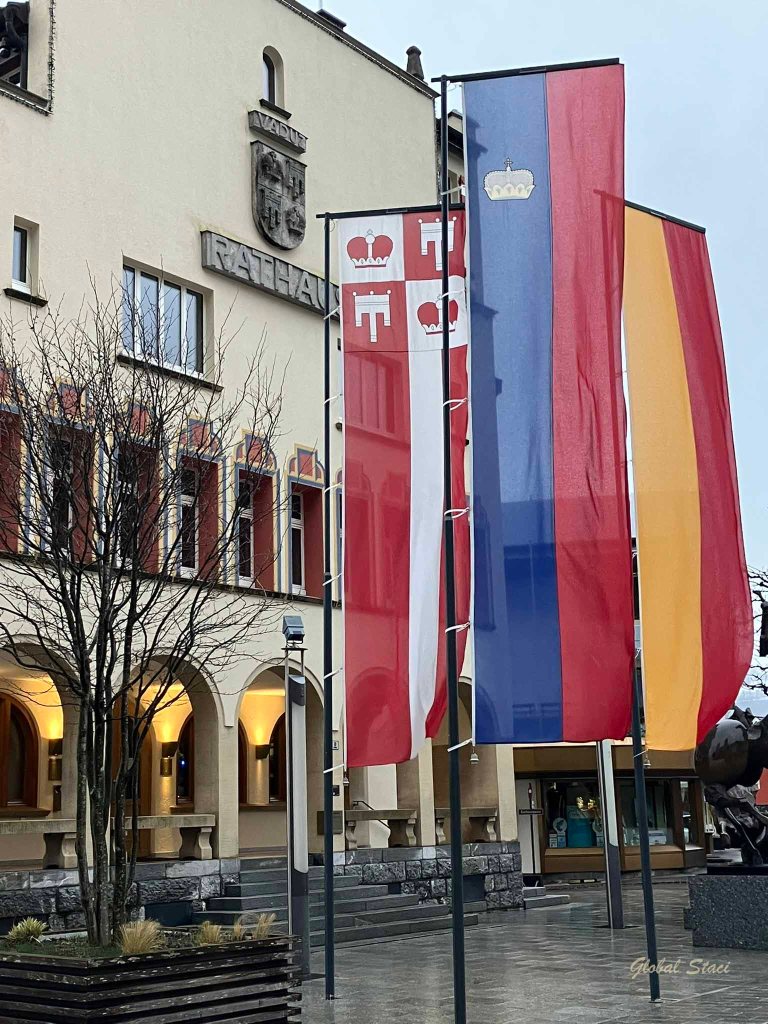
Nestled between Switzerland and Austria, Liechtenstein is bordered by the mighty Alps to the east, the baby Rhine River to the west, and a stout fortress protecting the mouth of its valley to the south. It is truly land-locked, without or even an airport. The country is made up of 11 villages and Liechtensteiners, about 35,000 of them, speak German, and are mostly Catholic. By the time we arrived on a Saturday afternoon, museums, shops and restaurants were getting ready to shut around 5pm in anticipation of the Sunday sabbath in this very Catholic country.
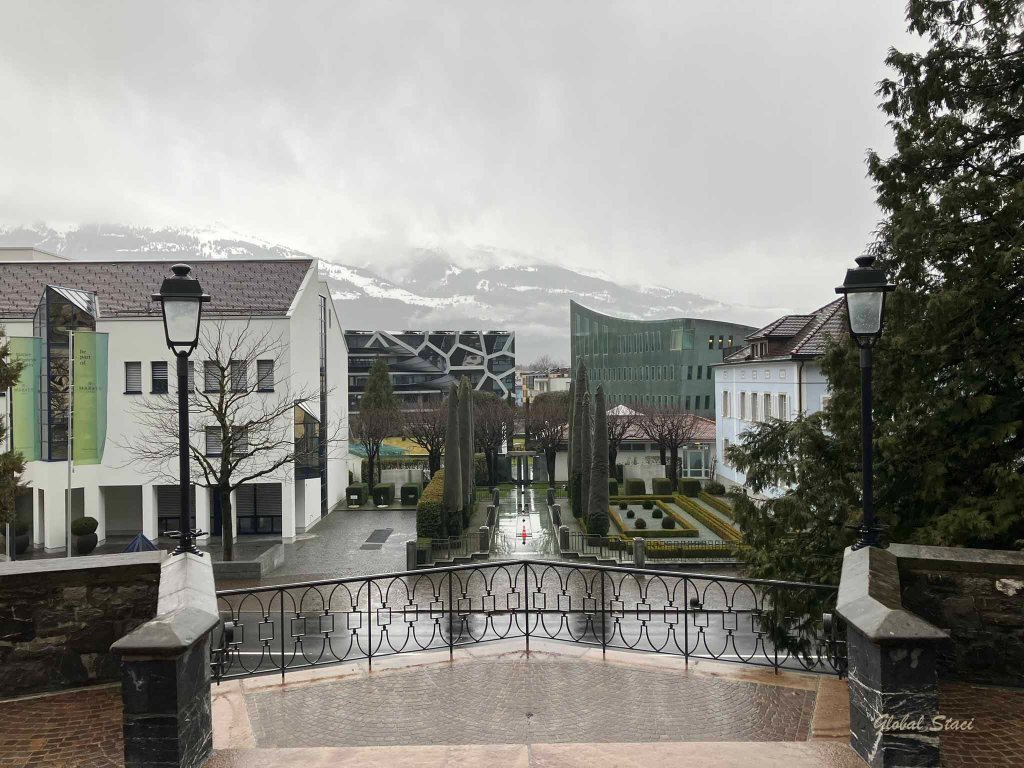
Vaduz sits on the valley floor. Look up from almost anywhere in town and you’ll see the castle perched above. It’s nice that the main thoroughfare, Städtle, is pedestrianized, but there’s not much to see. Oddly, the country is well-known for its stamps. Often the designs feature local artists and significant historical figures. Although the country has issued its own stamps only since 1912, their incredible designs and sophisticated printing make them popular among collectors.
I made a beeline to the iconic post office and the crown jewels exhibit. You can take in the entirety of the collection on display in about 15 minutes.
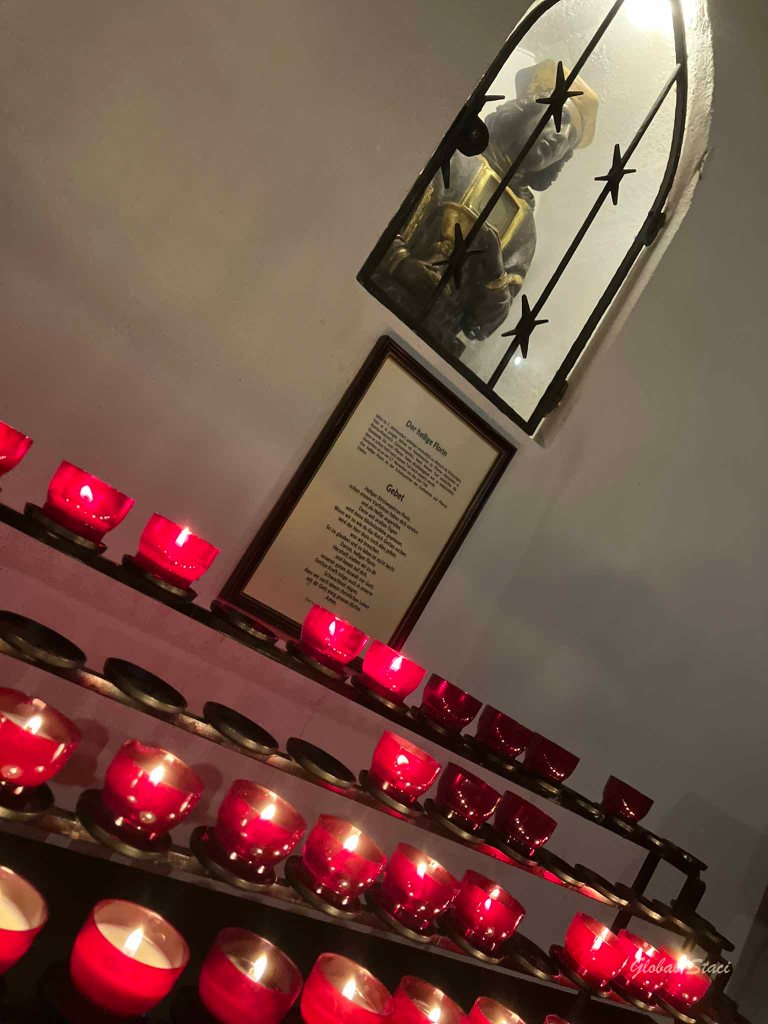
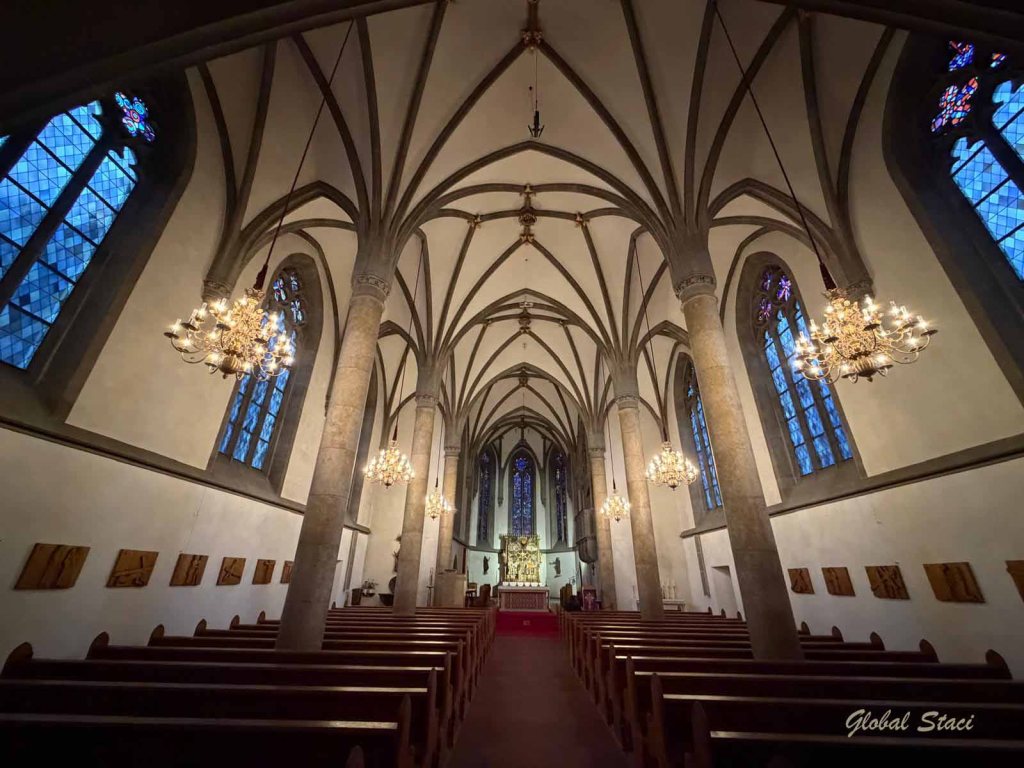
Finally, we had just enough time on a rainy afternoon to check out the Vaduz Cathedral, also known as the Cathedral of St. Florin, center of the Roman Catholic Archdiocese of Vaduz. Known for its Gothic Revival architectural beauty, intricate stonework, pointed arches, the atmosphere inside is serene and uplifting. It still plays an important role in national and royal family ceremonies.


Pingback: Making Zurich your homebase in February