Having just spent five weeks in Southeast Asia, I traded in the bikini and flip flops for beanies and boots. Zurich was my last stop on my way home after a Fuller Center Global Builders trip in Lampang, Thailand and extended travel in the area.
It may seem odd, spending a week in Zurich in February, but I’d never been to Switzerland, and it was “on the way,” so I thought, “Why not?” Even the weather didn’t deter me. I mean, February? It could be a blizzard. Or it could be in the 50s, which it was most days with very little rain. Lucky me.
[PRO TIP: I learned this using my latest travel planning obsession, flightsfrom.com, a website that shows you every direct non-stop flight from every airport in the world, every day of the week! For example, I was in Bangkok, learned I could fly direct to the Maldives in under 4 hours, and then direct from Male to Zurich. It beats spending long hours traveling in one shot.]
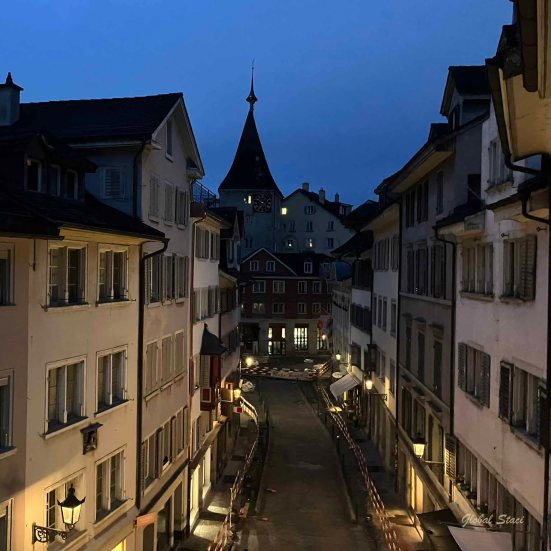
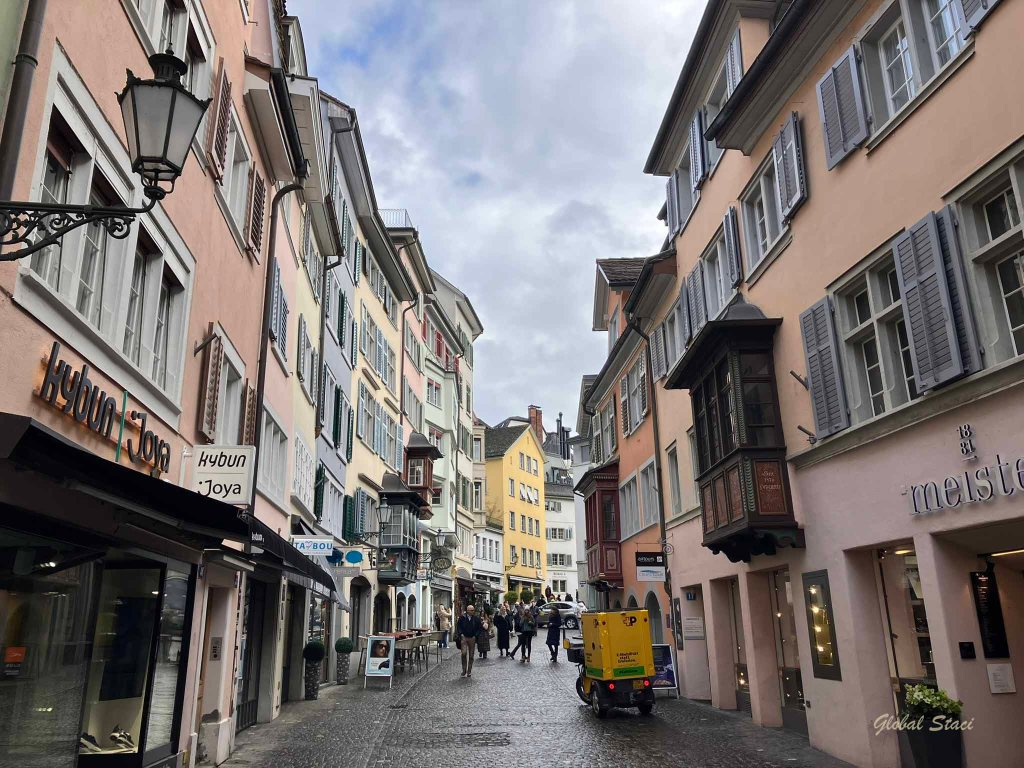
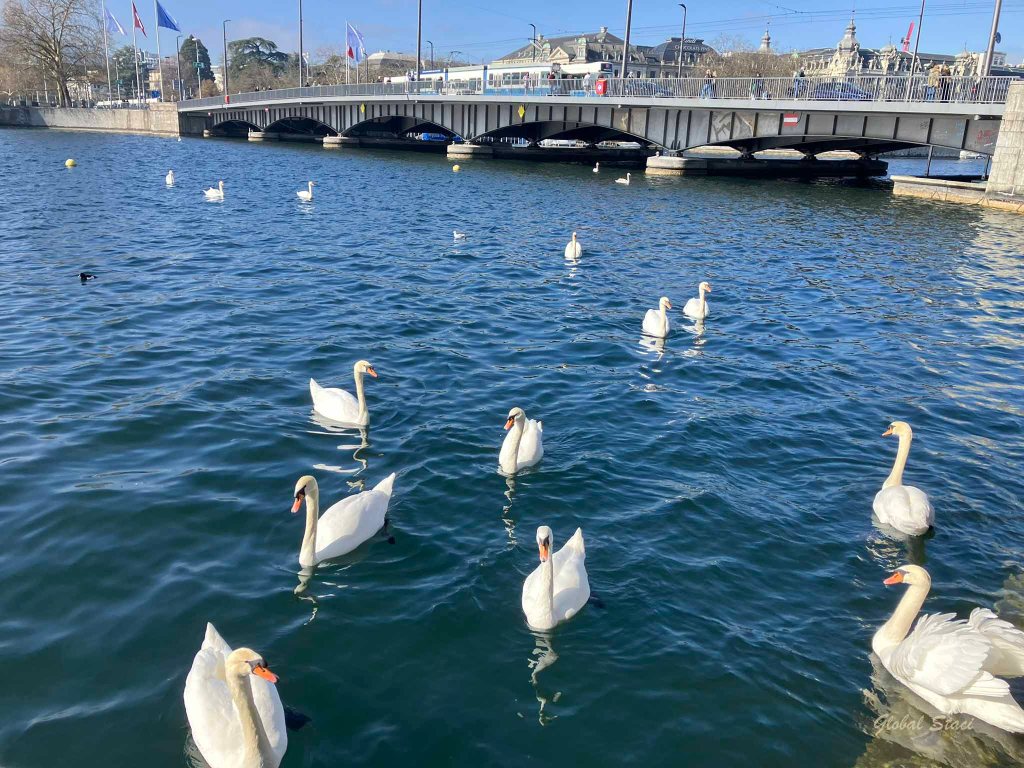
My friend and I opted to rent an apartment to take advantage of the kitchen since we’d be there a week. What we came to quickly appreciate is the neighborhood, Niederdorf. It’s truly THE best place to stay in the Zurich in my opinion. Considered part of Zurich’s old town, it is a pedestrian zone with quaint shops and restaurants navigable through alleys and cobblestoned streets and squares. It’s just a few minutes’ walk from the Limmat Riverfront, museums, the train and bus stations as well as University Quarter.
[PRO TIP: We arrived in the evening by air and there is a large Migros supermarket in the Airport Center (Airport Shopping Mall) just outside Zurich Airport’s terminal, a short walk from the arrivals hall. This was the perfect place for us to pick up supplies before heading to our Airbnb in the city. Buy your groceries, jump into an Uber, arrive at your place and voilà, you’re all set!]
Getting to Know Switzerland
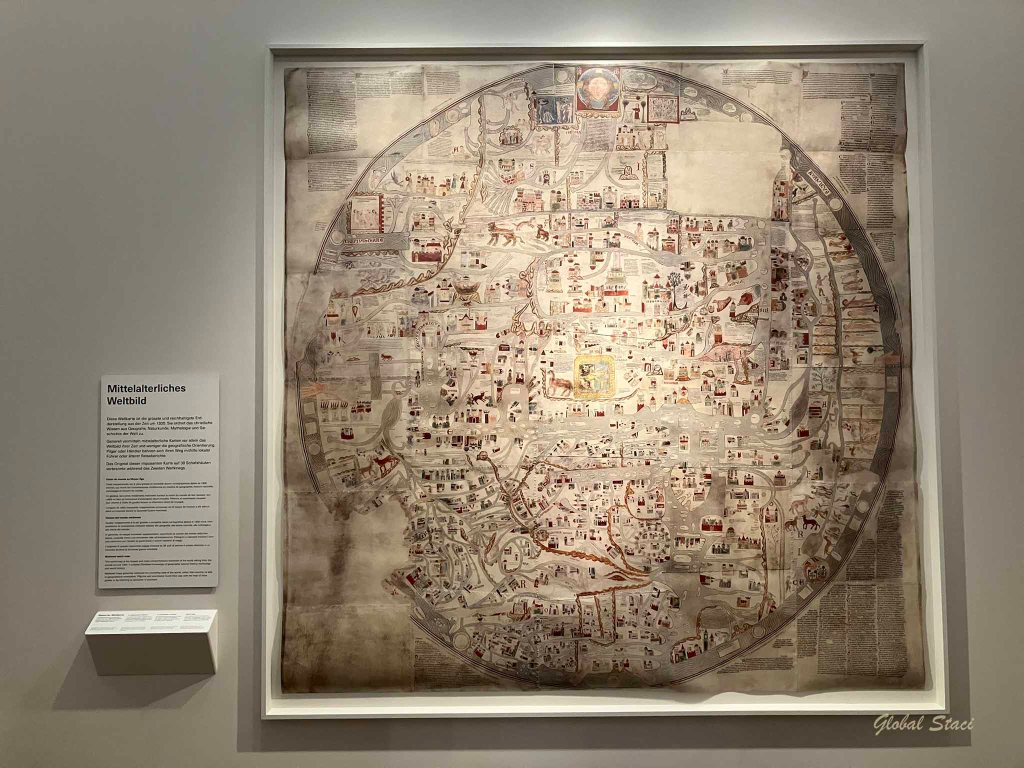
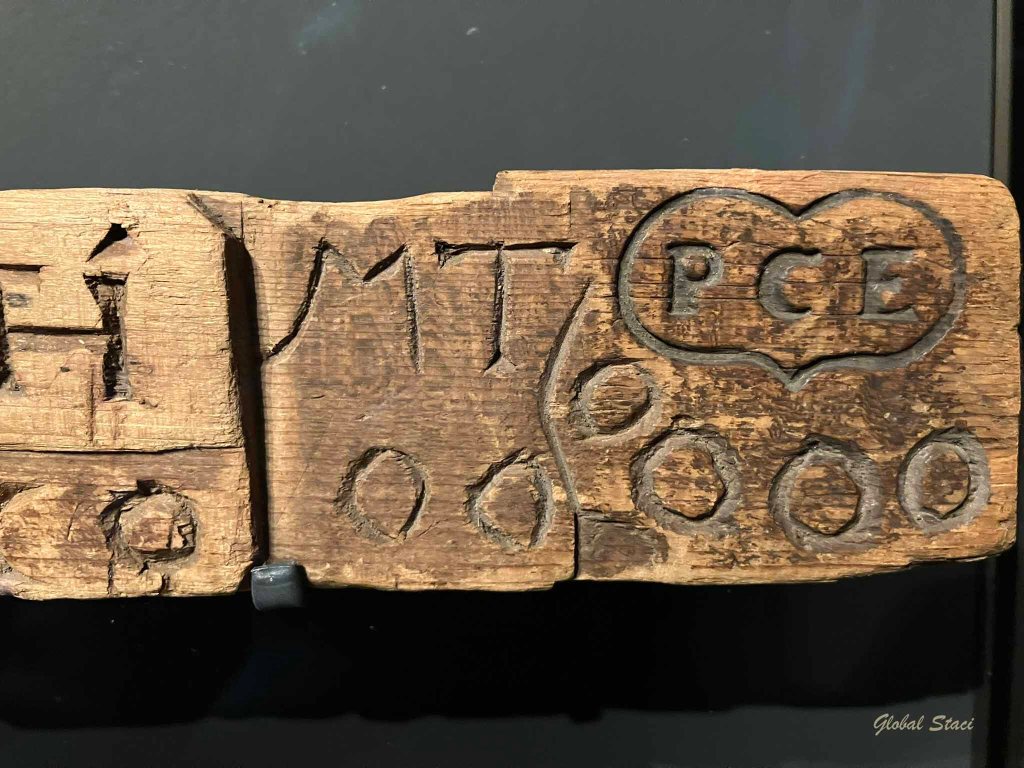
I recommend an unhurried visit to the Swiss National Museum, aka Landesmuseum Zürich, to learn all things Swiss history and culture. The castle-like main building and its modern addition are located next to Zürich Hauptbahnhof, Zurich’s main railway station. There are over 870,000 objects spanning prehistoric times to the present, organized into thematic collections, both permanent and temporary exhibits. Well worth the price of admission, the museum also has lockers, restrooms, a cafe and well-stocked gift shop.
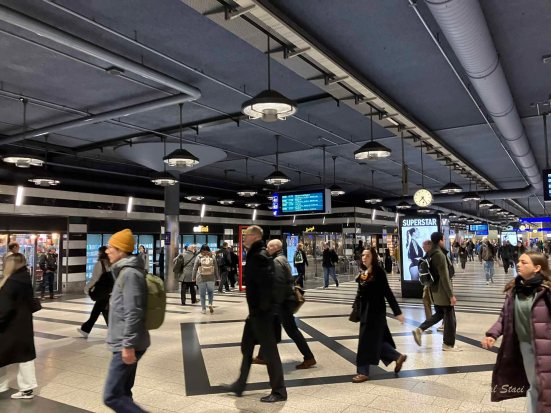
[PRO TIP: Zurich’s train station is the largest in Switzerland—3,000 trains carrying about 450,000 passengers a day. ShopVille, a large underground shopping mall beneath the train station offers over 200 shops and services, many of which are open early and late.]
The 1291 Federal Charter, upon which the Swiss Confederation was founded, is a compact of oath-based obligations between local communities. The formation was gradual with multiple pacts contributing to state formation. The 1848 constitution created a centralized federal state with cantons as members. The constitution of 1999 refers to the Swiss Confederation for historical purposes, but the country’s institutions function as a federal state, with strong autonomy among the cantons.
There are four languages spoken and one-year military service is mandatory for men with a Swiss passport, optional for women. The country is home to the longest train tunnel in world, the Gotthard Tunnel at 57 kilometers, opened in 2016. The Swiss are sticklers for following the rules; seat belts are mandatory even on those big bus tours, and you’ll be reminded to buckle up!
[PRO TIP: If you plan to spend time in a lot of museums, consider purchasing the Swiss Museum Pass (Swiss Travel Pass Museum portion) or Zurich-specific museum passes available online, at the Zürich Tourist Information or the train station.]
Getting to Know Zurich
The city is super walkable, and public transportation is top notch. It offers both old world charm and world-class modern flair. Like many large cities, it has a few neighborhoods, which you can learn a bit about and use to orient yourself. The winding alleys of Altstadt, Zurich’s historic core, the bustle of the modern city gently fades behind, replaced by the soothing sounds of footsteps on cobblestone and the distant chime of church bells echoing between centuries-old facades.
Niederdorf, on the Limmat River’s east bank in Altstadt, where we stayed, was the perfect launch pad for exploring on foot, and for getting to the bus and train station. There are tons of little streets to explore with cafes, bars, restaurants and shops, city parks and churches.
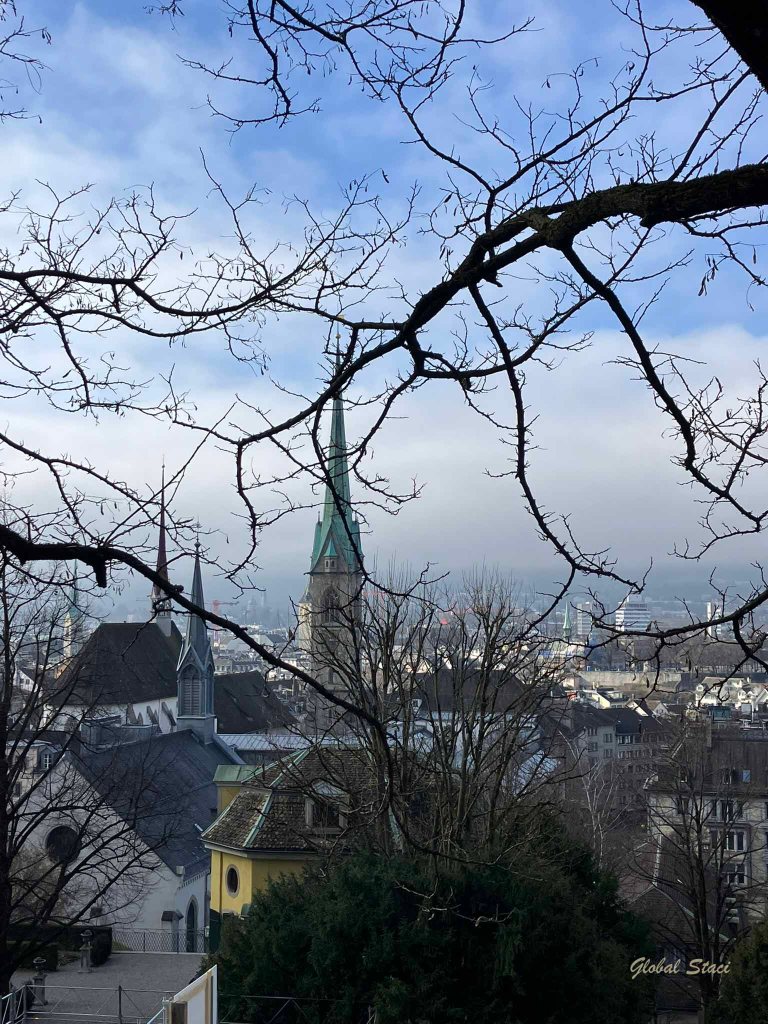
Also on the east side, and just atop a hill, sits the prestigious ETH Zurich (Eidgenössische Technische Hochschule Zürich), Switzerland’s leading science and technology university, often compared to MIT. One of its most famous students graduating in 1900 with a diploma in mathematics and physics was Albert Einstein. It’s a nice walk up the steep staircases from Neiderdorf, but you can also take the short ride the Polybahn funicular up to Polyterrasse, where the main campus sits. Nice views from there.
Walking toward the Limmat River, admire Cross the Limmat River and arrive Grossmünster, Zurich’s iconic twin-towered cathedral. According to legend, it was built on the graves of the city’s patron saints, Felix and Regula. It was under restoration while I was there so I couldn’t go inside.
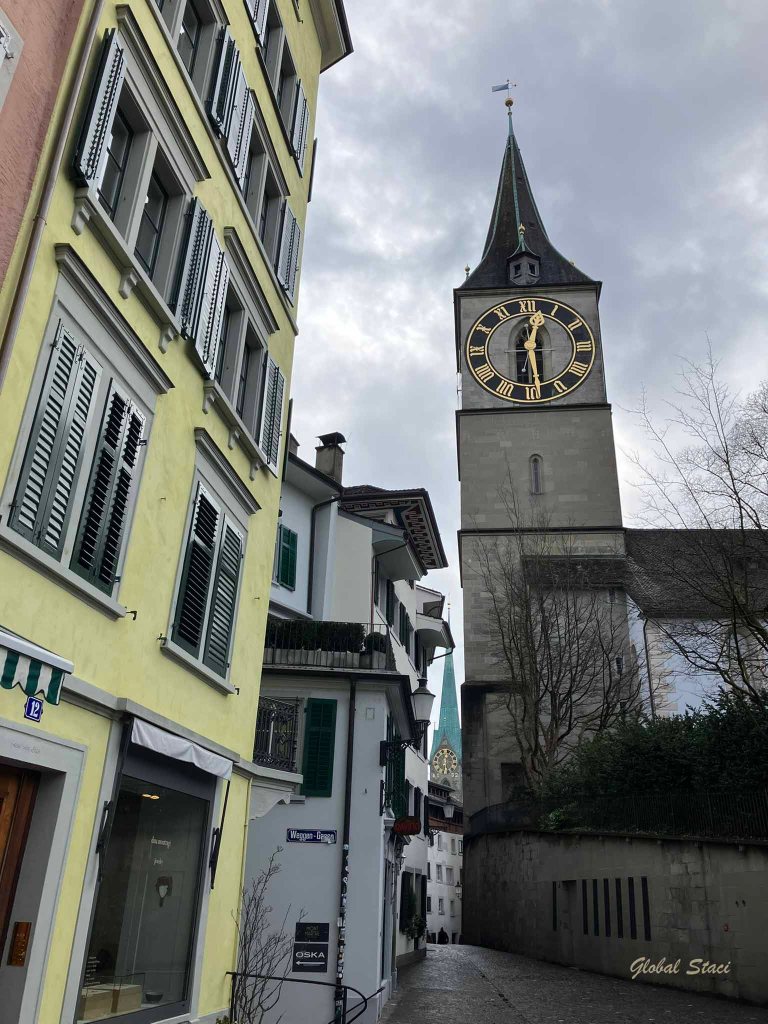
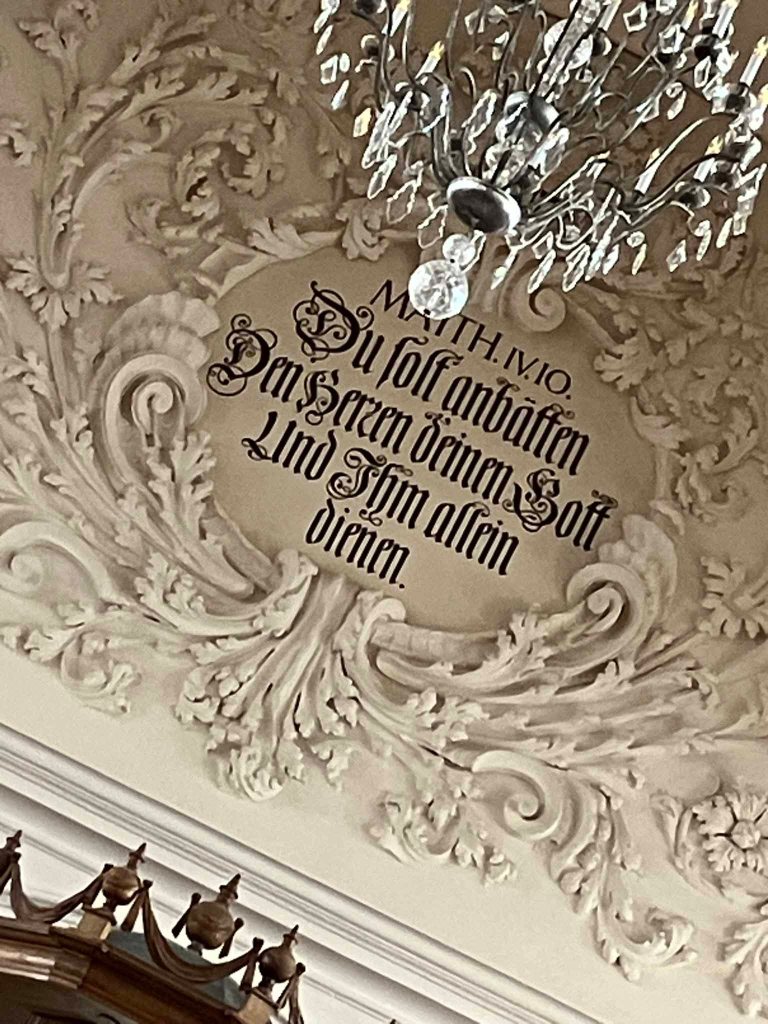
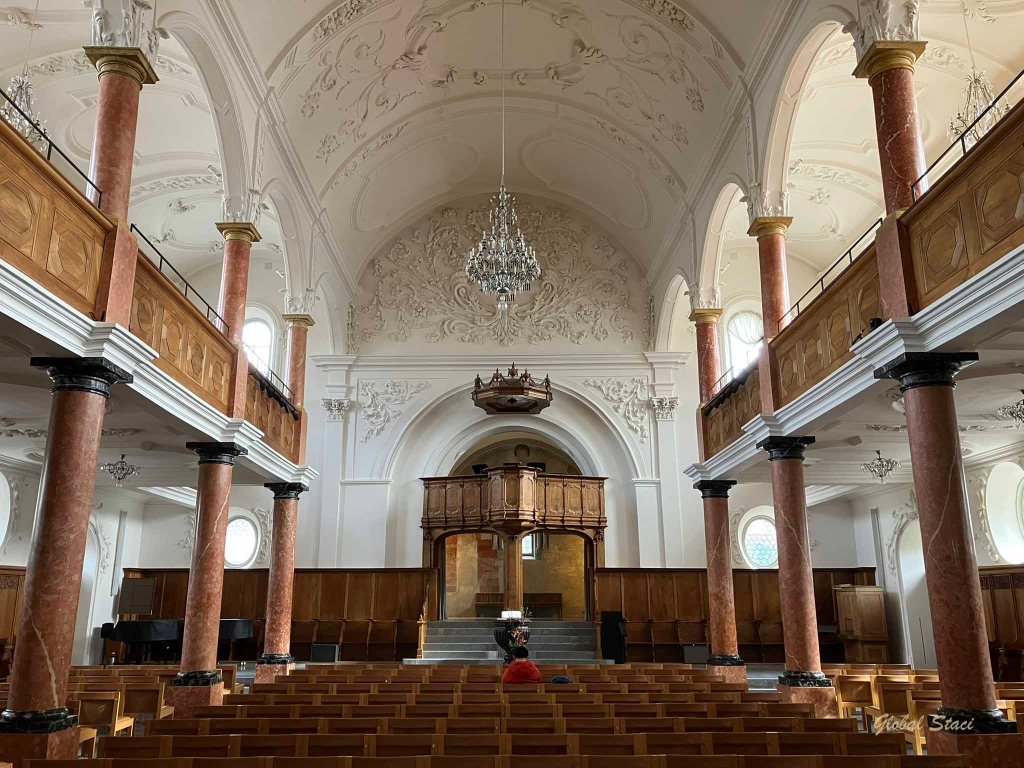
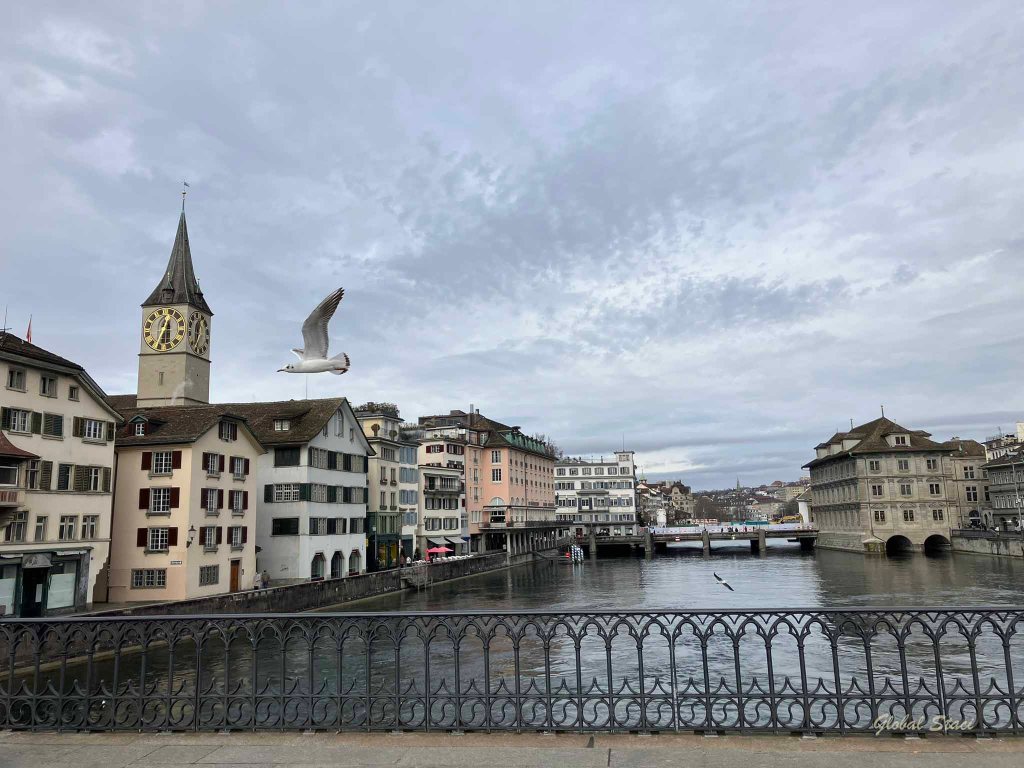
Crossing the bridge over to the west bank of the Limmat River in Zurich’s city center, also part of Altstadt, you’ll find more famous landmarks. Don’t miss St. Peter’s Church and its clock tower boasting the largest clock face in all of Europe. Yes, larger than big Ben.
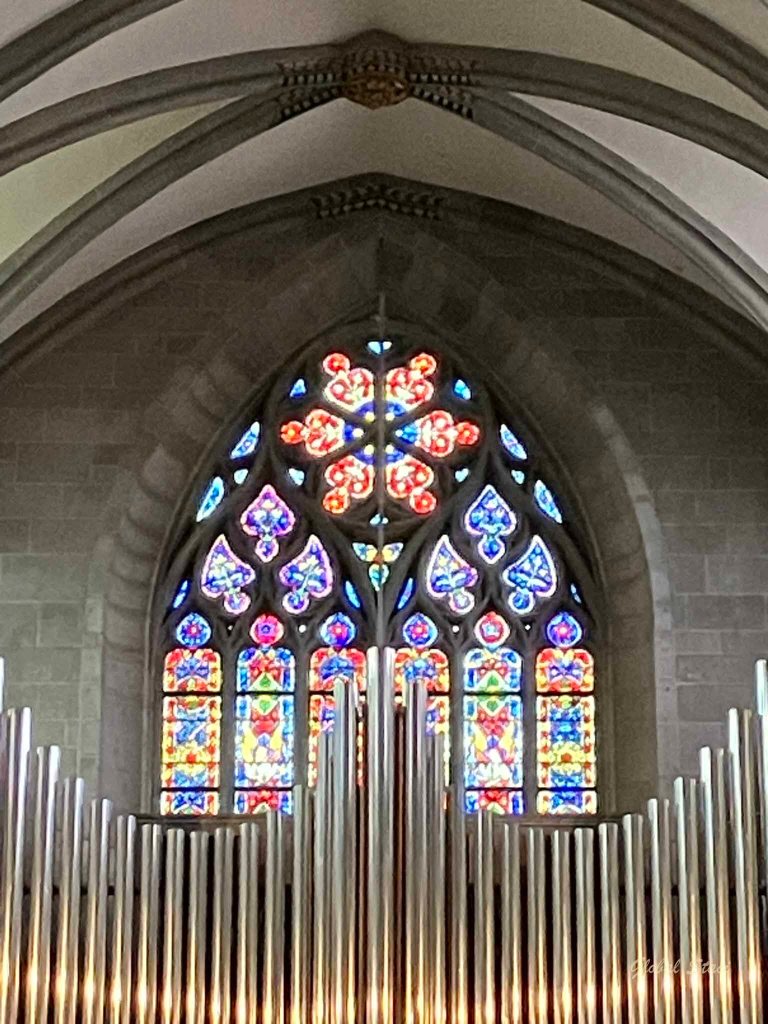
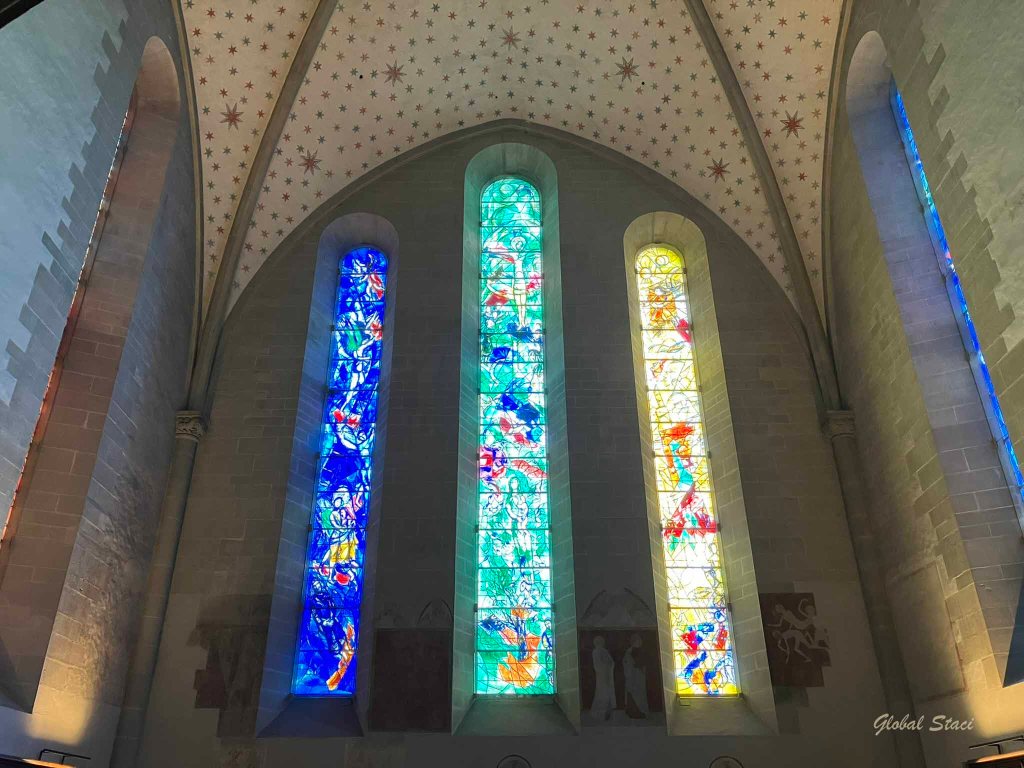
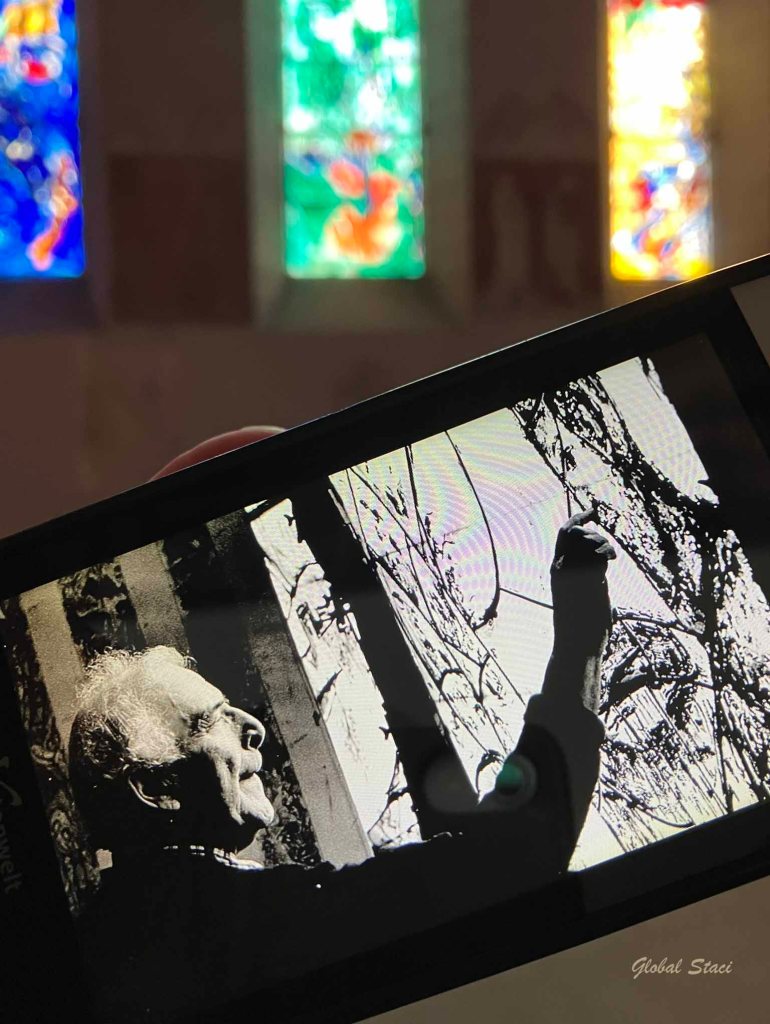
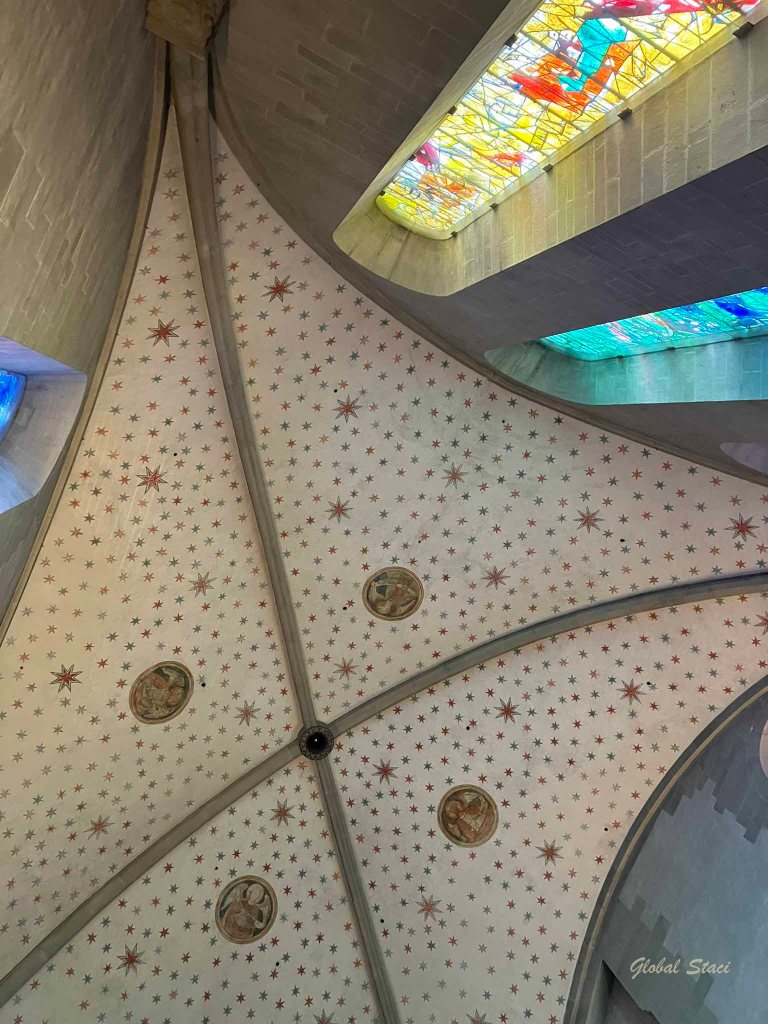
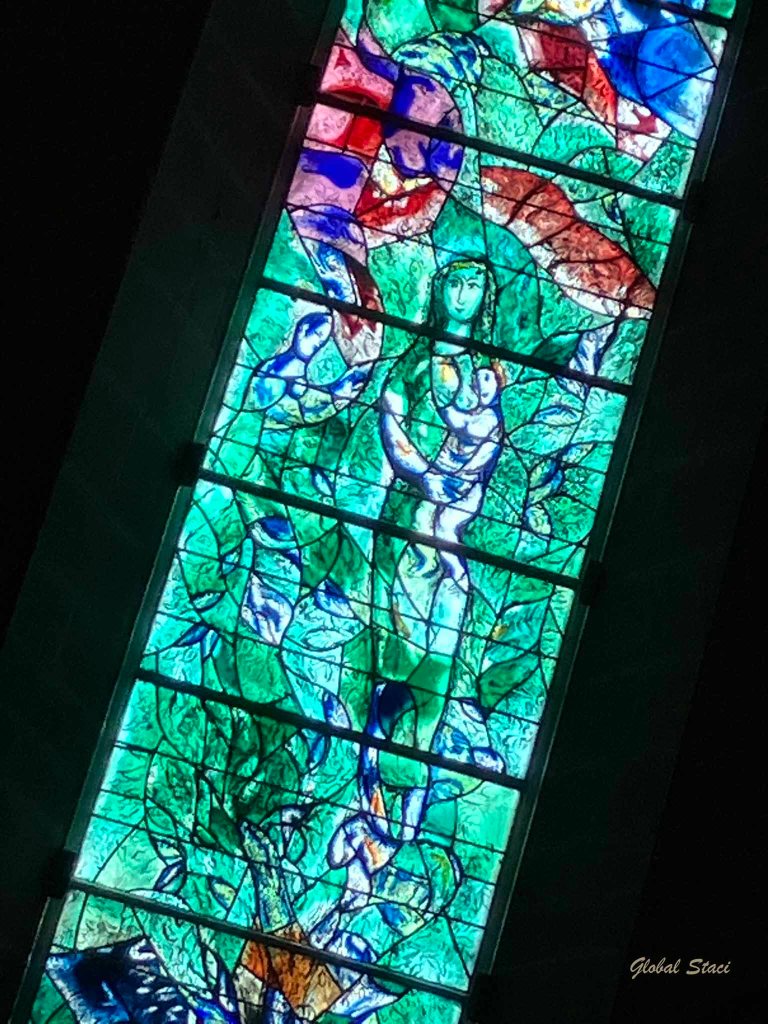
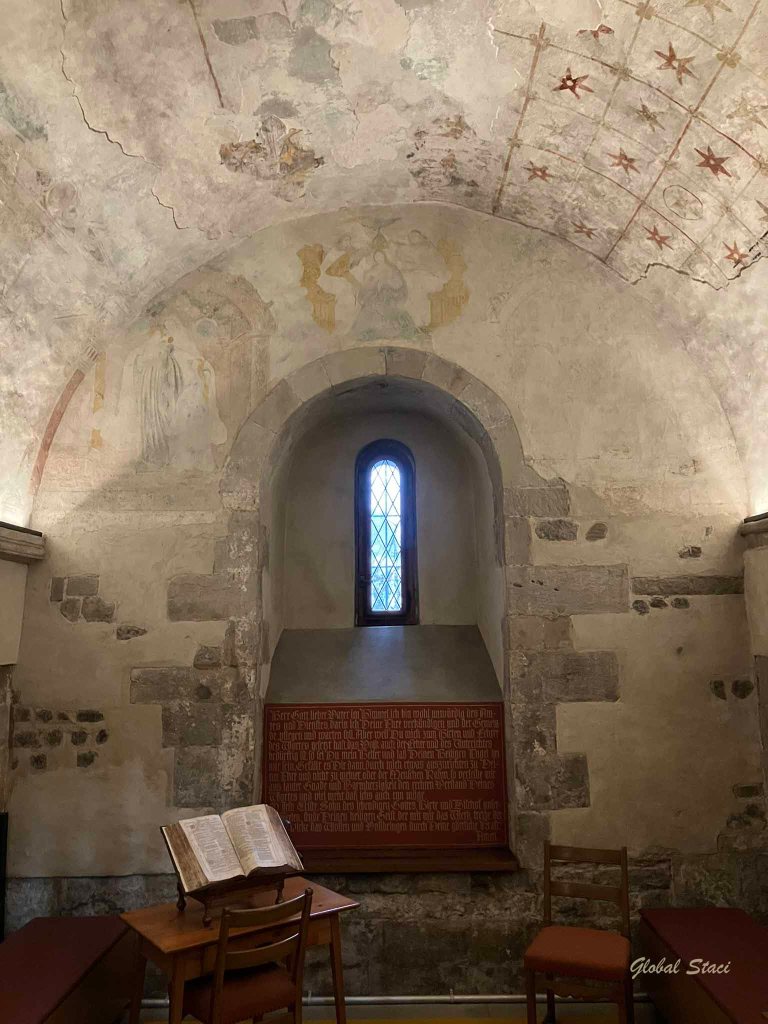
Check out Fraumünster, a church that is as rich in history as it is in beauty. Founded in the 9th century, this former abbey was once a center of political power led by an influential female abbess. Today, it is most renowned for its breathtaking stained-glass windows by Marc Chagall — luminous, poetic scenes that transform sunlight into storytelling. Get the audio guide to unlock the symbolism in each vibrant pane.
You may want to visit Bahnhofstrasse, Zurich’s answer to Fifth Avenue in New York City or London’s Bond Street. Luxury brands line the street, some of the most expensive real estate in the world.
[PRO TIP: The Swiss of course are known to be exquisite chocolatiers. One traditional brand that competes with others you may have heard of is Honold. I recommend Läderach, especially for pralines and seasonal chocolates; they have a beautiful shop on Bahnhofstrasse.]
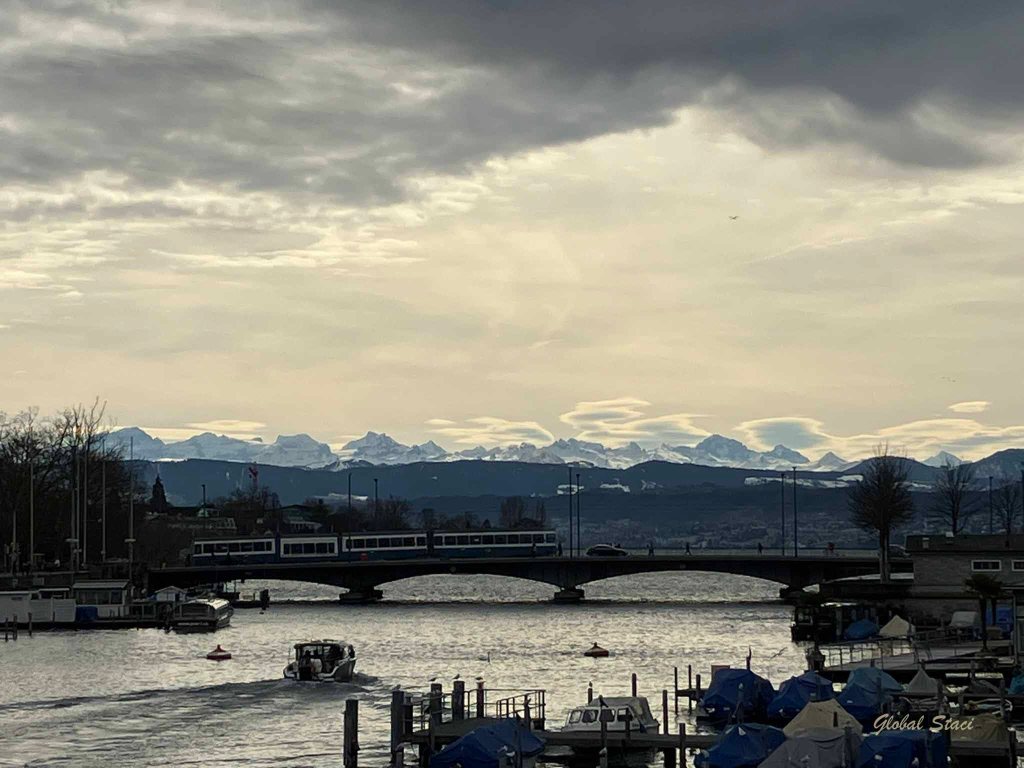
An Ode to Swiss Chocolate
For all the watches in the world,
For all the gold too,
I’d trade the cheese but not the chocolate,
For that magnificent alpine view.
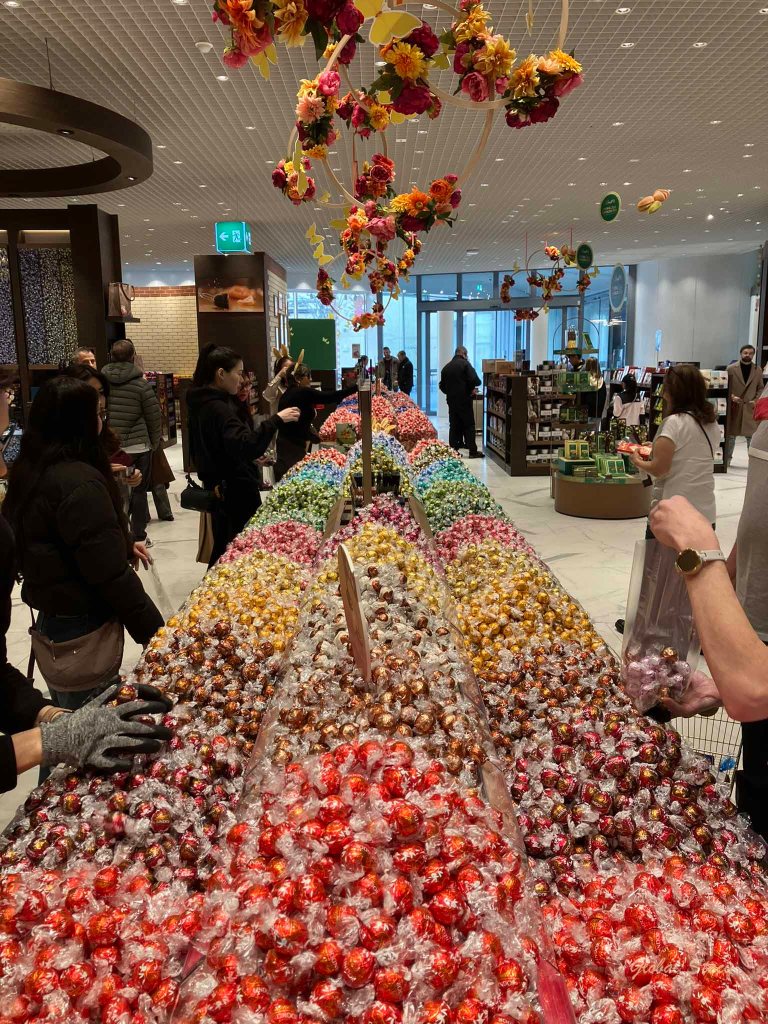
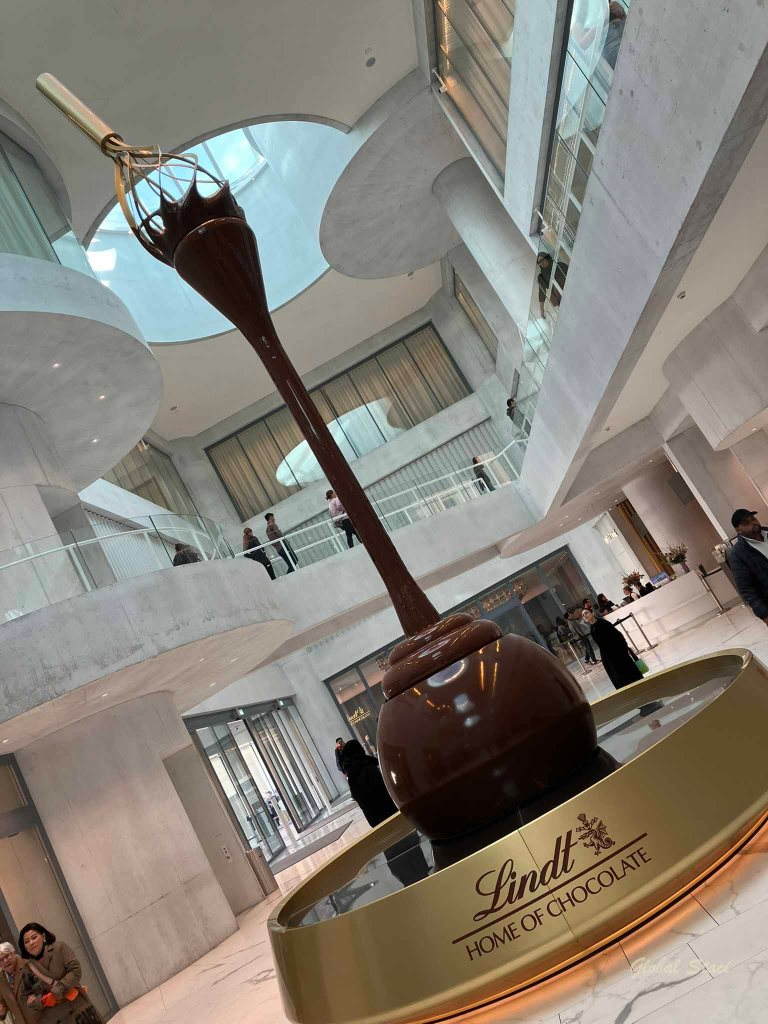
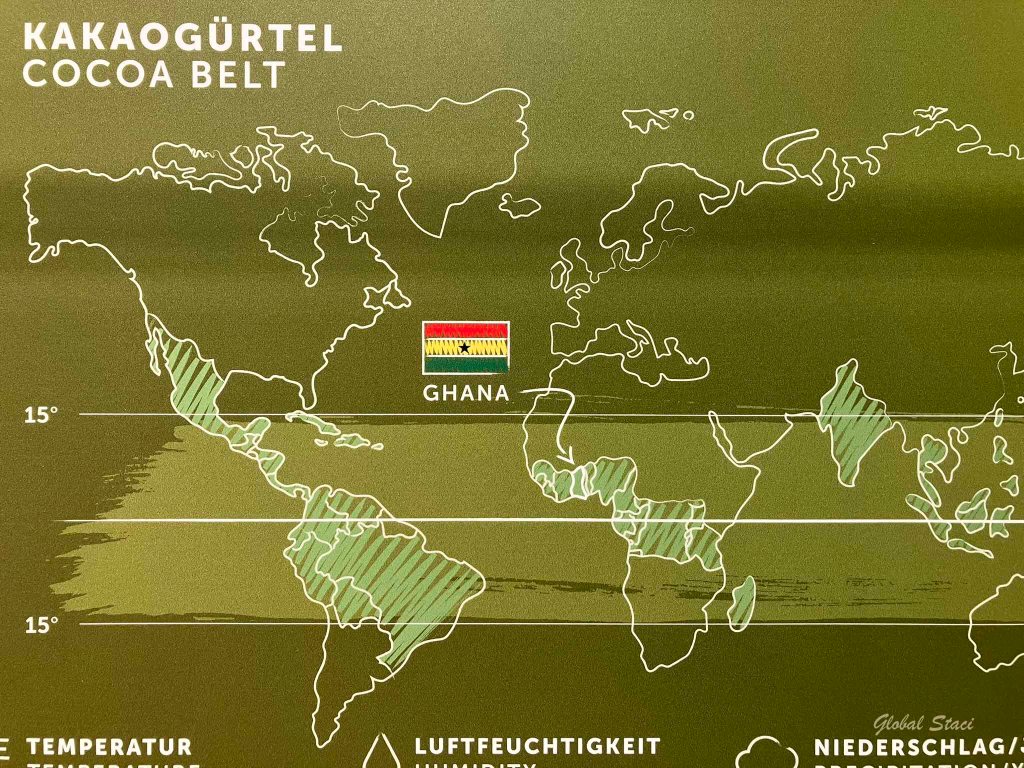
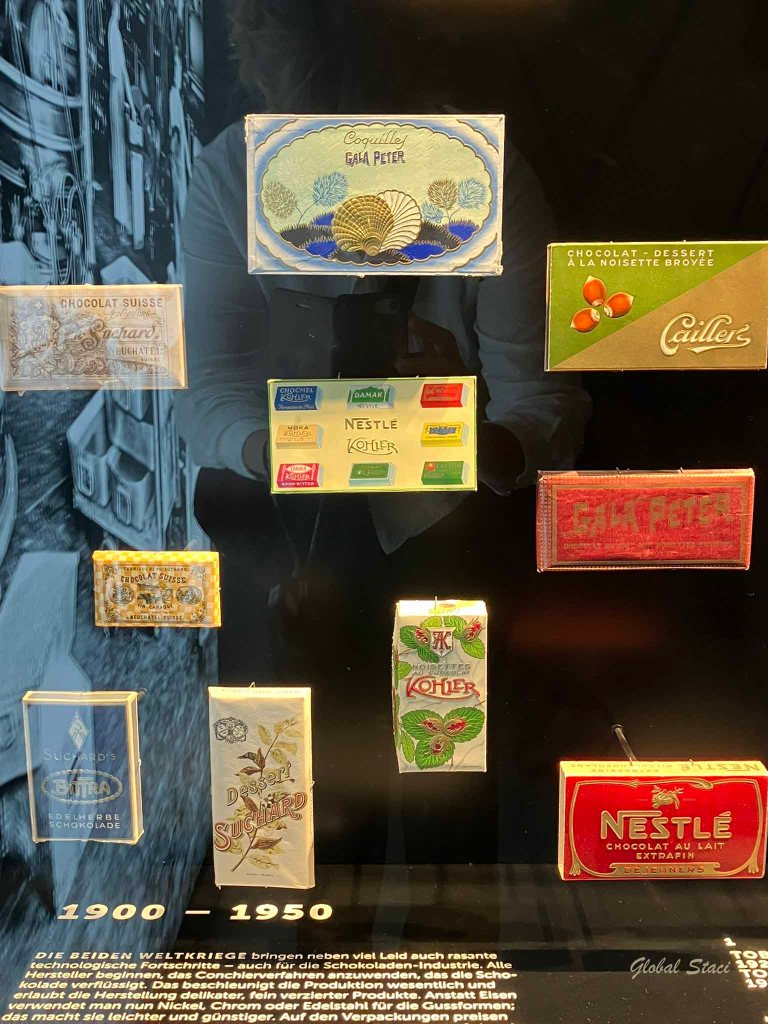
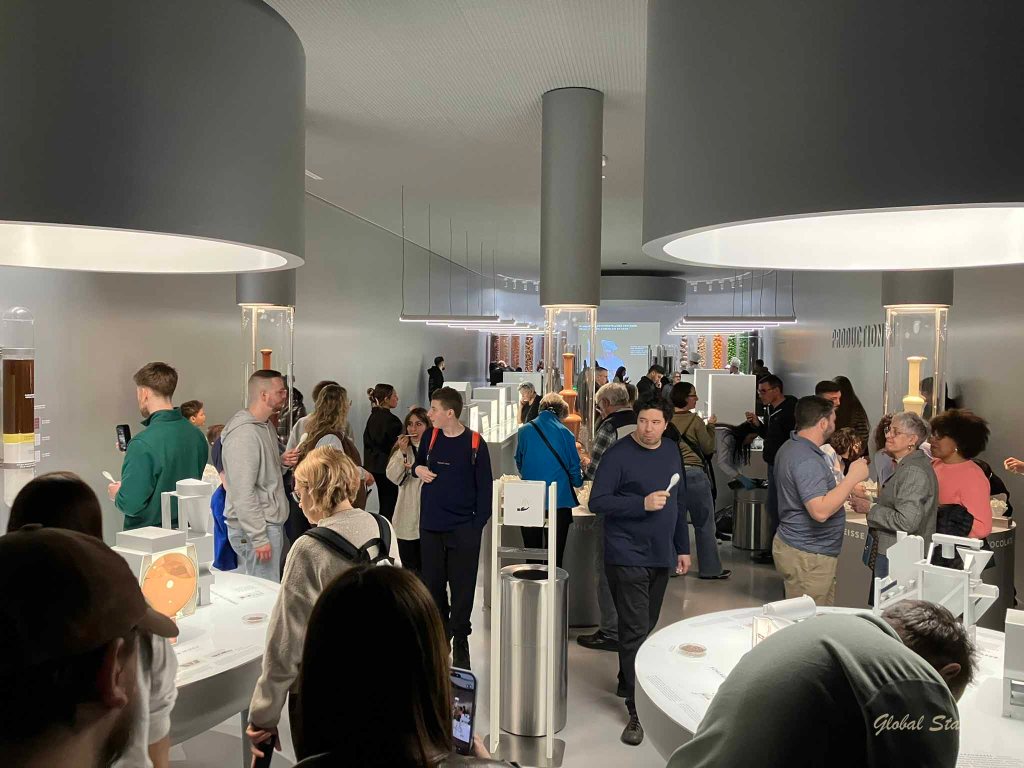
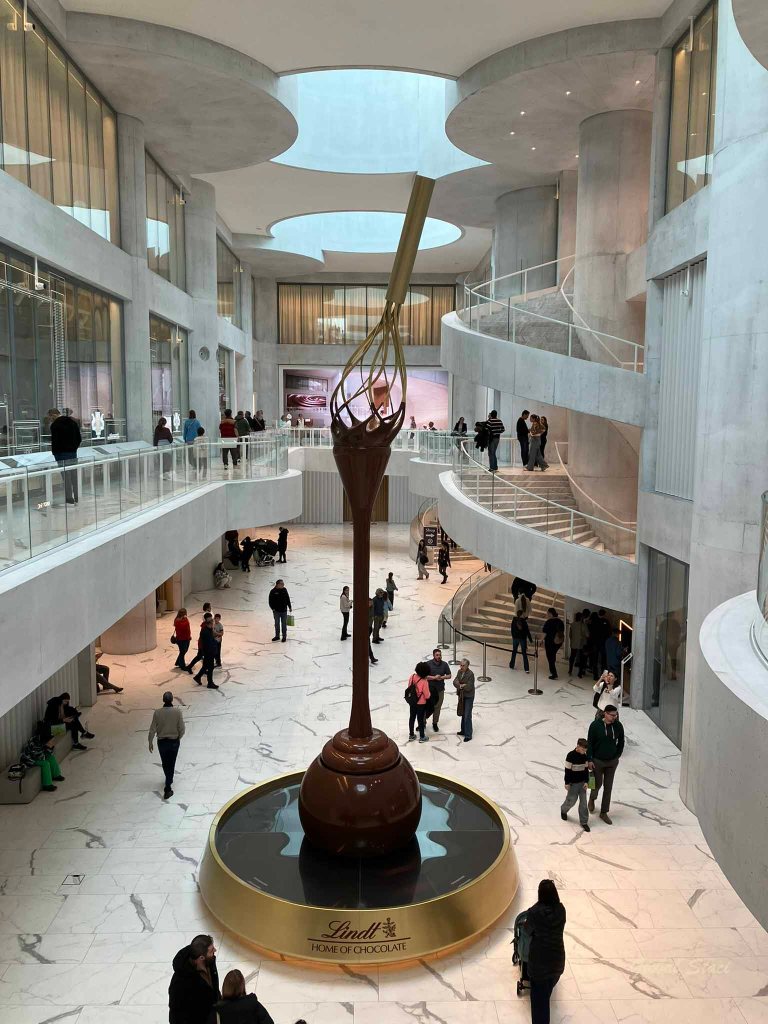
Do yourself a favor and pre-book a tour of the Lindt factory. You’ll learn the entire history of chocolate making in Switzerland, and taste to your heart’s content. Officially known as Lindt & Sprüngli, the company has played a key role in spreading the excellent reputation of Swiss chocolate around the world for more than 175 years.
The new museum is awesome, educational and interactive. We got the full chocolate experience! There is also a cafe and shop where you can buy Swiss made chocolates that aren’t available outside the country.
[PRO TIP: We visited on a Sunday afternoon when a lot of things in the city are otherwise closed. It’s a bit outside the city center; check their website for transportation options. I recommend you simply take an Uber.]
Our Favorite Restaurants
*This list is rather short because we either ate a lot in our apartment, or we ate some main meals on the tours, listed below.
Zum Königstuhl for fondu. Reserve a table in advance.
Hiltl famous go-to for plant based and delicious vegetarian fare. Reserve a table.
Restaurant Brasserie Johanniter for friendly service, good food and fun, since 1901!
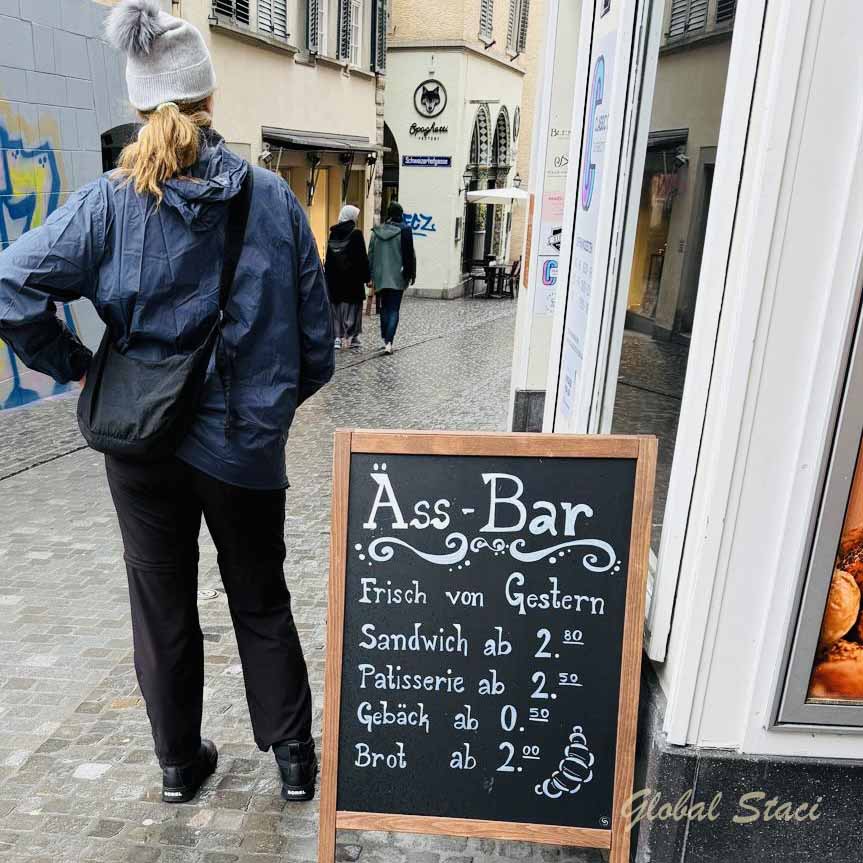
Äss-Bar yummy bakery with a funny name.
Noteworthy Tours
In order to see more of the surrounding county without doing all the work ourselves, we opted to book bus tours online ahead of our arrival. I felt this made the most of our one week stay. If we’d had more time we may have taken the train and spent a few nights in some of these lovely little towns.
RAPPERSWIL & LIECHTENSTEIN
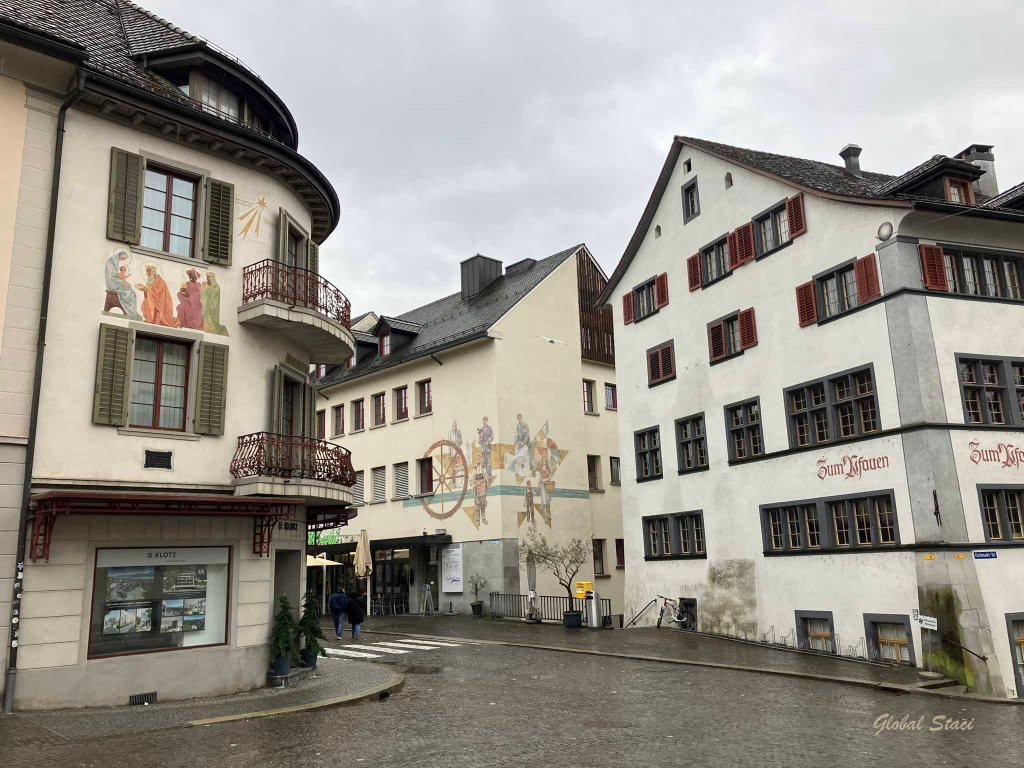
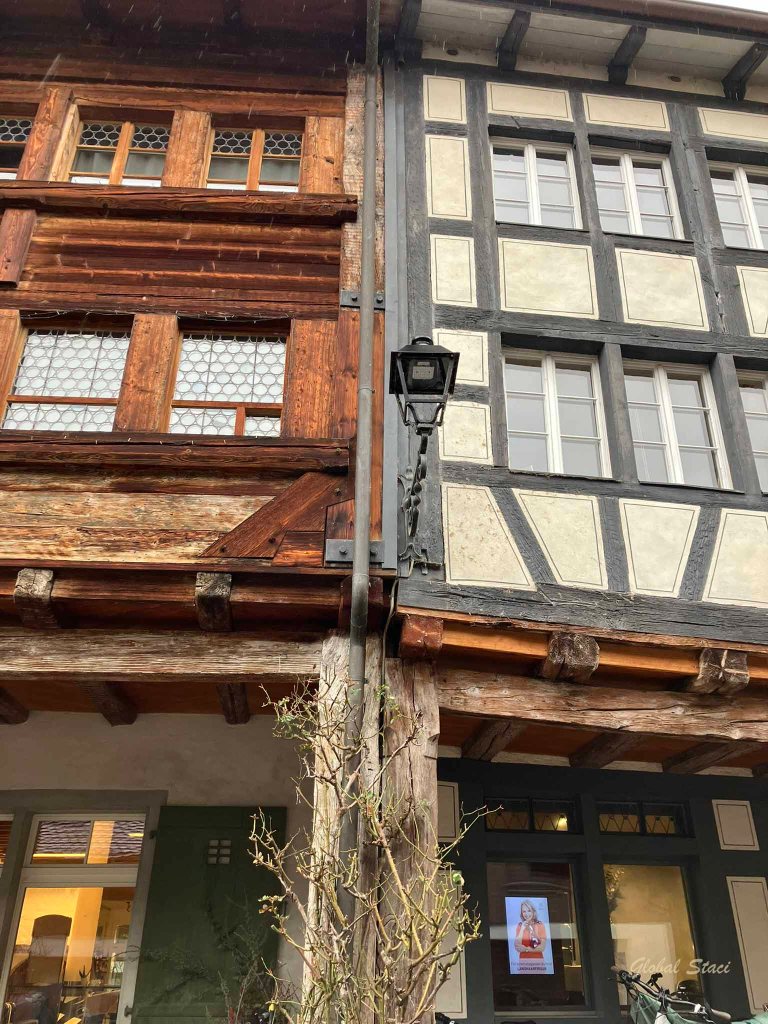
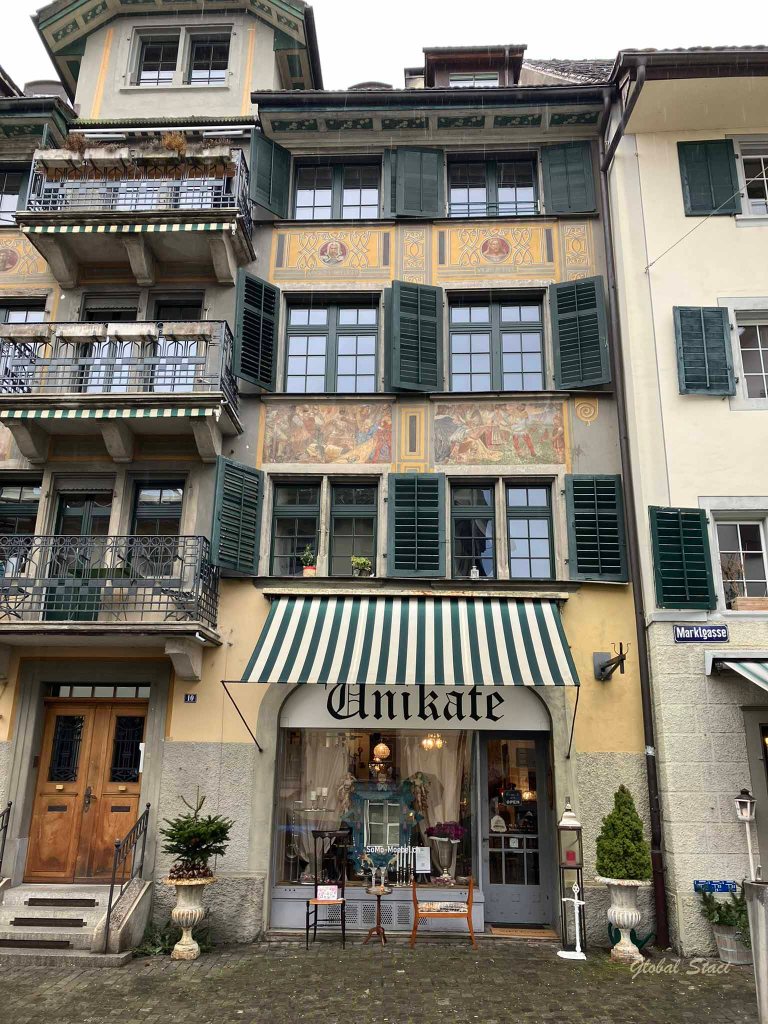
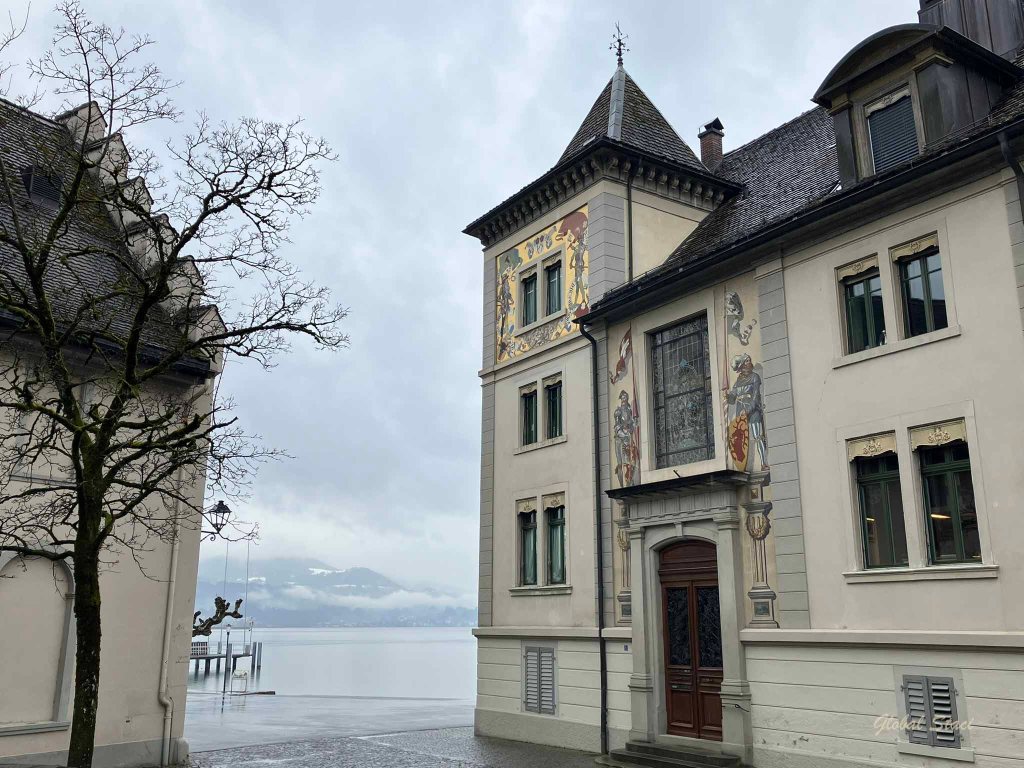
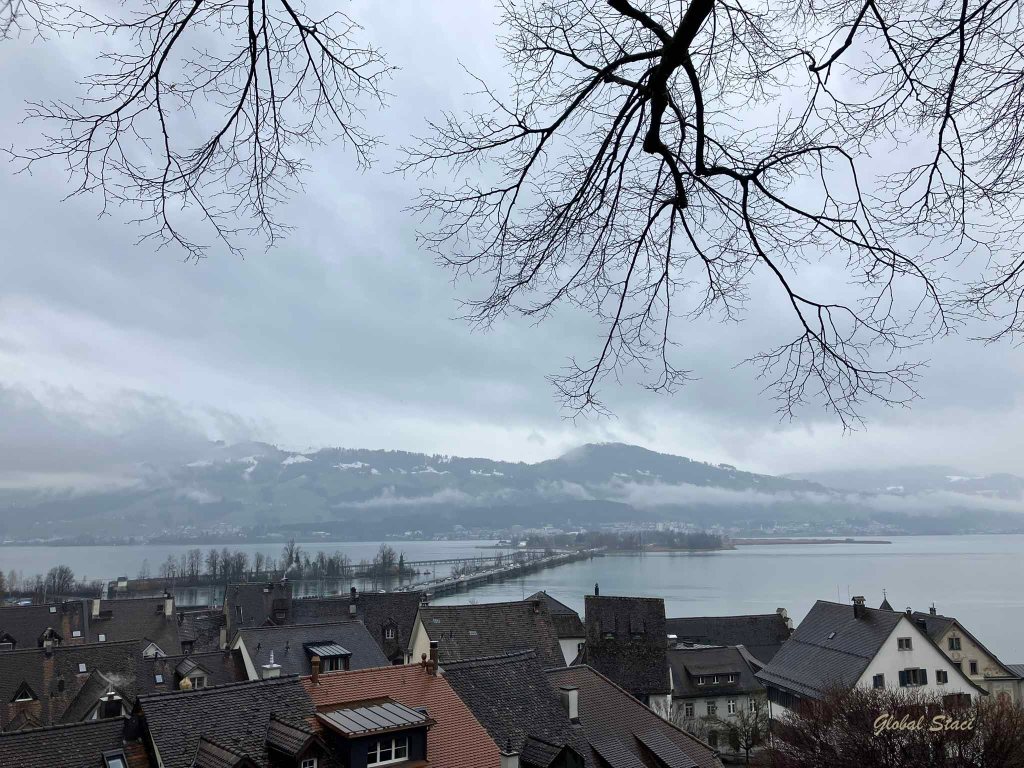
On the way to Liechtenstein, we popped into the charming Swiss village of Rapperswil on the shore of Lake Zurich. Complete with castle and church, like so many old European towns, Rapperswil is often referred to as the “town of roses” because of its extensive displays of roses in three designated parks, no fewer than 15,000 plants and 600 varieties.
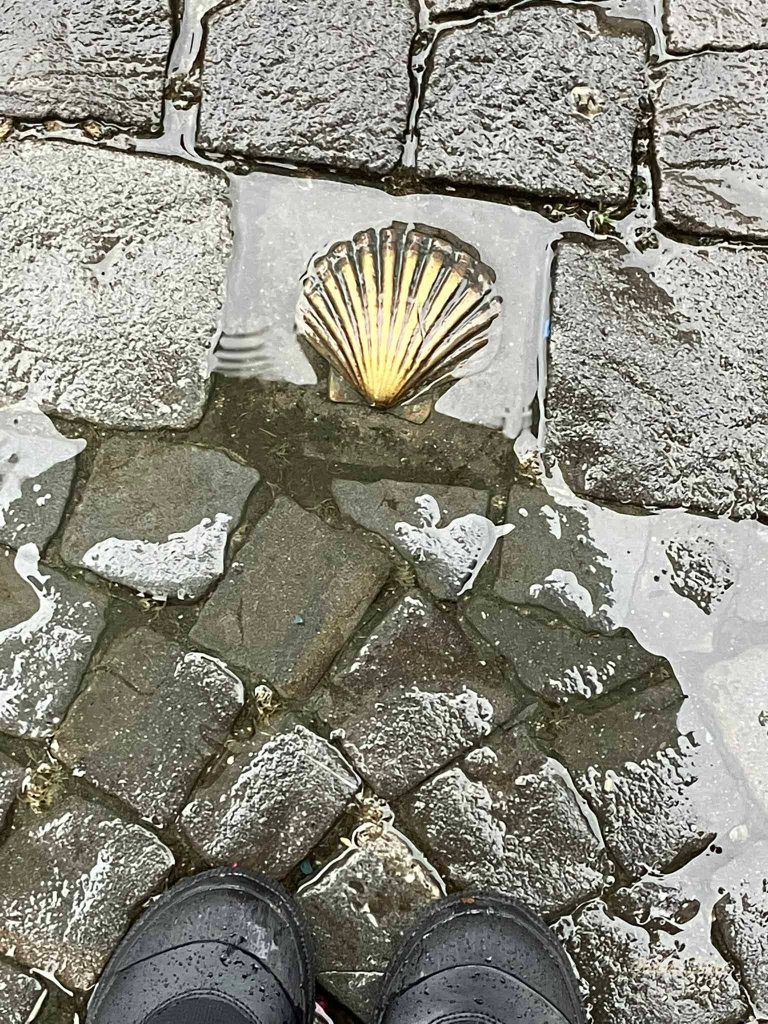
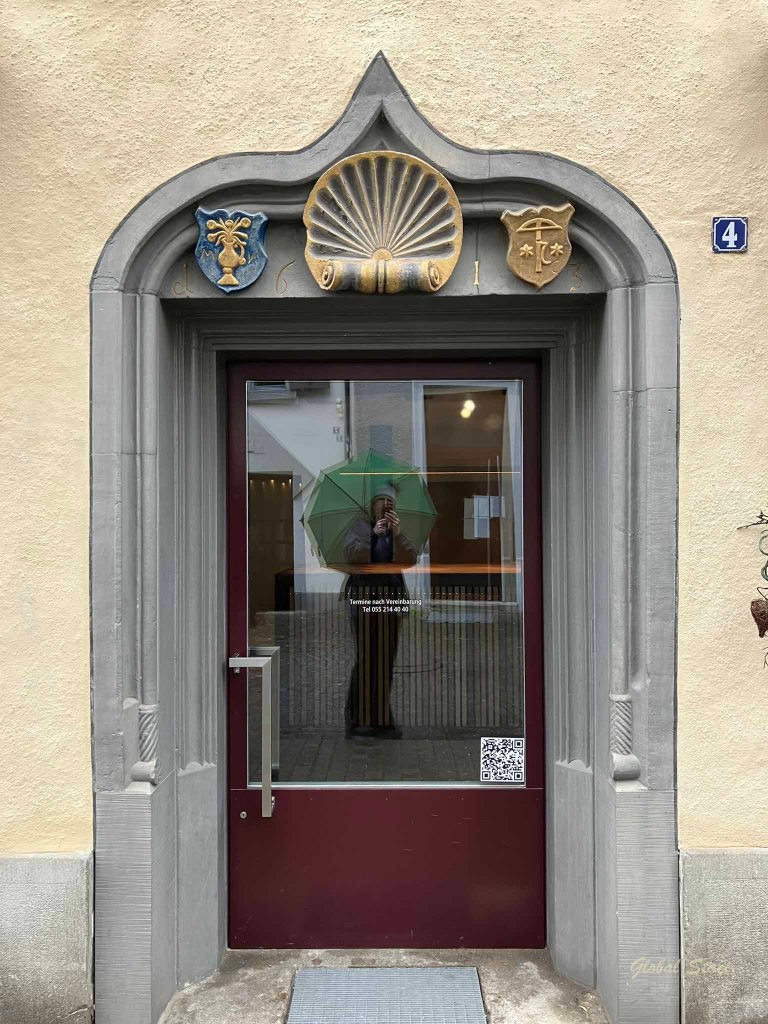
Interestingly, it is on a route to the Santiago de Compostela in Spain. The Camino de Santiago consists of a network of pilgrimage routes across Europe, and the one that begins in Switzerland is over 3,000 kilometers. Pilgrims during the Middle Ages could earn their way to heaven by journeying to one of just three sites: Jerusalem, Rome and Santiago de Compostela. Seeing a shell on the route signified to travelers they could expect hospitality and rest along the way.
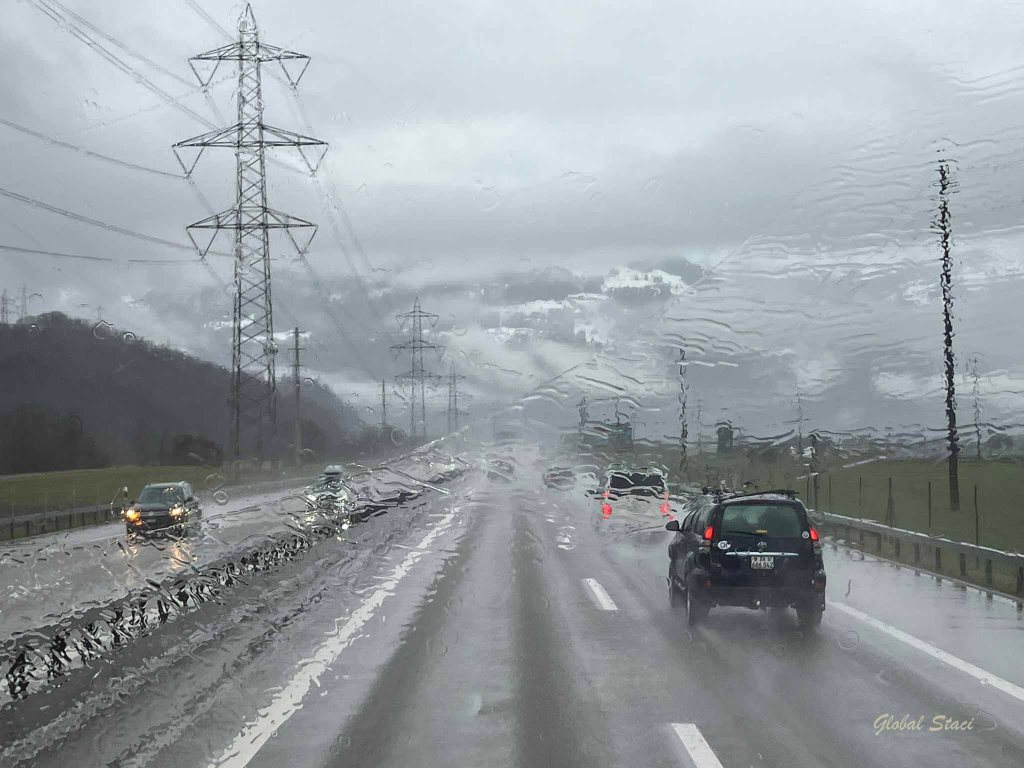
I recommend a hot lunch at Café Rosenstädter, family owned since 1969. Now run by the second generation, Nicole and brother Kevin still use some of the original recipes. Try their legendary Swiss cheesecake. The roasted fennel soup hit the sport on a rainy day.
LUCERNE & ENGELBERG
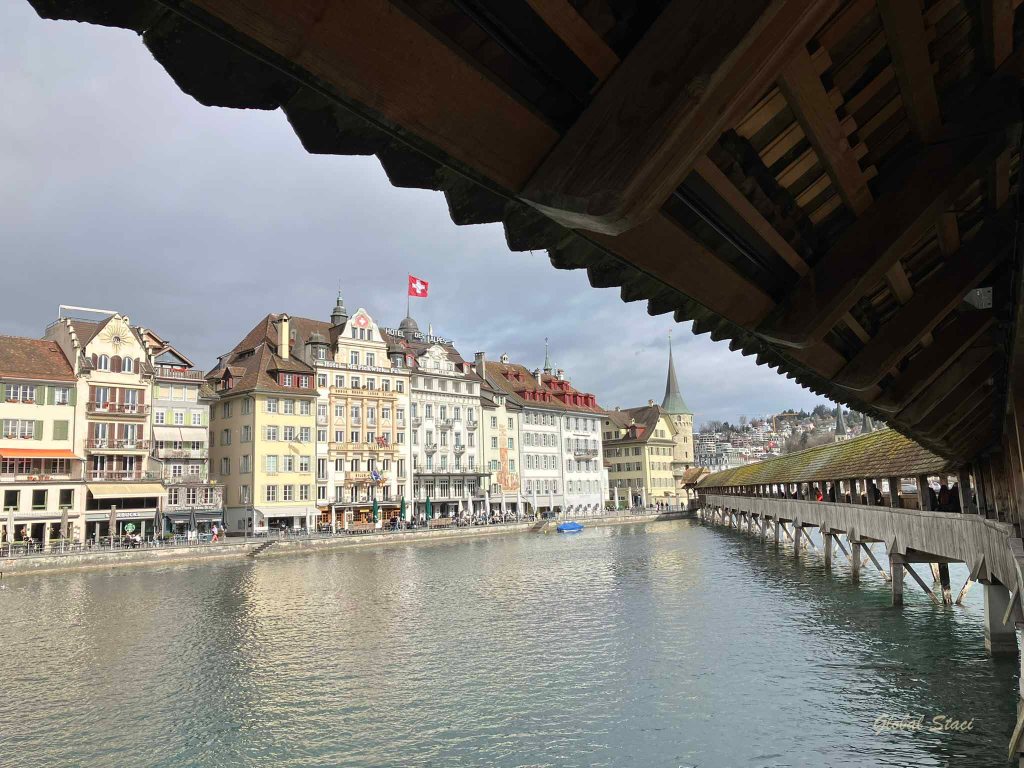
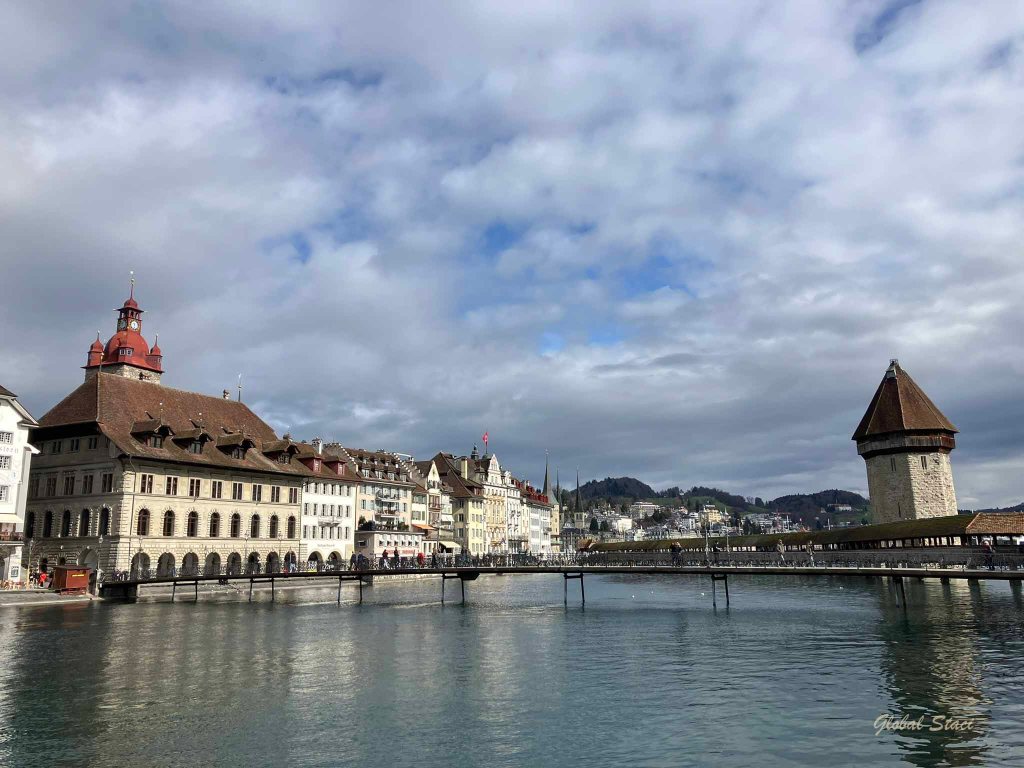
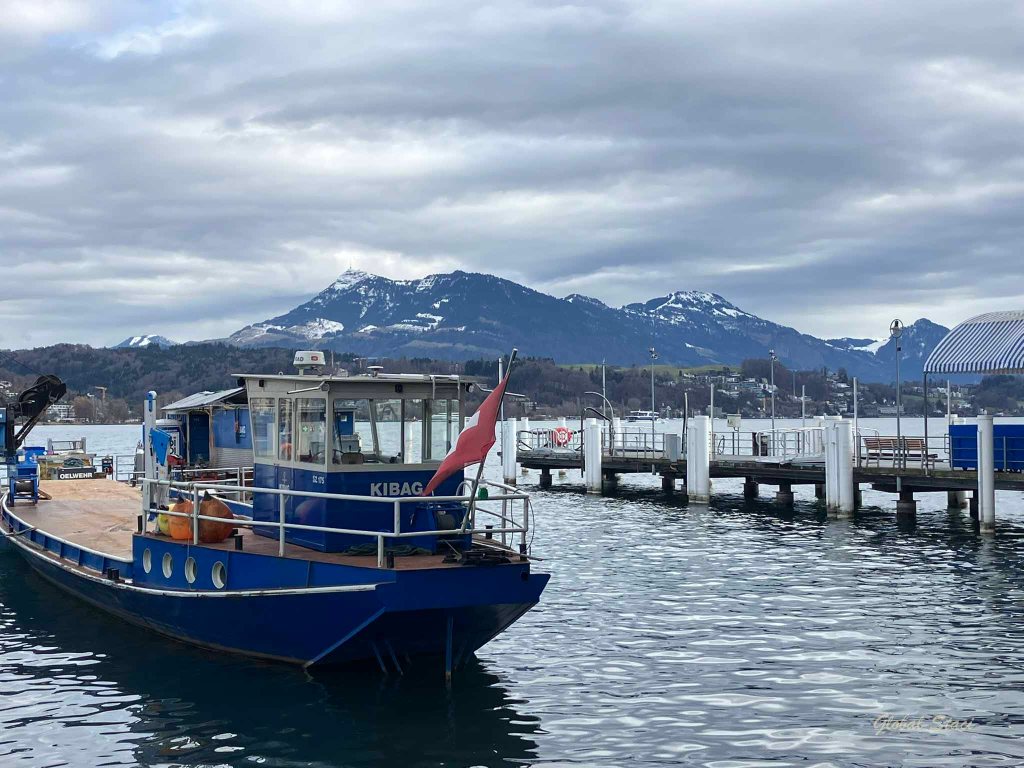
Our time in Lucerne was short, but it’s a beautiful town with a lakeside promenade along the glacially carved Lake Lucerne. Aside from strolling through the Old Town medieval center, I enjoyed walking the Kapellbrücke, the famous Chapel Bridge, and Hofkirche St. Leodegar, aka Lucerne Cathedral.
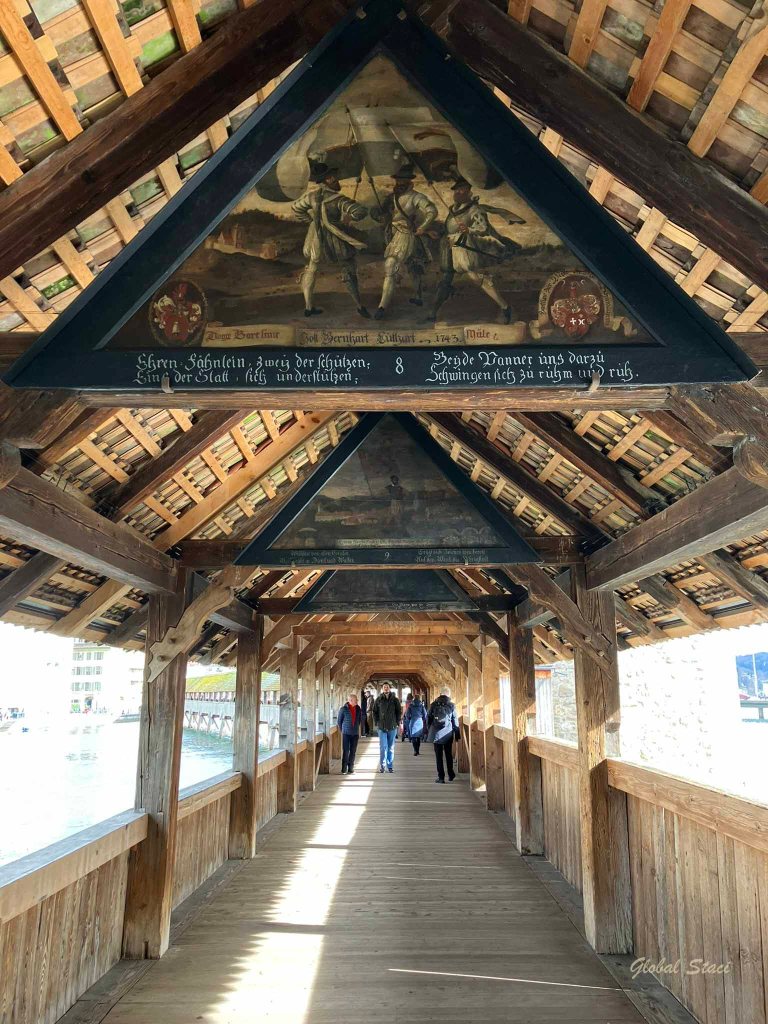
You can’t miss the bridge. Spanning the Reuss River where Lake Lucerne enters the city, originally built circa 1333, it is one of Europe’s oldest covered wooden bridges. The covered walkway, with its series of triangular painted interior panels from the 17th century, depict the city’s history and saints. The octagonal water town is actually older than the bridge and was used over the years as a watchtower and prison.
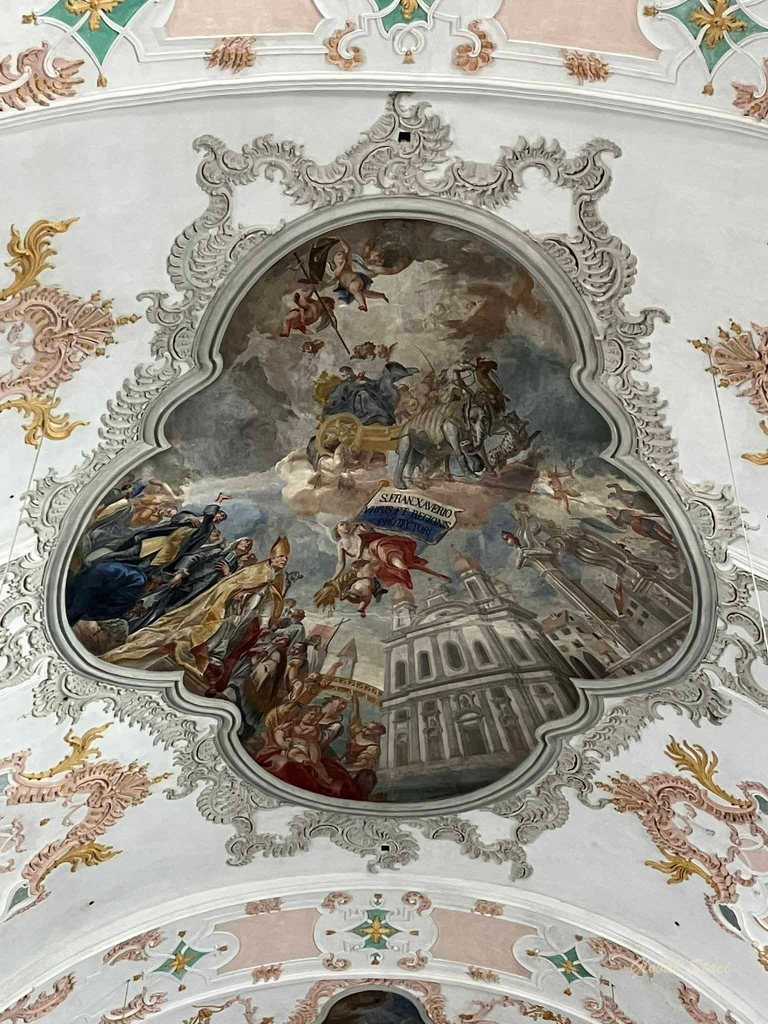
Lucerne Cathedral, also in the Old Town, is named for a 7th century Burgundian bishop. It was reconstructed in 1633–1639 on the site of an earlier Romanesque church. The distinctive twin towers flank the nave of one of the few large Renaissance churches in Switzerland.
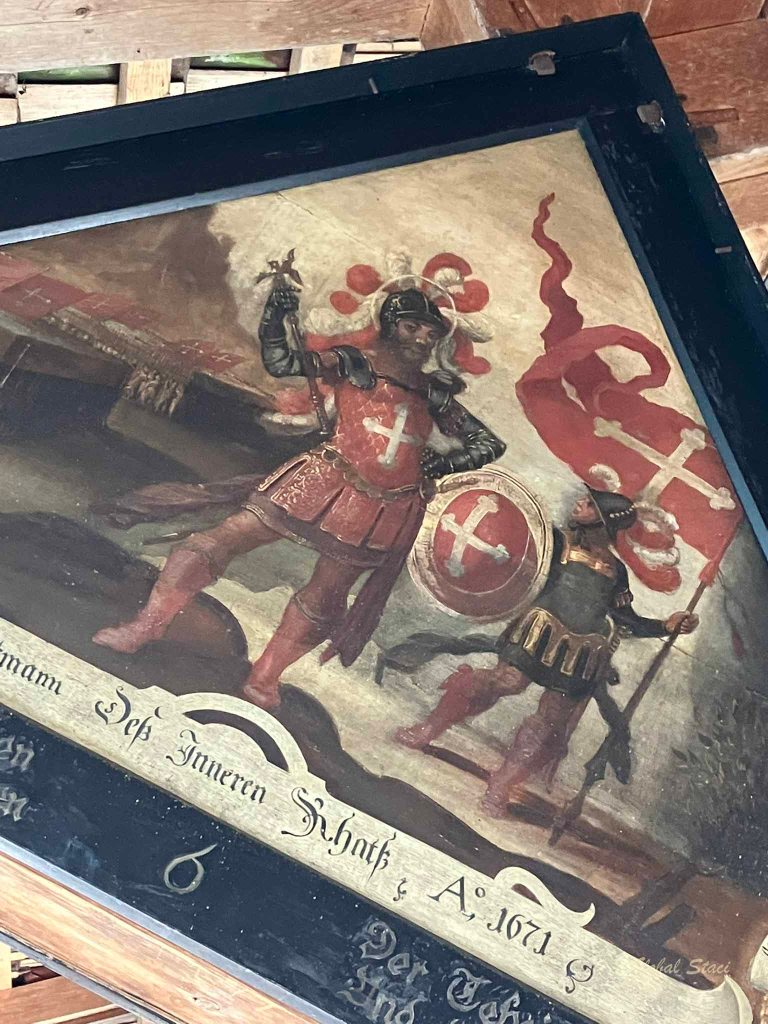
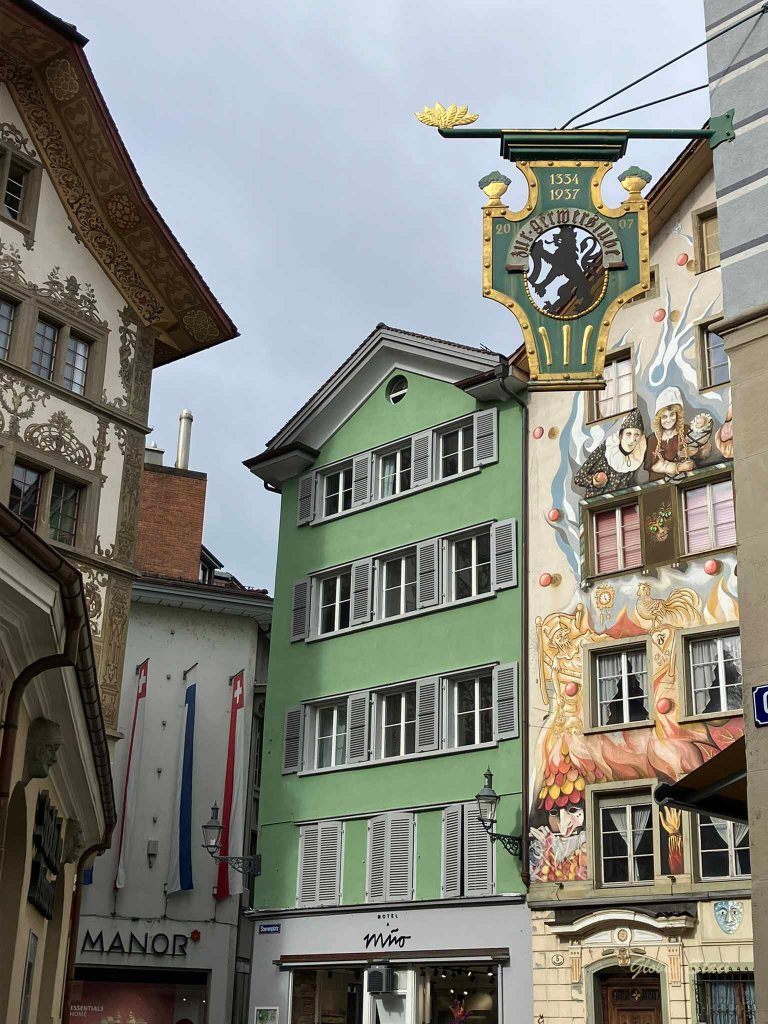
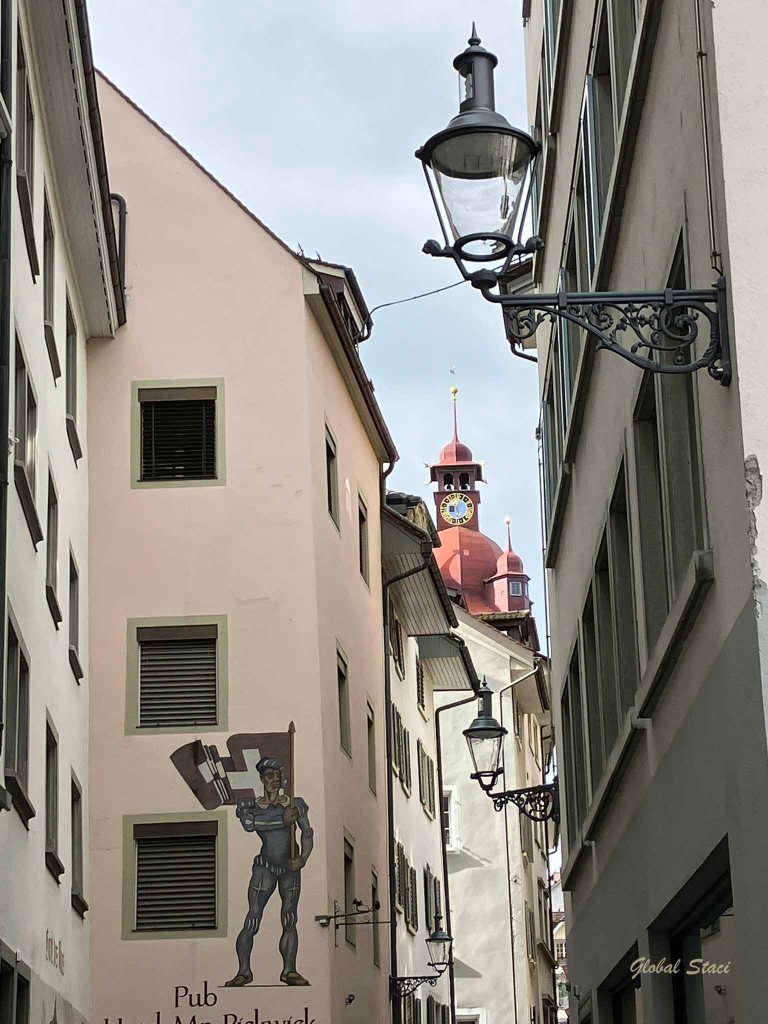
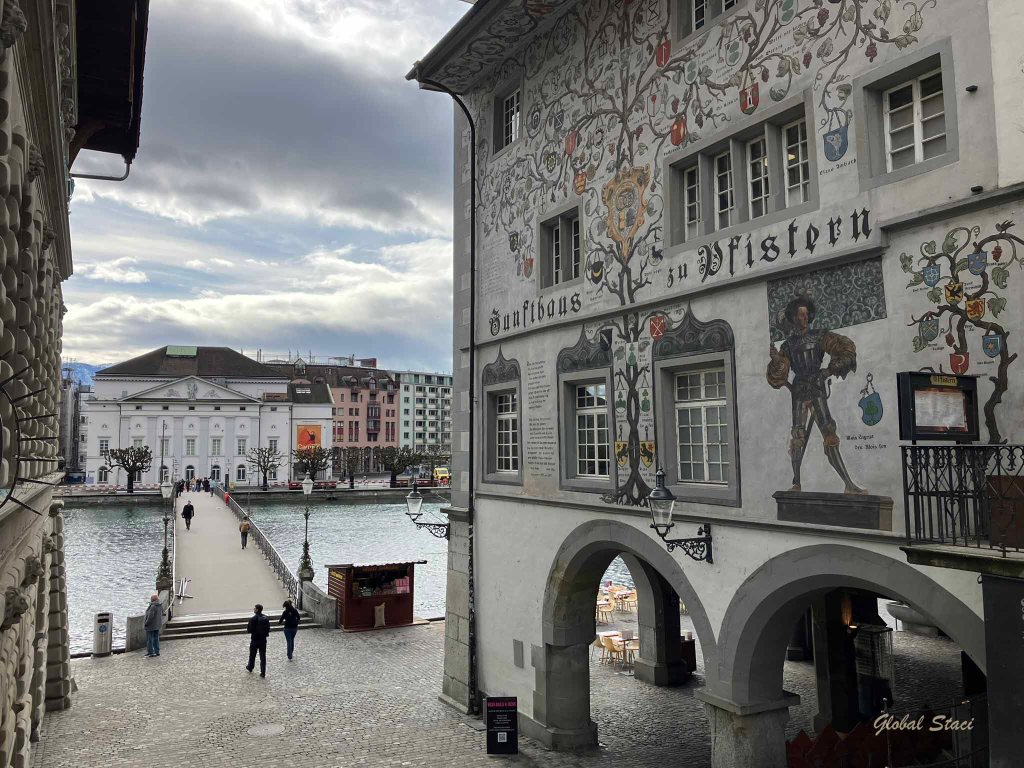
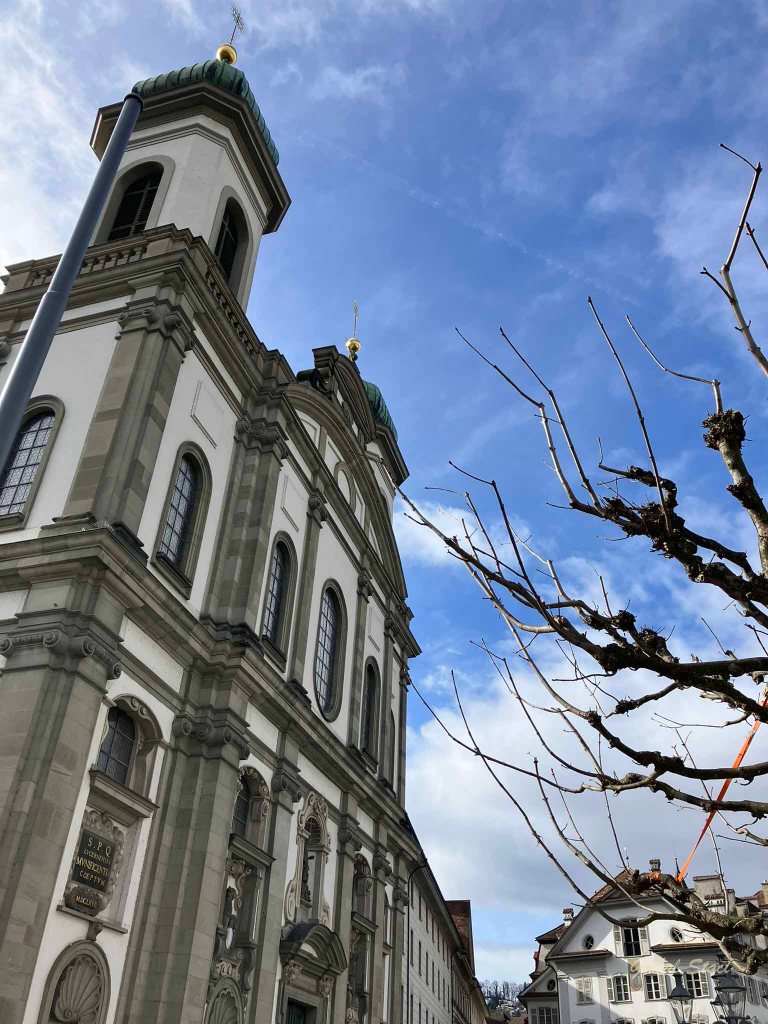
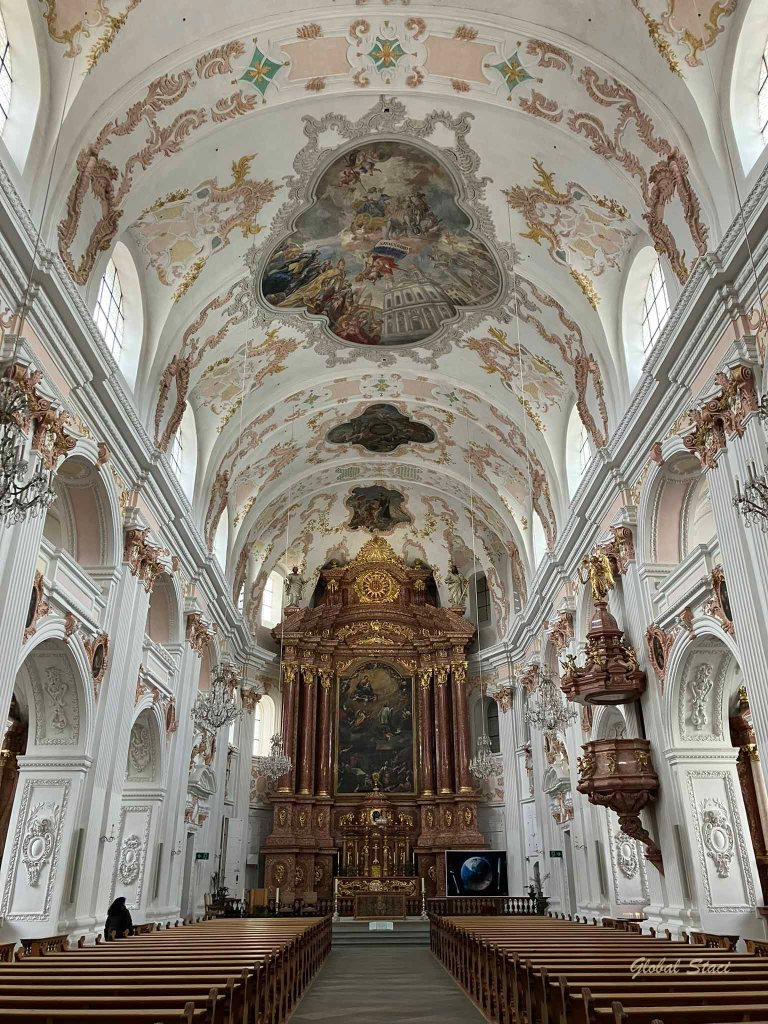
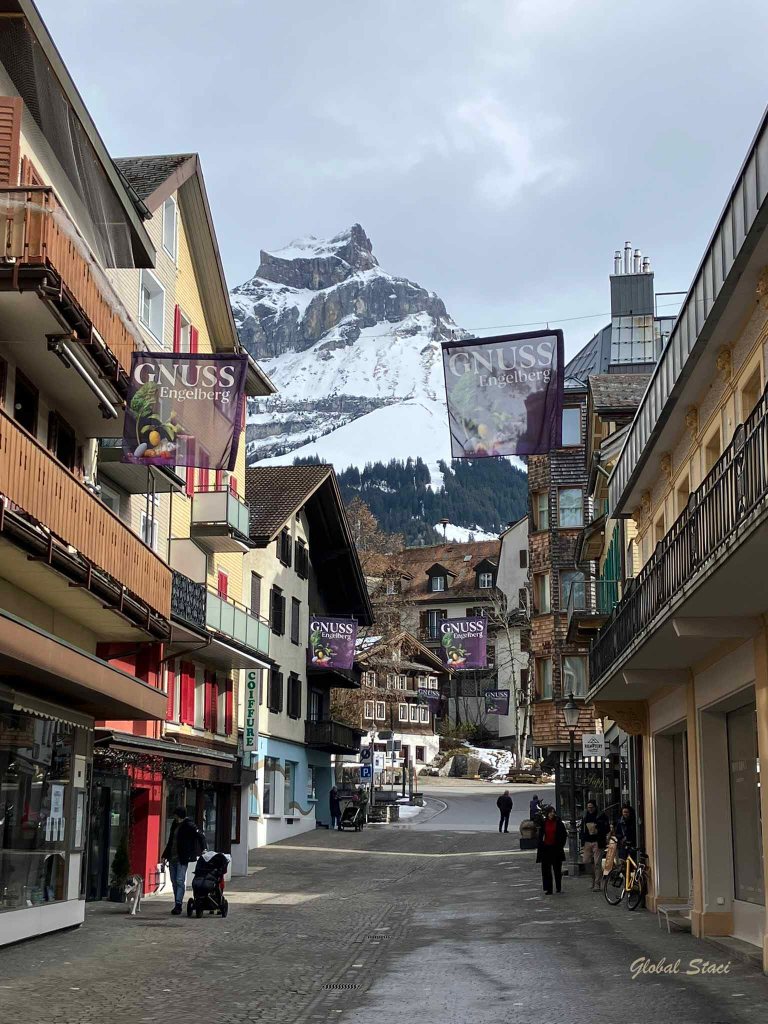
If you choose to go to Engelberg, which means Angel’s Mountain, I recommend you opt to go to the top of Mount Titlis, rather than simply exploring the town, which is what we did. Much of what there is to see in Engelberg either doesn’t open until 2pm, isn’t open at all on certain days of the week.
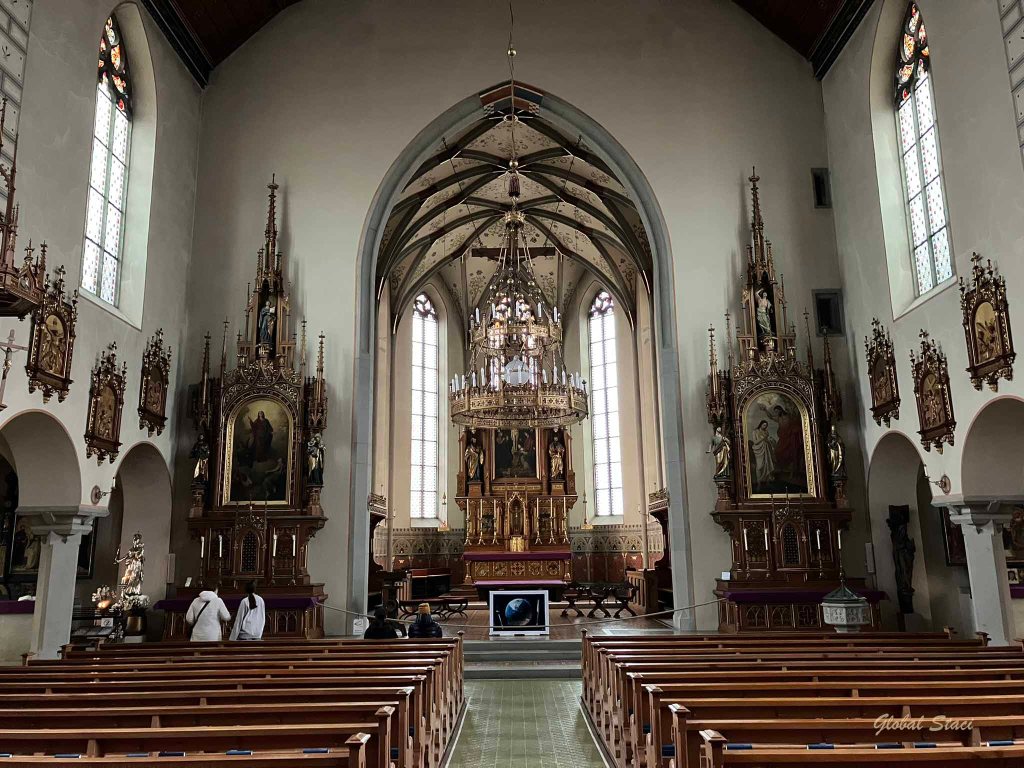
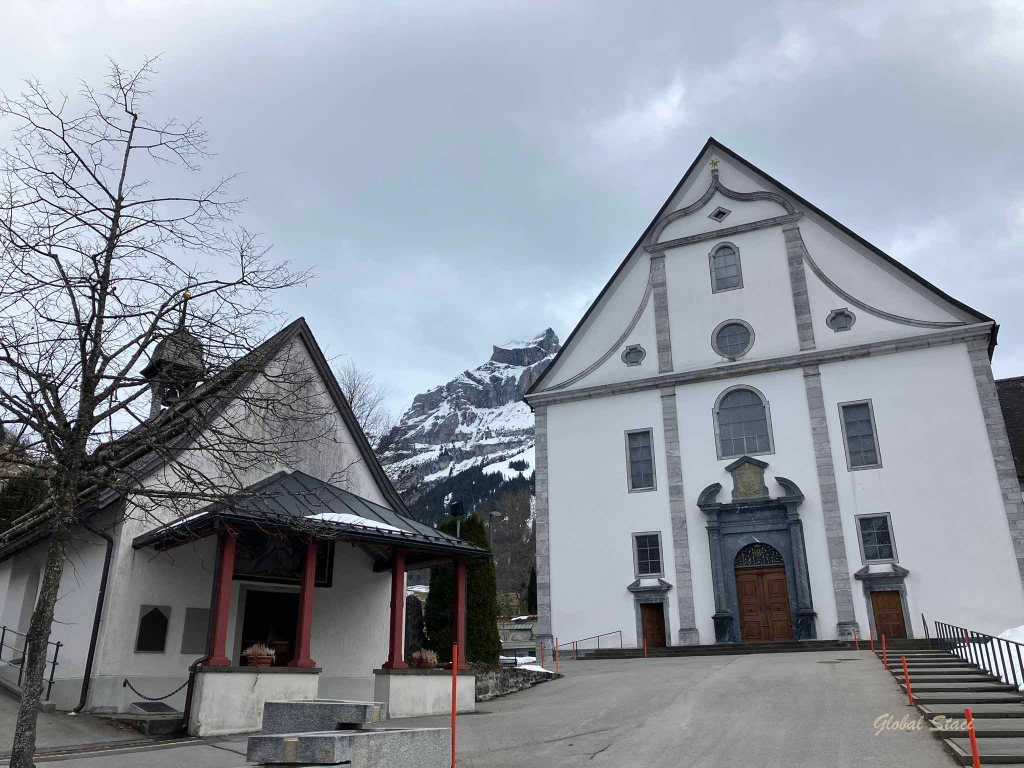
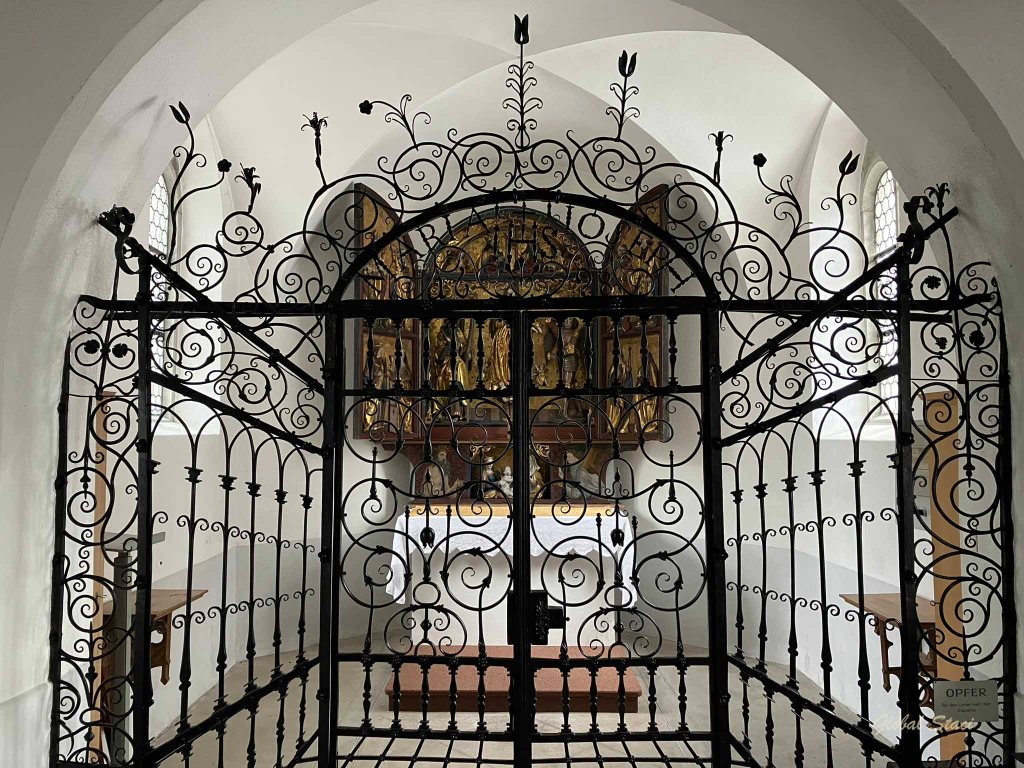
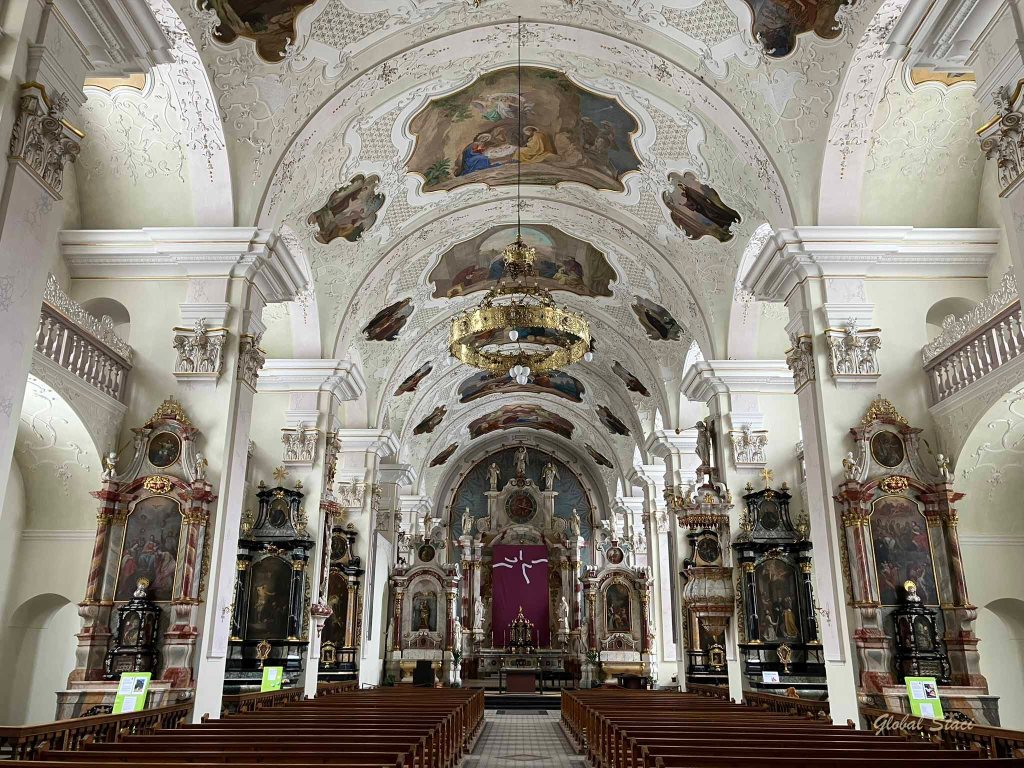
The biggest draw, the Benedictine Monastery only offers tour and is open limited hours. We were able to enter the church of the monastery, founded in 1120, and saw Switzerland’s largest pipe organ. If you are hungry, I recommend eating in the monastery’s cafe, which is also its famous cheese shop with locally made specialties.
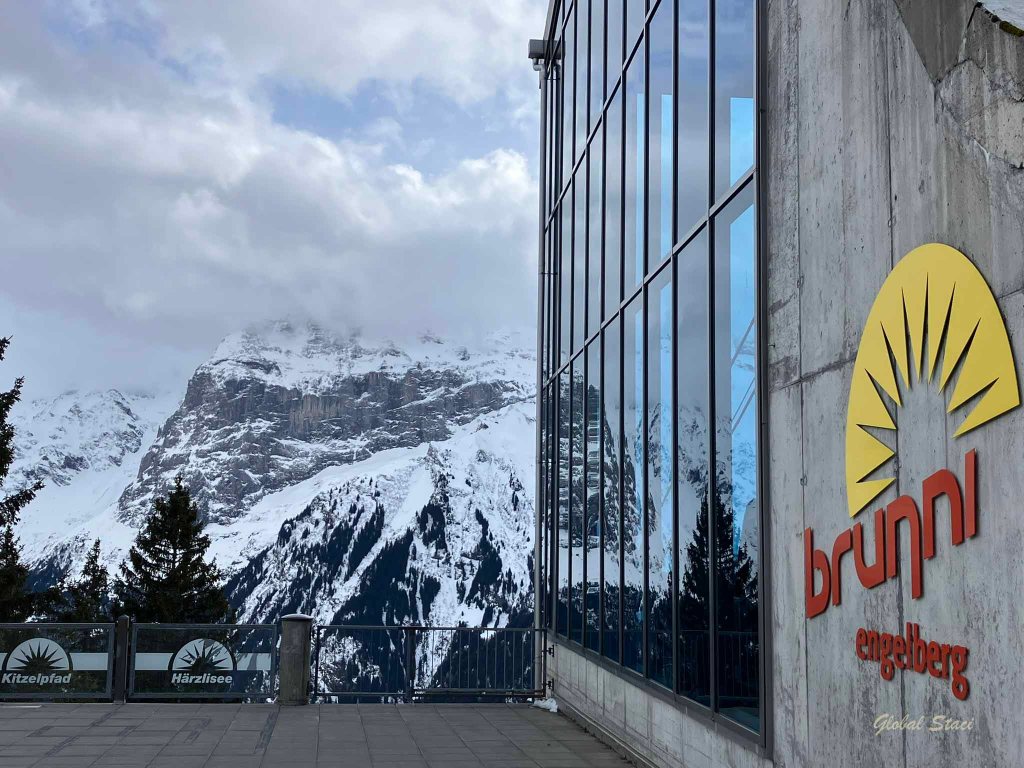
We took the cable car to Brunni and enjoyed the panoramic views of the surrounding mountains.
INTERLAKEN, GRINDELWALD & LAUTERBRUNNEN
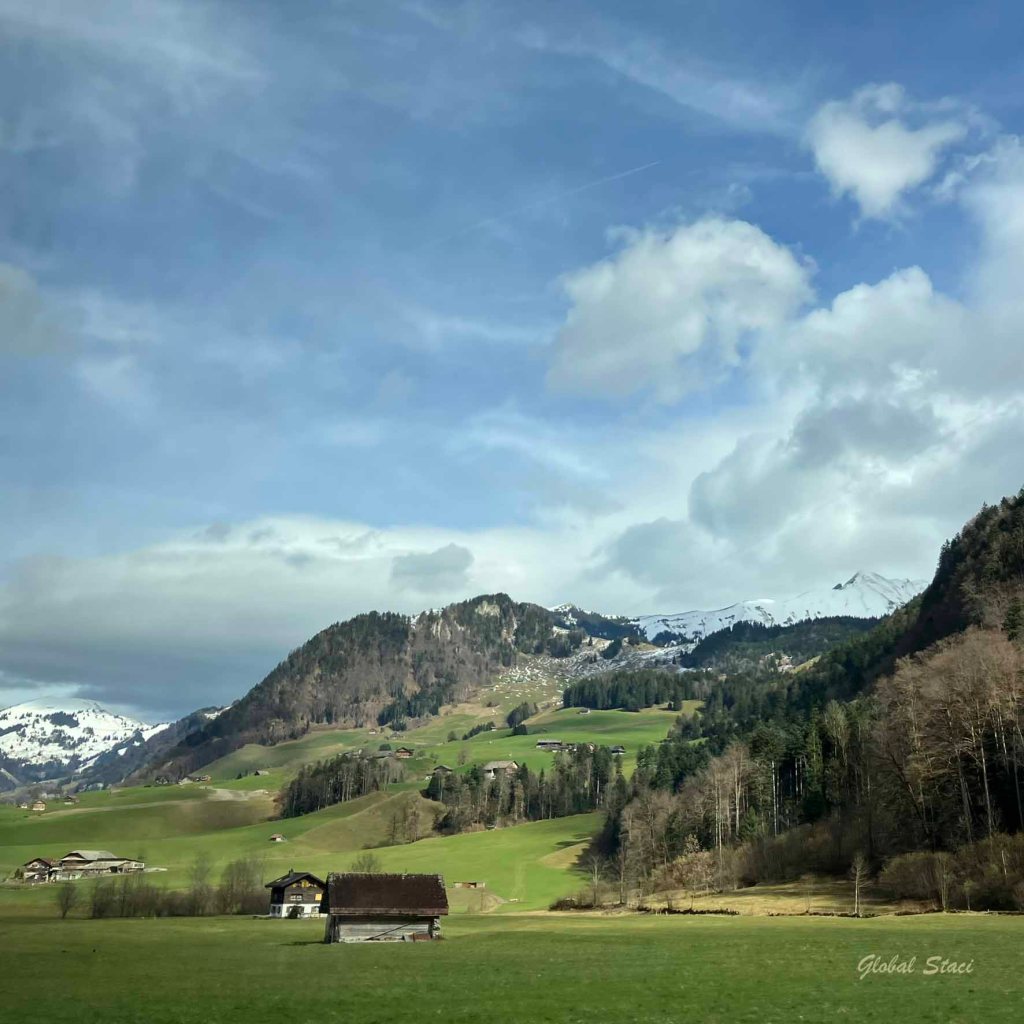
Don’t miss admiring Brienz, a beautiful village on a blue alpine lake on the way to Interlaken. The drive through the countryside of the idyllic Bernese Oberland and the magnificent Jungfrau mountain region is spectacular. If you are on a bus tour you have the good fortune of looking out the window.
Our time in Interlaken, was also only too brief. Just enough time to stretch our legs, take a bathroom break a hot chocolate at Swiss Chocolate Chalet.
[PRO TIP: Use the facilities at the Victoria-Jungfrau Grand Hotel & Spa, a five-star landmark on Höheweg, the main drag. The exterior and interior are evocative of classic Belle Époque luxury.]
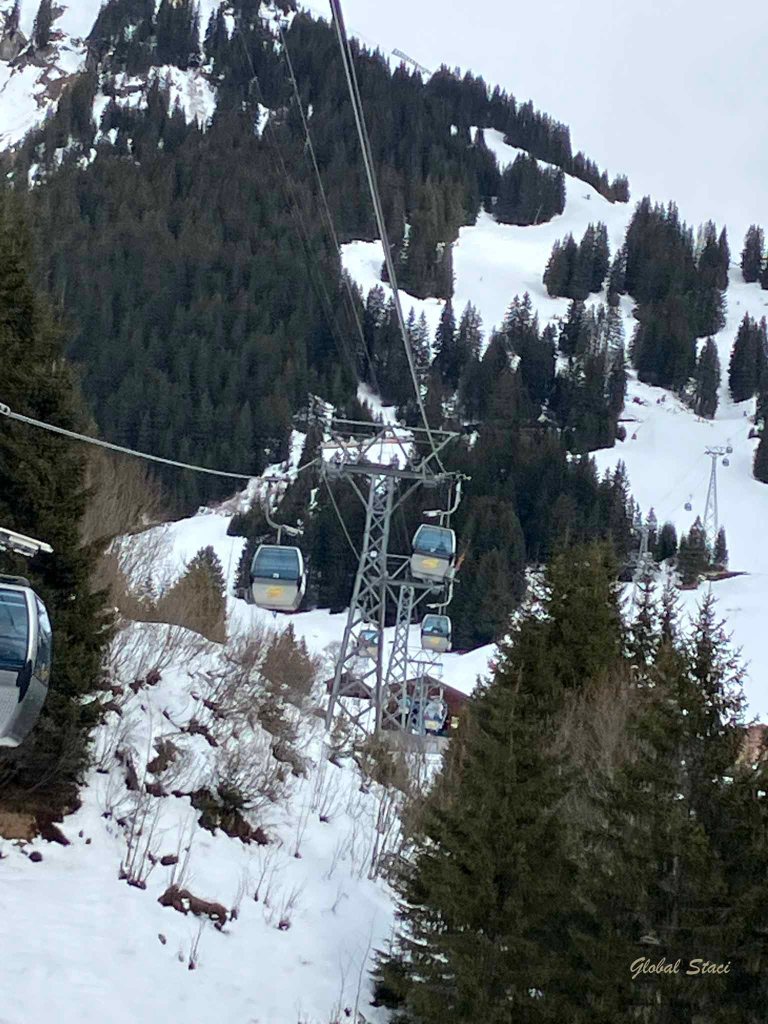
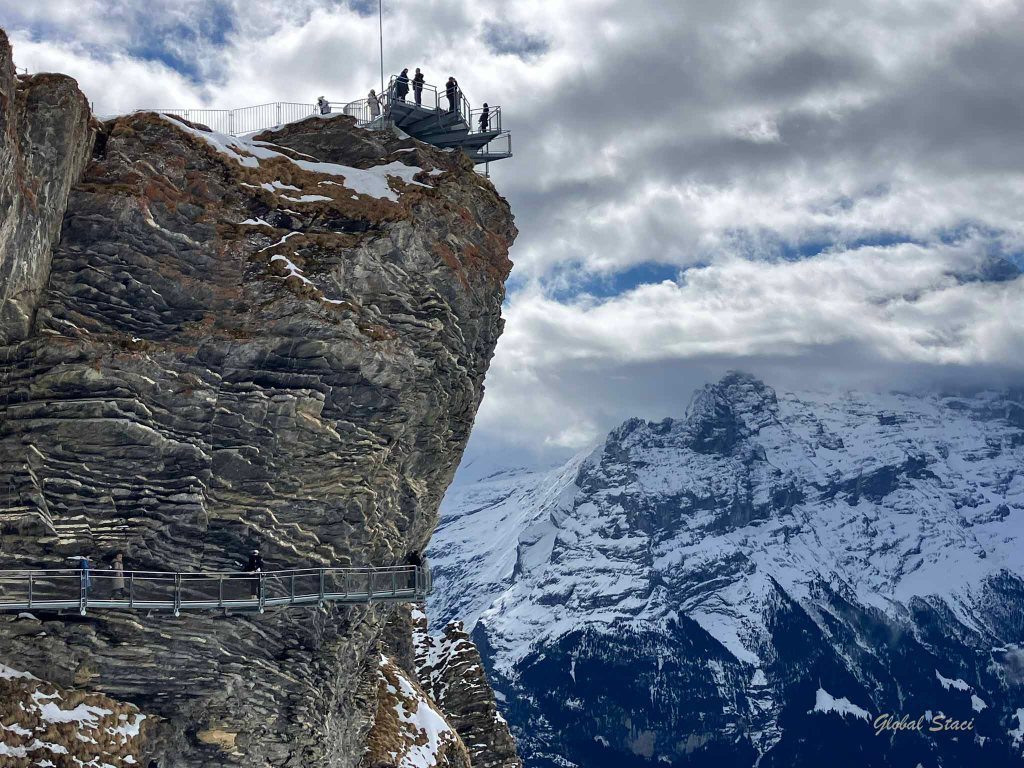
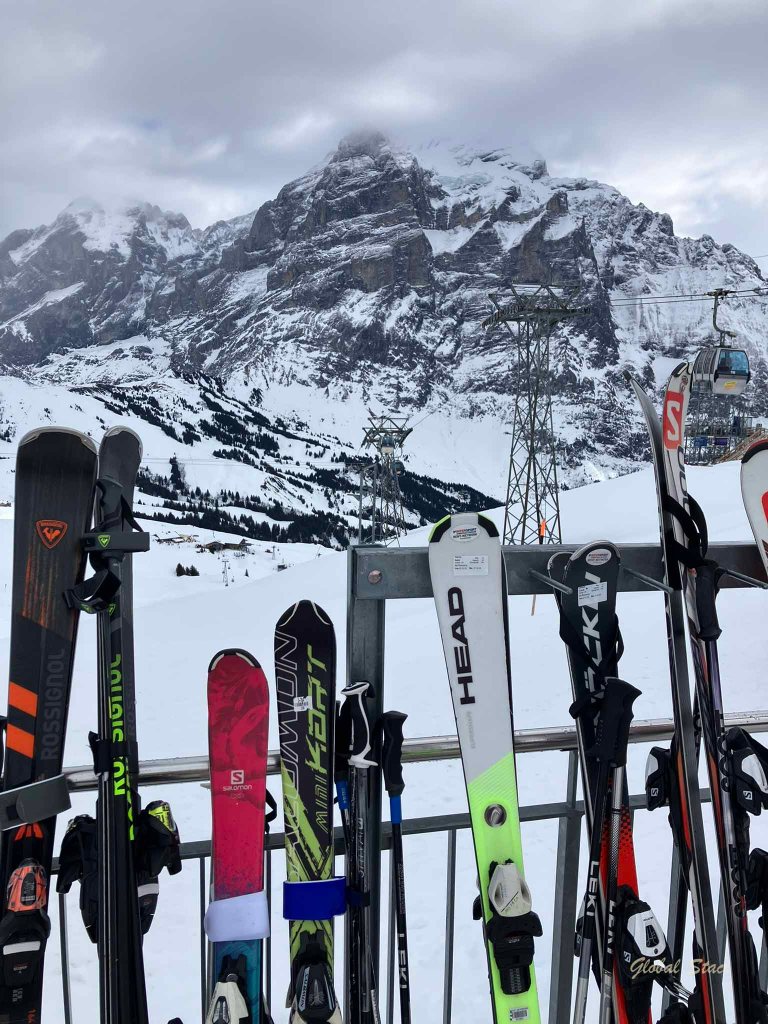
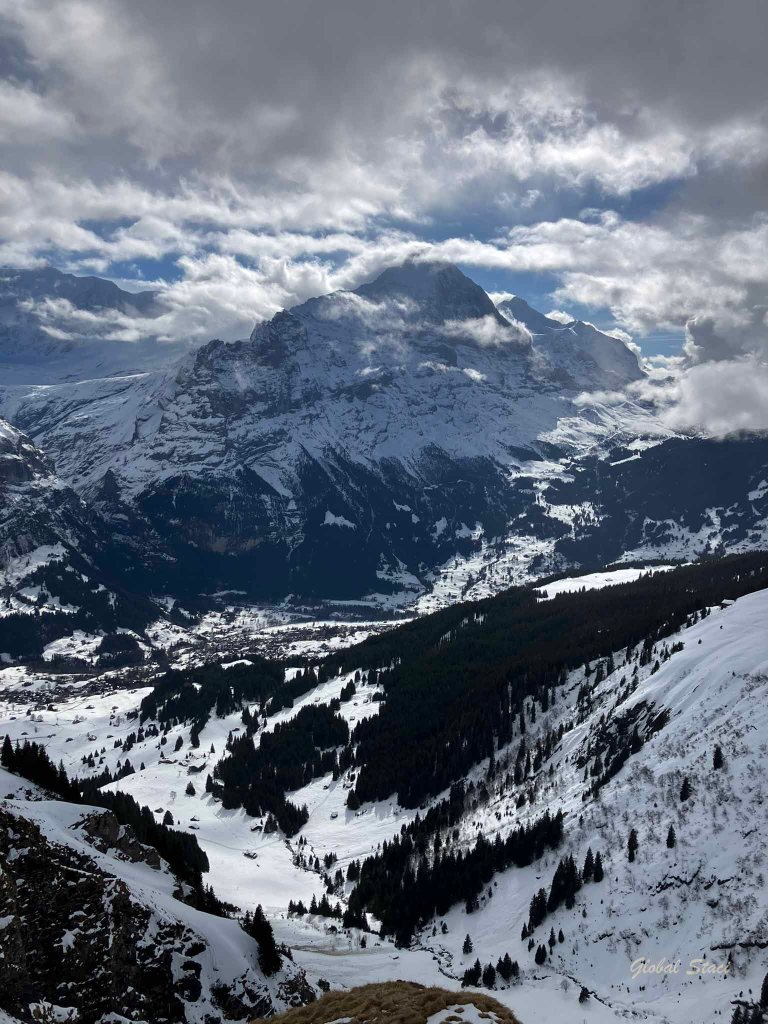
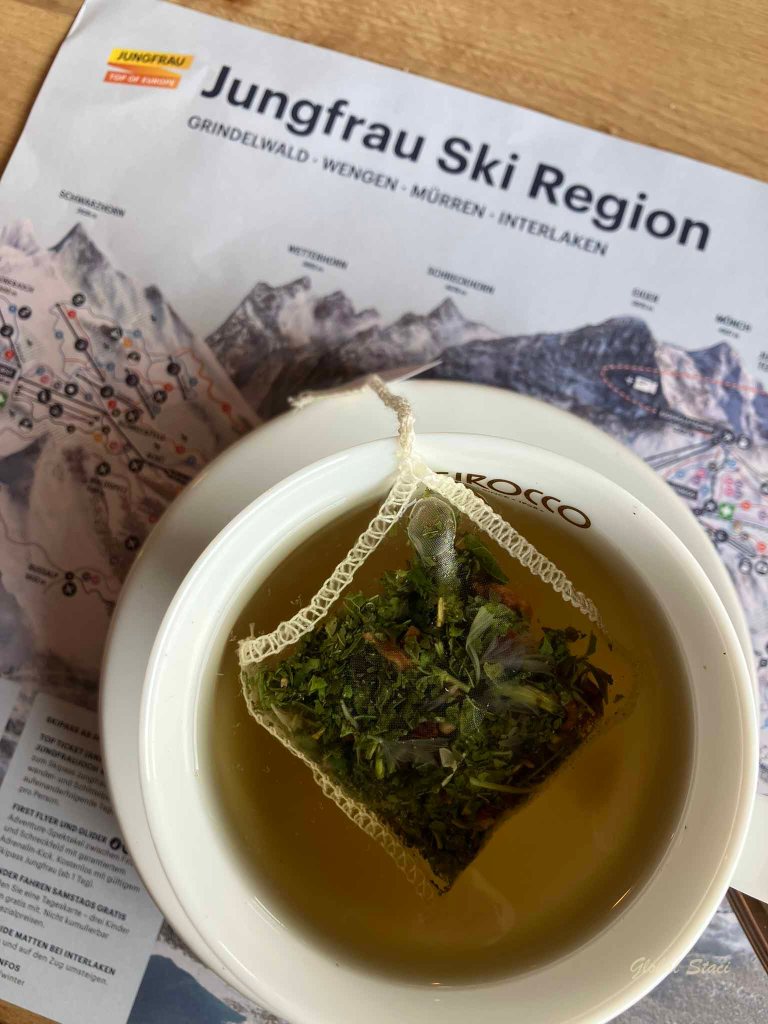
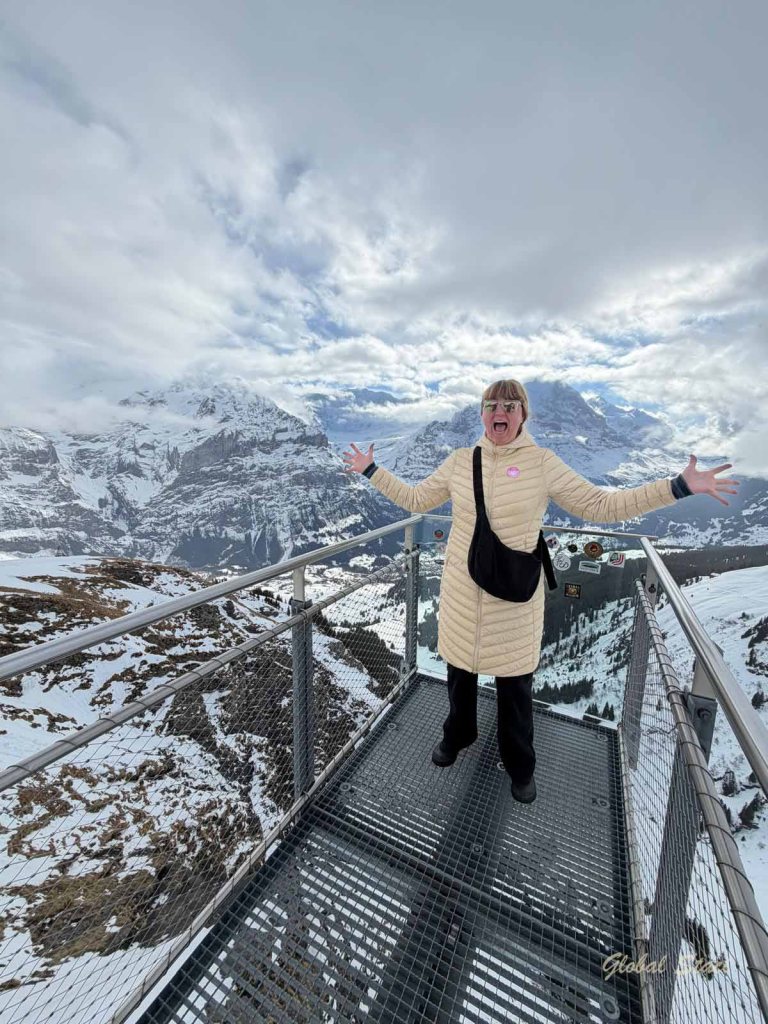
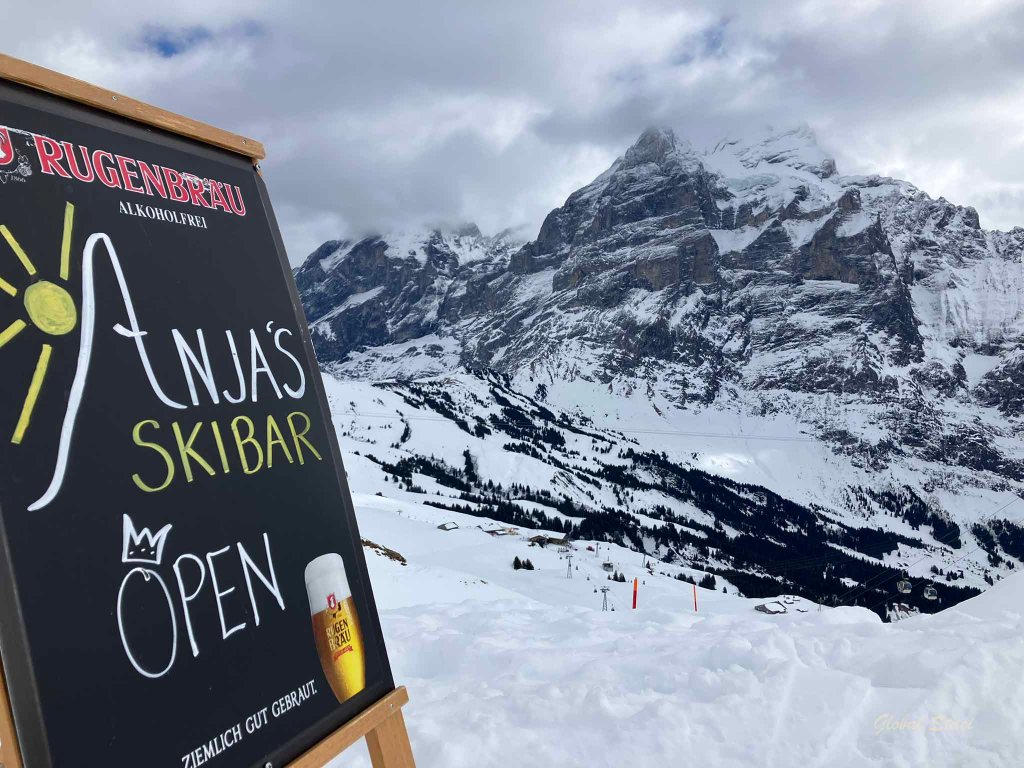
On to Grindelwald. Also known as Glacier Village this might have been my favorite stop of all the bus tours. The village feels like a true alpine ski town. A ride on the aerial cableway led us to Mt. First. My friend conquered the First Cliff Walk, a 40-meter suspension bridge the hugs the mountain, via-feratta style. After a delicious sit-down meal at Bergrestaurant First, and feeling braver, I walked the First View platform. There are many vantage points on the summit that offer impressive views of the triple peaks of the Eiger, Mönch, and Jungfrau. There are many more shops to enjoy in town before heading out.
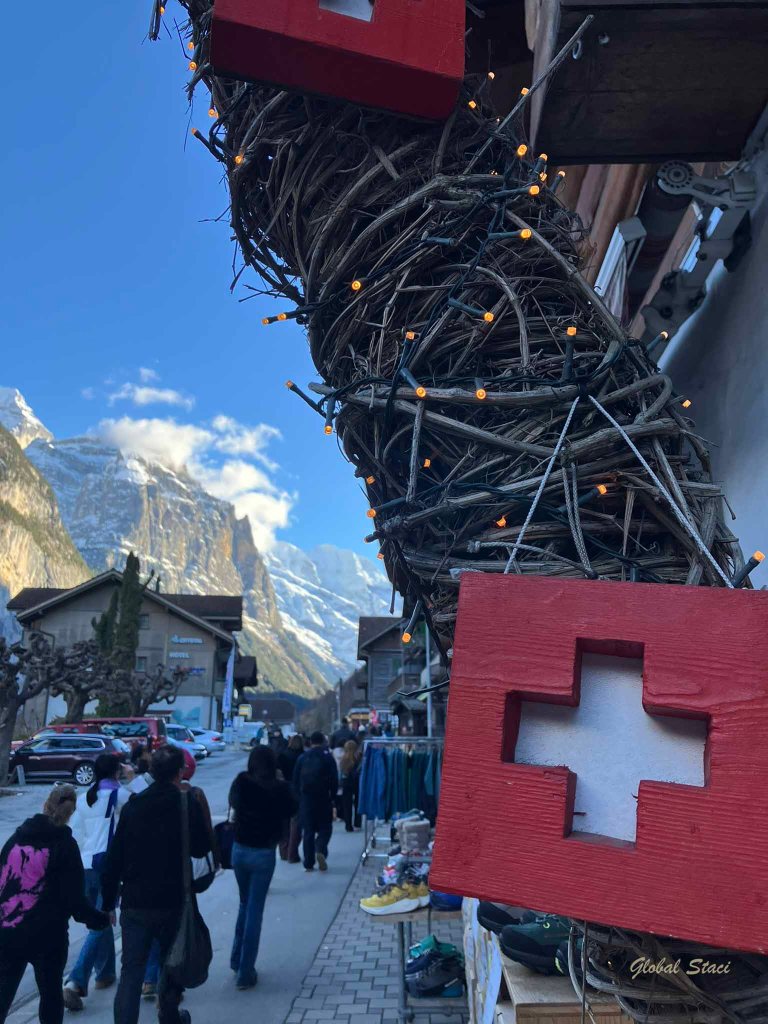
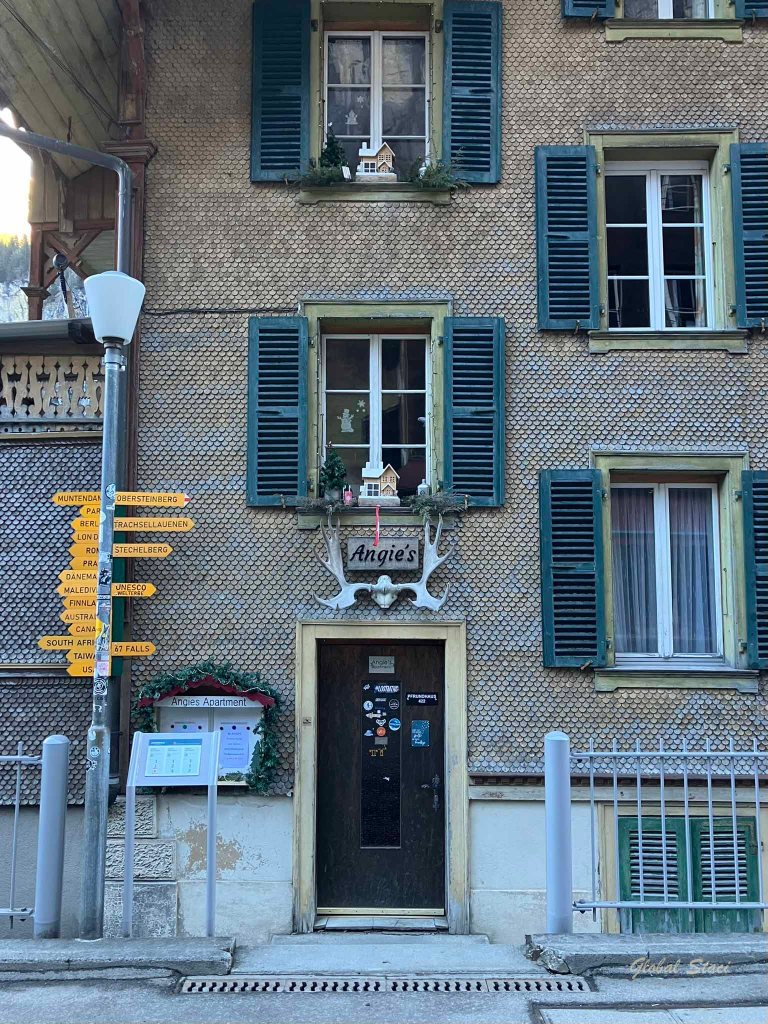
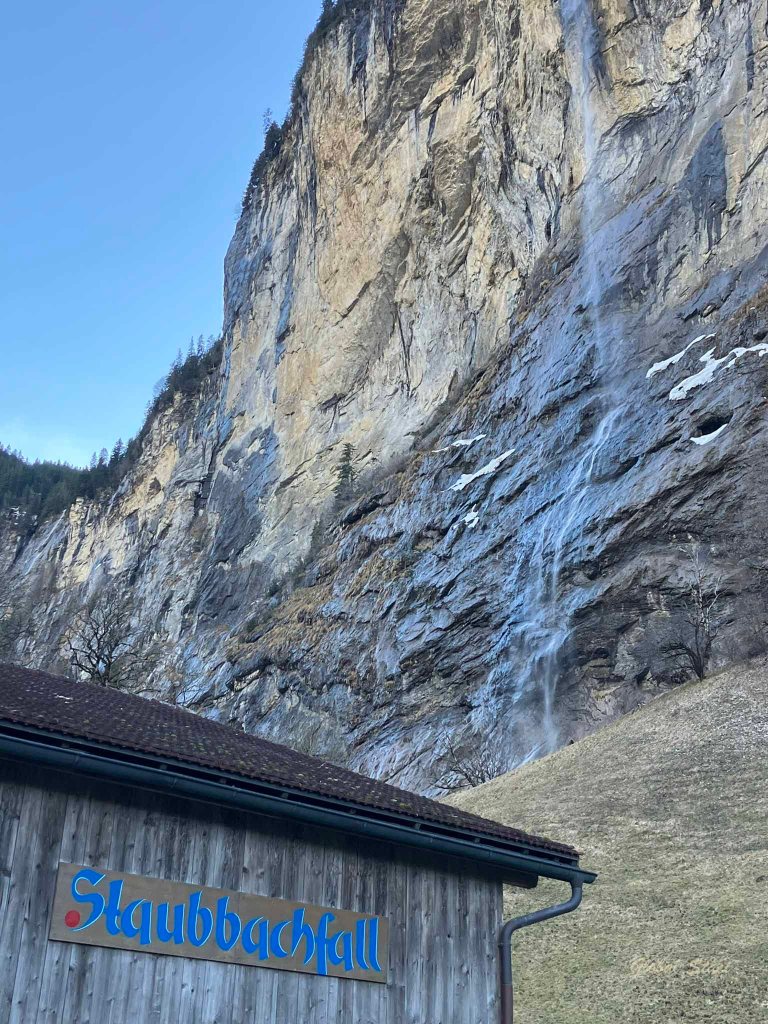
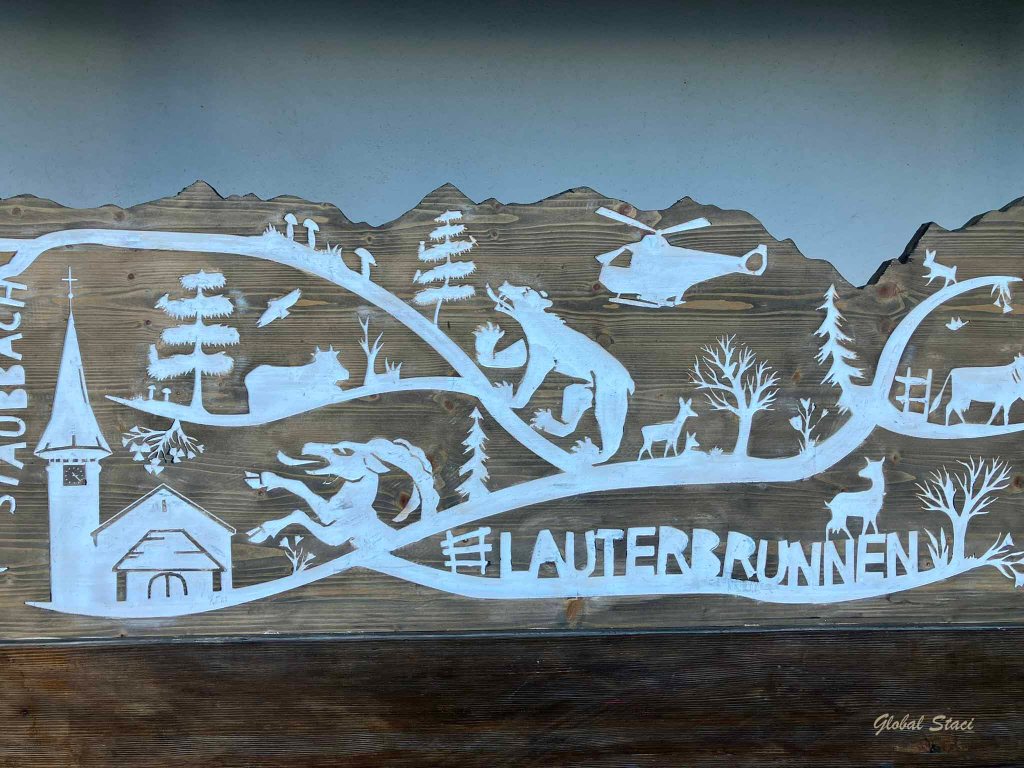
Final stop, Valley Lauterbrunnen, which inspired literary legends Goethe and Lord of the Rings author J.R.R. Tolken’s fictional Elven refuge, Rivendell. Tucked between sheer cliffs and cascading waterfalls, 72 in fact, this tiny Swiss village seems like a good jumping off point to bike and explore the countryside. We spied the iconic Staubbach Falls, Switzerland’s third-highest waterfall.


Pingback: A brief stop in Vaduz, Liechtenstein
Pingback: One Night in Bangkok...