Founded in 1296, Chiang Mai was the northern capital of the ancient Lanna Kingdom, succeeding Chiang Rai. While the city itself sits among spectacular mountains, the old city center is still surrounded by ancient walls and their gates, perhaps the most important landmarks of all its historical remains. From the air you can see, the walls form a perfect square. The city is a fluid mix of ancient and modern, charm and grit.
[PRO TIP: Hailing a taxi isn’t really a thing in Chiang Mai. I recommend you use Grab if you need a car. You won’t see tuk tuks here although Thailand does have songthaews, covered open bed trucks you hop in the back of for a fee.]
Where to Stay
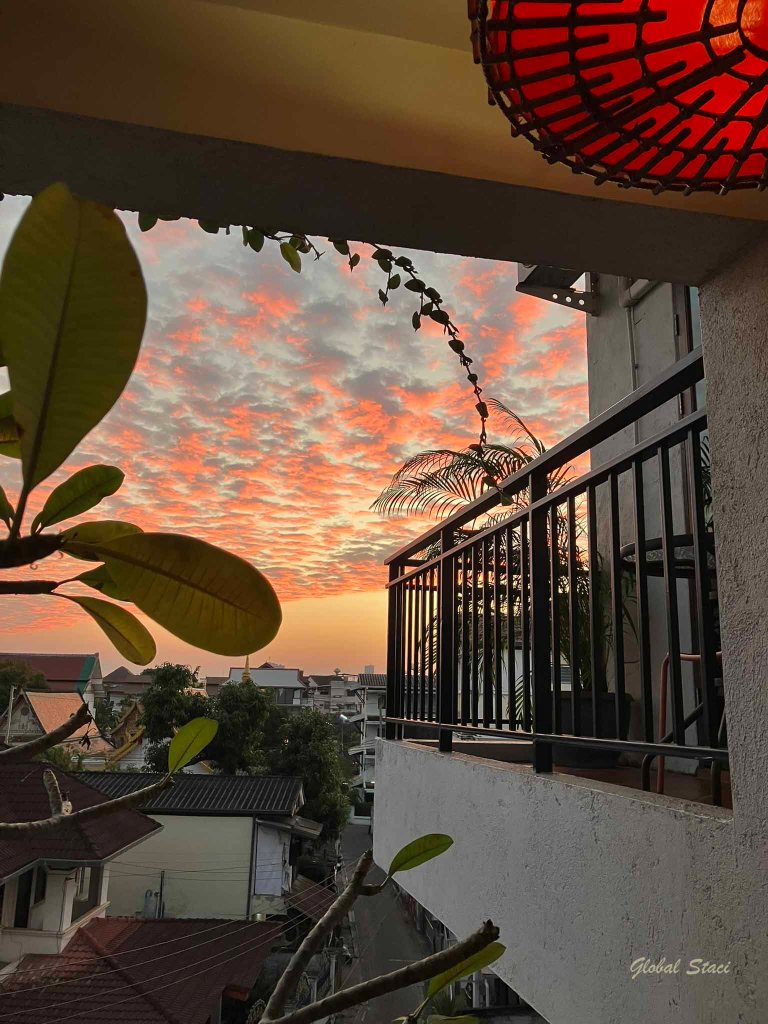
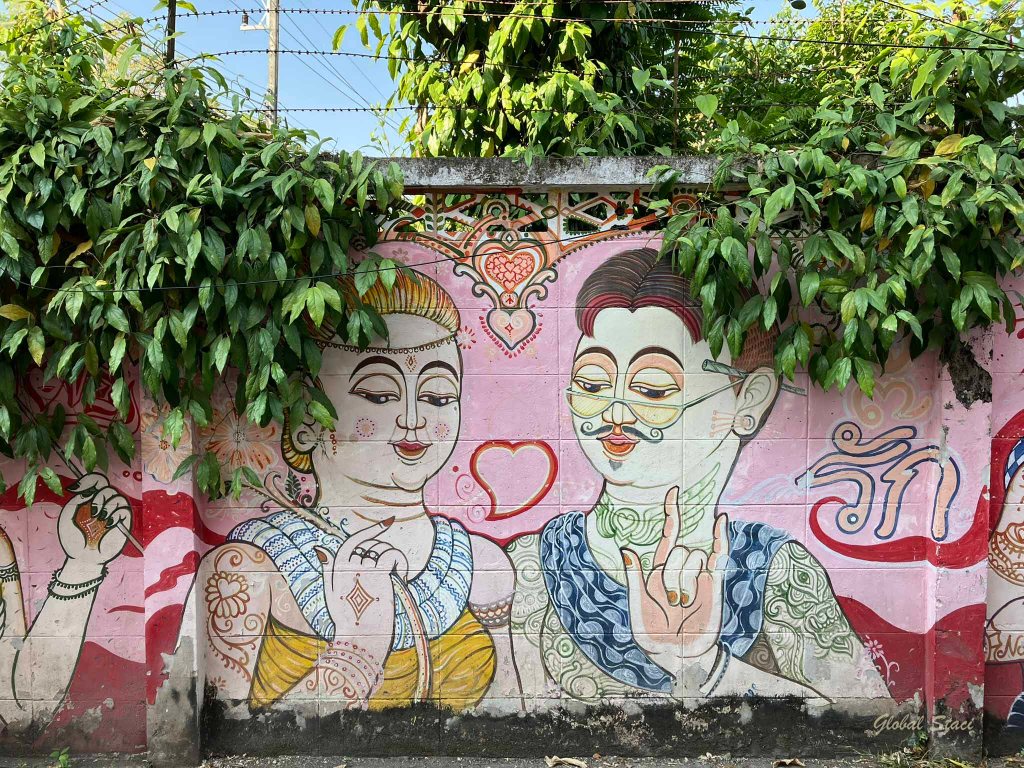
This was my second visit to Chaing Mai, and I chose to stay in the same hotel, ten years later, Green Tiger House. For me, it’s still the best. It’s location just inside the wall at the Chang Phuak Gate allows you to meander among alleys and small streets in the oldest part of the city or exit the city gate to the larger outside world of a bustling city on the Ping River.
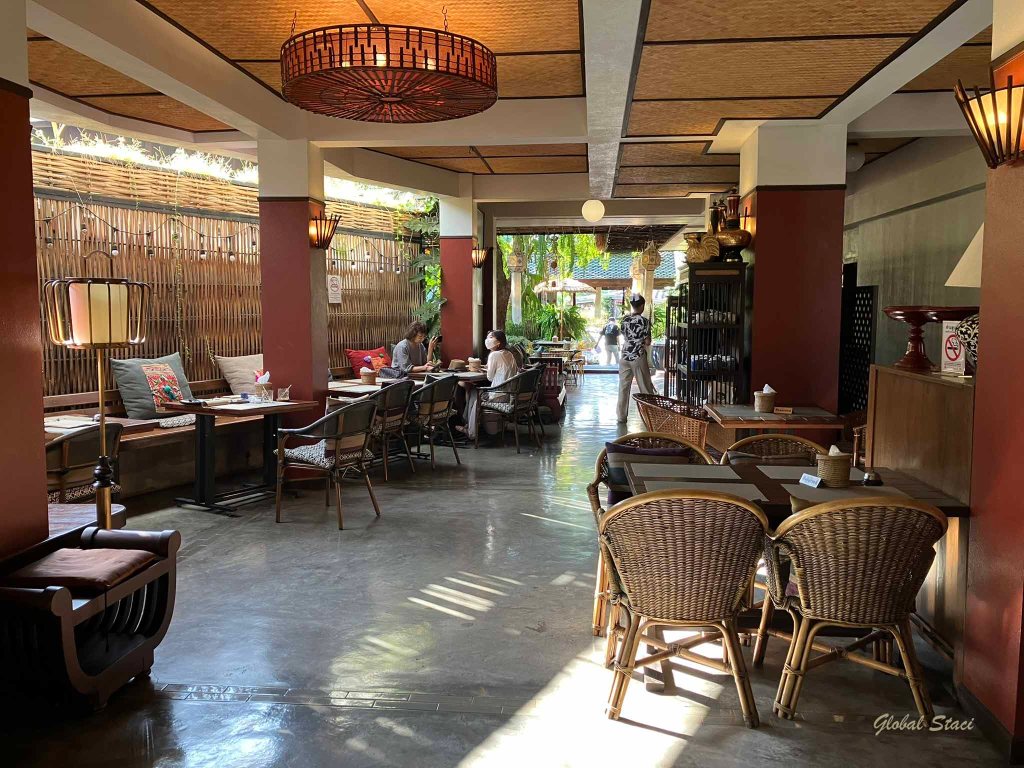
The hotel is small, clean, family-owned and lively; it was fully booked when I was there in February. You will feel hipster cool here. It boasts a small plunge pool and fabulous full-service bar and restaurant that serves an entirely plant-based menu. Trust me. You will NOT miss the meat. Food is homecooked, mostly organic, locally sourced and absolutely delicious.
[PRO TIP: Coming from Laos, Chiang Mai was the perfect place to land and meet a few of my teammates before our Global Builders build in Lampang, Thailand. Our host coordinator helped me to arrange a private transfer in a minivan for seven of us, a relatively short and inexpensive transfer to Lampang.]
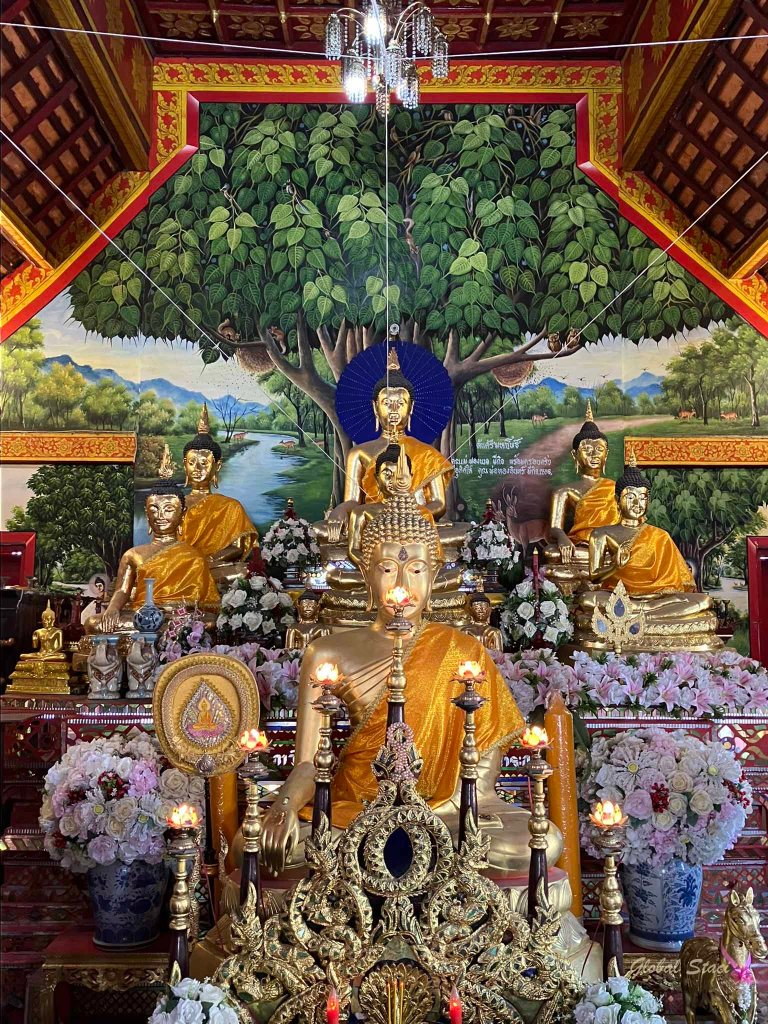
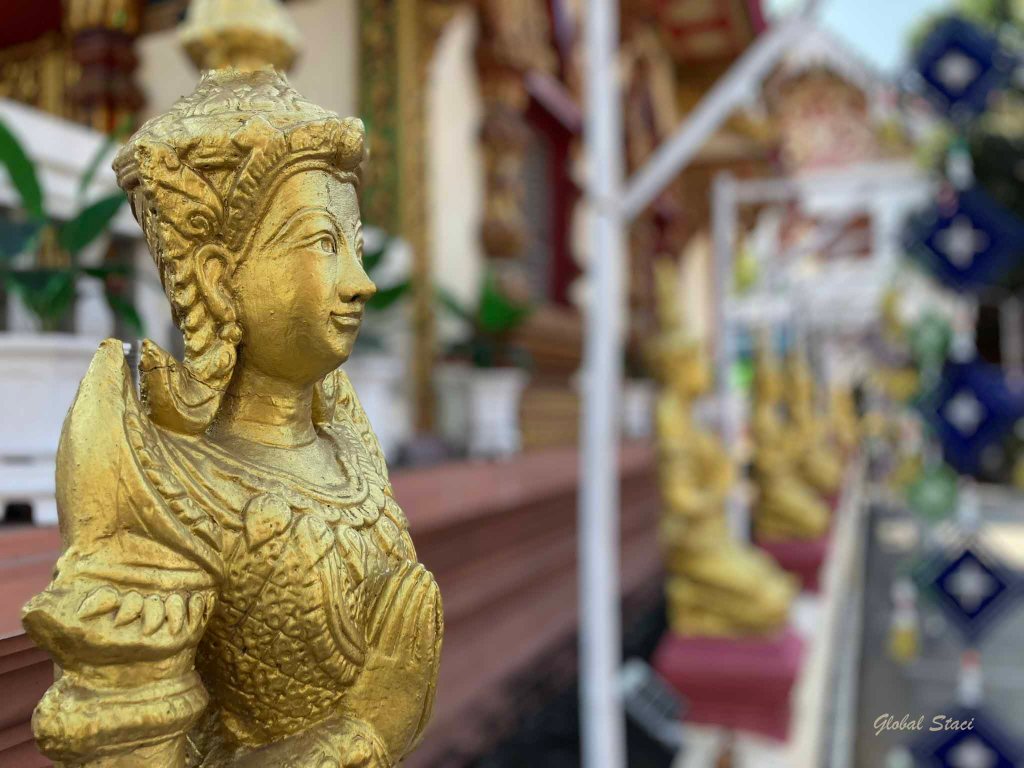
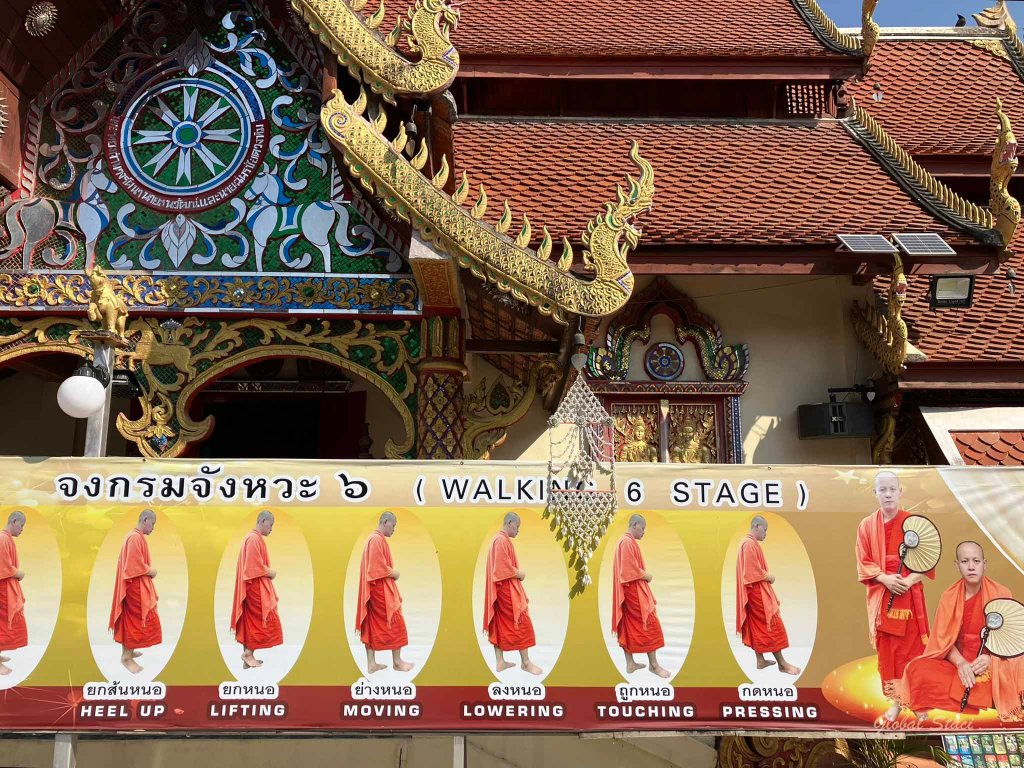
Wat Khuan Khama, also known as the Golden Horse Temple, for its many intricately carved horse statues is a stone’s throw from Green Tiger. At least 500 years old, it’s a peaceful place to ponder. Inside the temple a surprise awaits.
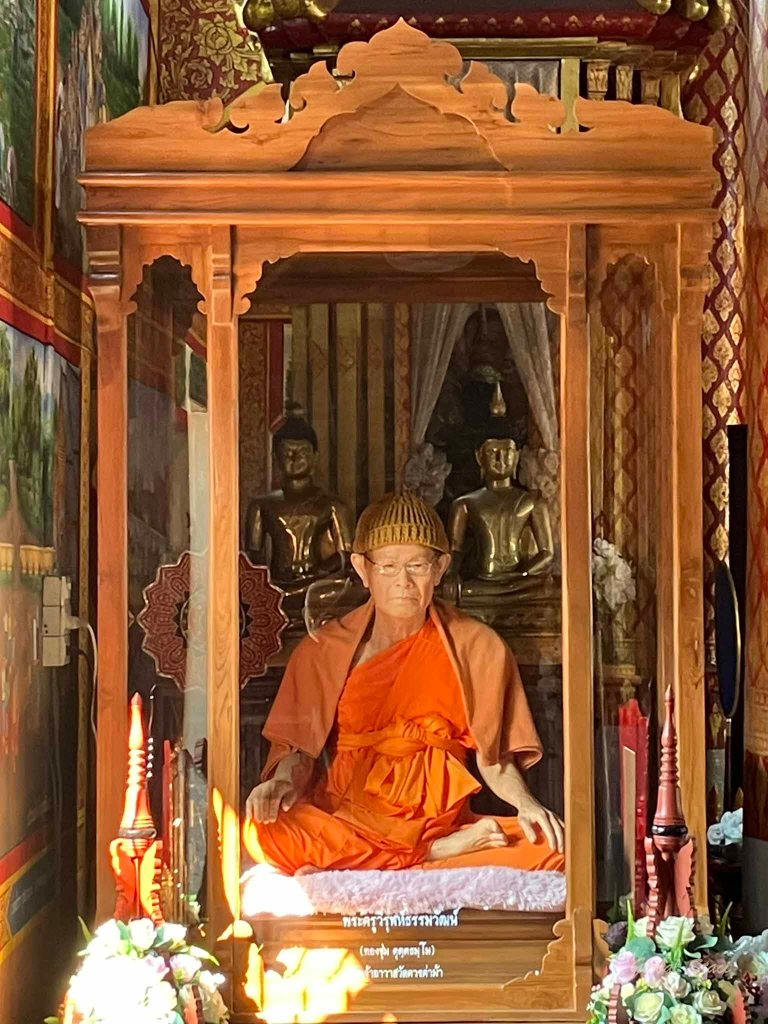
The tradition of placing wax monks in Thai temples is common throughout the country. The wax sculptures symbolize monastic life and the monks’ dedication to spiritual practice. They also serve to create a sense of curiosity among visitors, of which I can attest. Shockingly lifelike, the one displayed at Wat Khuan Khama looked so real, I stood in front of him for several minutes to see if I could see him breathing!
Apparently, there is a Venerable Monks Wax Museum in Bangkok. Had I known before doing research for this post I surly would have paid a visit.
Just outside the city gate near the hotel is the much-loved North Gate Jazz Coop. It’s open seven days a week from 7pm to 1am. Arrive up to an hour or more before opening. There will be music on several levels but it’s a small intimate space, and you may not get a seat if you show up closer to opening.
Where to See Elephants
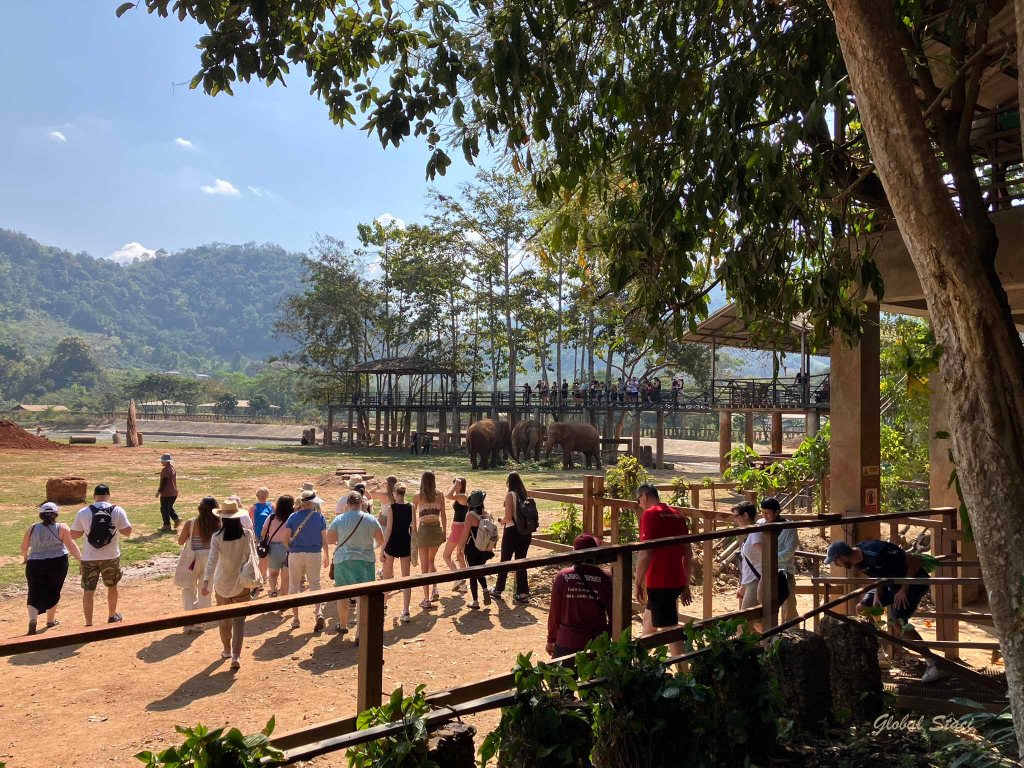
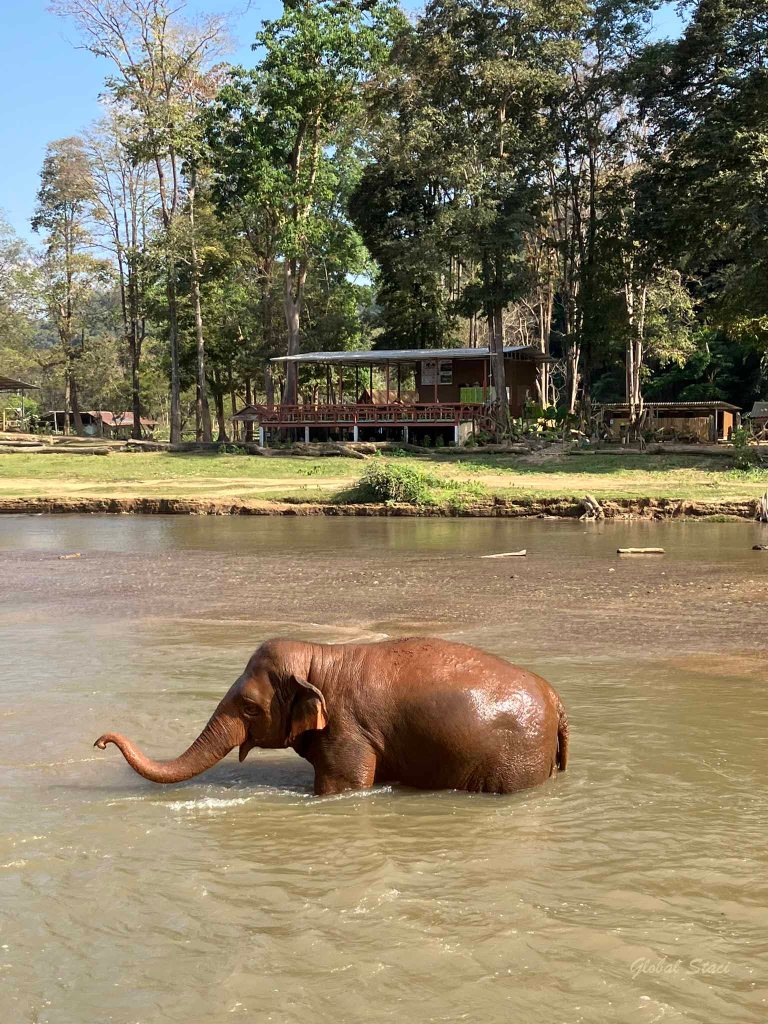
Upon a friend’s recommendation I chose to visit Elephant Nature Park. I pre-booked my half day experience online and opted to include hotel pickup and drop off.
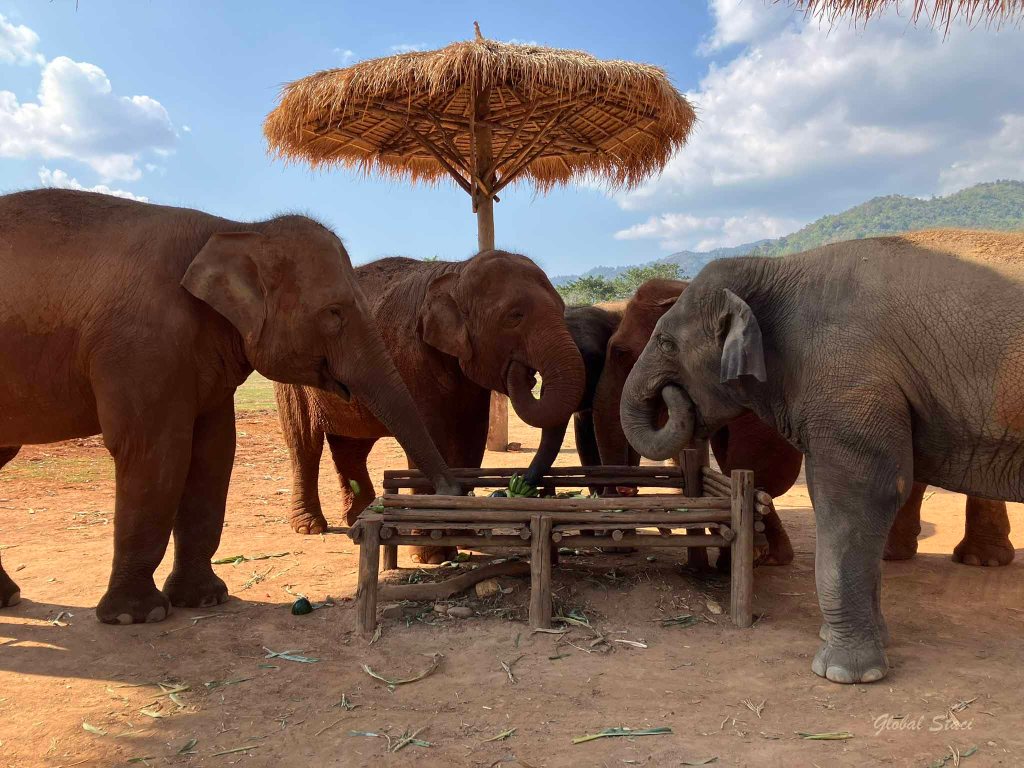
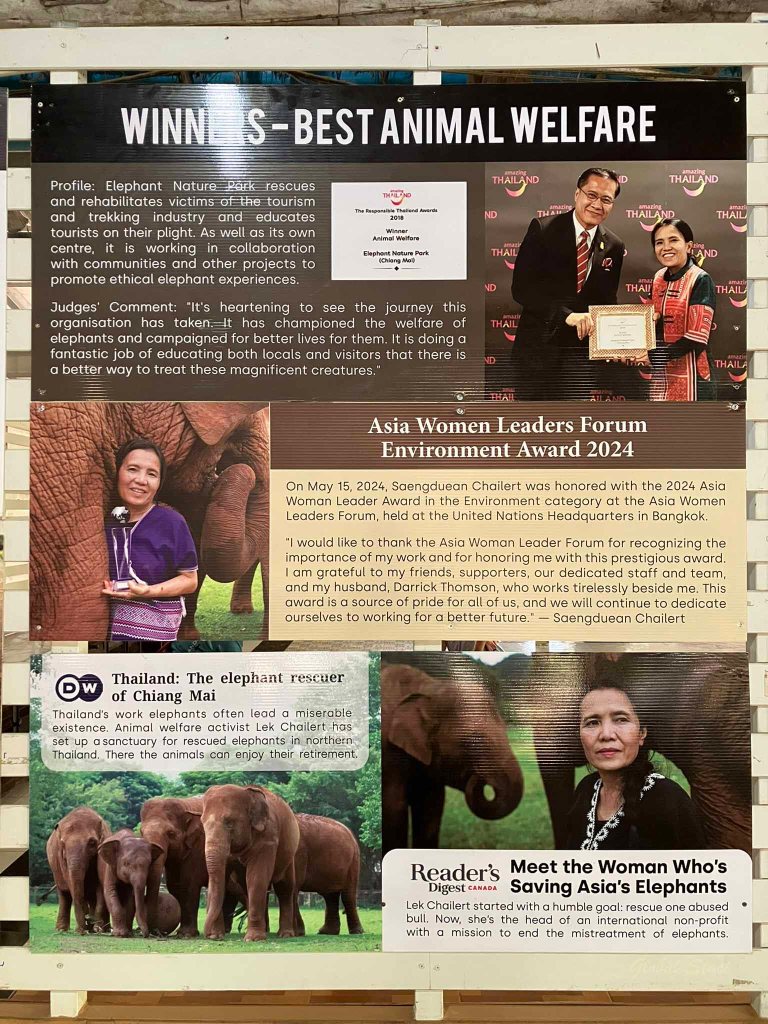
As the leading elephant rescue and rehabilitation center, established by the esteemed elephant rights advocate, Saengduean Chailert, known as Lek, it is the first of its kind in Asia. Think of Lek as the Jane Goodall of elephants. She is a model for caring for rescued elephants, many of whom have suffered physical and psychological injuries, are blind, crippled, orphaned or very old. Educational programs raise awareness and promote a harmonious relationship between humans and animals.
I learned the park also rescues dogs, cats, pigs and a cadre of other animals looking to spend the rest of their days in a compassionate home.
[PRO TIP: There are a lot of tour operators who do not practice ethical tourism, so be careful where you choose to see them.]
How to See Chaing Rai
I wanted to see some of the famous temple in the Chiang Rai area. There are several ways to do this. My time was short and my online research led me to determine that booking a bus tour was the most efficient and economical way to do it. I chose this tour on GetYourGuide, which departed early in the morning from the Three Kings Monument, which was easy to find and a short walk from Green Tiger.
[PRO TIP: Buddhist temple etiquette requires you to dress modestly; ladies cover their legs and shoulders, and everyone removes their shoes. Never touch anyone’s head; it is sacred. Sit cross-legged or with your feet tucked behind you as feet are the lowest part of the body and it is unacceptable to point them at any statue, shrine or monk. Be respectful and keep your voice low.]
THE WHITE TEMPLE
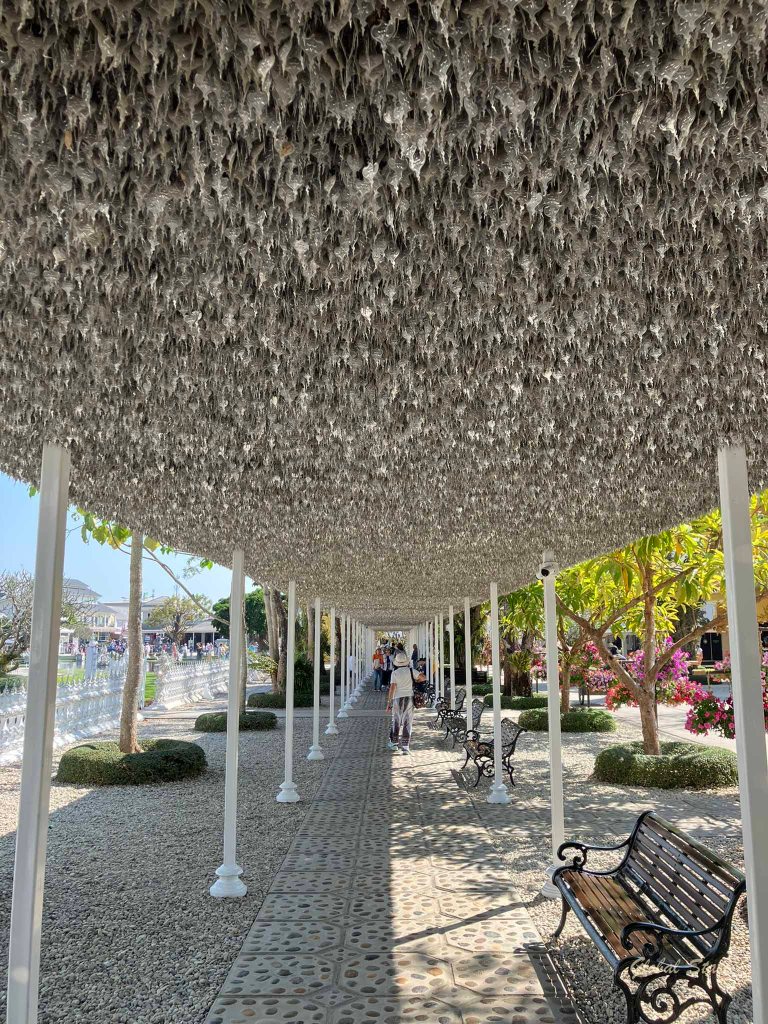
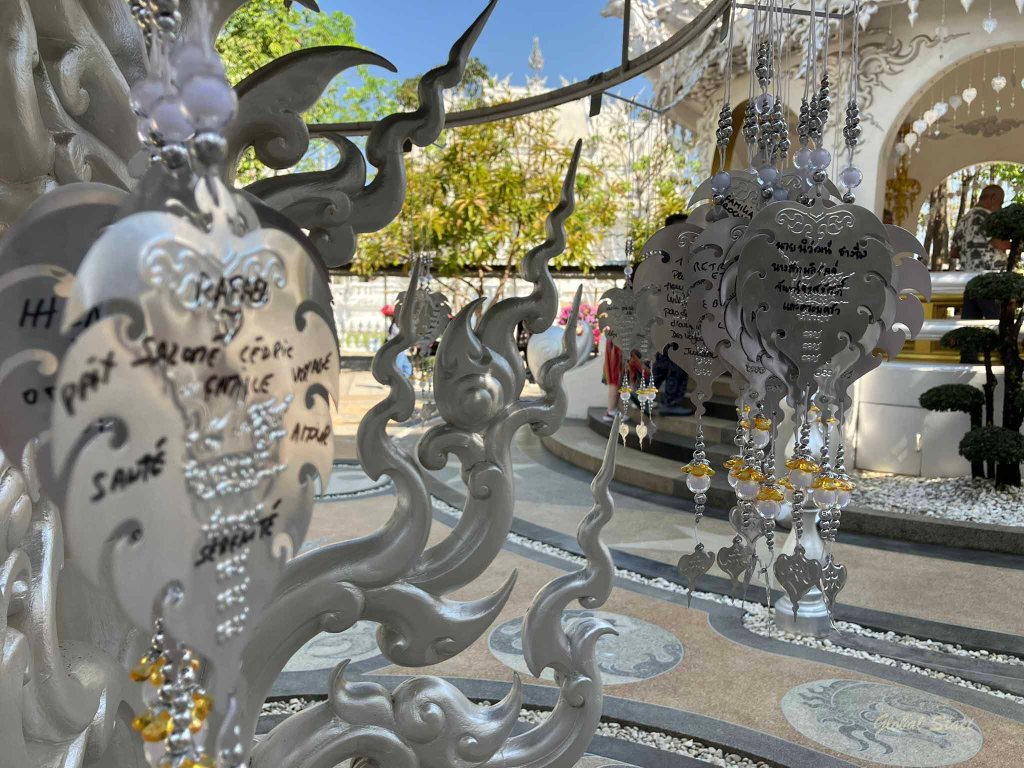
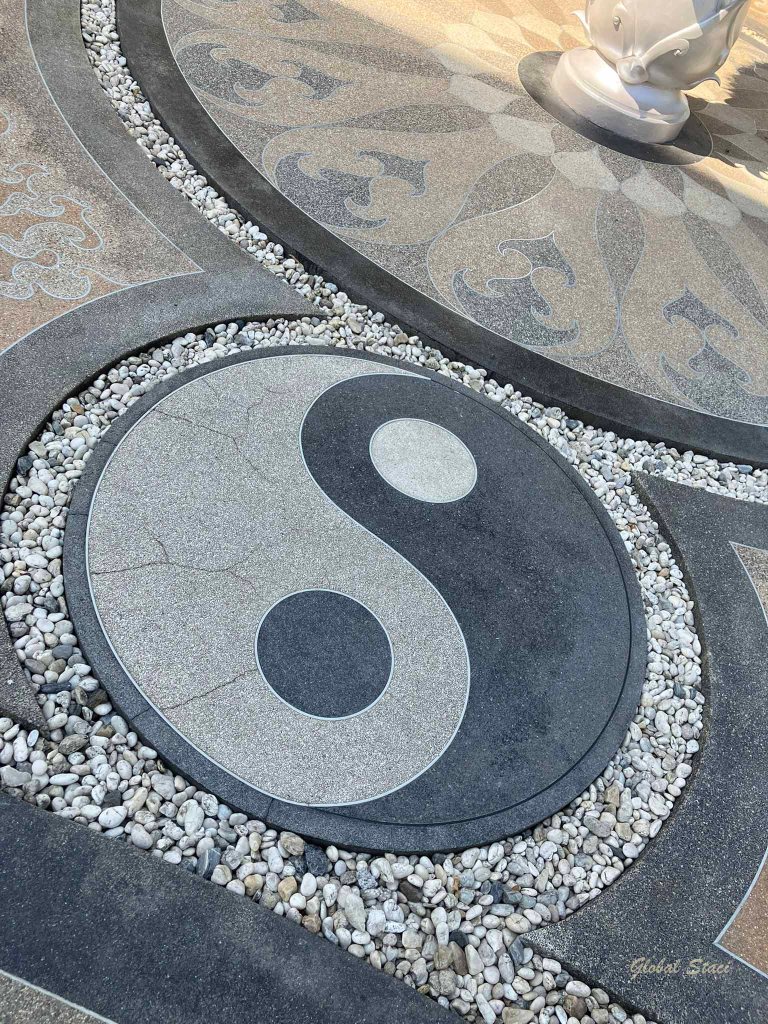
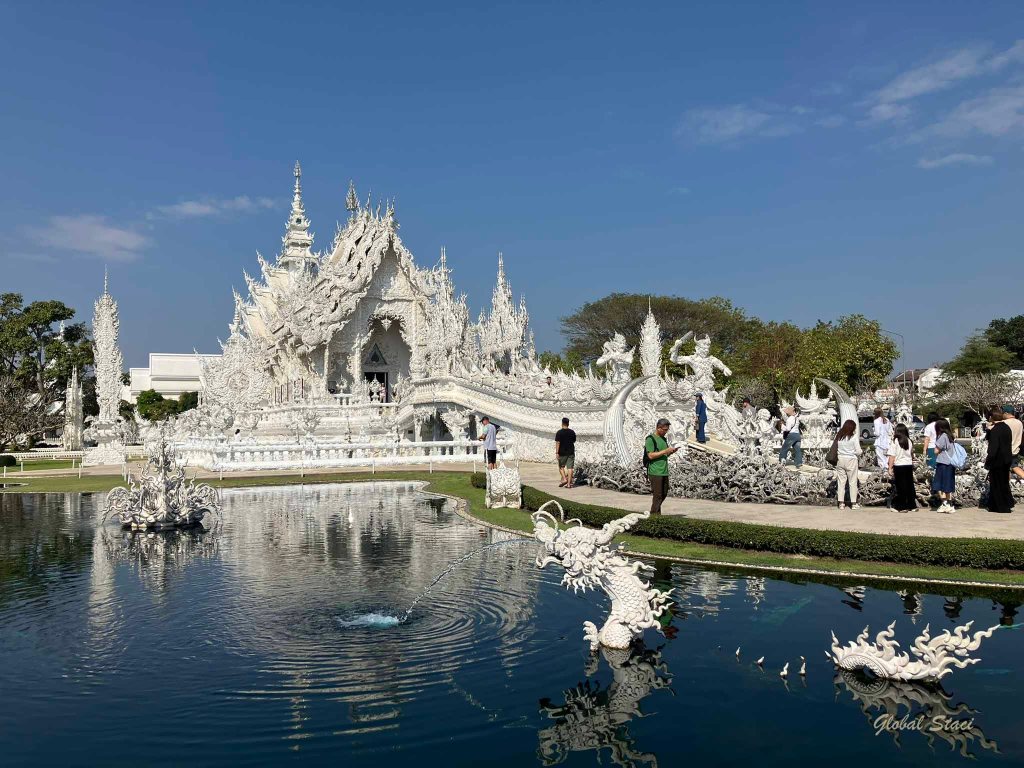
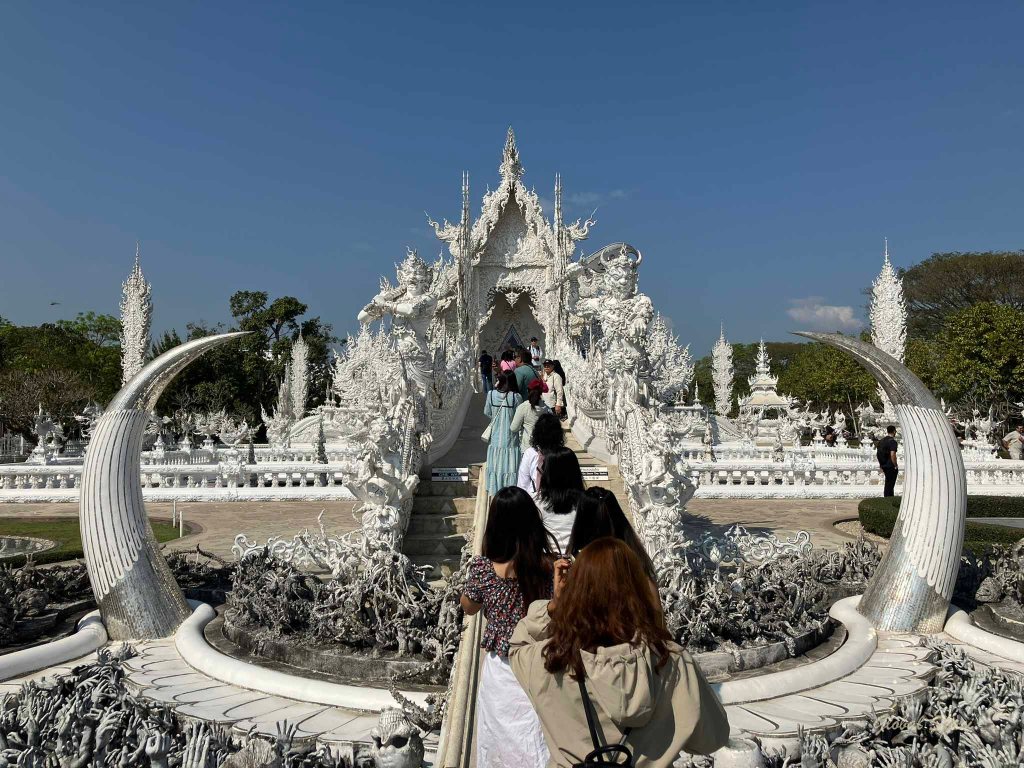
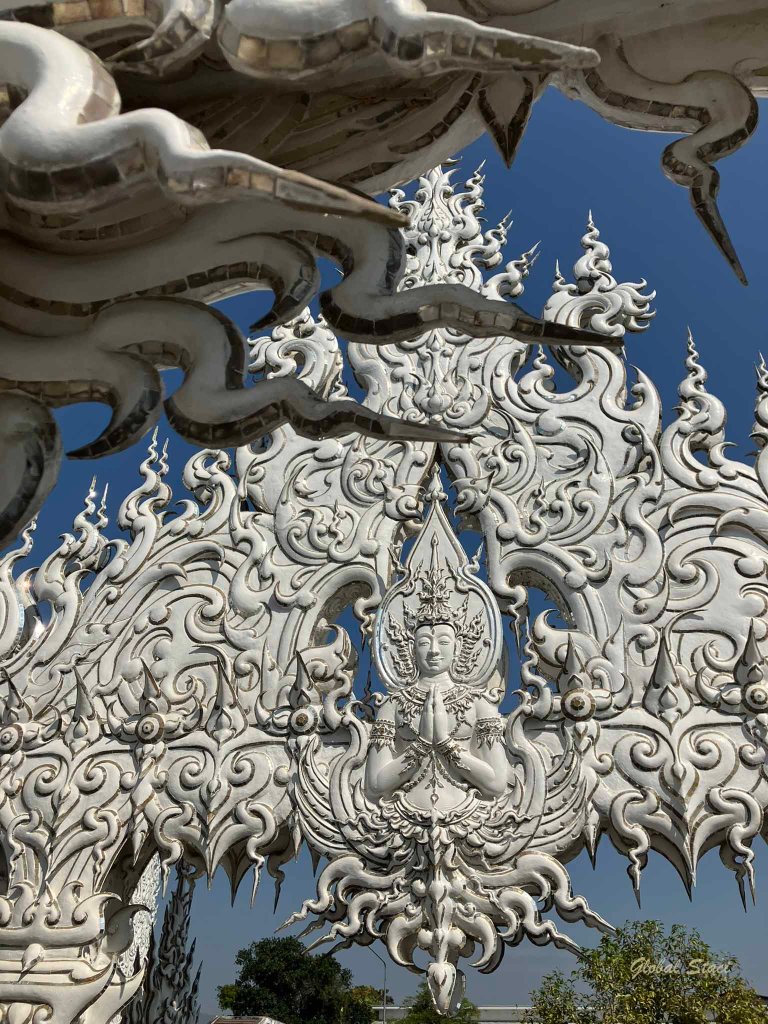
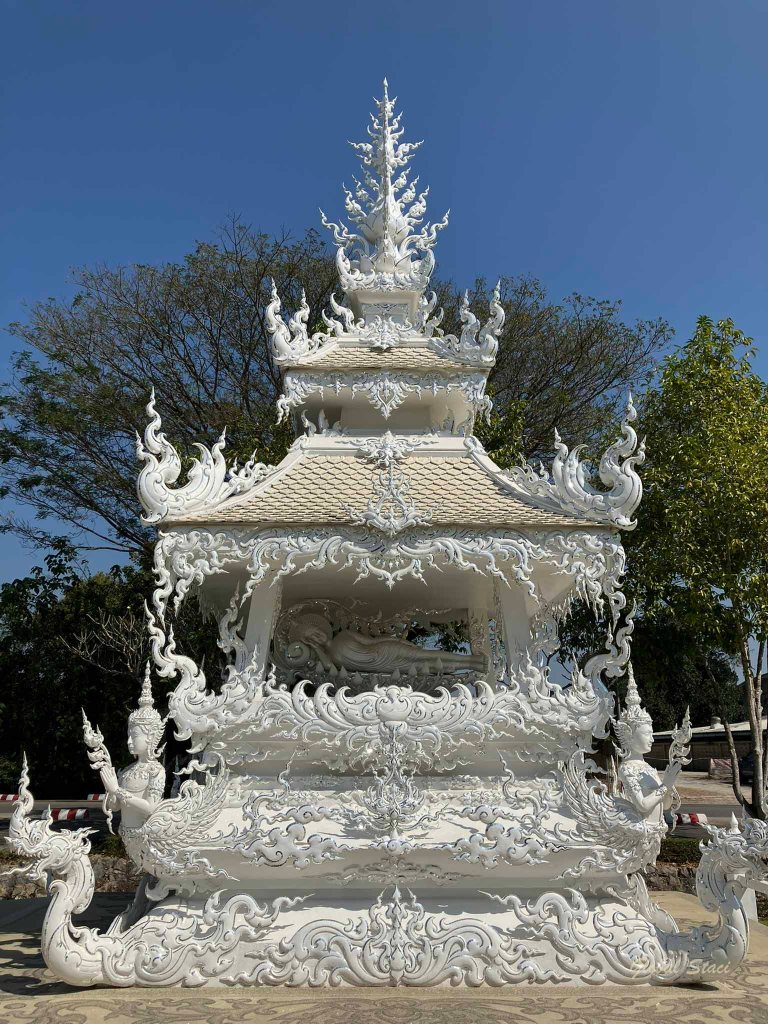
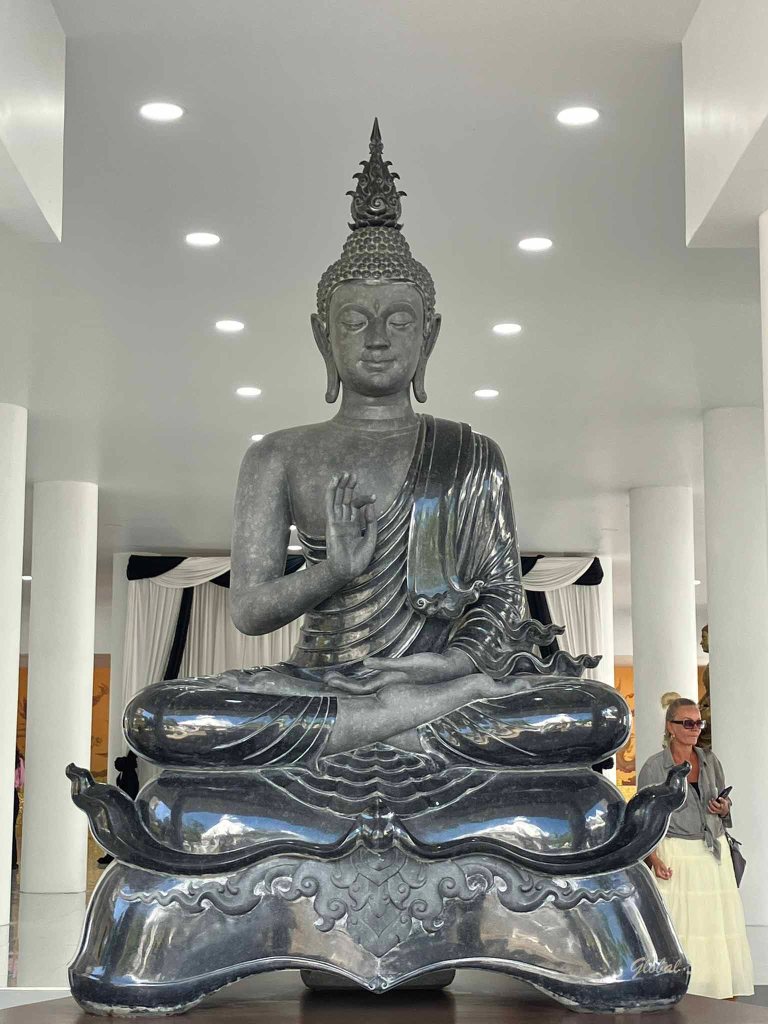
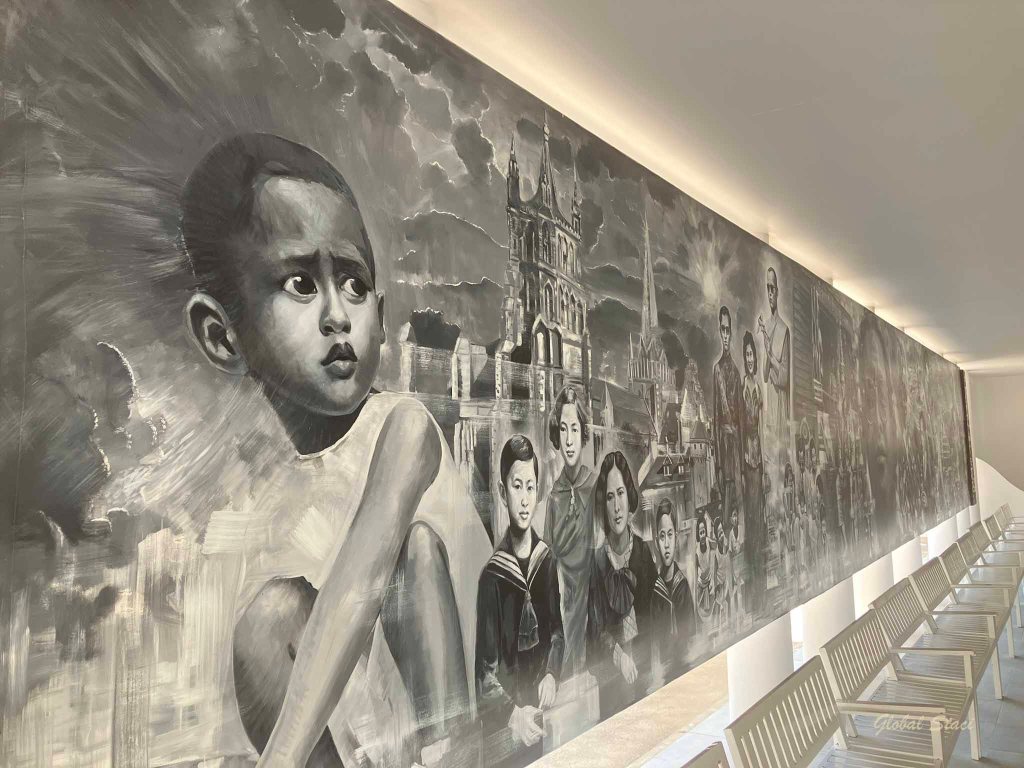
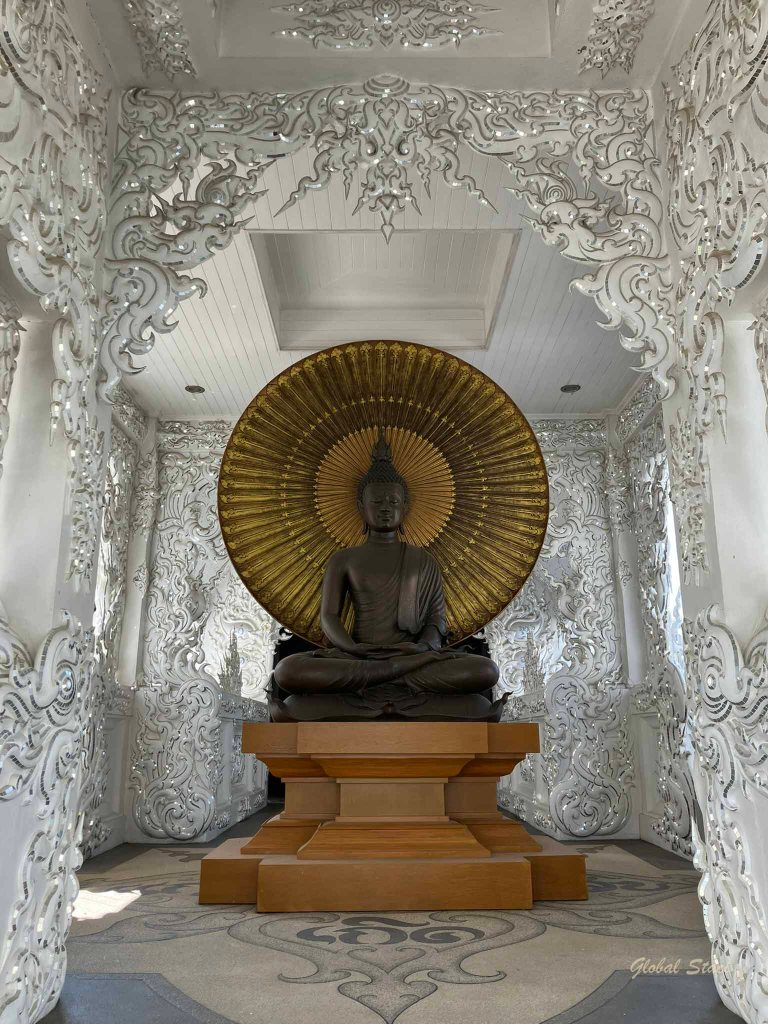
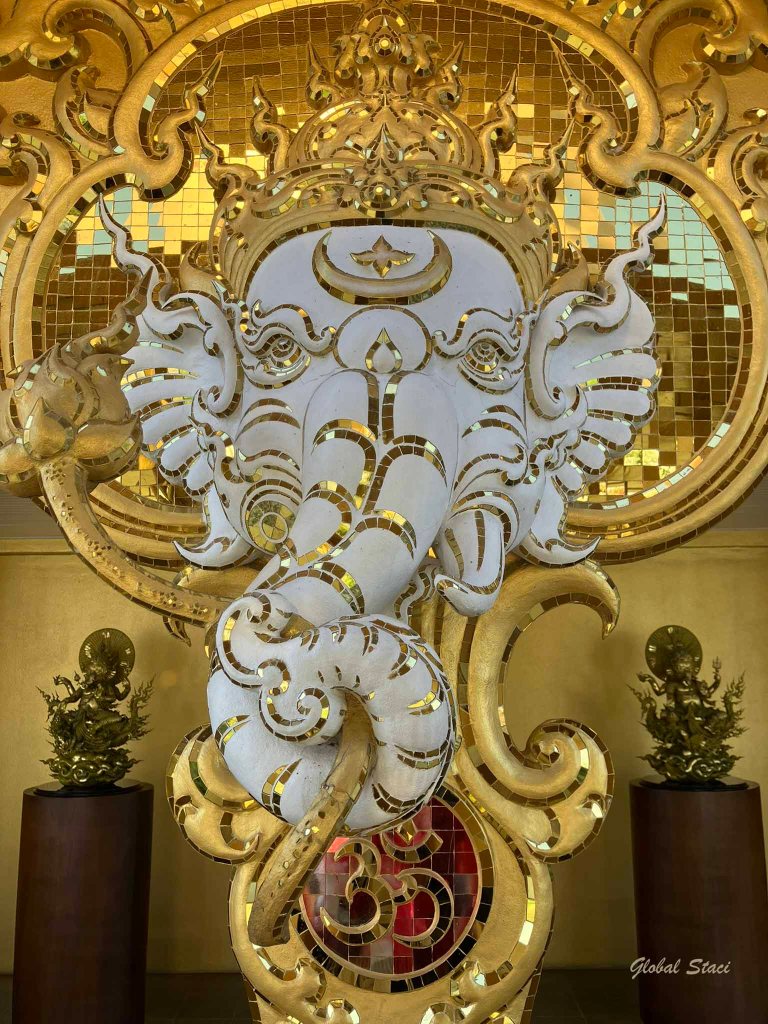
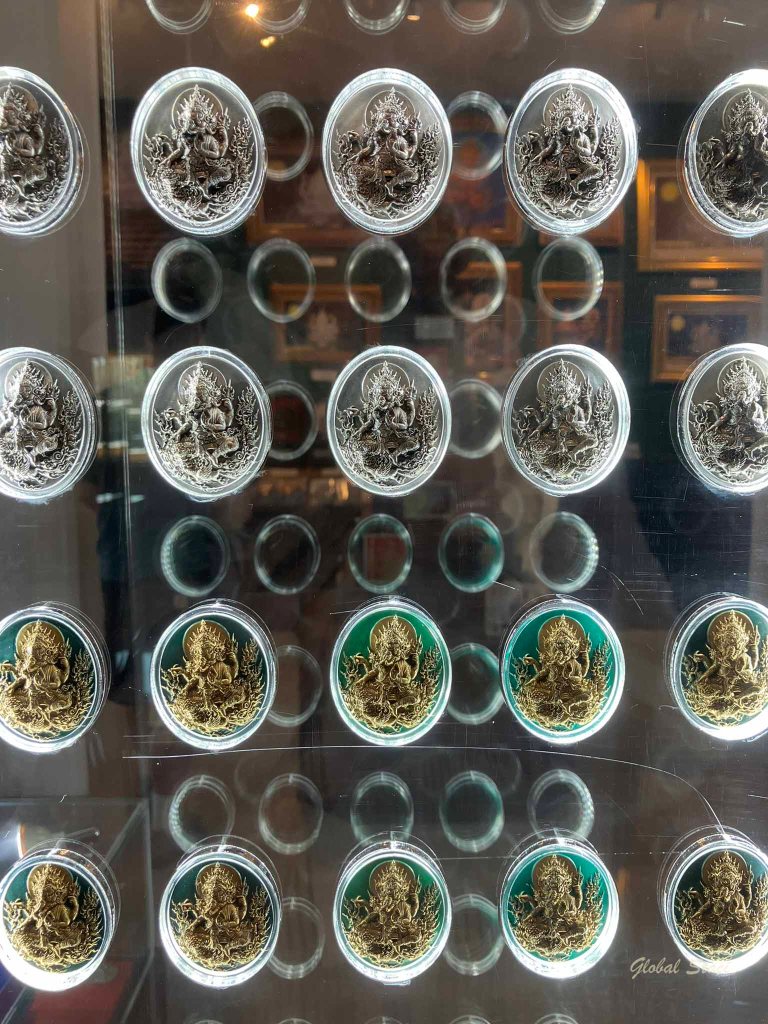
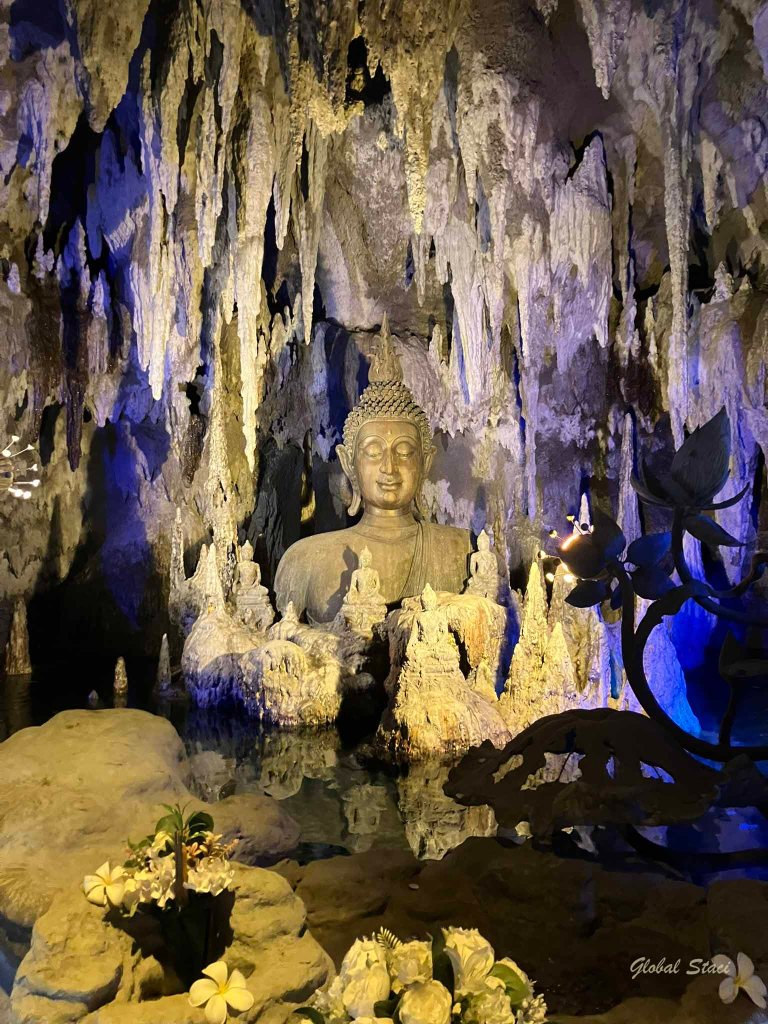
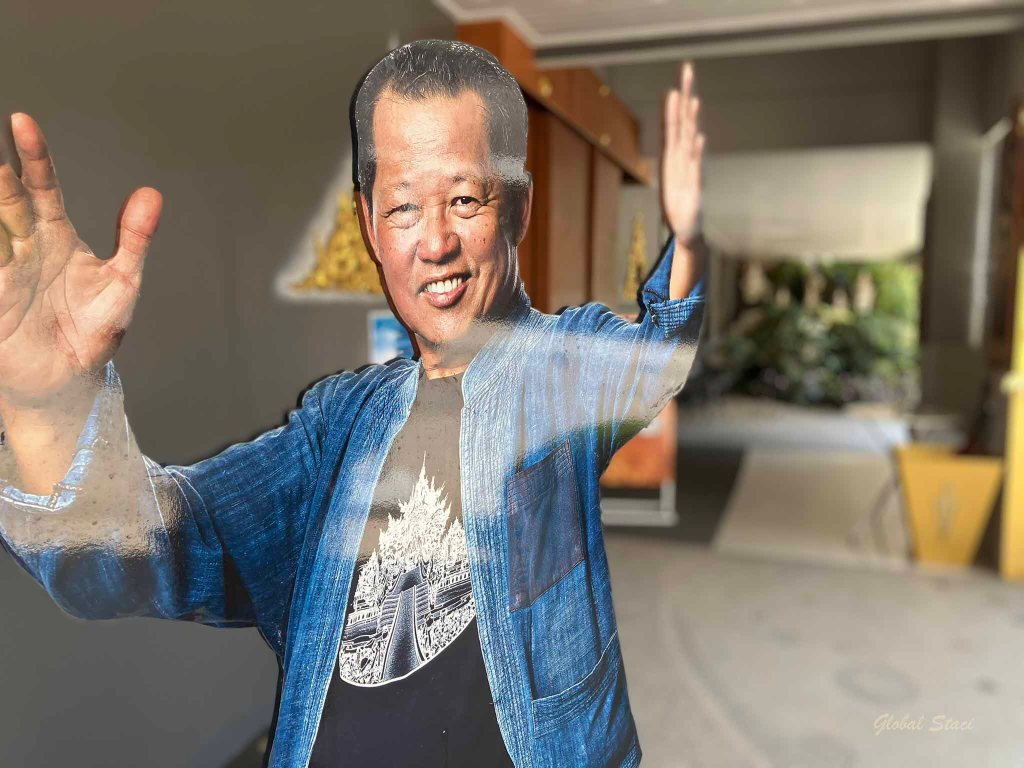
Wat Rong Khun, better known as the White Temple, was designed and constructed by artist Chalermchai Kositpipat, and opened it to visitors in 1997. Yes, that’s right. The 20th century. This is not some ancient wat, but a Disney-esque compound of shiny new and very interesting architecture. Originally in disrepair, Kositpipat funded the compound’s complete renovation with his own money, and the temple continues to undergo construction, with expected completion in 2070!
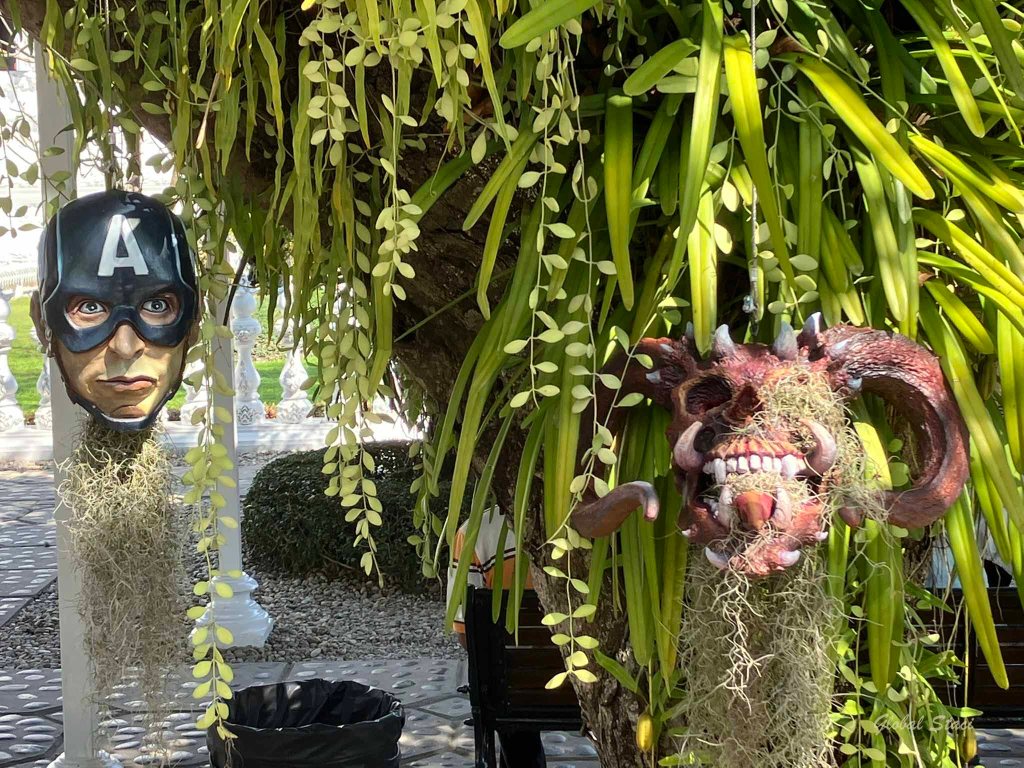
Renowned for its striking white exterior, adorned with mirrored glass mosaic and intricate symbolism, including a bridge representing the cycle of rebirth and murals depicting both traditional Buddhist themes and modern pop culture references. Keep your eyes peeled for the many characters you would last expect to be painted on the walls of a Buddhist temple inside. Not photos inside, so you’ll have to see Michael Jackson for yourself.
THE BLUE TEMPLE
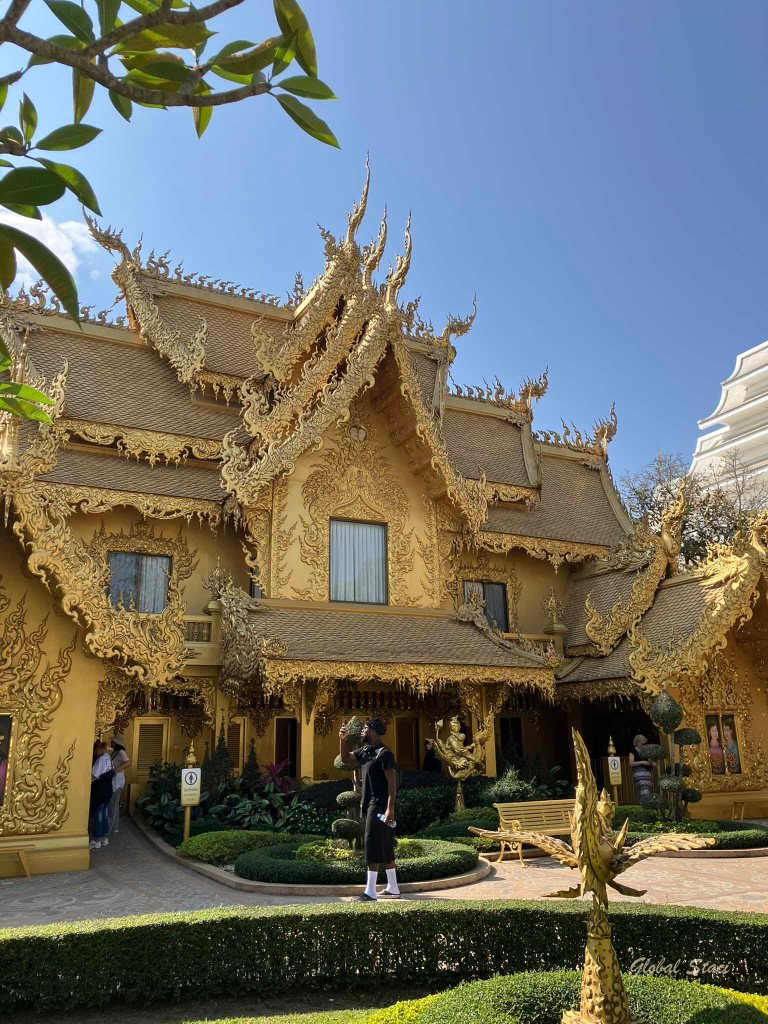
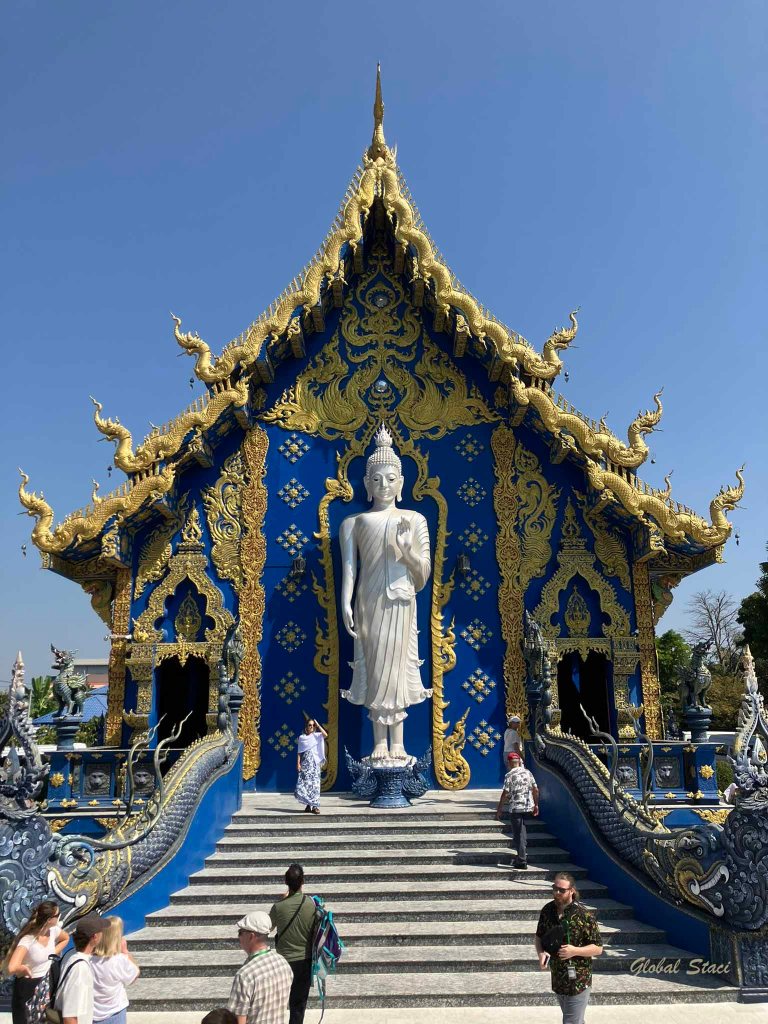
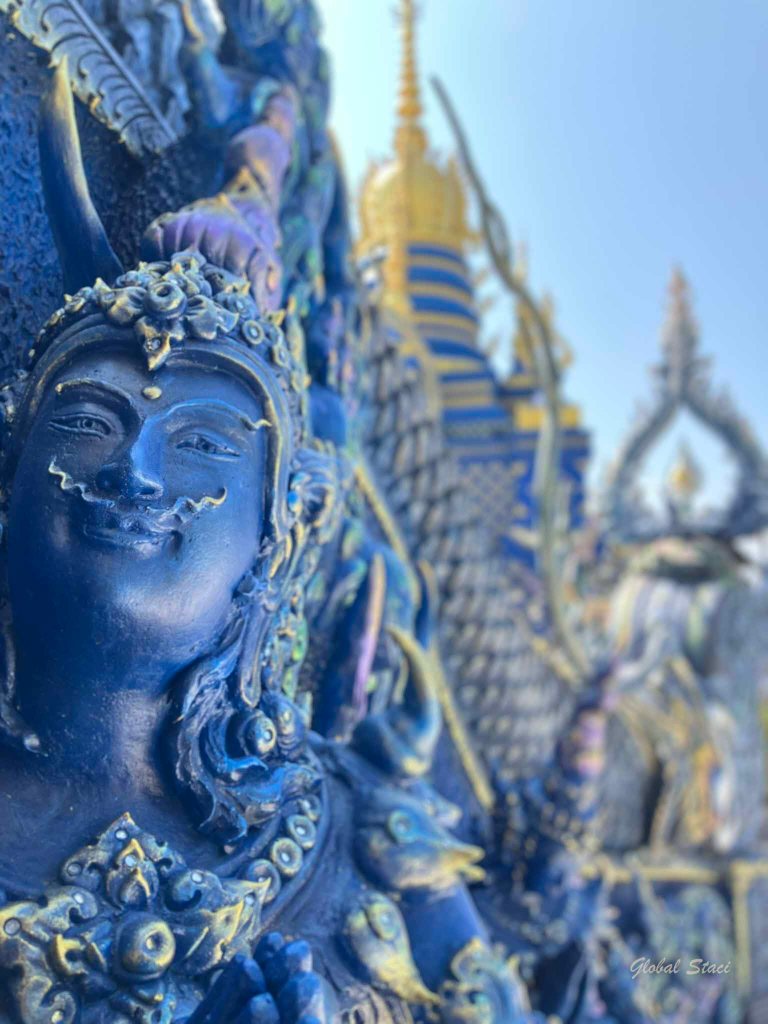
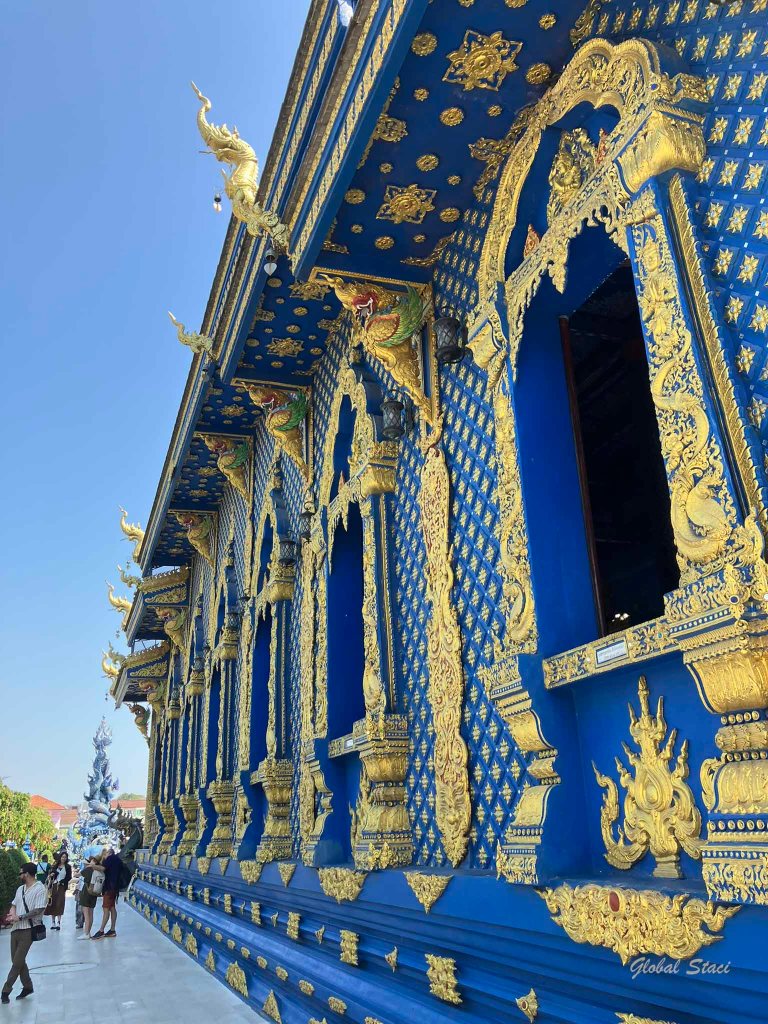
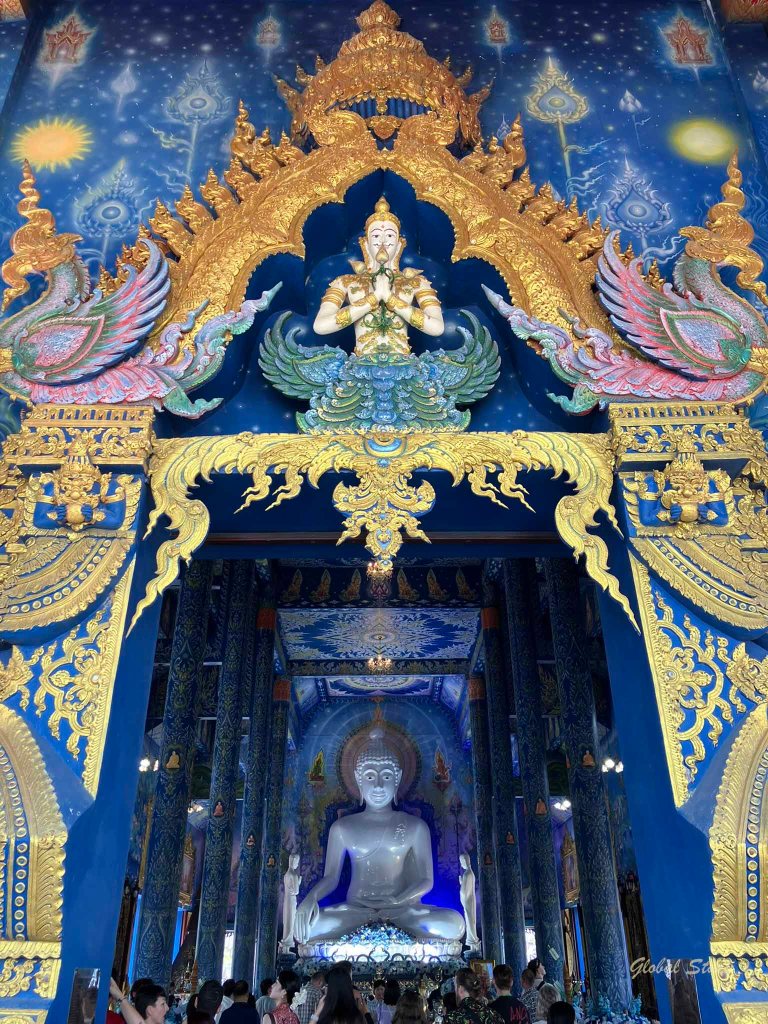
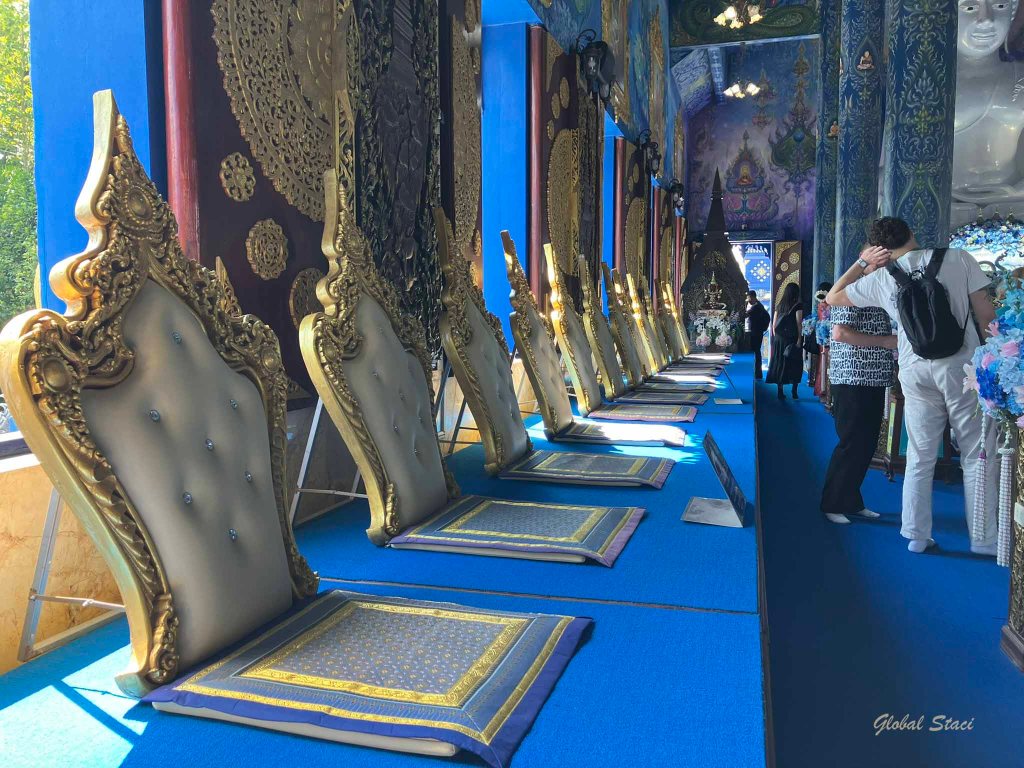
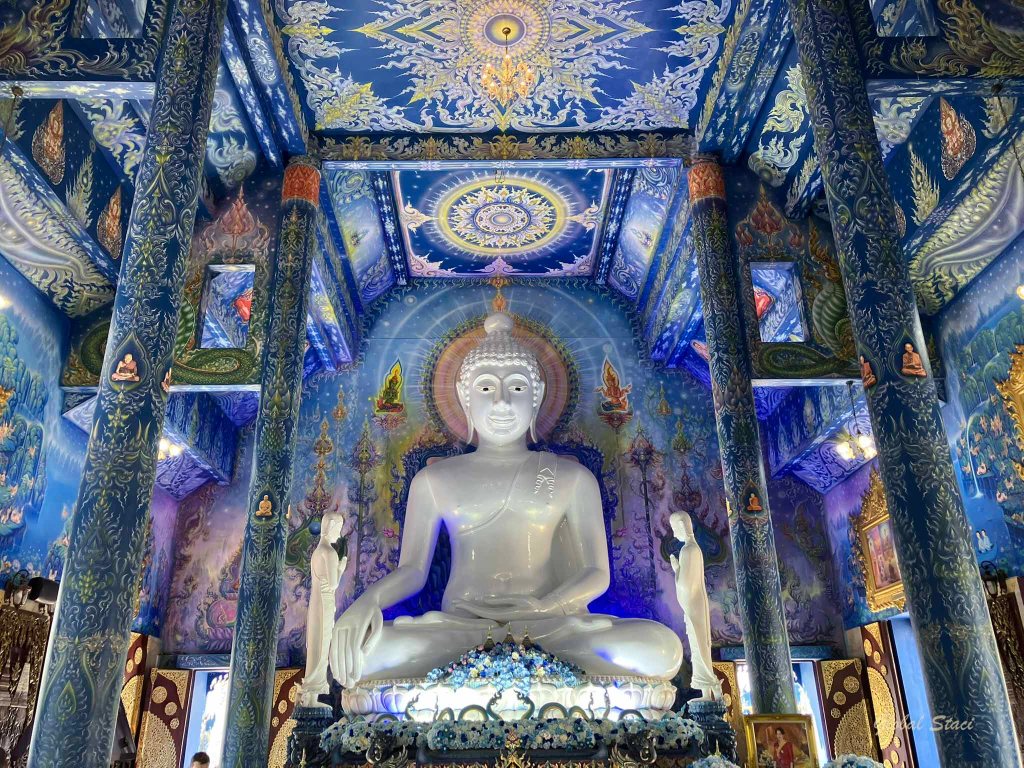
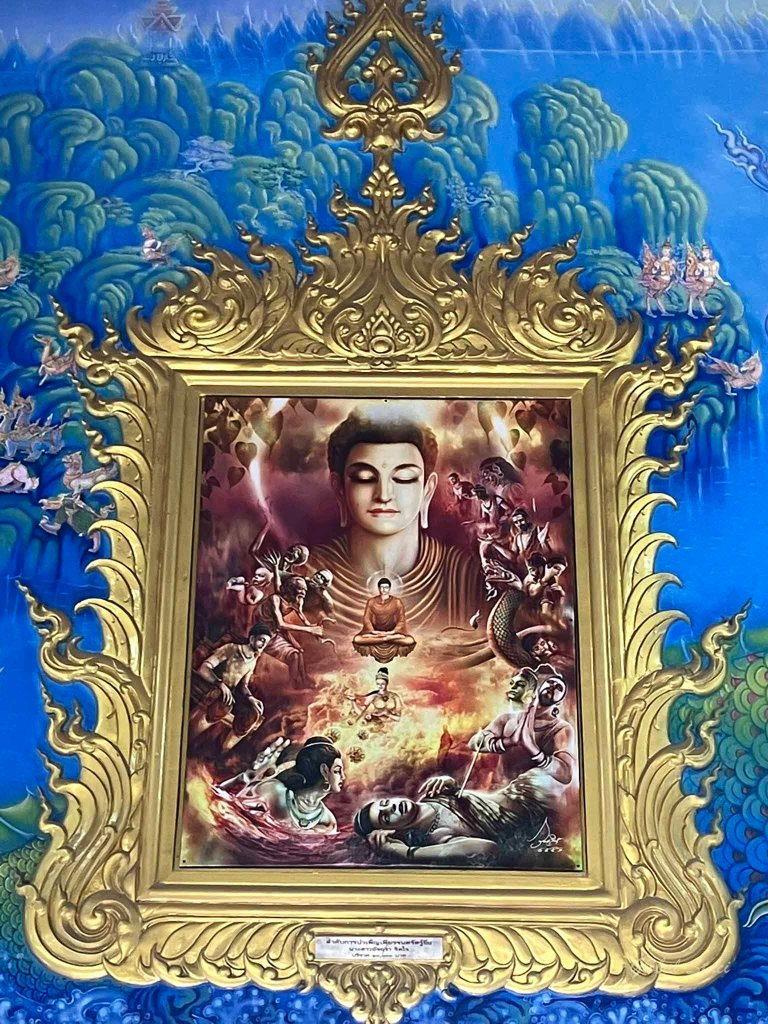
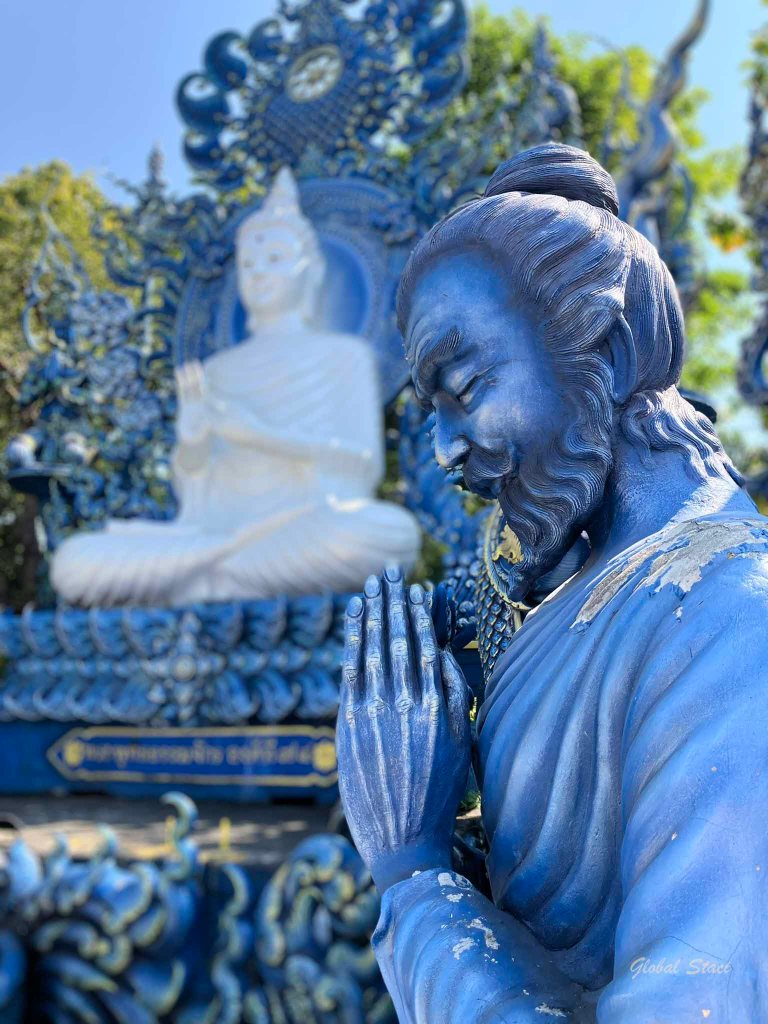
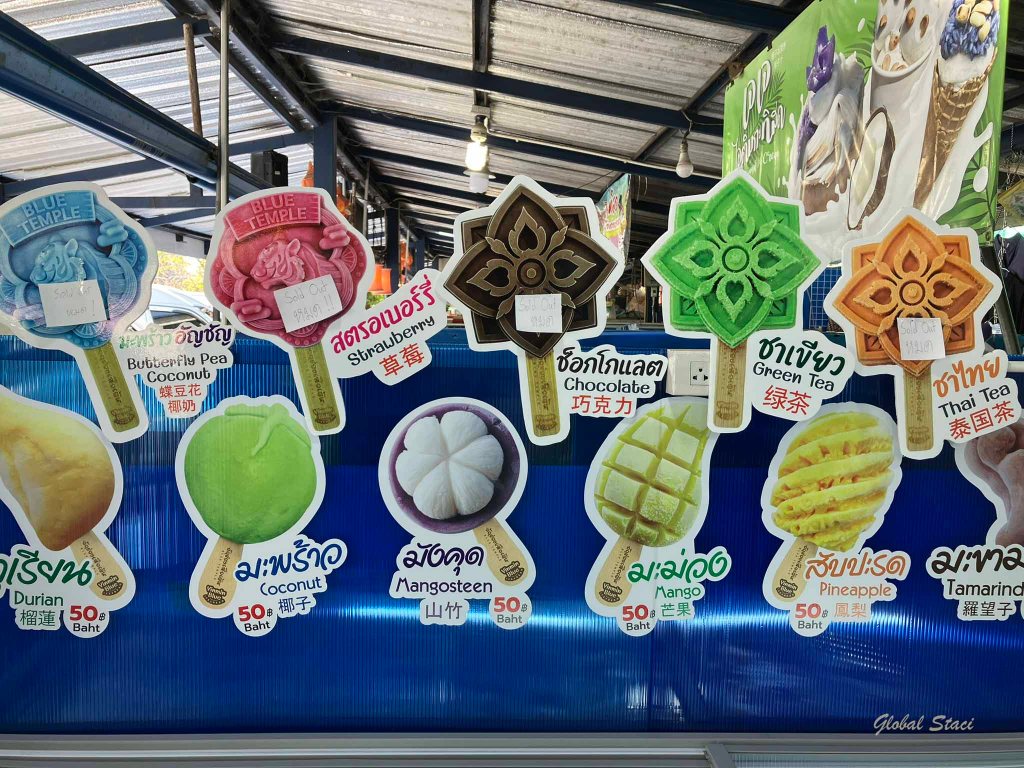
Wat Rong Suea Ten, aka the Blue Temple, as you might guess is known for its vivid blue, and gold, architecture. Designed by artist Phuttha Kabkaew, like the White Temple it blends modern art with traditional Buddhist themes. Also constructed relatively recently.
THE RED TEMPLE
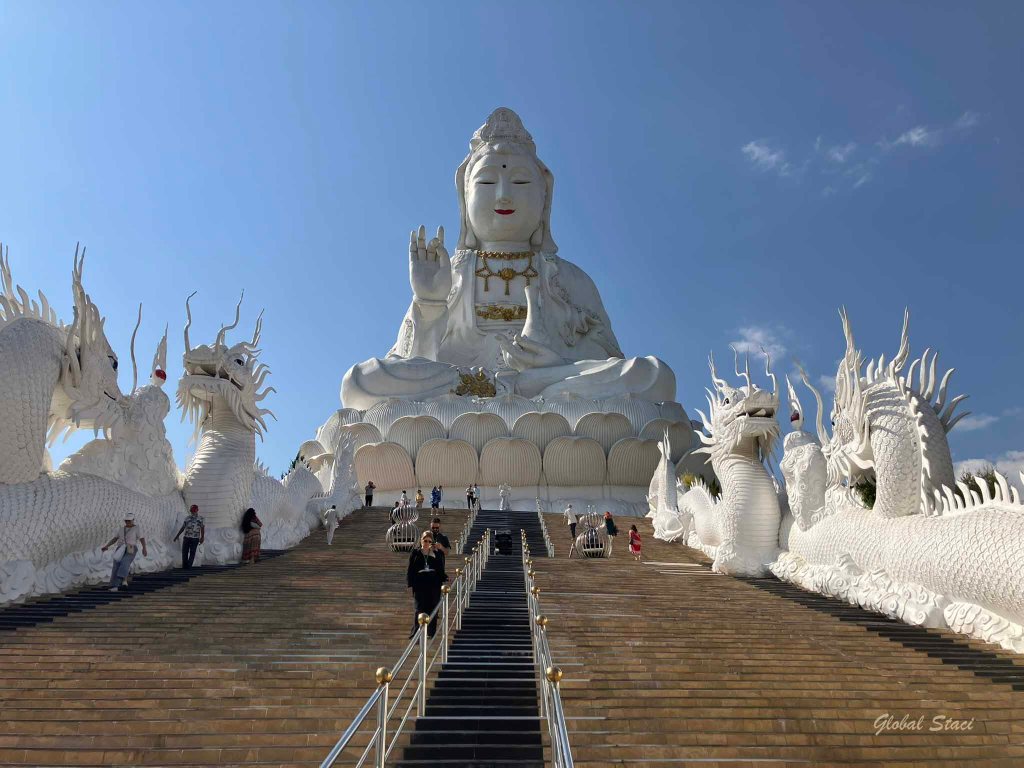
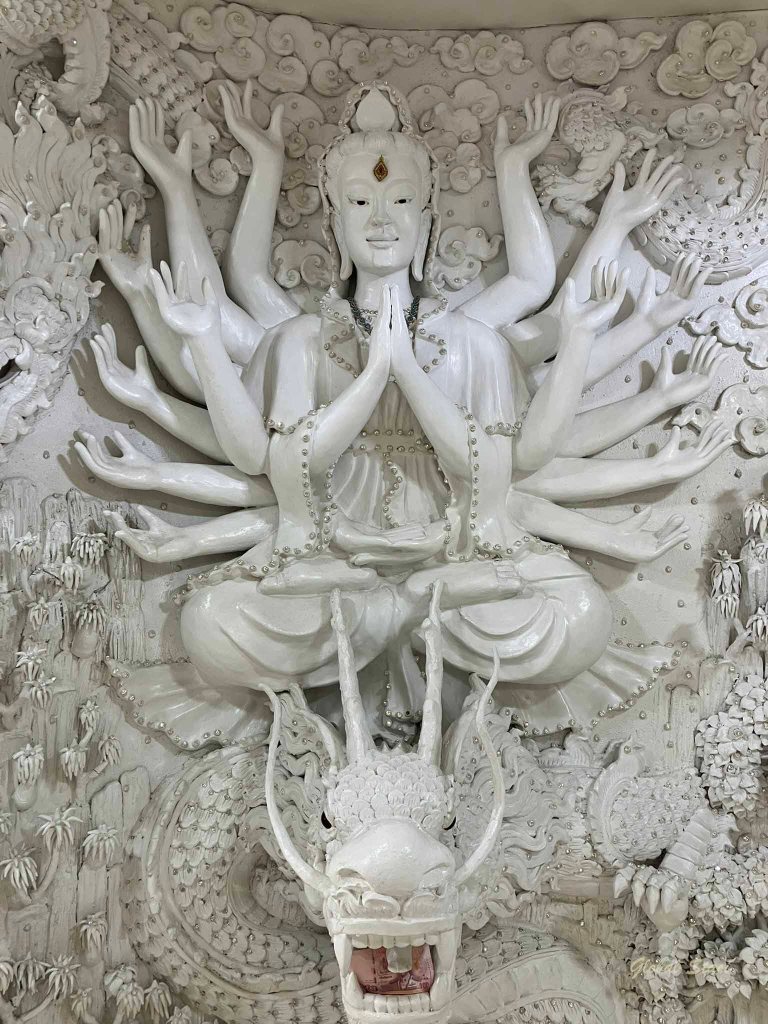
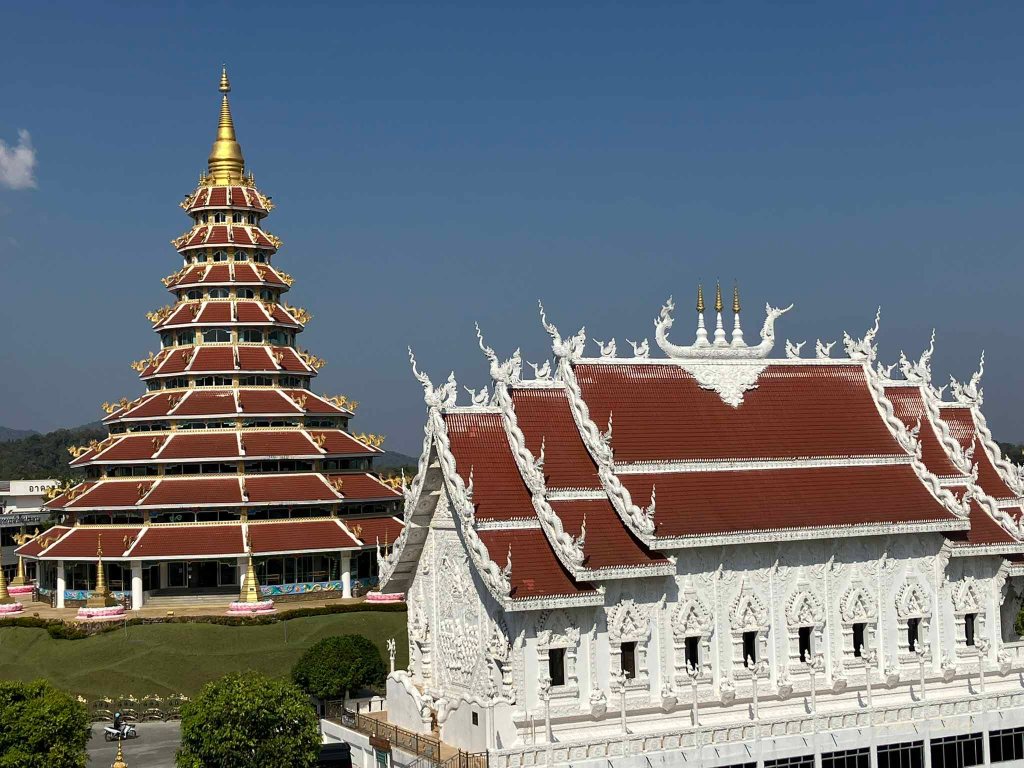
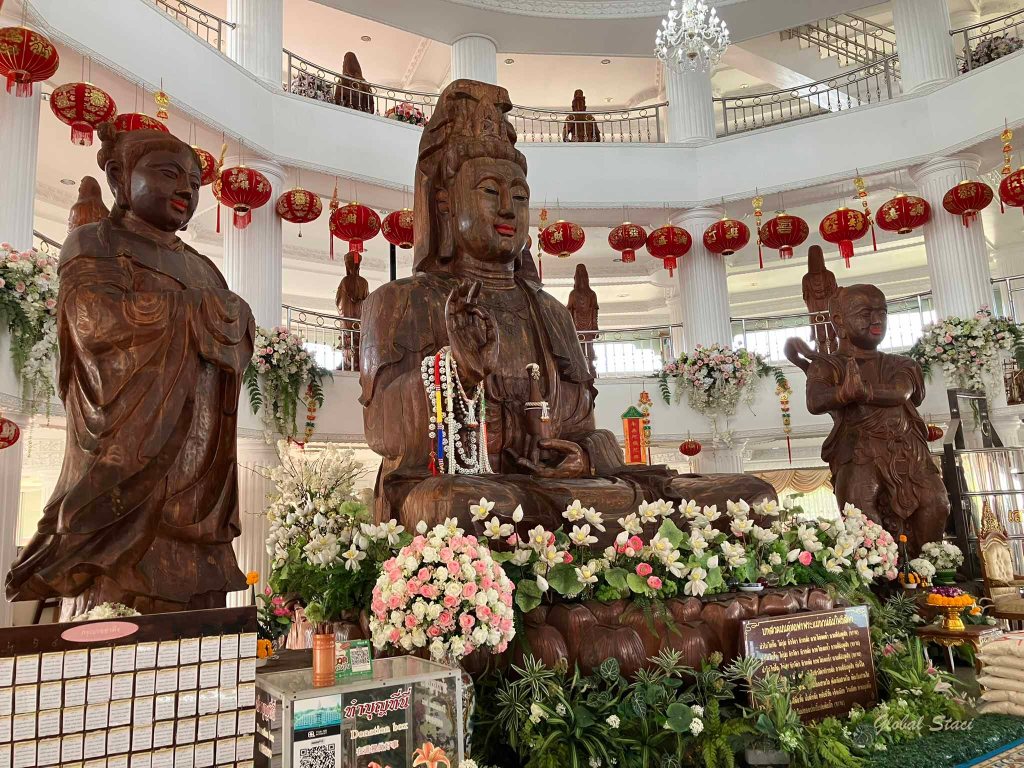
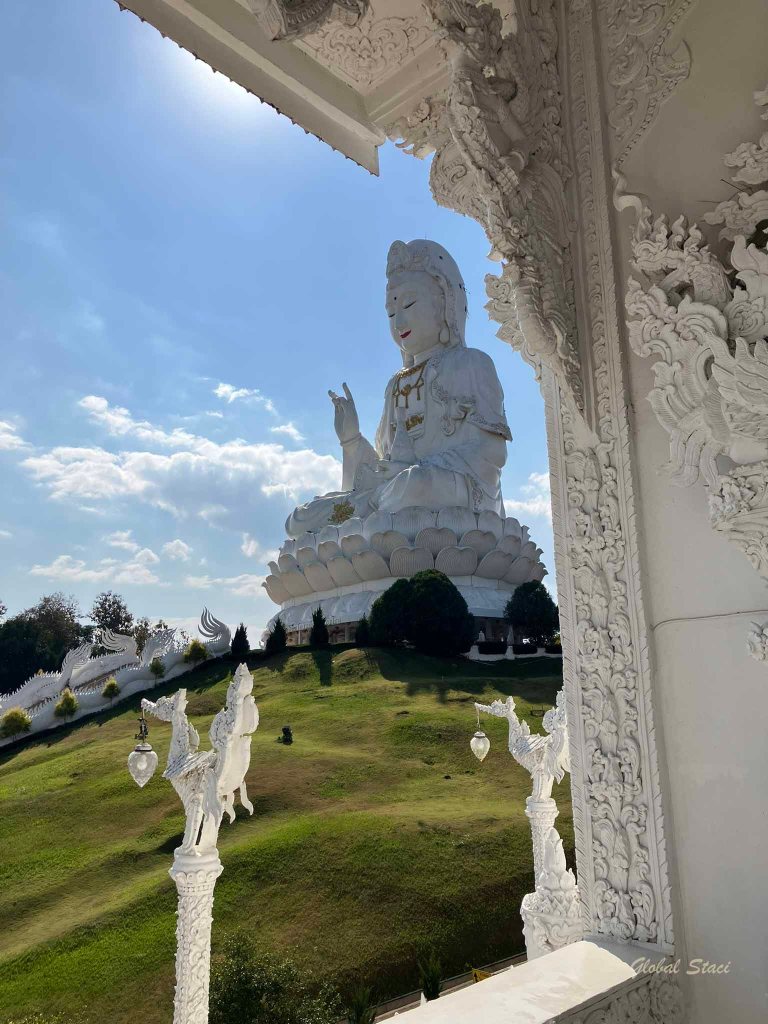
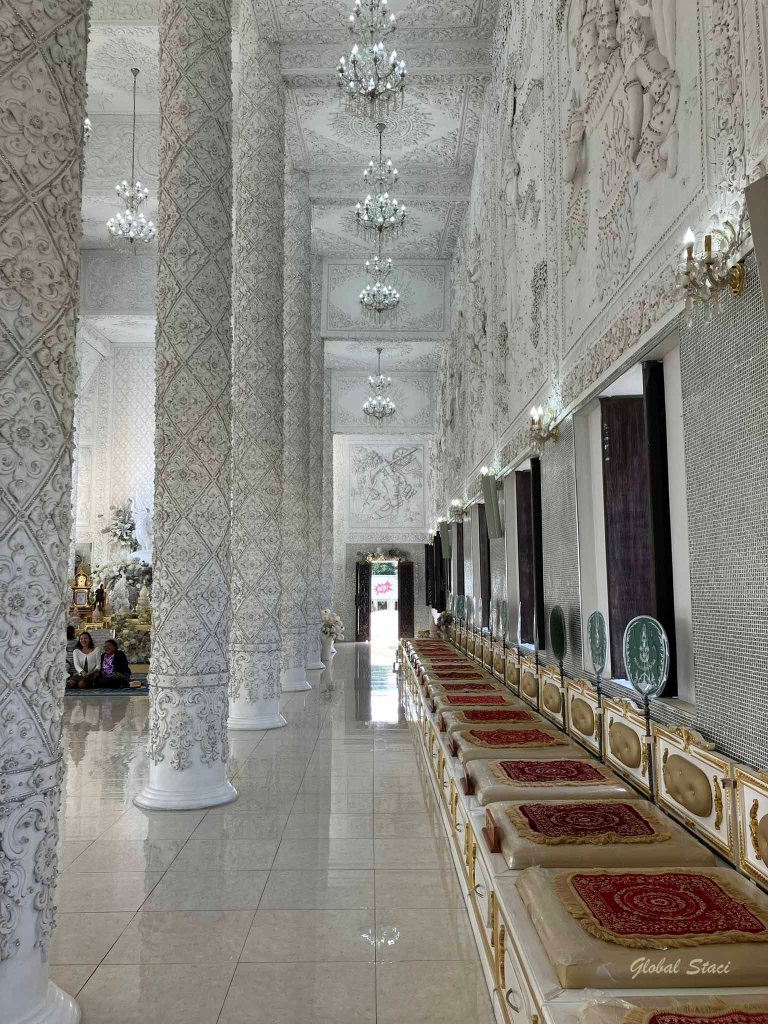
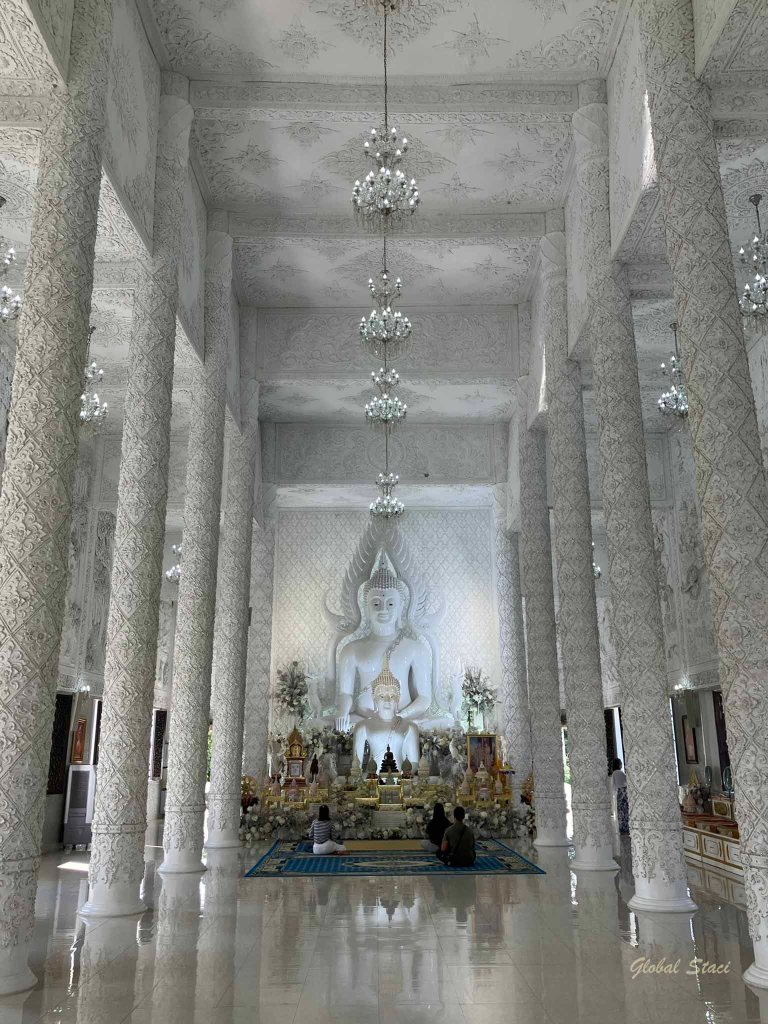
Wat Huay Pla Kang, aka the Red Temple, with its massive 9-tiered Chinese pagoda and colossal white female Guan Yin Buddha is also new. Built on the lush green hills of Chiang Rai in the early 2000s, it is a temple complex constructed in the Chinese Lanna architectural style, most evident in its color scheme—red, yellow, gold and green.
Three buildings make up the complex. A traditional temple, a Chinese pagoda and a huge white Buddha. You can enter all three. Of particular interest is being inside the Buddha. Take the elevator to the top and look out of its third eye, between the physical eyes, and each eye from inside the head. There is an open-air platform underneath the Buddha which also offers beautiful views of the surrounding landscape.
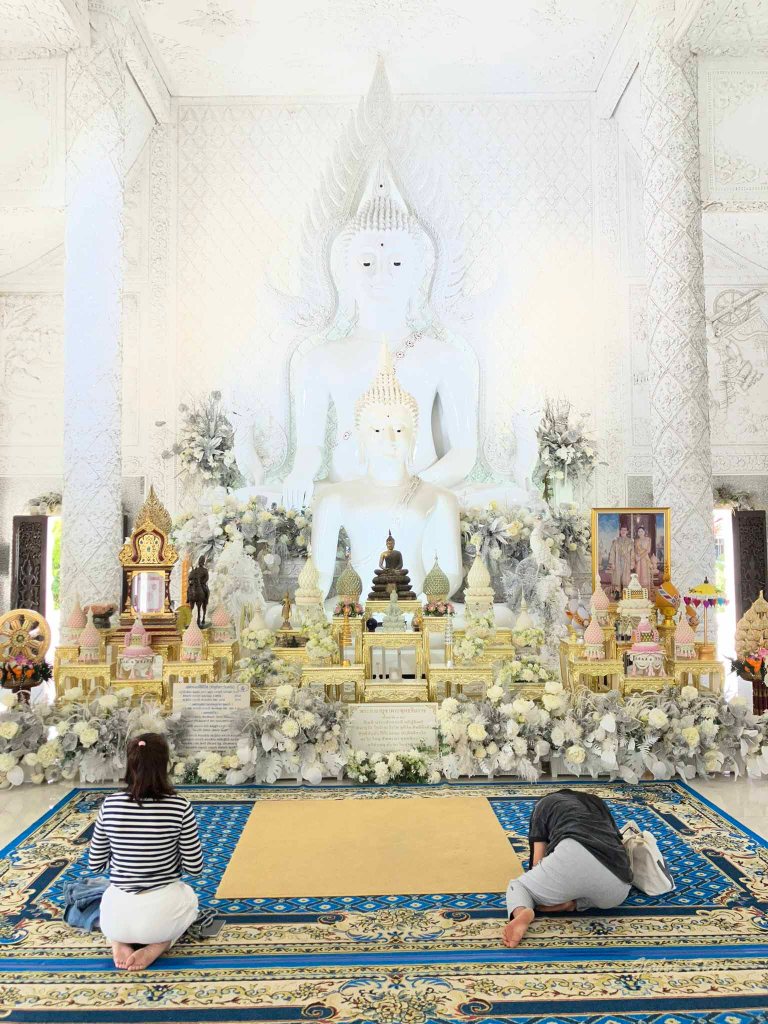
[PRO TIP: For 20 Bhat (about 63 cents) you can buy homemade Pad Thai made to order on the grounds of the Red Temple!]
Trying Something New
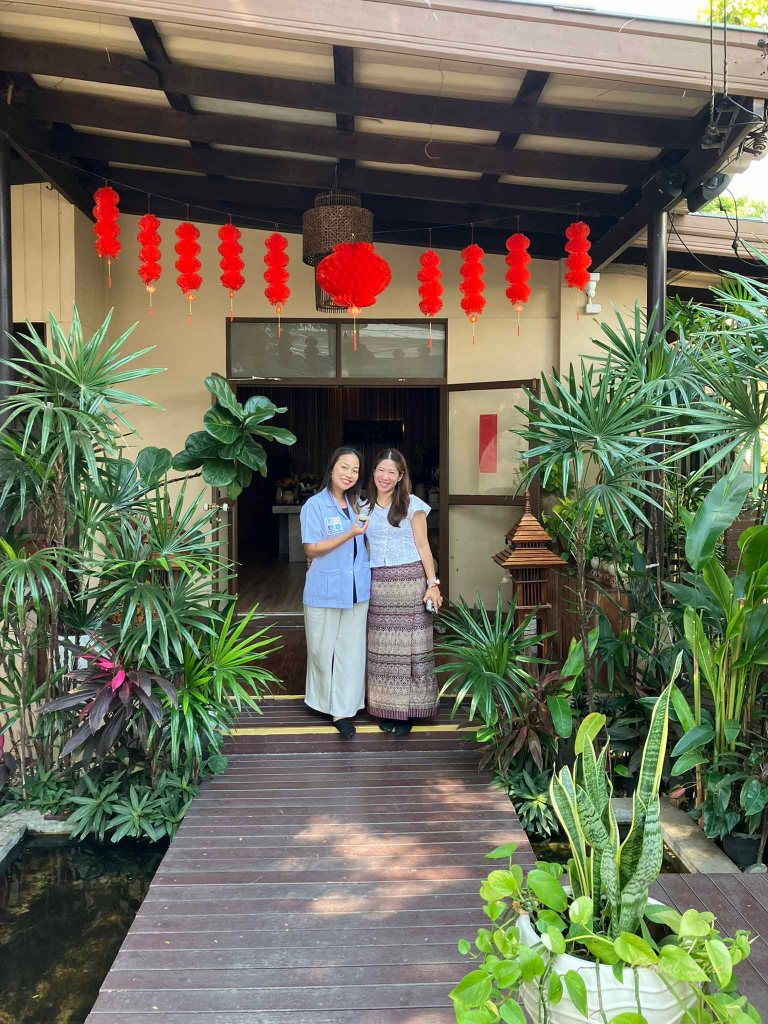
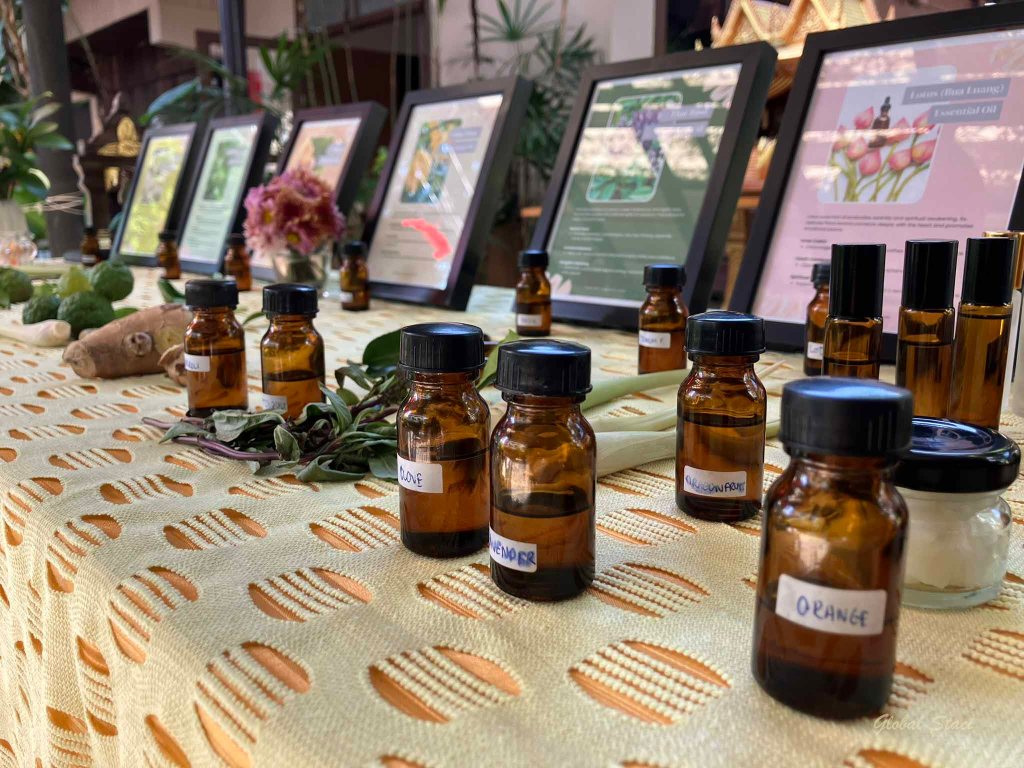
Another source for interesting ideas you may not find elsewhere is Airbnb Experiences. I found an aromatherapy workshop at Kiyora Spa. I absolutely loved meeting Emmy, a certified aromatherapist and massage therapist, learning about Thai oils and mixing my own products.
An unexpected bonus was the neck and shoulder massage! You can get a $5 massage all over Thailand, but therapists are often not trained, and people are sometimes injured. The body workers at Kiyora are certified, highly skilled and excellent. I would have spent an entire day here if I had one to give!


Pingback: Volunteering abroad in Lampang, Thailand
Pingback: One Week in Luang Prabang, Laos
Pingback: RTW in 50 Days – THAILAND, The Lanna Kingdom | Global Staci