The parts of the forested Romanian countryside, dotted with villages, fortresses and castles is a delight to explore these days. But many of these previously fortified cities represent a refuge from danger that may have been on the horizon, just a few hundred years ago. Seeing them gives one a true appreciation for the ways in which the world has changed—for the better.
Bran Castle
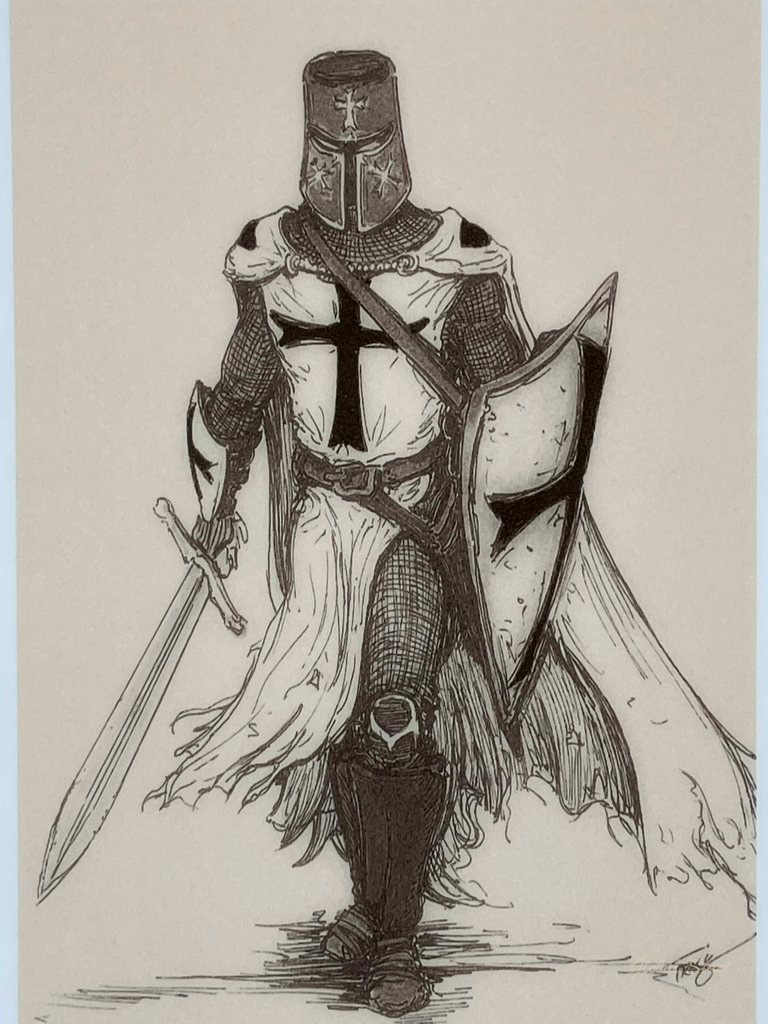
Bran Castle didn’t start out as a castle at all. In 1211 Hungarian King Andrew gave southeastern Transylvania to the Teutonic Knights under the condition they would build a fortress there, to defend his realm. According to legend, they built a wooden fortification in Bran to keep an eye on the pass. However, the Teutons, wishing to be independent from Hungary were banished in 1225. It is thought this wooden fort burned and in 1377 Louis I of Hungary gave the Saxons of the area the privilege of building a stone castle on the site, at their own expense.
Historically, the castle was used in defense of the advancement of the Ottoman Empire, used almost exclusively for fortification, rather than nobility. The famous Vlad Tepes, aka Vlad Dracula, most likely never visited and it is unclear as to whether or not Bram Stoker author of Dracula, ever did either. The city of Brasov regained possession of the castle in 1533.
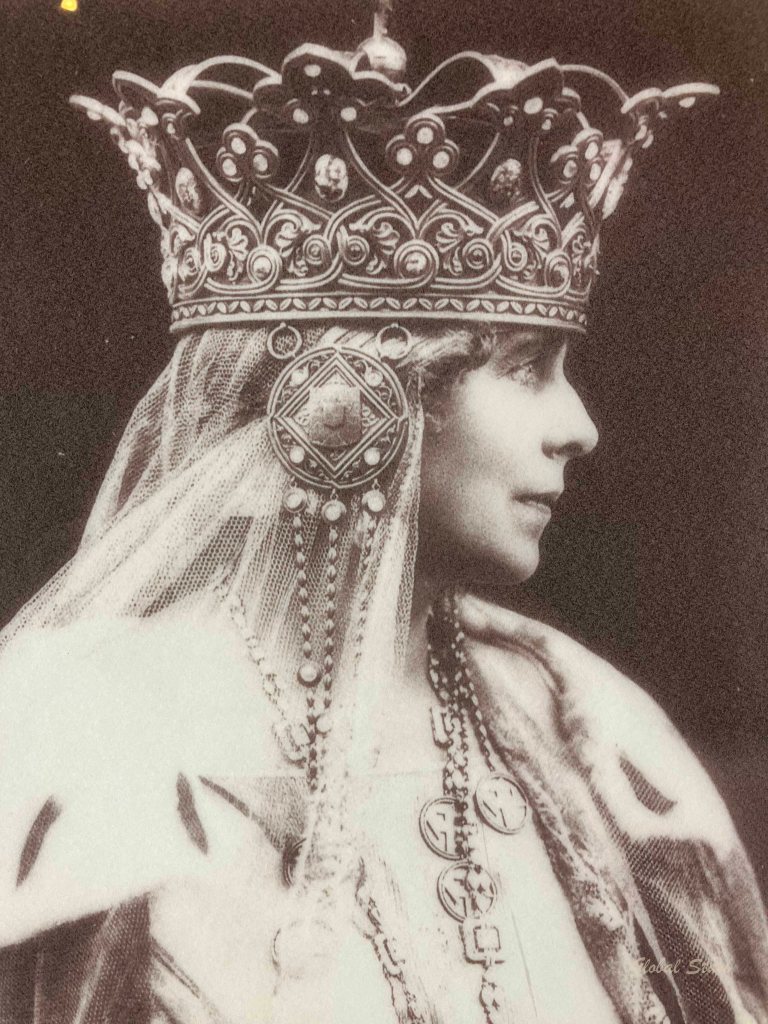
Fast-forward to 1920, the castle became the royal residence of the now unified Kingdom of Romania. Romania’s most beloved Queen Marie spent a decade bringing the castle to life. She loved it so much, in her will she decreed that her heart be buried at Bran. It was later seized by the communist regime with the expulsion of the royal family in 1948.
Definitely worth a visit, the castle is now a heavily touristed museum dedicated to displaying art and furniture collected by Queen Mary.



Peles Castle
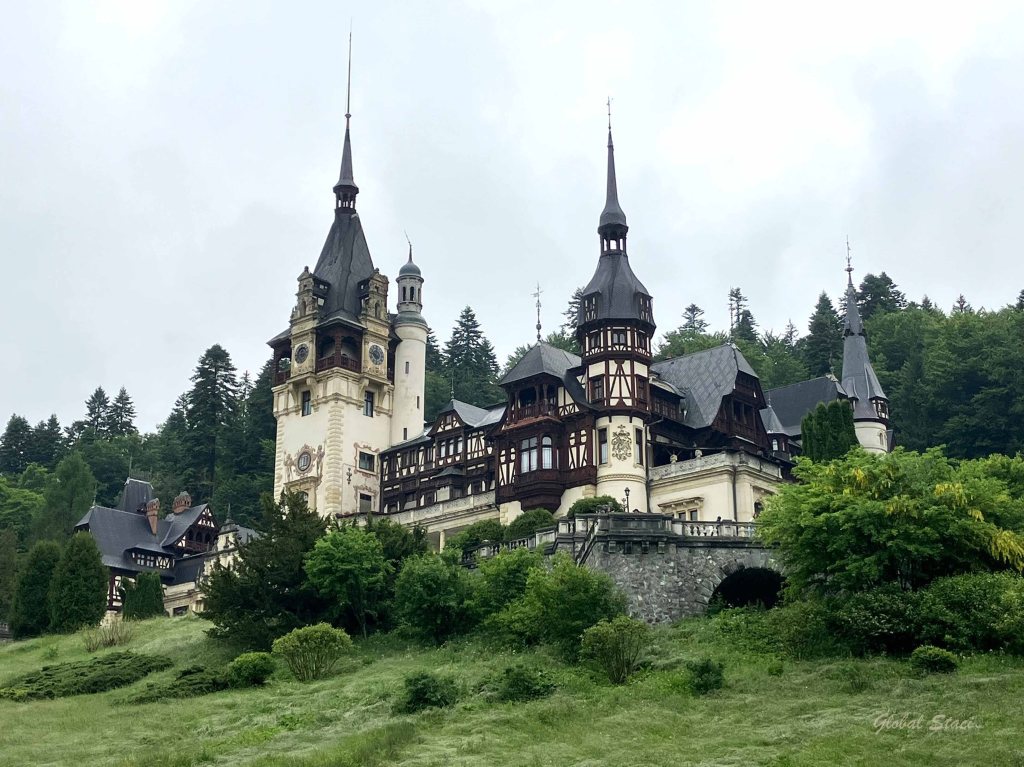
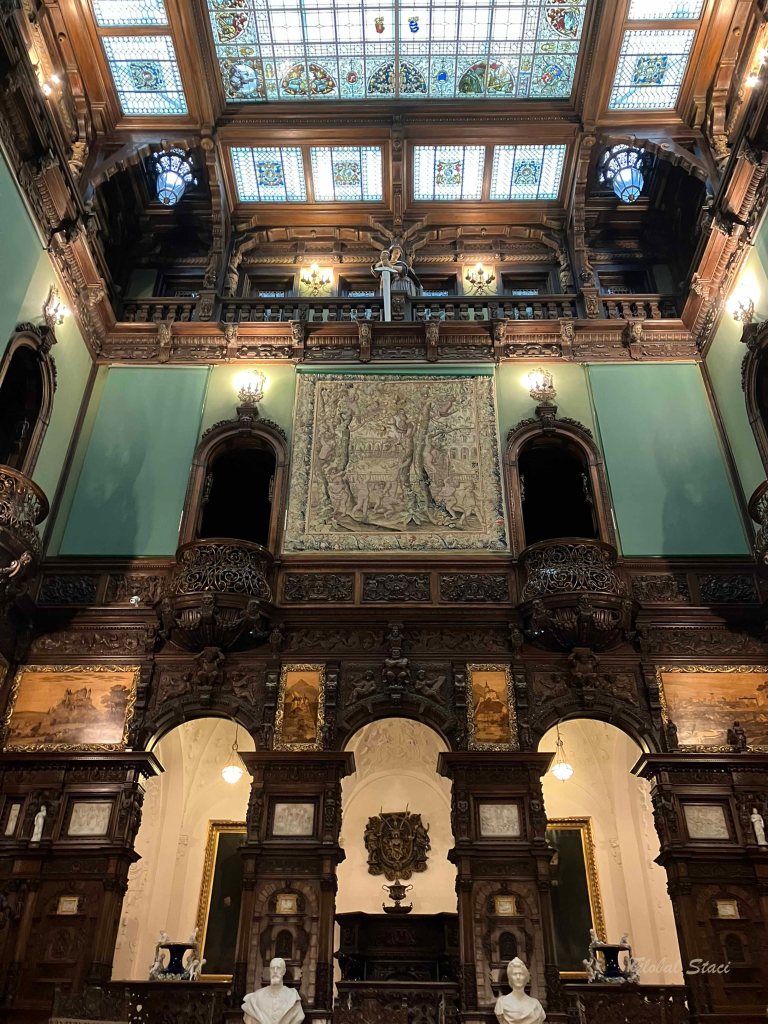
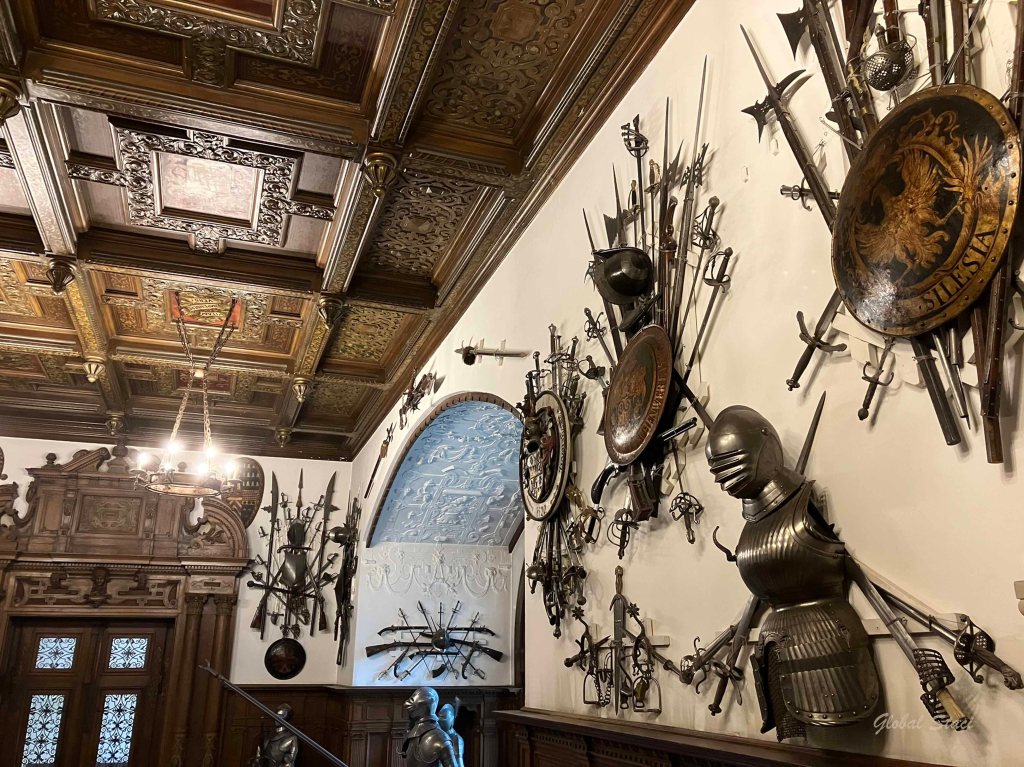
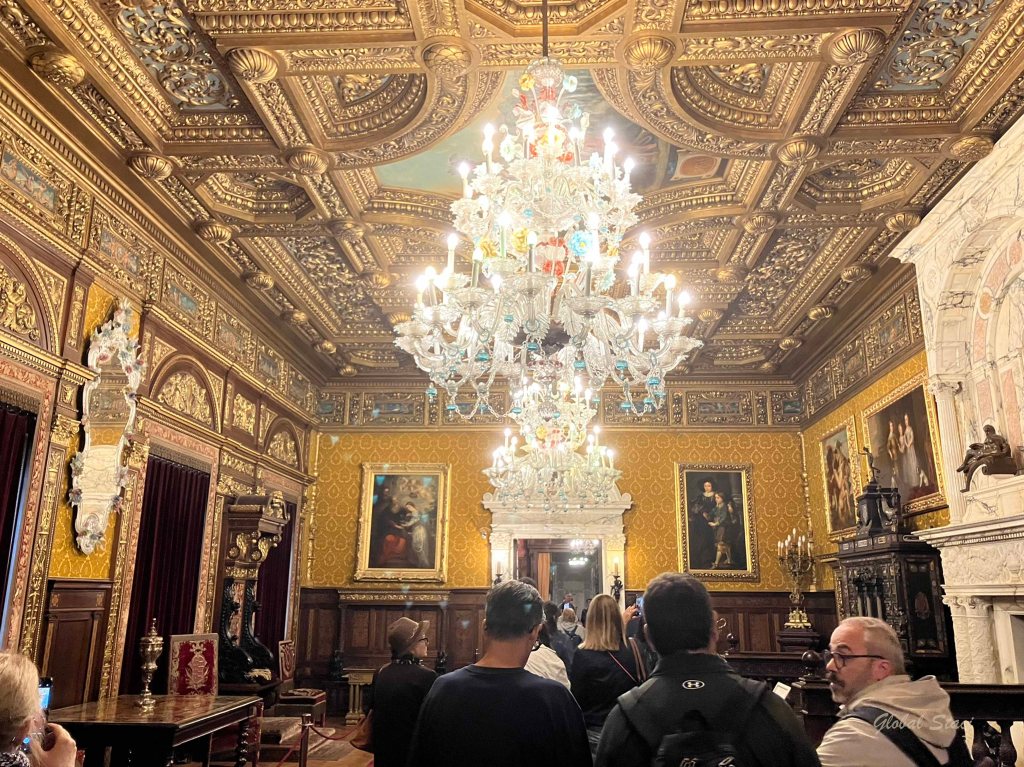
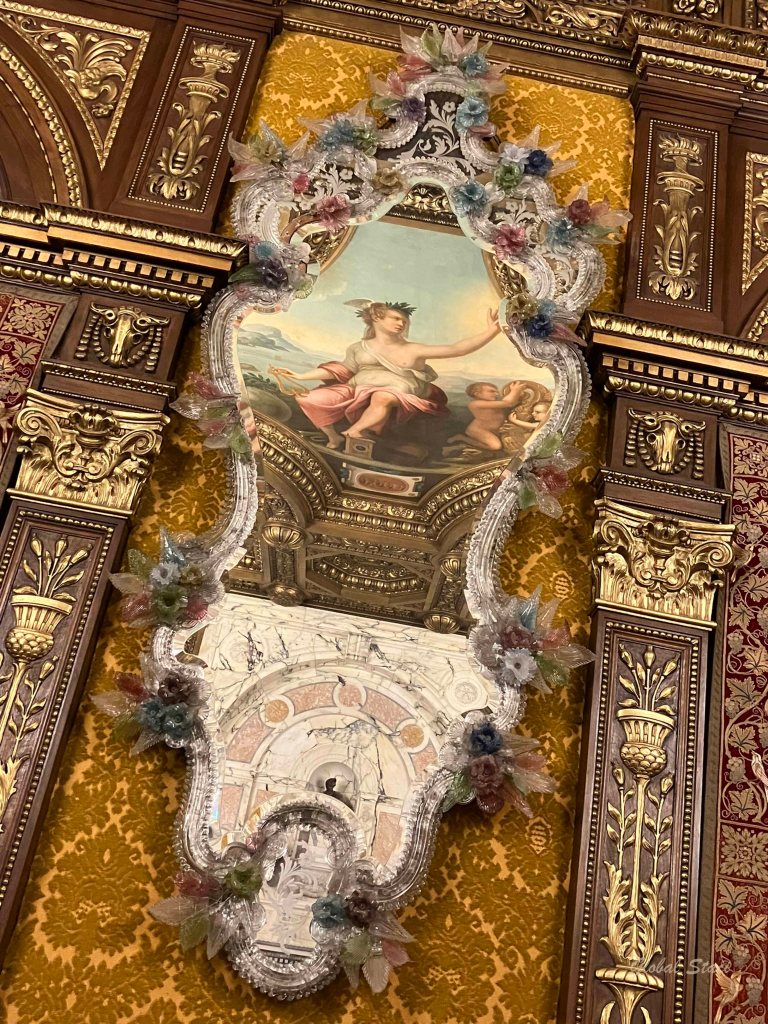
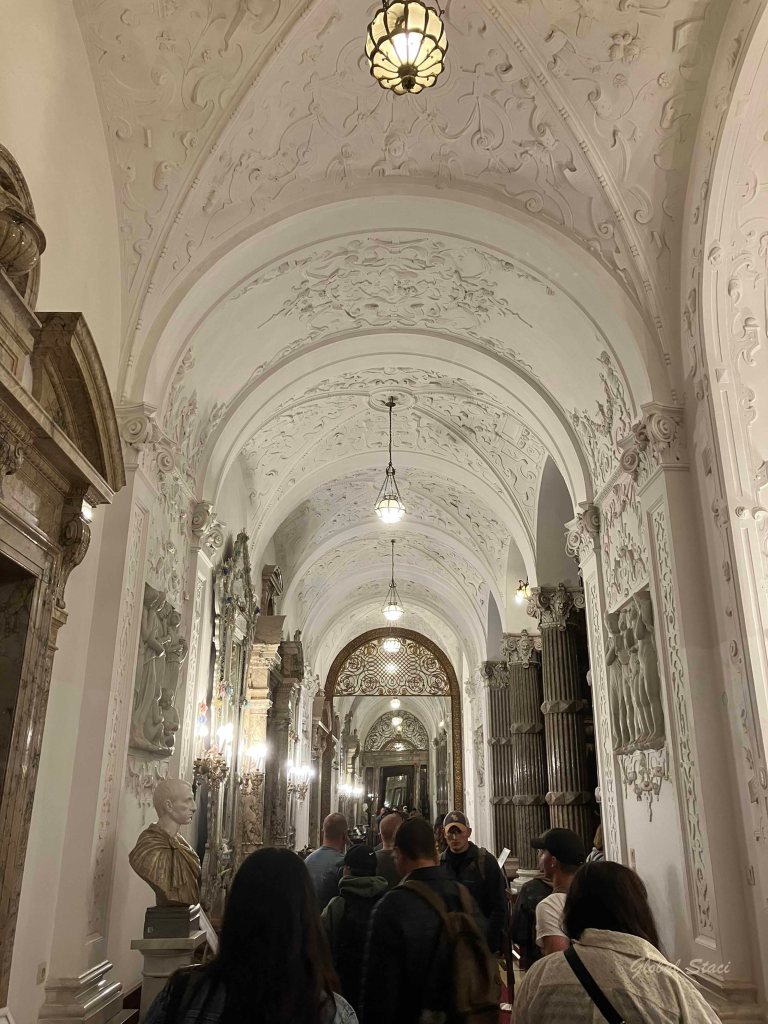
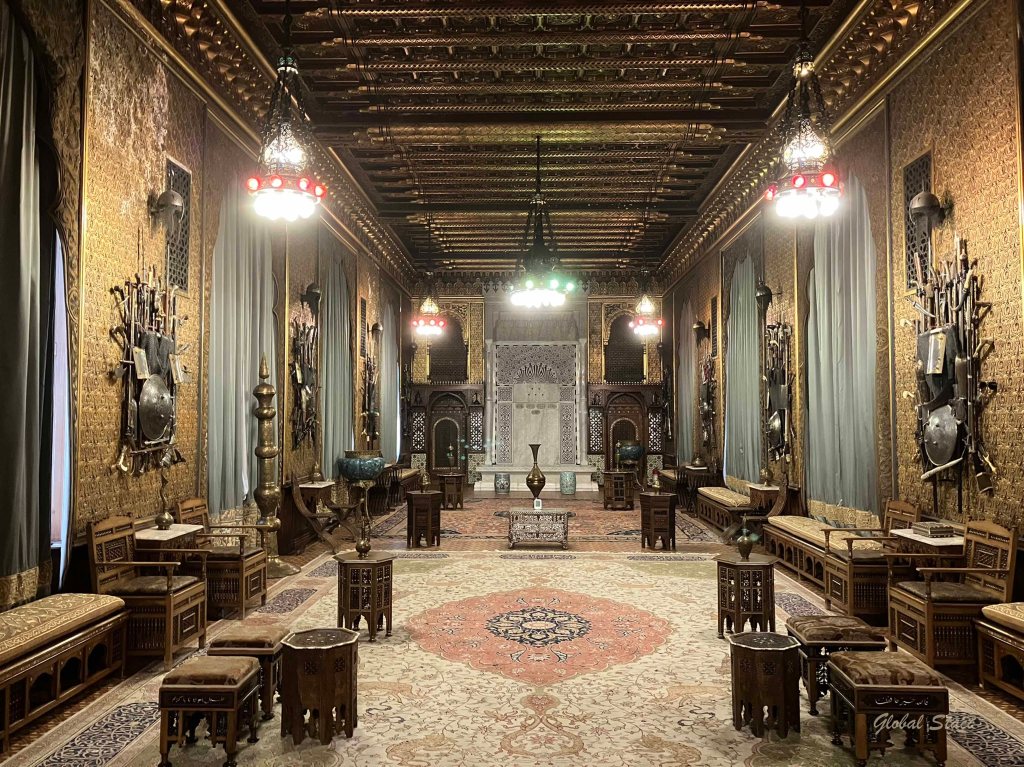
Not too far from Brasov in the Carpathian Mountains is the lavishly decorated Peles Castle, constructed for King Carol I in the 1870s as a hunting lodge getaway and summer retreat. Interestingly, the first castle in Europe to have electricity, and as such, hosted artists, celebrities and politicians alike. After the Romanian Revolution of 1989, the castle was restored as a heritage site and opened as a museum to the public. Peles is now a popular backdrop for the film industry.


[PRO TIP: While you are in the area, make an appointment at to tour and taste at The Rhein Wine Cellar, in Azuga between Sinaia and Brasov. Known as the official wine purveyor of the Romanian Royal Family, it specializes in producing the most delicious sparkling wine using the traditional Champenoise method.]


Rasnov Fortress
Also brought to you by Teutonic Knights, this hilltop fortress was built to protect the surrounding villages from outside invasions in the 13th century. It was designed as a place of refuge during times of attack, with dozens of houses, a school, and a chapel, so it could function as an independent community if under siege. Today, you can visit the museum inside and see a skeleton buried beneath a glass floor, hidden behind the ancient walls. The inner rooms are maze-like with several wooden ladders linking them and a few “secret passages.”
Rupea Fortress
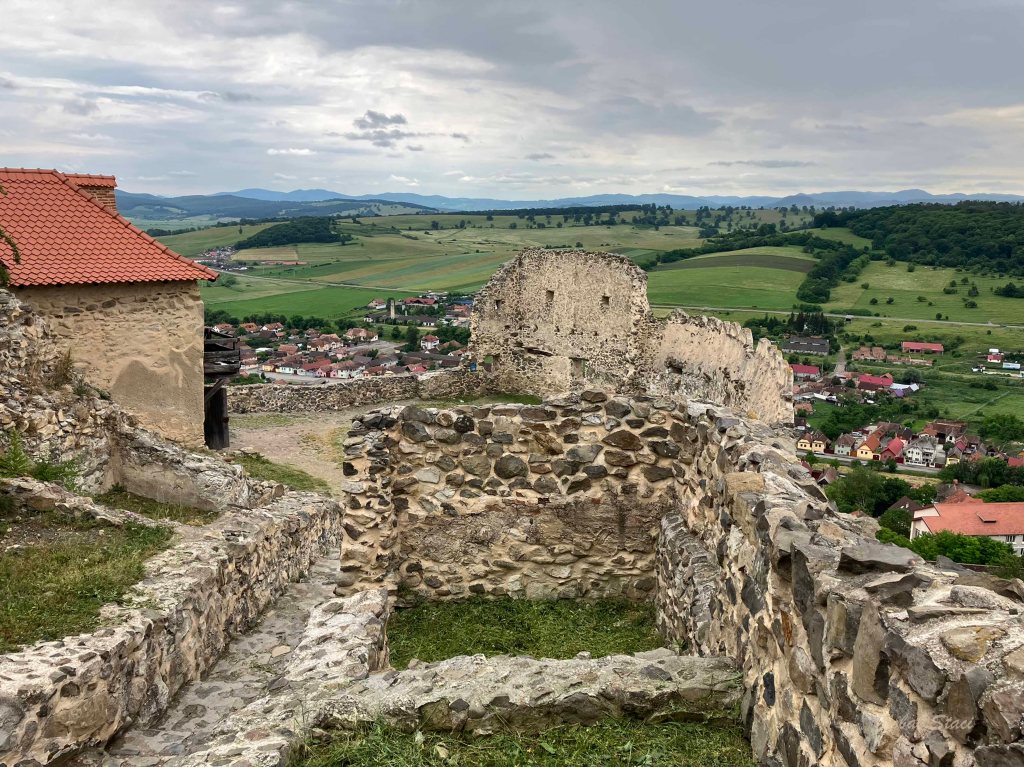
The first signs of human settlement in Romania were found at the Rupea Citadel is one of the oldest archeological sites in the country, dating to 5500-3500 BC. The large, circular fortifications were in use from the 10th century, though they were constantly upgraded and expanded until the 19th century. The fortress today has been heavily reconstructed, with towering walls and ramps that encircle the hilltop. Another day trip from Brasov, you’ll enjoy sweeping views from the top and get a glimpse of what garrison life was like when the fort was active.

 Global Staci
Pingback: ROMANIA | Brasov & Viscri | Global Staci
Pingback: Global Builders ROMANIA | Cluj-Napoca
Pingback: Sibiu, Romania | The City with Eyes