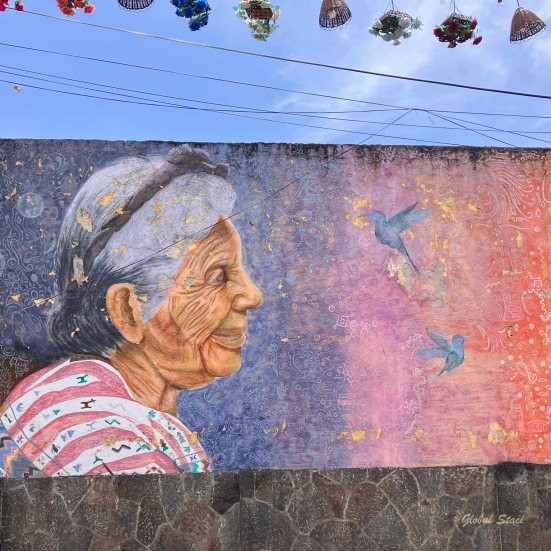
It had been 32 years since I rode the chicken bus highways in Guatemala, traveling with a college friend in Central America. Safe to say, some things have changed since then, others have remained the same. My reason for returning was to work on a team of volunteers in the Construction Program with San Lucas Mission, on the shores of Lake Atitlán in San Lucas Tolimán, Sololá, Guatemala.
[PRO TIP: You’ll need to complete a Digital Arrival Card online prior to arriving, and departing, Guatemala. It’s free.]
Surrounded by a dozen or so towns, each offering distinct cultural experiences and activities, many named for Christian saints, Lake Atitlán is the deepest lake in Central America. It’s stunning location in the Guatemalan Highlands surrounded by three volcanoes offers the traveler many delights, the least of which is not its beauty. Several indigenous Maya communities, including the Kaqchikel and Tz’utujil, live in the region.
[PRO TIP: Guatemala is a great place to learn and practice speaking Spanish. Because the first language of many Guatemalans is their native indigenous language, Spanish is often more clearly annunciated and slowly spoken making it easier for the learner to follow.]
Upon the team’s arrival, we met at La Aurora International Airport in Guatemala City, and hopped on a van headed for San Lucas, about a four-hour drive away. Upon arriving we were thrilled with our accommodations at Hotel Tolimán. A social enterprise, the hotel and restaurant are led by Guatemalan women committed to protecting the community. Boasting many sustainable tourism practices, the operation also actively supports community initiatives—a shelter for women survivors of violence, a community library and playroom, local cooperatives, youth projects, and environmental conservation to name a few.
[PRO TIP: For a sweet treat, check out Cookie Bar, right on Avenue 6. The cookies combine locally sourced fruits, chocolate and spices and are traditional Guatemalan and Western-style favorites. Bring cash.]


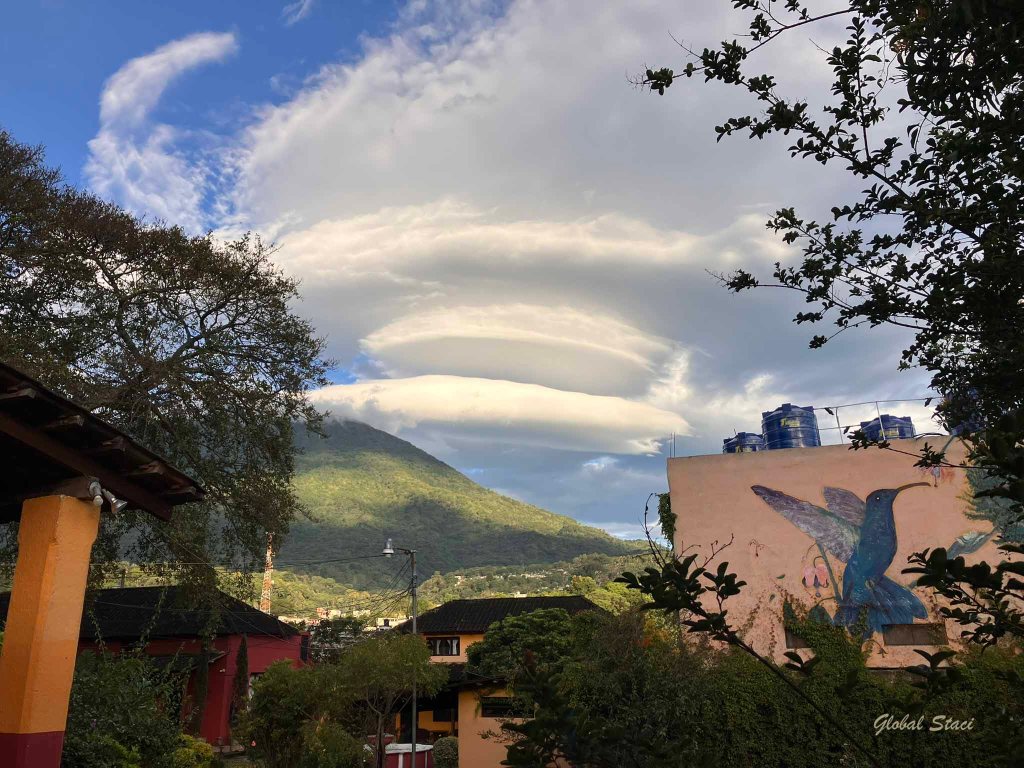
San Juan
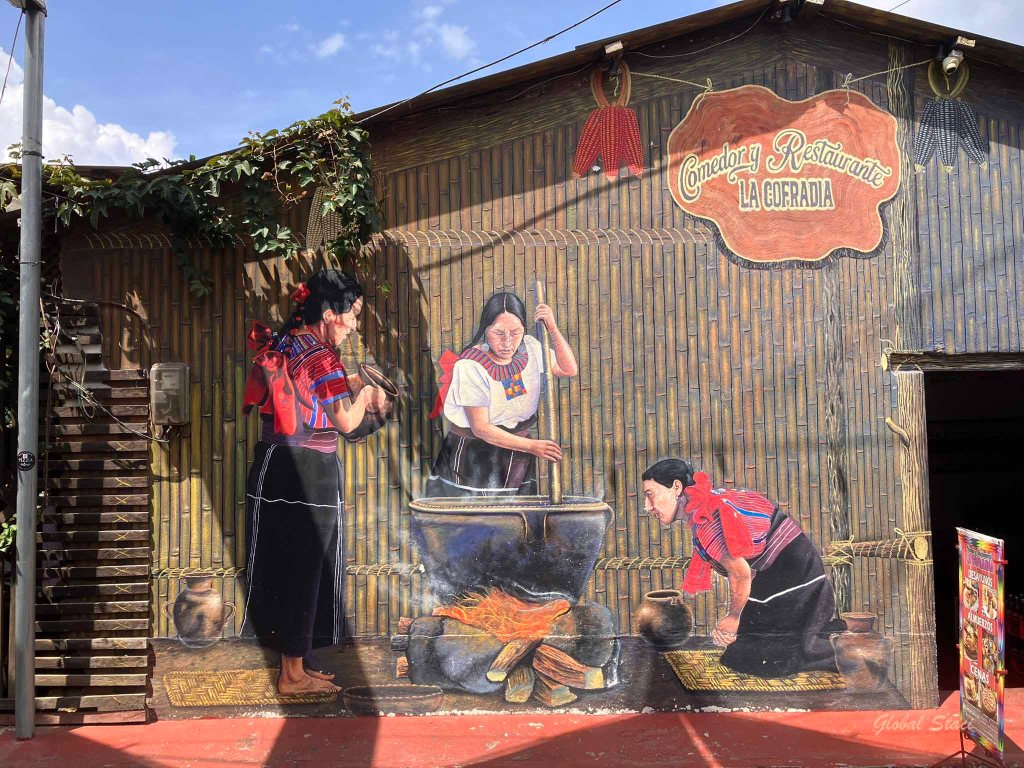
Before beginning our work week, we took a boat to neighboring town, San Juan on Sunday to enjoy the bustling atmosphere of this vibrant artisan community.
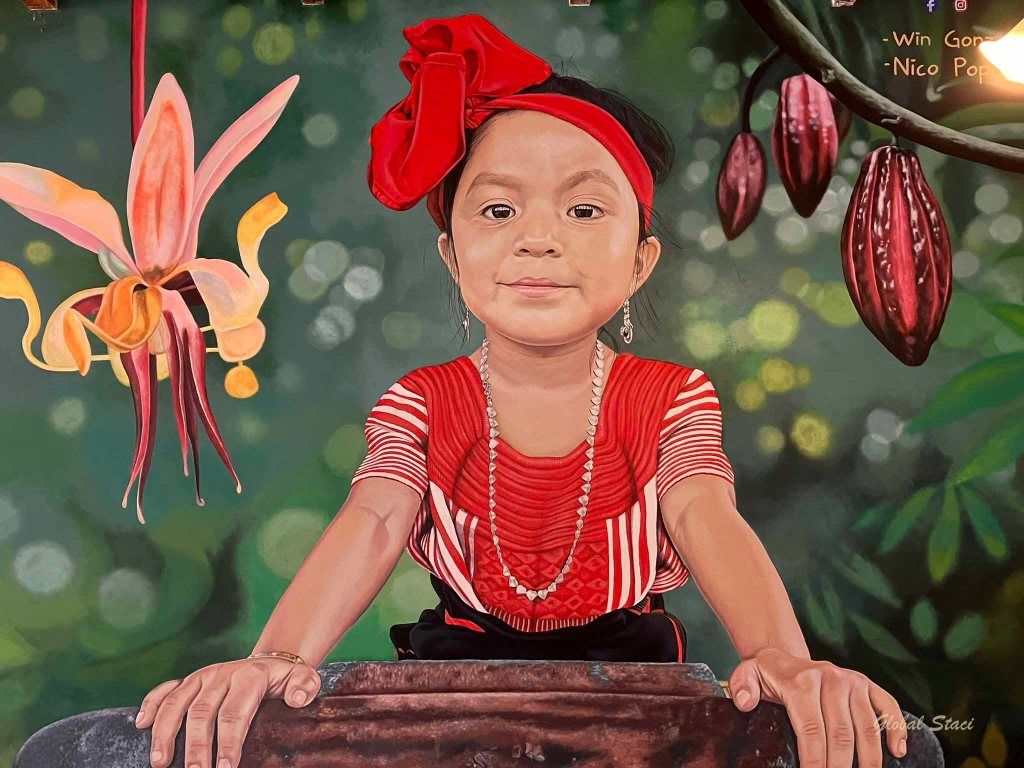
Chocolate Making Class @ Xocolatl San Juan la Laguna Chocolates Artesanales ||| A short walk from the main dock off Calle Principal, we immersed ourselves in the ancient Mayan tradition of chocolate making. This was a fun class, albeit a few hours, learning all about cacao in Mayan culture and how chocolate was, and is, made into tasty treats today.
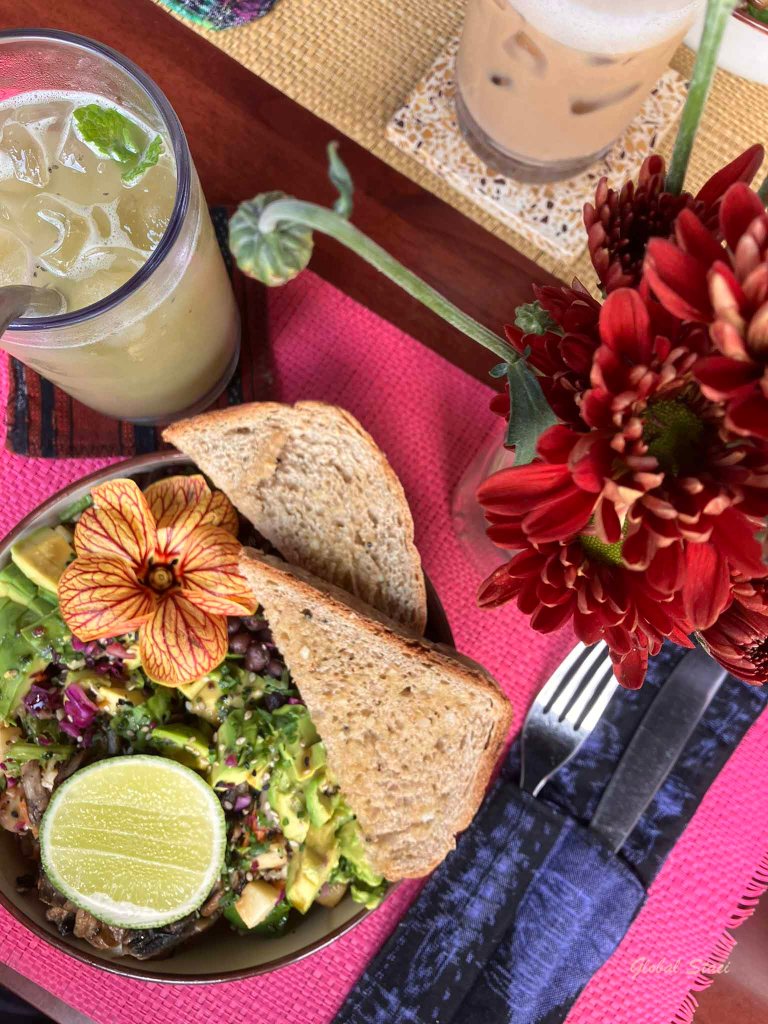
Lunch at Nativo Cafe ||| This charming cafe with delicious drinks and food is the perfect place to relax and fuel up. Local and owner Freddy is committed to doing all he can to help his community. You’ll love this place. [Canton Panoxti, Zona 1]
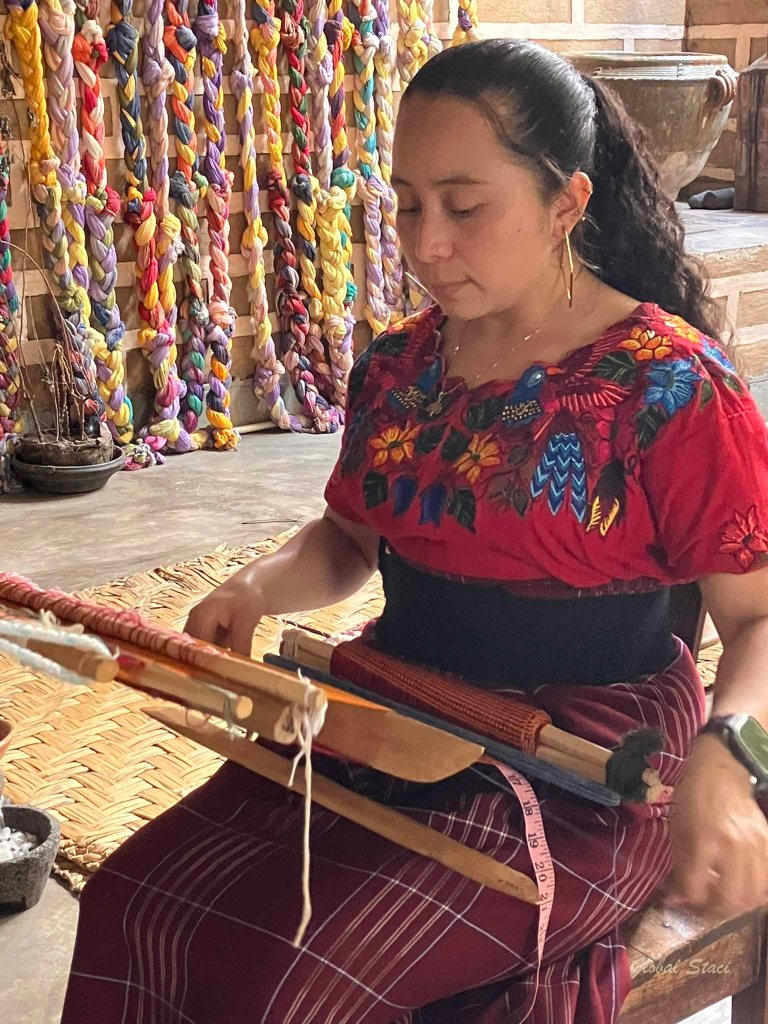
Casa del Tejido y Tours Women’s Weaving Cooperative ||| After a quick demo and presentation of how the cooperative benefits local families and how the women do the weaving using traditional looms, you can visit the shop where they sell their wares. [6 Calle Zona 2]

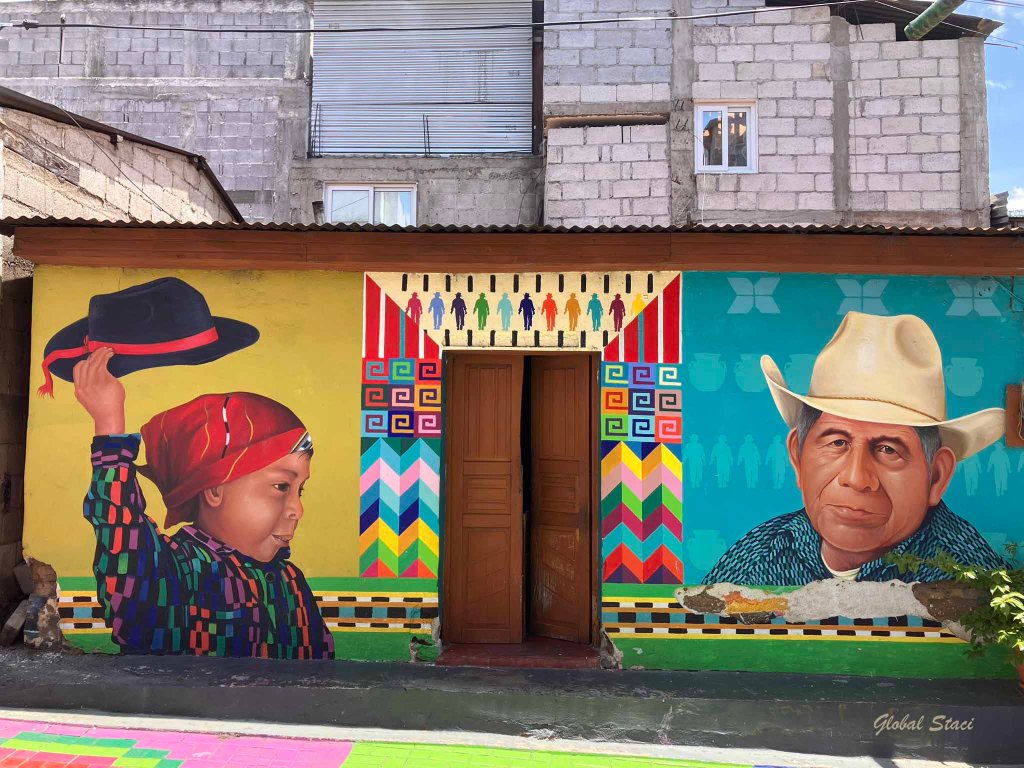
San Lucas
Our work week with San Lucas Mission‘s Construction Program presented some tough physical tasks. We were able to help build five homes, all at various stages of construction, and two clean and efficient stoves. I had heard a lot about building stoves in Guatemala, but had never done it, so I was super excited to see how this was accomplished!
All across Guatemala, many families, primarily women, still cook over open fires, sometimes in their homes, at great risk to their health and safety. Fuel-efficient stoves dramatically reduce smoke inhalation, lower rates of respiratory disease, and virtually eliminate burn injuries, dramatically improving a family’s life.

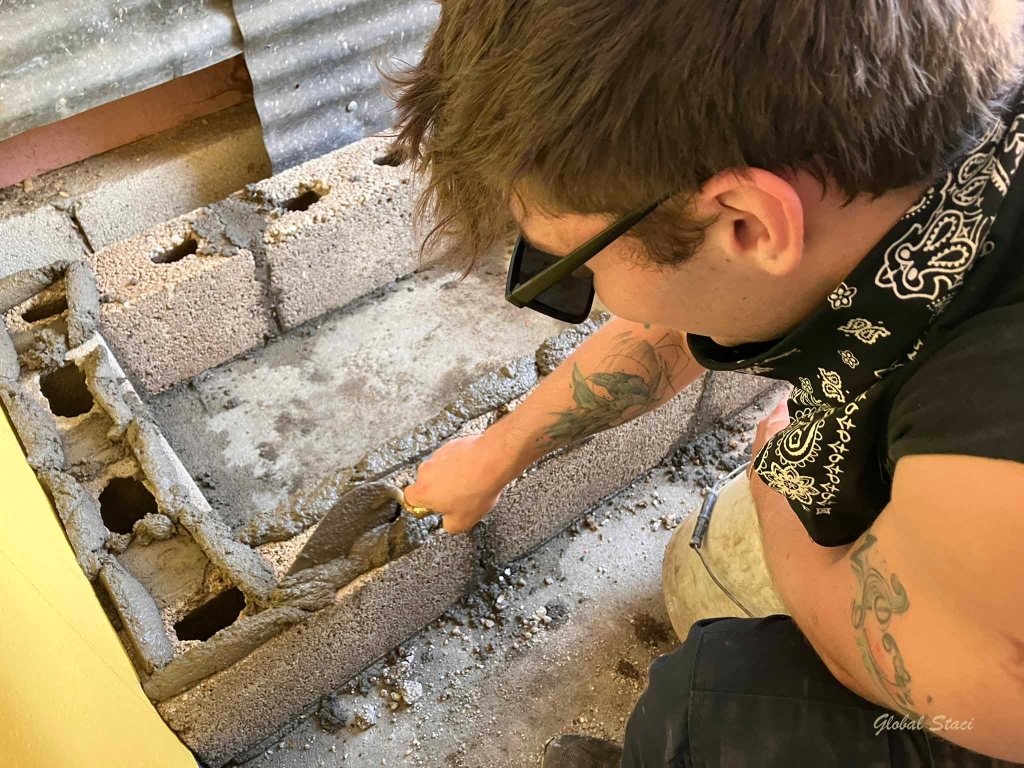
The Construction Program’s main areas of focus are block homes, wood homes and hybrid homes, a combination of block and wood, and the fuel-efficient stoves.
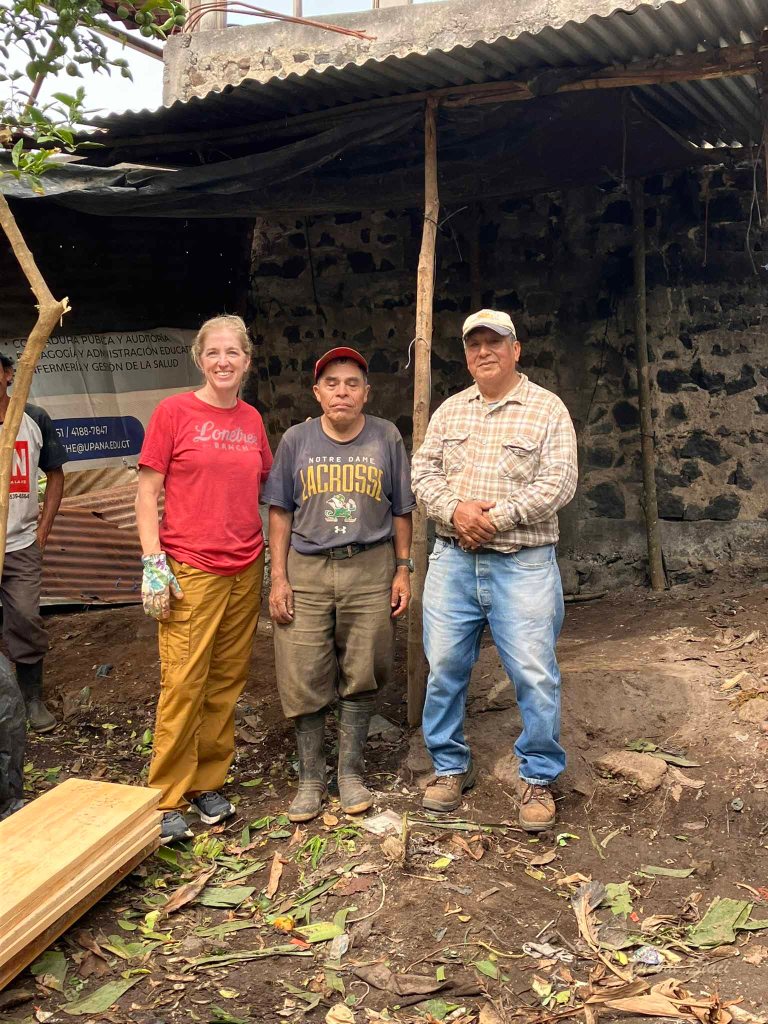
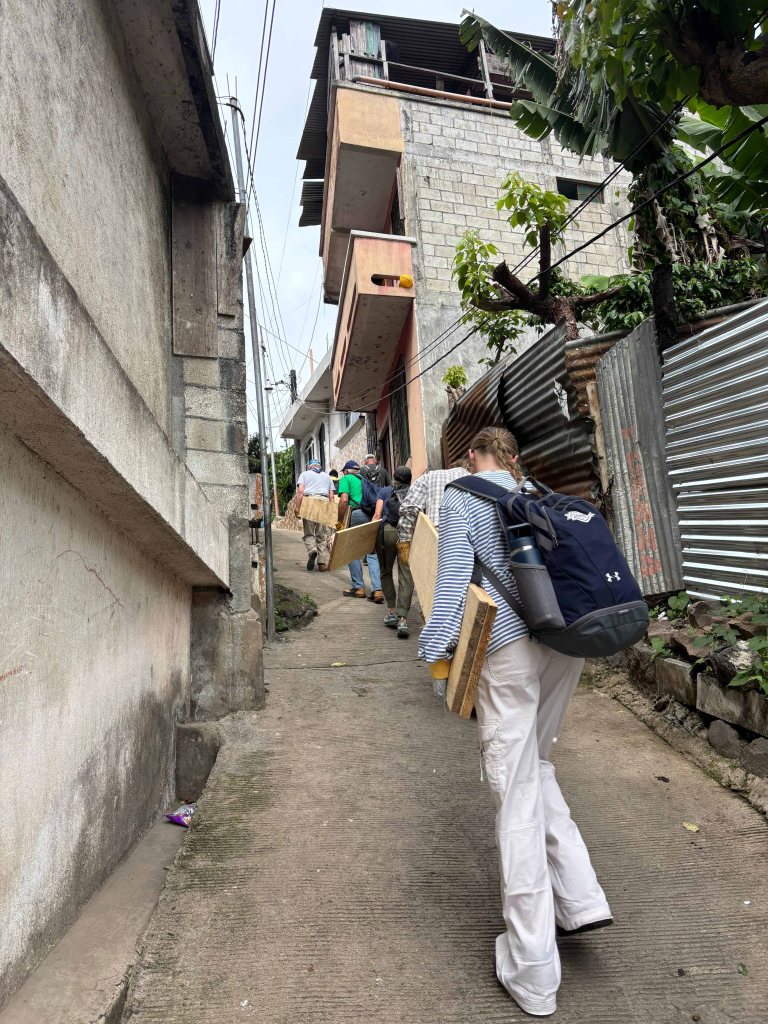
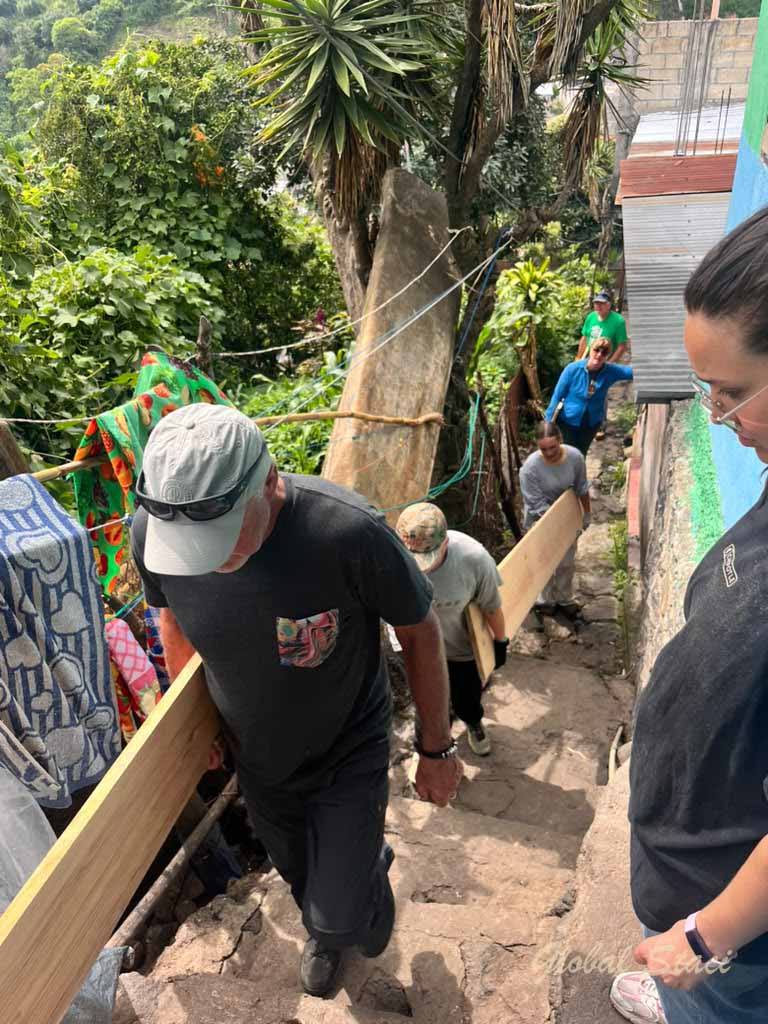
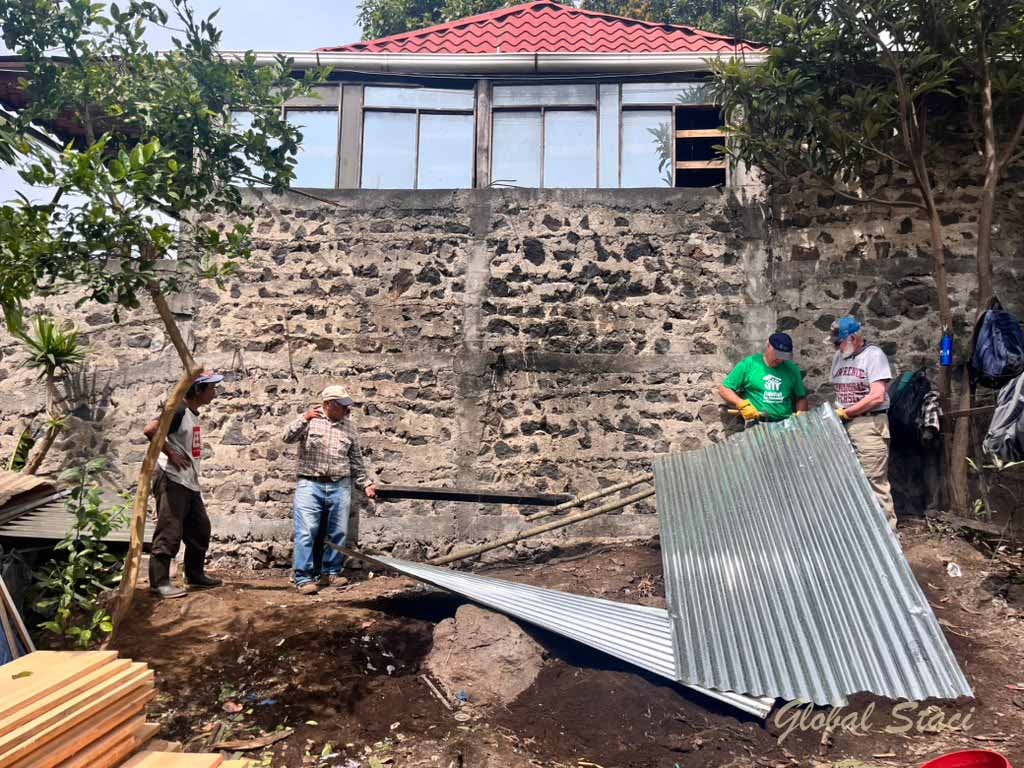
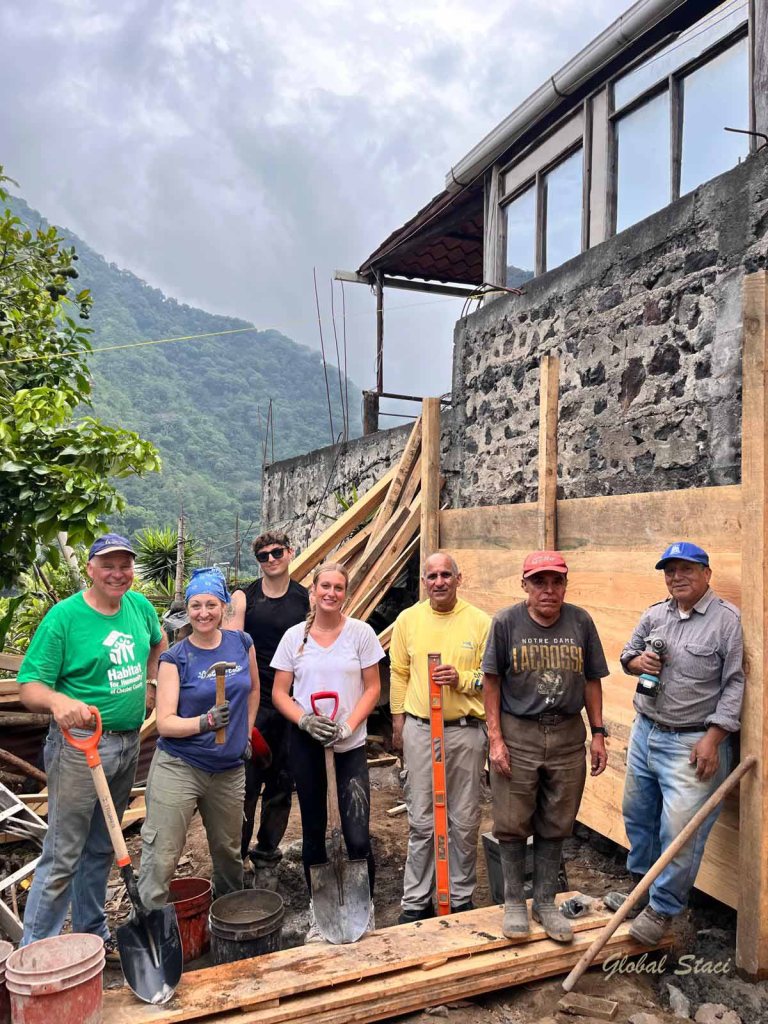
These photos are from our first site, a wood house. This is a huge improvement for the man who had been living essentially on the ground of a rented piece of land, covered by an old piece of metal for a roof. He lived at the top of two steep hills, and getting the building materials to the site was our first order of business. Carrying all the lumber, gravel, sand and tools to the top was the most challenging task of the week! By the end of the week, the walls were going up!
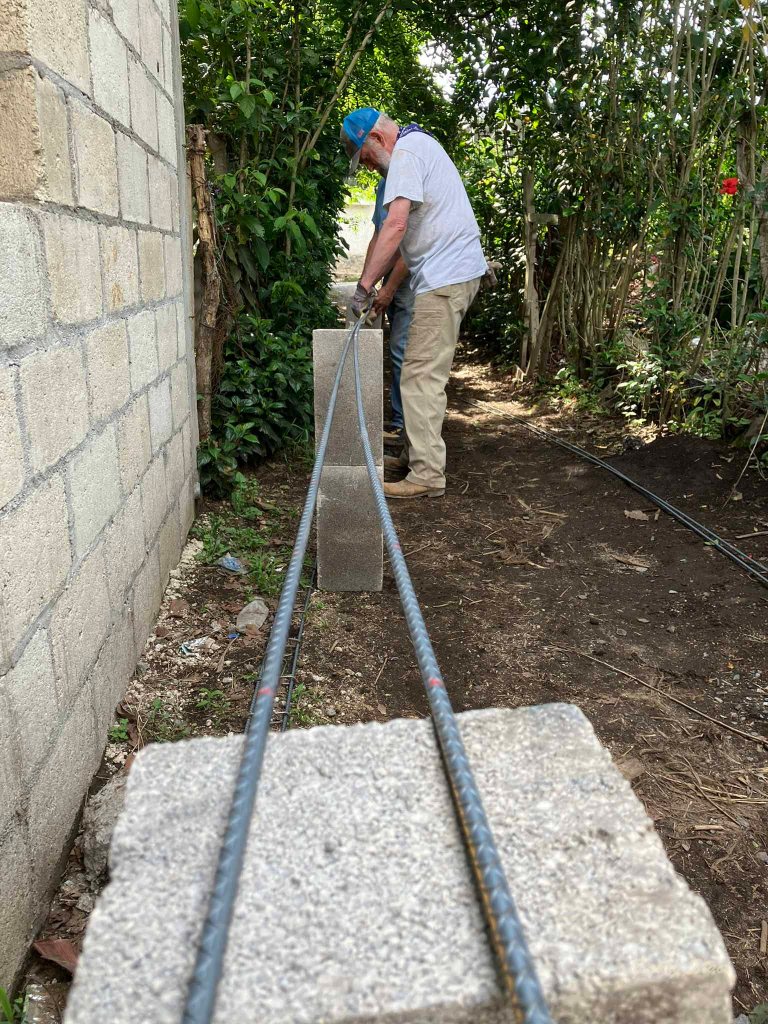
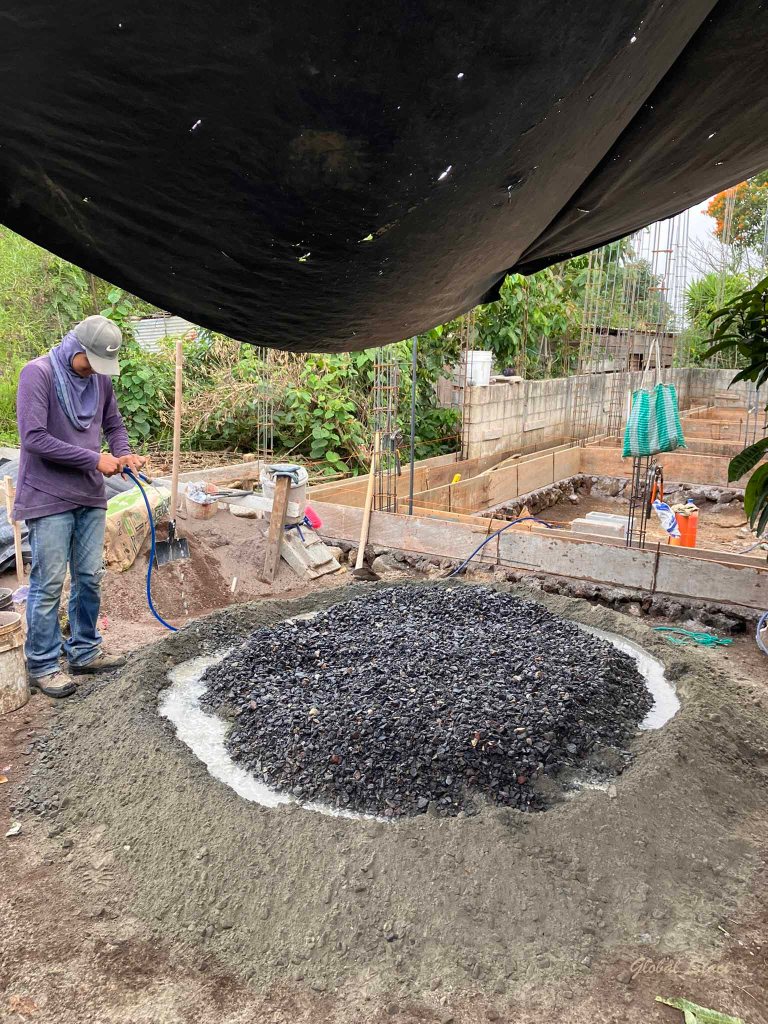
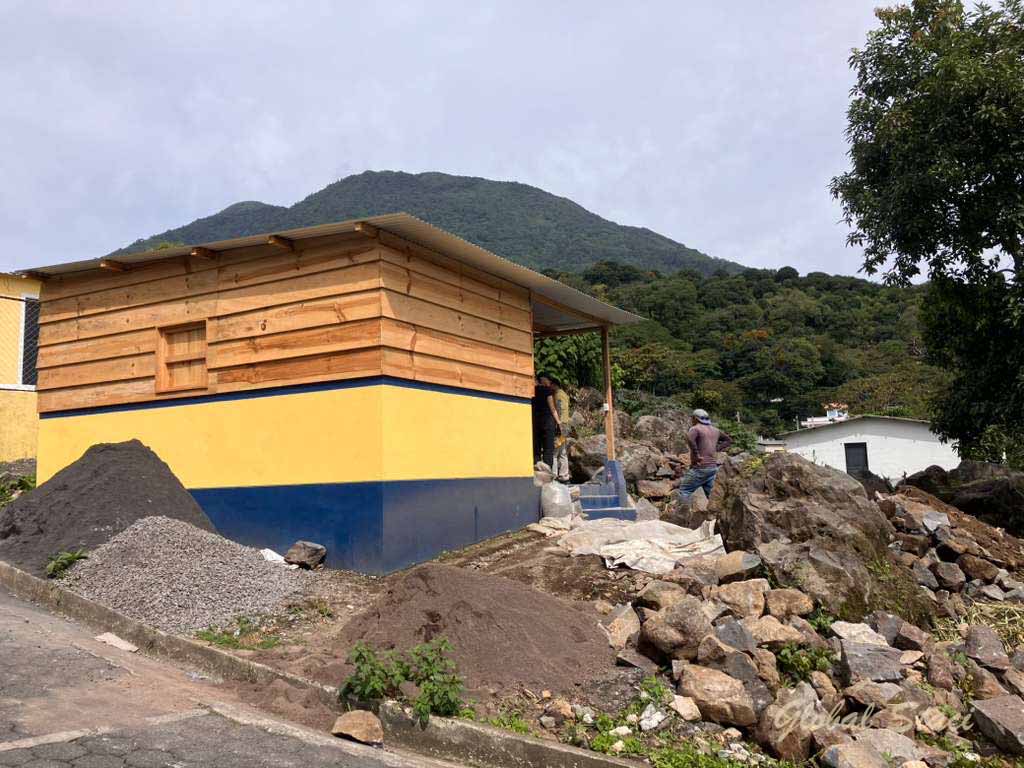
Below are examples of both the hybrid houses and the block house we worked on. Some of our tasks were building rebar towers (used to strengthen concrete block homes) moving block, mixing and ferrying concrete and moving piles of sand and rocks. Local professional construction workers will often do the heaviest lifting. For example, check out the guys digging those massive rocks out the hole they dug for the septic tank. Incredible what you can accomplish with muscle, hand tools and determination!

Lunch was served every day for all visitors at the Mission. It was a welcome break from our labor and provided a chance to meet other volunteers. Dish washing is also part of the “fun!”


Construction is just one of several programs of San Lucas Mission. They are all impressive.
One of our teammates saw The Charity With Dignity Program in action. Created to provide emergency assistance to community members in the greatest need with financial assistance, food and clothing, volunteers can visit families and distribute goods.
We also visited The Women’s Center, created to provide a welcoming place for women to take classes in sewing, weaving and cooking so they can earn their own income. Visitors can observe traditional weaving techniques as well as purchase products directly from the women who made them.


Our team was able to learn more about the Coffee Program and enjoy a tasting and latte making session. The coffee is phenomenal, some of the best I’ve ever tasted. And with good reason.
Café Juan Ana was founded in 1992 in response to challenges faced by area coffee growers receiving fair pay for their crops. To address this, Café Juan Ana’s direct trade model was established to pay growers above-market rates for their highest quality, shade grown, 100% arabica coffee. Anyone can continue to support the livelihood of Guatemalan growers and their families with online purchases.
The Mission provides healthcare for San Lucas and the surrounding communities through a hospital and a Health Promoter Program. The hospital has been led by Dr. Rafael Tun, a San Lucas native, since 1998.
Colegio Monseñor Gregorio Schaffer was opened in 1968 with the goal of providing education to all children in and around San Lucas Tolimán, especially the indigenous Maya population. Today, the school provides preschool through 6th-grade education to over 600 students annually.
A great week of dirty work and clean fun!


Pingback: Two Friends, Three Nights in Antigua, Guatemala