Day 1 | Arriving from the North by Car
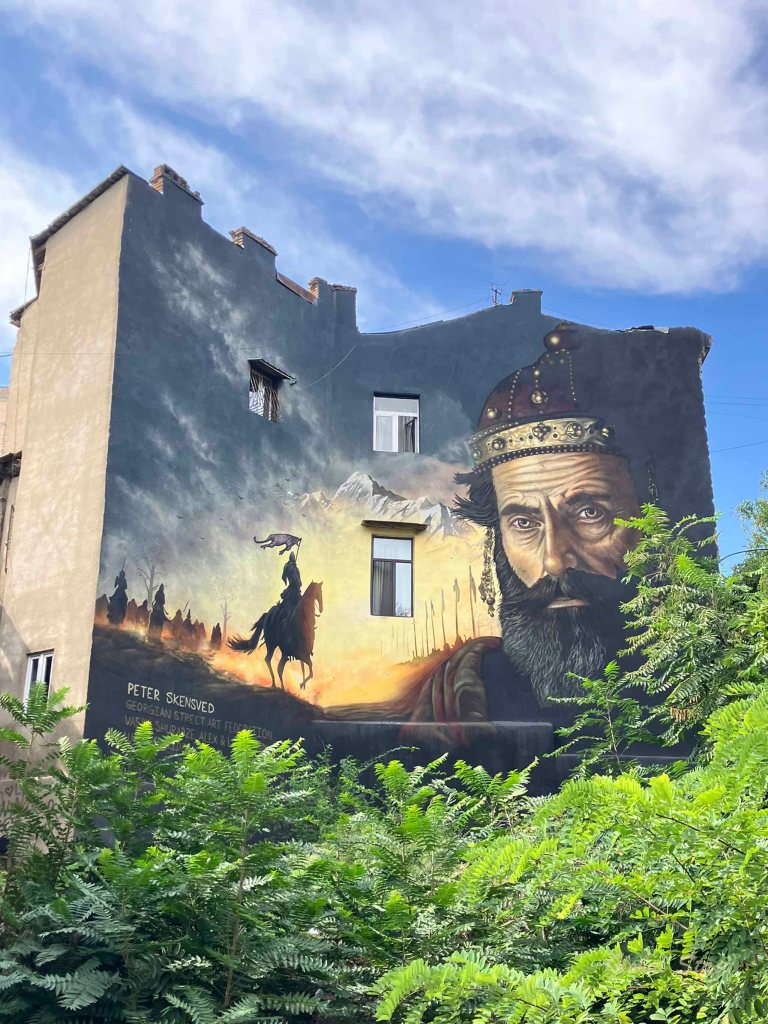

Arriving in Tbilisi that afternoon, with two of our friends departing that evening, we made the most of the time we had left together and walked along charming cobblestone streets toward the Kura River, toward the Bridge of Peace. A bow-shaped pedestrian bridge made of steel and glass that links the Old City to Rike Park, it’s an easy landmark to spot.
[PRO TIP: This is an ideal place to look for a pontoon boat captain to take you for a cruise on the Kura River! Just approach one and negotiate the price.]
Not far from the bridge is the station for the cable car to Narikala. Tbilisi has more than one funicular, but this is the most visiting route, and it offers stunning views of Old Town on the way up and even more amazing views from the top. It’s inexpensive, direct and open morning to evening. I found conflicting information online about opening times but found that cars do run up until 10 or 11pm.
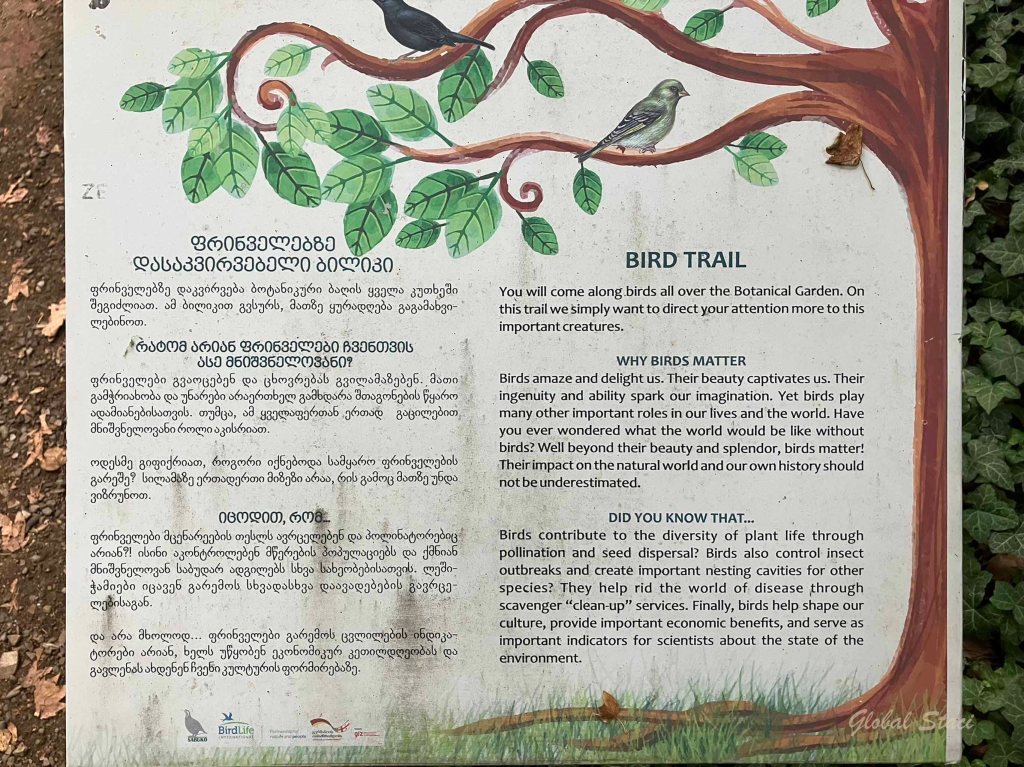
Once atop Sololaki Hill, check out Kartlis Deda (translated into English as “Mother of Georgia”) a monumental 20-meter aluminum statue overlooking the city. It was a beautiful evening to have a walk around the Tbilisi Botanical Garden, a 128 hectares park showcasing thousands of plants from all corners of the world.


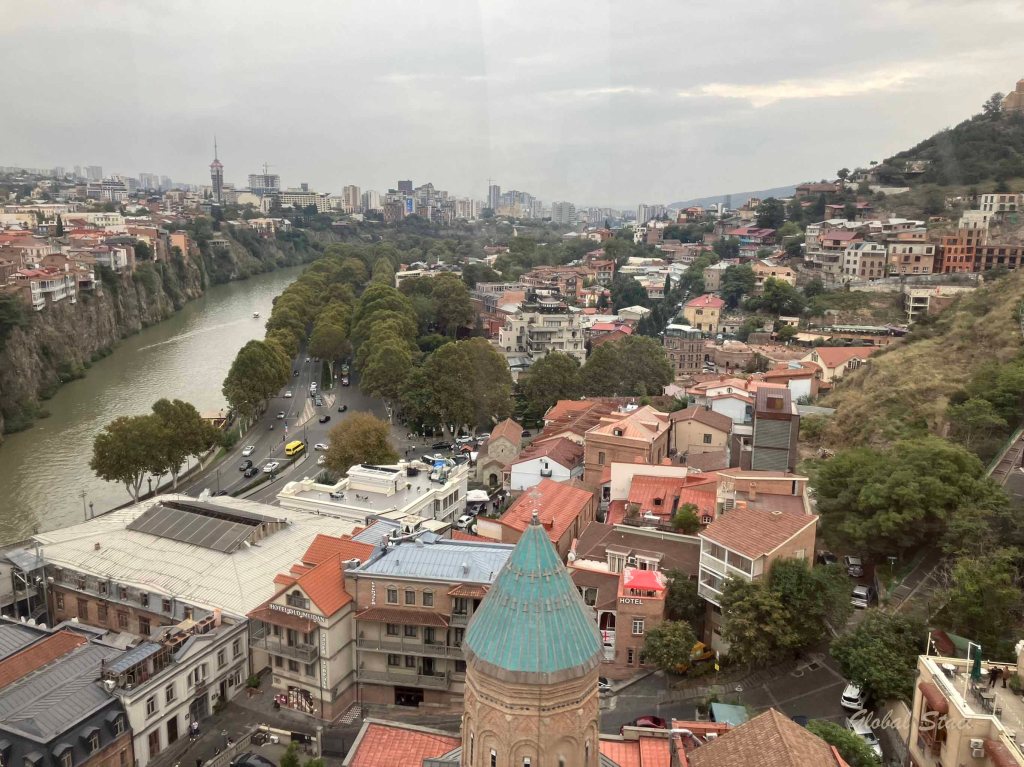

Our home away from home was the fabulous Bazaar Hotel, well situated in a historic neighborhood, an easy walk to many sites.
[PRO TIP: If you need to do laundry, nearby is the Old City Laundry self-service laundromat.]
Day 2 | Discovering the Old City
Not far from the hotel is the Tbilisi City Wall accessed from Pushkin Street, radiating out from Freedom Square where you can also see Freedom Monument, dedicated to the freedom and independence of the Georgian nation. In 2012, during a city refurbishment process, the city’s original fortified wall, dating back to the 12th and 13th centuries, was discovered and preserved.
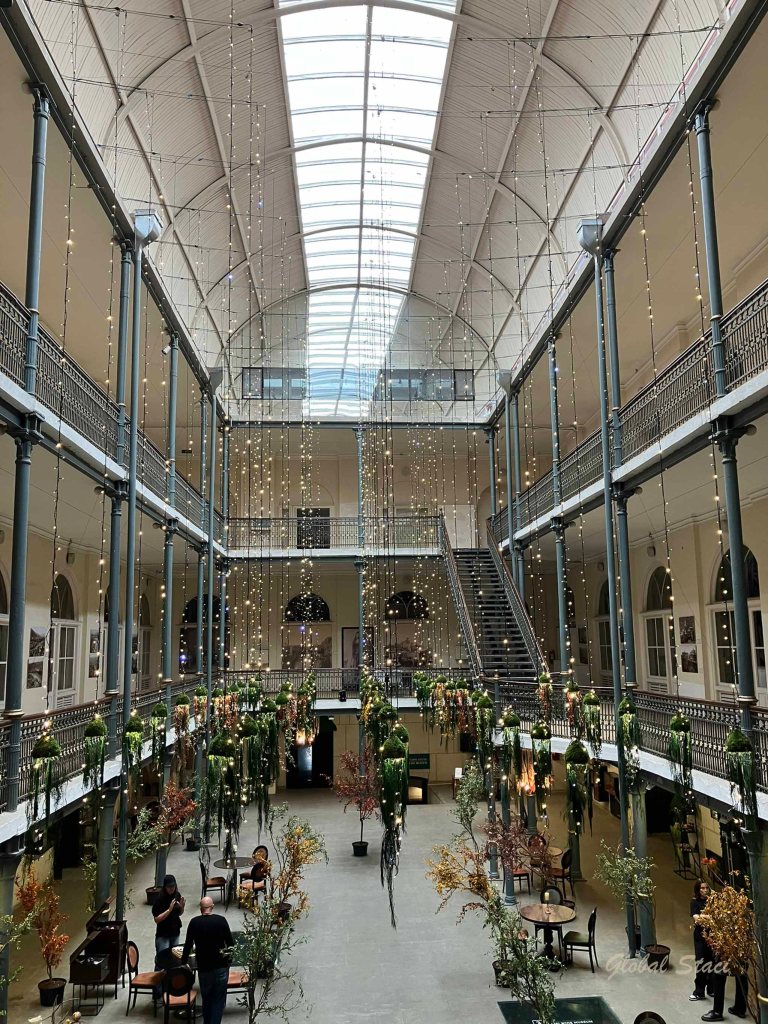
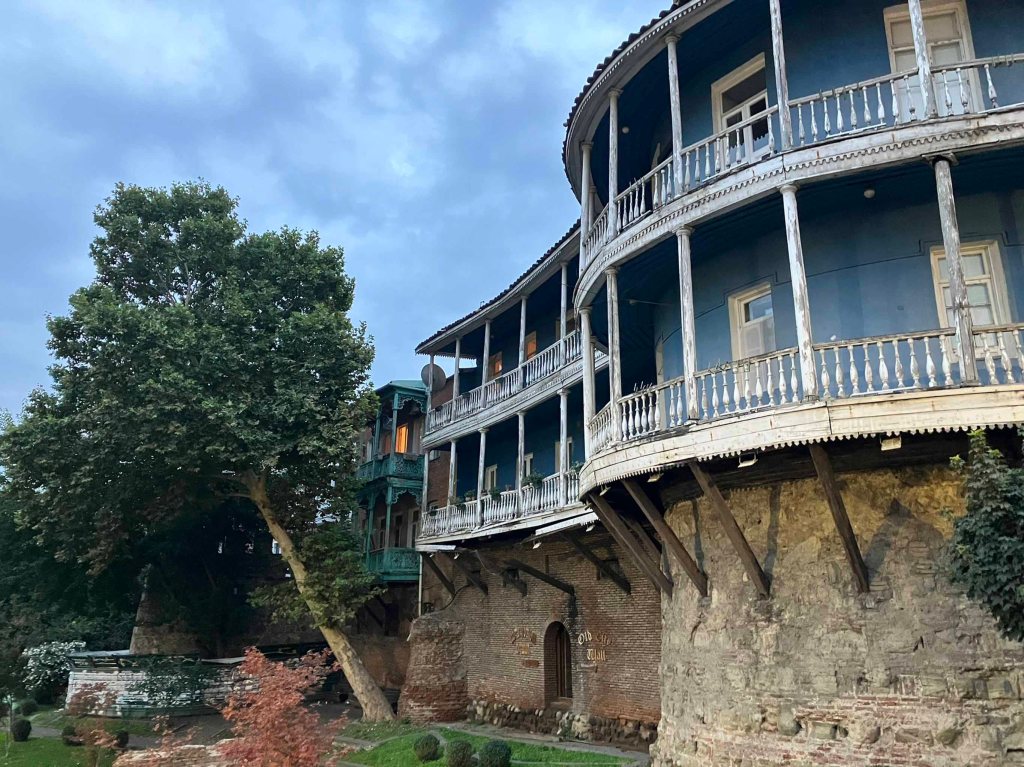
Wander through the Old Medina and don’t miss the Caravanserai. Tucked away at 8 Sioni Street, we stumbled upon this once crumbling, now renovated architectural wonder. King Rostom first built the original Caravanserai adjacent to Sioni Cathedral in the 16th century, a gift to the church. In 1984, following another large-scale rehabilitation, the Caravanserai became the Grishashvili Tbilisi History Museum and houses the Tbilisi Wine Museum and lovely shops.

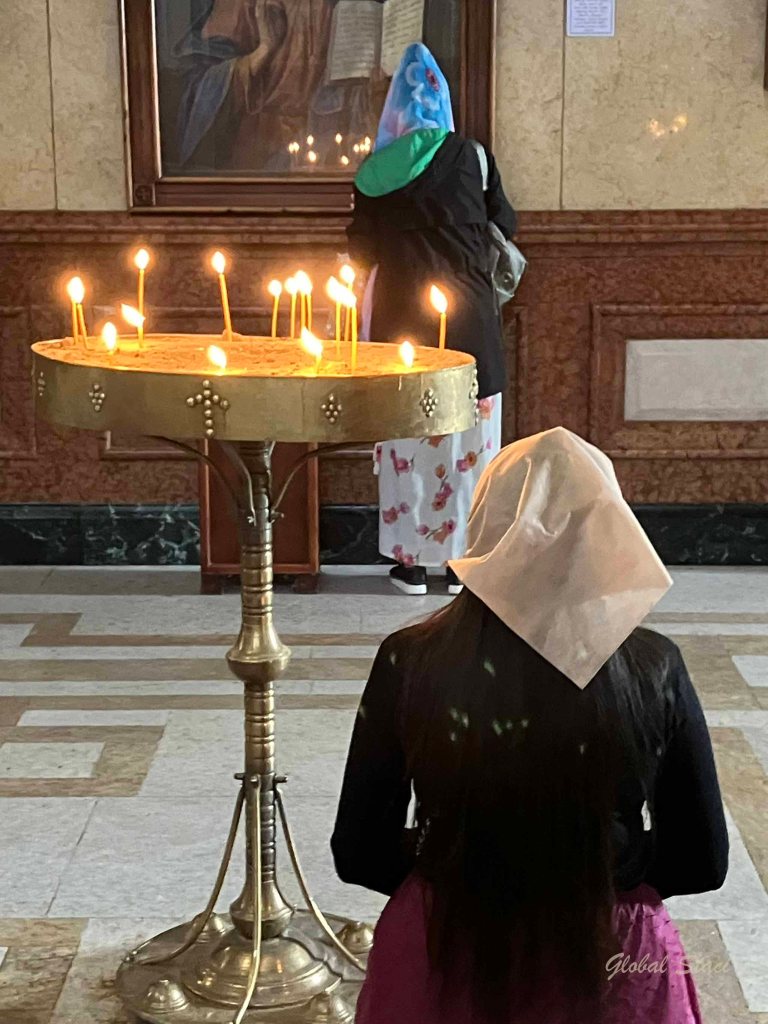
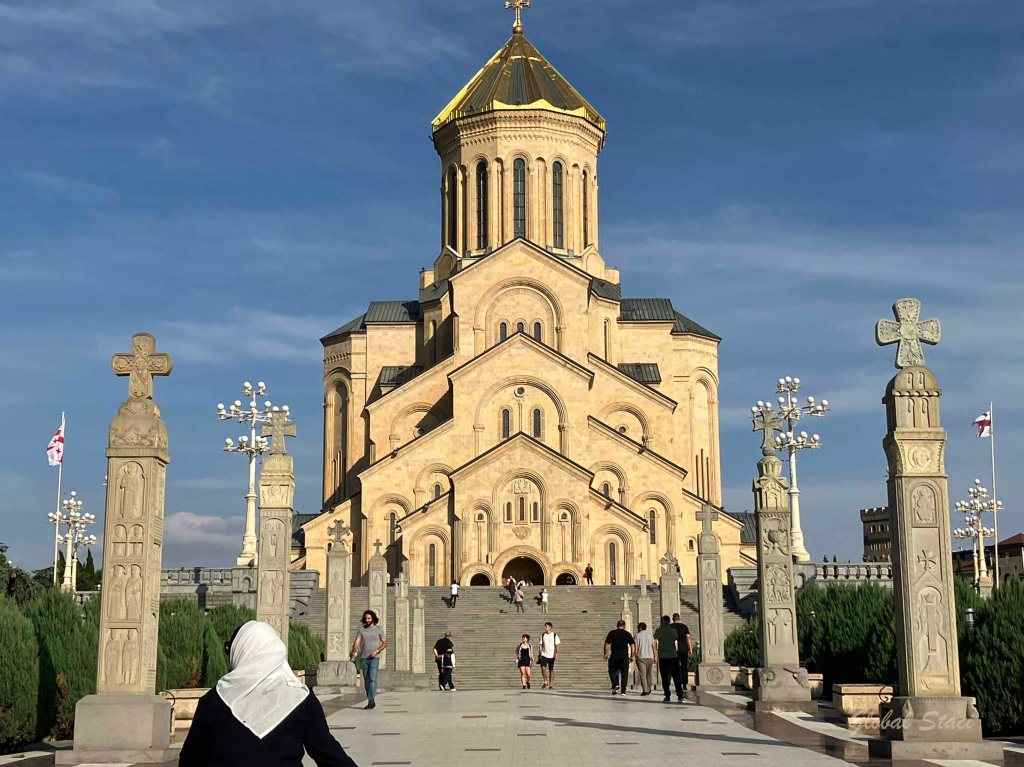
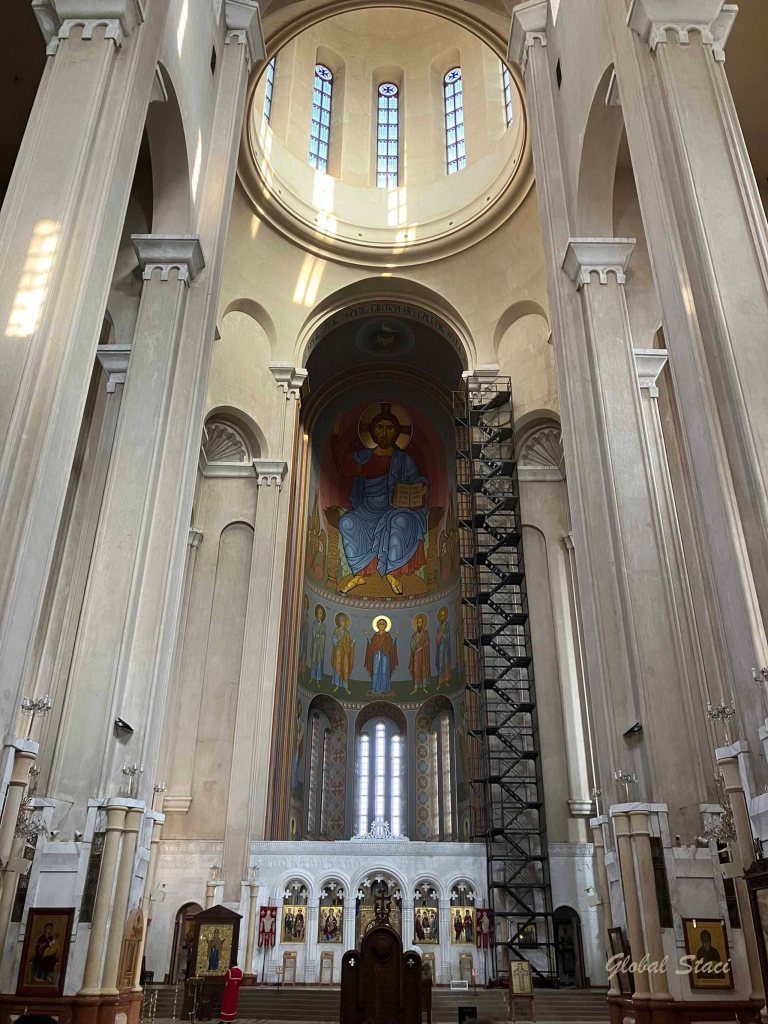
The Holy Trinity Cathedral of Tbilisi, commonly known as Sameba Cathedral, sits atop Elia Hill, above the left bank of the Kura River in the historic neighborhood of Avlabari in Old Tbilisi. It is the main cathedral of the Georgian Orthodox Church, the third-tallest Eastern Orthodox cathedral in the world, and one of the largest religious buildings in the world by total area. On 23 November 1995 the cornerstone of the foundation was laid and then consecrated nine years later on 23 November 2004, St. George’s Day.
Day 3 | Museums, Georgia Past & Present
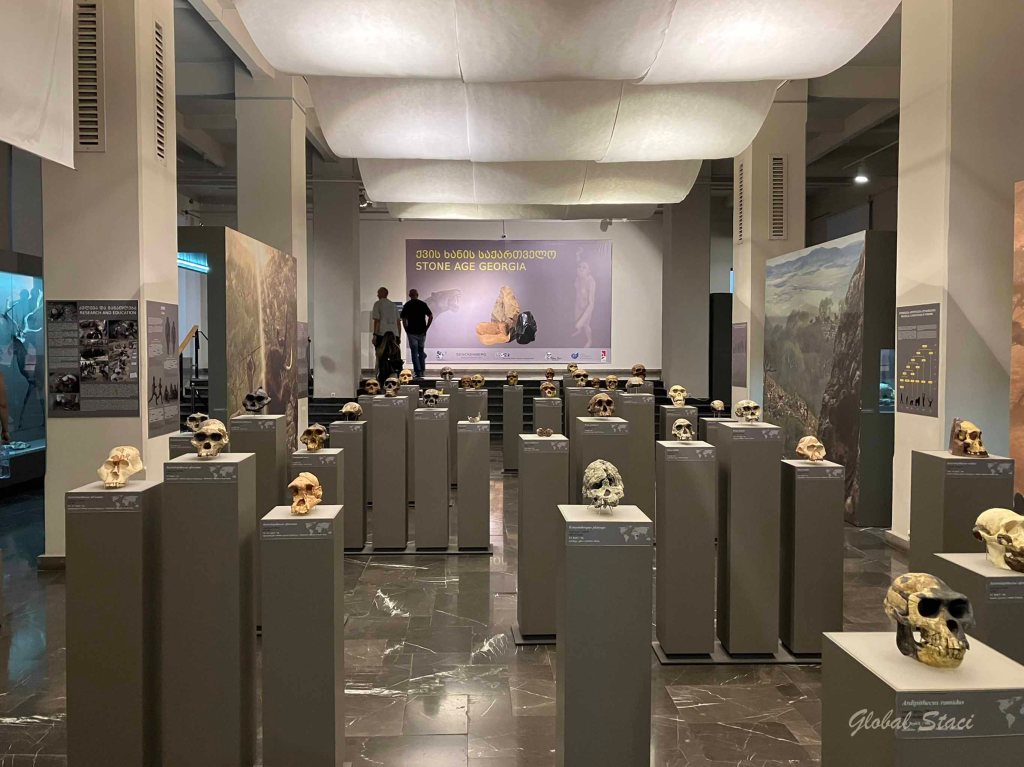
The Georgian National Museum [3, Shota Rustaveli Avenue]—The largest museum complex in Georgia, housing a vast collection of Georgian cultural and historical artifacts dating back to at least the 4th century BC. Founded in the early 19th century and eventually merging into the Georgian National Museum in 2004. It comprises several branches, including the Museum of Georgia, the Georgian National Museum of Fine Arts, and the Open-Air Museum of Ethnography.
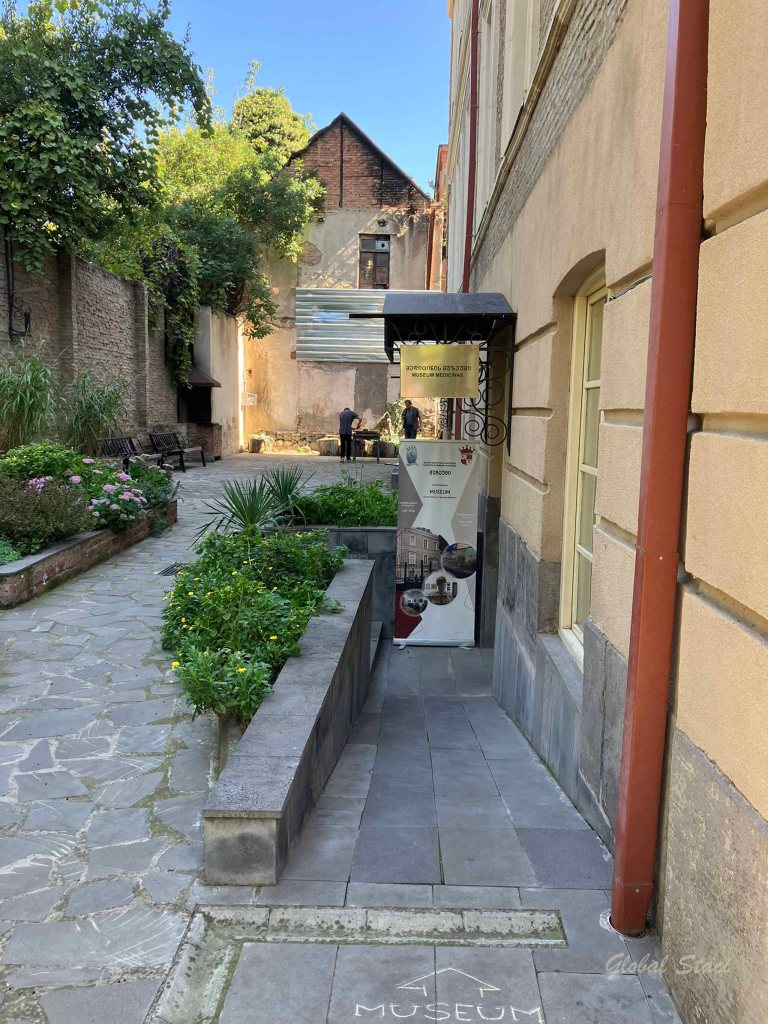
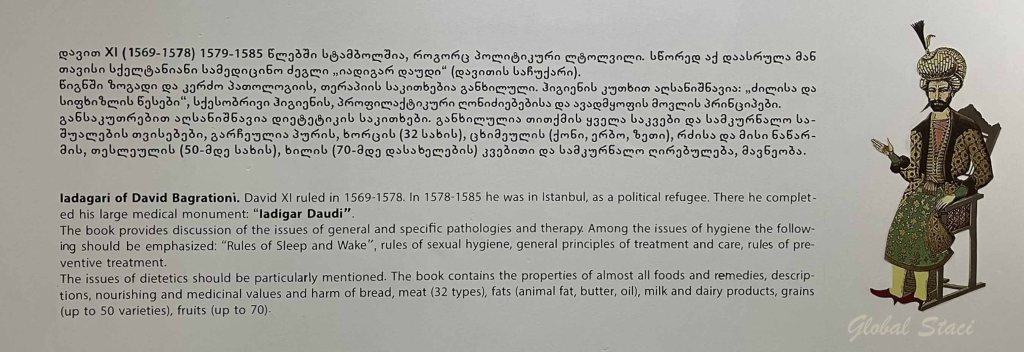
The Museum of the History of Georgian Medicine [51 Dimitri Uznadze Street]—A little hidden gem. As someone deeply interested in the healing arts, when I learned that this museum was in Tbilisi, I added it to my itinerary. Established in 1963, housed in a a building from the former Michael’s Hospital complex, its collection of over 19,000 items traces the country’s medical history from prehistoric times through the Bronze Age, including artifacts that tell the mythological story of Princess Medea and Jason and the Argonauts.
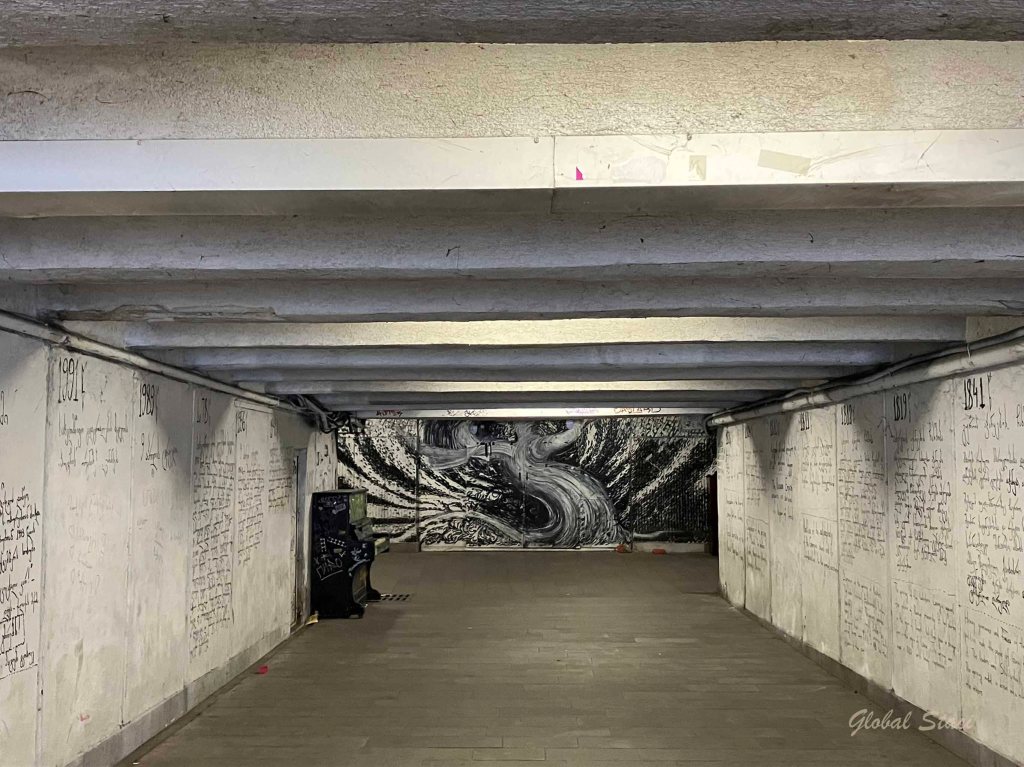
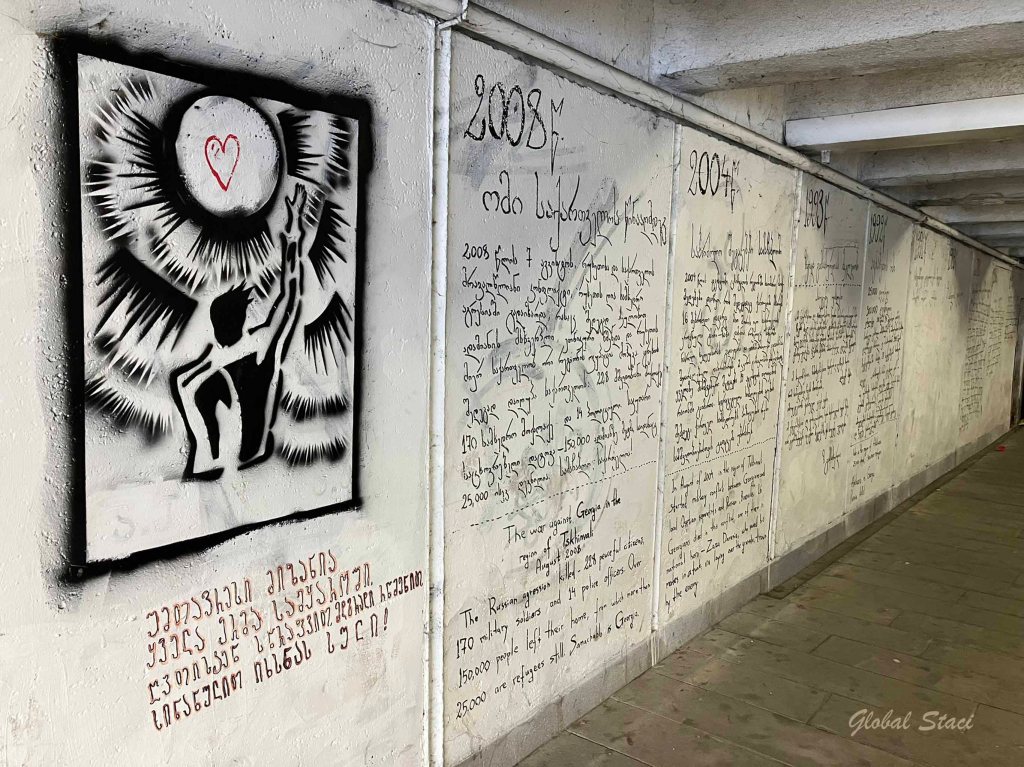
[PRO TIP: Use the underground passageways to cross busy thoroughfares; they are a huge timesaver!]
Day 4 | Shopping, Georgia Past & Present
While some may head right to the posh Rustaveli Avenue and its cosmopolitan shops, we were much more interested in finding local designers and independent boutiques, of which Tbilisi offers many. Honestly just wandering around, walking from point A to point B we happened upon lots of cool shops and even sample sales. Here are a few we noted:
- Bakmy Georgian Enamel Workroom [19 Anton Katalikosi] – classically Georgian
- Kattio Clothing and Accessories [22 Kote Apkhazi Street] – curated selection of Georgian desingers
- Babale [21 Al. Diuma Street] – ceramic, wood, textile workshop with proceeds benefiting children and adults with Down Syndrome
- Chatsma [18 Kote Apkhazi Street] – Georgian designer’s concept store
- Yuliko & Friends [22 Kote Afkhazi] – cool and trendy Georgian clothing
Dry Bridge Market—For all things “antique” especially if you are in the market for Russian and or World War souvenirs, this flea market since the 1950s is the place. You can also find contemporary art and handicrafts. It’s fun to look!


Our Favorite Restaurants in Tbilisi
- Hopa Taproom – great place for a craft beer flight!
- Salobie Bia – one of our best meals
- Cafe Daphne – best khinkali (dumplings) in Tbilisi
- Rooster Bar & Grill – near Dry Bridge, esp. great burgers
- Bistro Conili – near the bath houses
- Ethno Tsiskvili – ethnic dance show and food, touristy and a drive out of the city (have your hotel call you a cab) but worth it. We enjoyed our last night in Tbilisi here.


Visiting a Sulfur Bath House
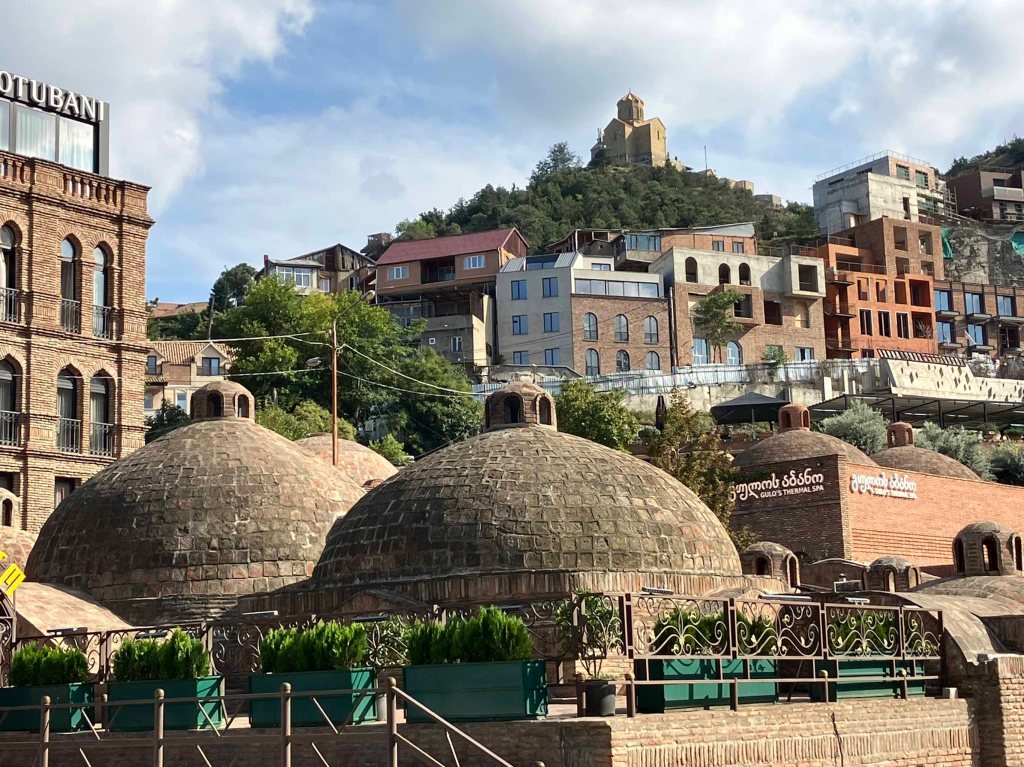
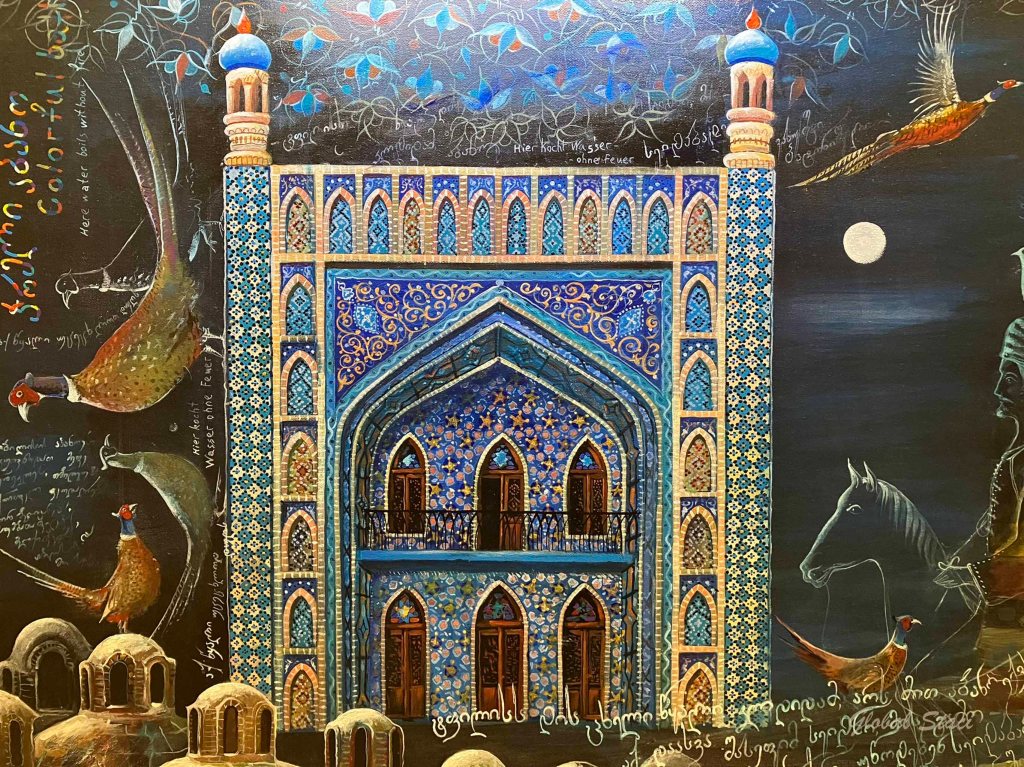
Most of Tbilisi’s sulfur baths are located in Abanotubani district, the oldest section of Tbilisi, adjacent to the river and not far from the Old Median. It is one of Tbilisi’s most recognizable neighborhoods, thanks to the brick domes that pop out of the earth like pizza ovens. These are the bath houses. The design allows natural light to stream into the rooms and provides ventilation for the sulfuric steam to escape.
I had read that No. 5 Sulfur Bathhouse was the best of the public baths and it’s really inexpensive, so we started there. But without someone who spoke English to greet us and clearly tell us what to do, and because this was our one shot at the experience, we opted for Chreli-Abano [N2 Abano Street], which while pricey, well worth it! When we popped in, they were booked, but we scored a reservation for a couple days later. Therefore, it is best to book in advance, especially if your time is limited.

The Chreli only has private rooms and my friend and I splurged on a larger room (N1) with a shower, a hot Finnish sauna and pools with hot and cold sulfur water. There was also a space for us to lay down to have the Mekise give us a scrub. Say what?
Treatments at the baths can be added on for an additional cost. Getting the kisi, an exfoliation scrub is a must. It’s a vigorous scrub-down with a textured mitt to get rid of dead skin all over your body, followed by a foamy wash down with the mineral rich waters. A kisi typically takes 10-15 minutes and the person who performs it is called a Mekise. As women our Mekise was female, of course.
Although we brought our swimsuits, we opted to be fully naked, and it was amazing! Liberating even. If you order a kisi at Chreli, you will pay the Mekise separately in cash. Tipping is optional; if you choose to tip, 10% is standard.
[PRO TIP: If you are hungry like we were, I highly recommend Bistro Conili [23 Abano Street] just outside the entrance of the Chreli.]
Day 5 | Departure
I flew Qatar Airways and the best flight for my journey home had an overnight layover in Doha. I’ve taken advantage of the airline’s stopover program before, but this time opted to try spending the night in the Oryx Airport Hotel. In short, it’s fantastic. I booked my stay on booking.com, where I often get a better deal than booking directly with the property.
The hotel is in the center of the main terminal, so you are not leaving the airport. Look for the giant yellow teddy bear and Louis Vuitton and take the elevator to the third floor to check in. There is a swimming pool and spa, not to mention Hamad International is one of the best airports in the world. Lose your Rolex? Forgot your Gucci? Need a diamond engagement ring? Want to walk among the trees? All within reach.]
[PRO TIP: I recommend considering gaining access to one of their many lounges for food and drink, which may come with your ticket, or simply avail yourself of one of the many options in the terminal.]
 Global Staci
Pingback: The Republic of Georgia, when the mountains are calling!