I had three reasons for traveling to Slovakia.
- I had never been.
- It was close to Romania, where I’d been the week prior.
- Most importantly, I wanted to travel in a part of the world where some of my ancestors came from. My great grandmother was born here in the late 19th century.
Not long after arriving in Bratislava, several times I was moved to tears, just looking at the faces of the people who live here, especially older women, who reminded me of my own grandmother and her siblings. It was the first time I was able to connect with my roots through intentional travel.
From astronomers to athletes, from composers to computer scientists, philosophers to physicists, notable Slovakians have played an active role in both European and world history. A few well-known Slovakians. Jon Bon Jovi. Born in my hometown Pittsburgh, Pop-artist Andy Warhol’s parents came from small village in eastern Slovakia. Actor, director, entrepreneur and philanthropist Paul Newman’s mother and actress Angelina Jolie’s father’s family, actor Jon Voight, came from Slovakia.
Not only was this former chunk of the Austro-Hungarian Empire a center for industrial manufacturing centuries before, today the legacy continues. Nicknamed the Detroit of Europe, Slovakia produces more cars per capita than any other country in the world. With so many eggs in the automotive basket, some worry that the economy is not diverse enough. Why not support the tourism trade with your visit?

[PRO TIP: Although not as direct as I thought it would be given that Romania and Slovakia share a border, getting to Bratislava didn’t take long. Because we started in Cluj, we opted for the short flight on Wizz Air to Vienna and our fabulous tour guide, Ondrej (of family owned Rajec Travel) whisked us up at the airport and drove us to Bratislava, the capital of Slovakia.
Day 1 | Vienna to Bratislava
Bratislava is quite beautiful, especially the old squares and their landmarks. Once the Hungarian coronation city on the Danube, with its castles and palaces and summer resorts of Austrian nobility, the city retains its charms, even it never was grand. I wondered how it could be only 60 kilometers from Vienna and be so diminished by its grandeur. The answer is a historical one.
After WWII Slovakia sat firmly behind the Iron Curtain. Unlike Vienna, which received USA Marshall Plan money for redevelopment, the country found itself in the grips of the Soviet Communist empire. We learned quite a bit about that, touring the countryside with such an able and history loving guide.

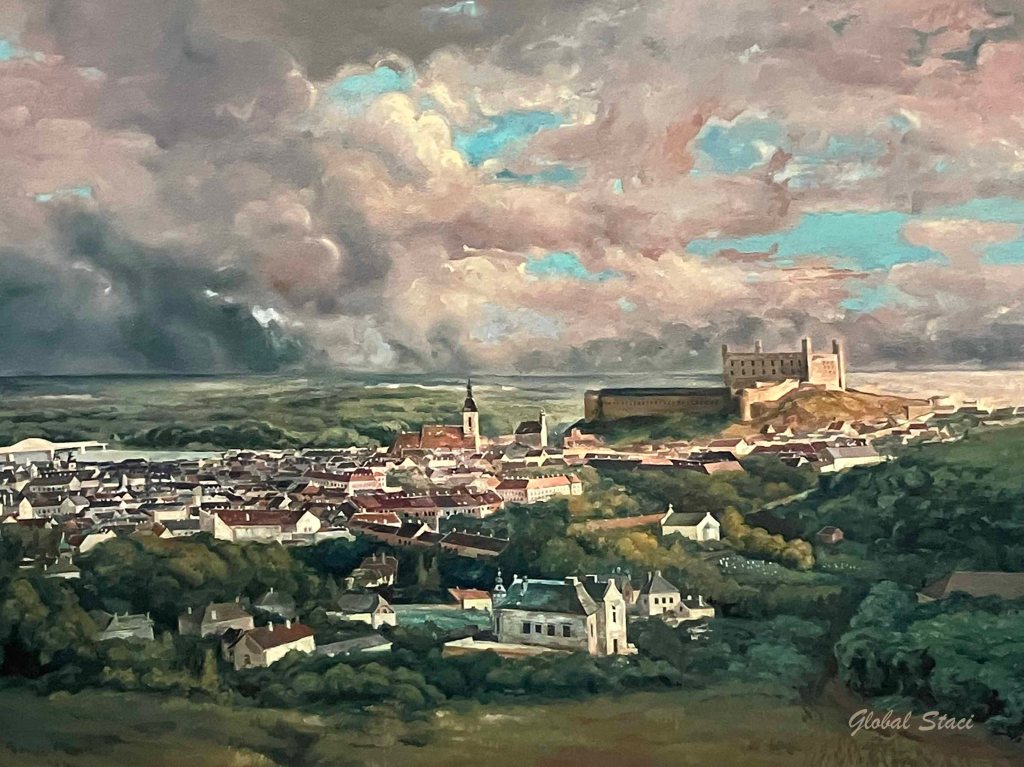
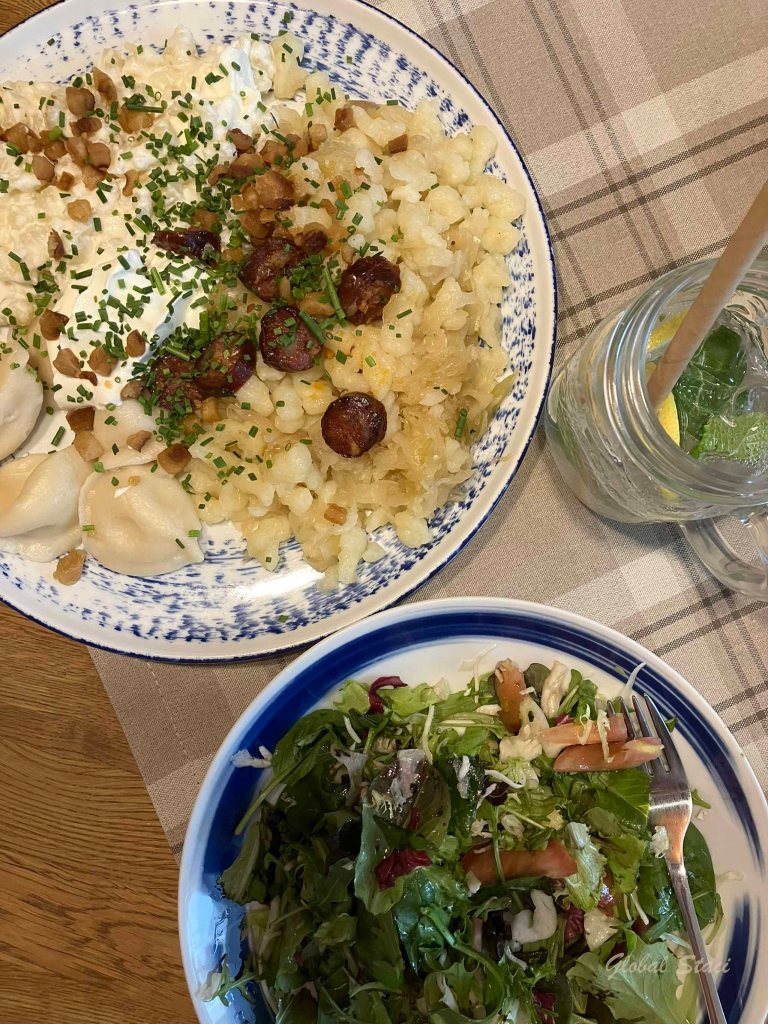
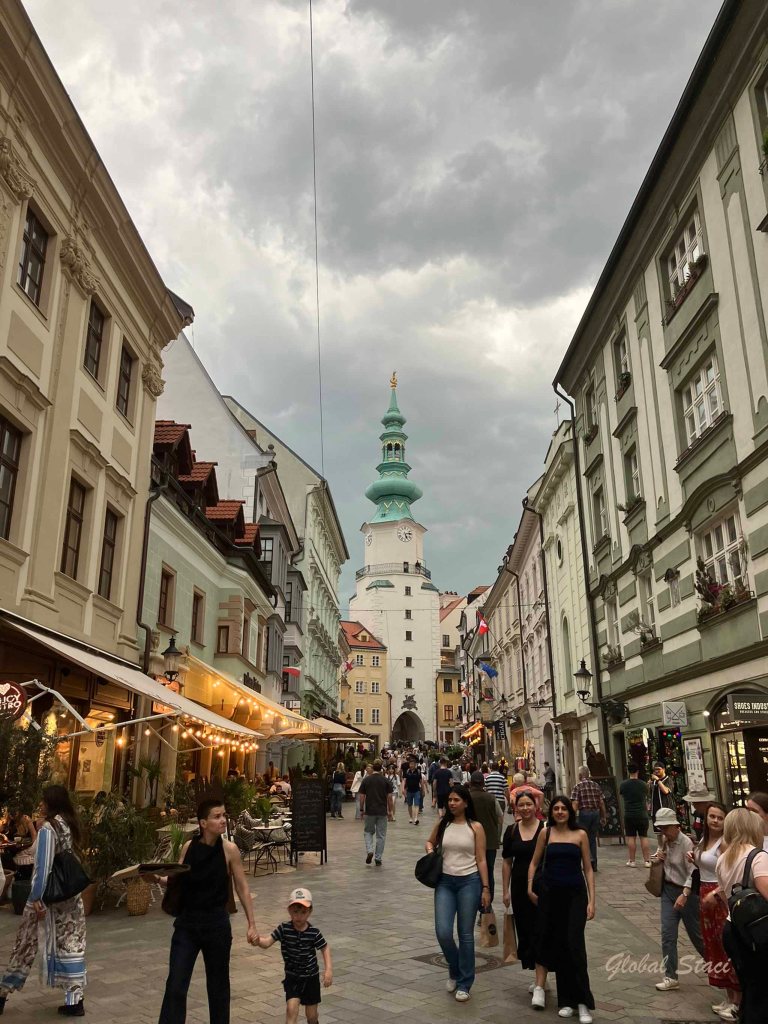
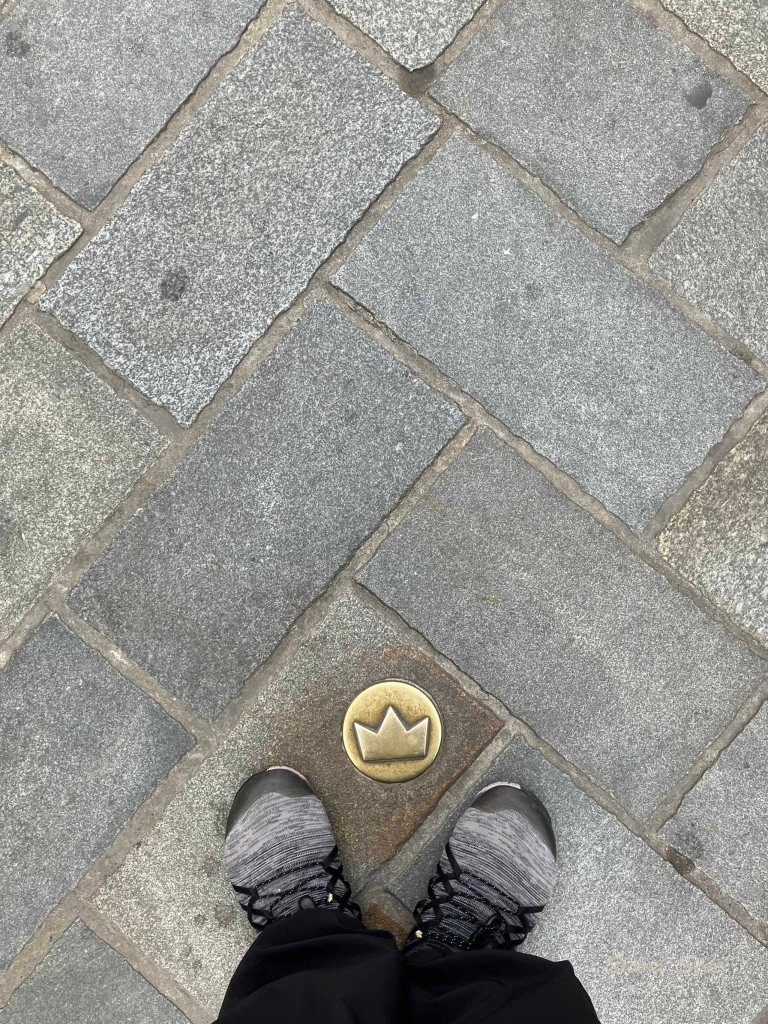


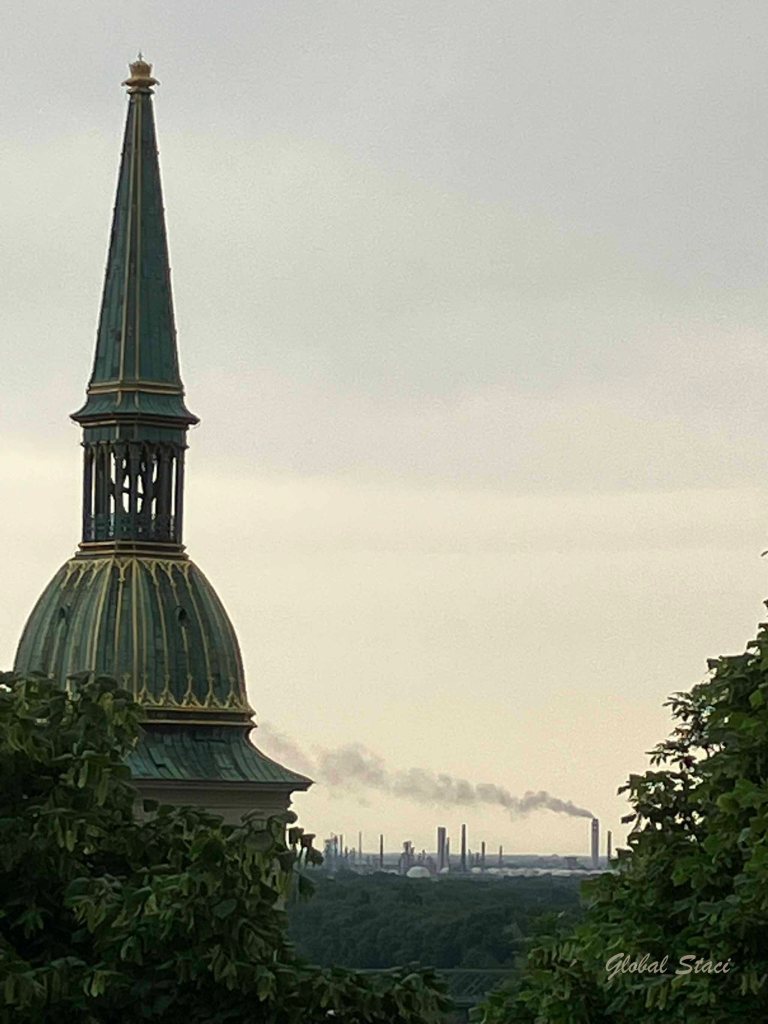

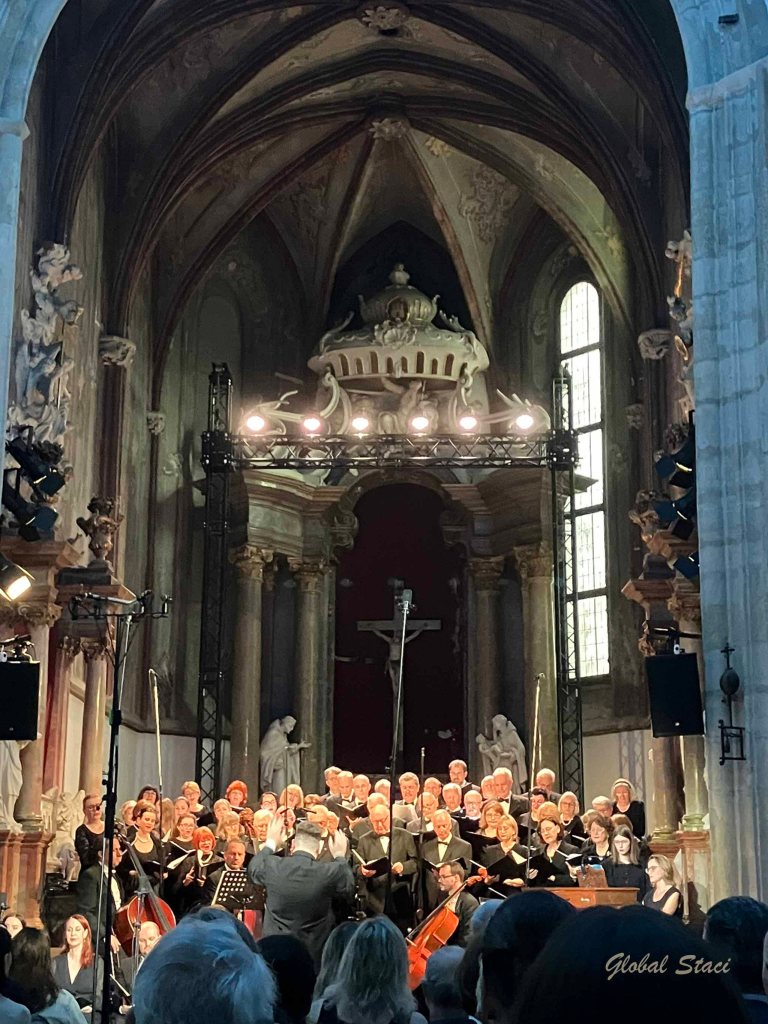
Our first meal transported me back to my grandma’s kitchen at Koliba Kamzik, a local favorite. While exploring the city on our own we heard choral music coming from inside a church. We realized they were rehearsing and that we could still get tickets for the evening’s intimate performance of Dvořák’s Mass in D Major and Leoš Janáček’s Otčenáš. It was a perfect, serendipitous end to our first day.
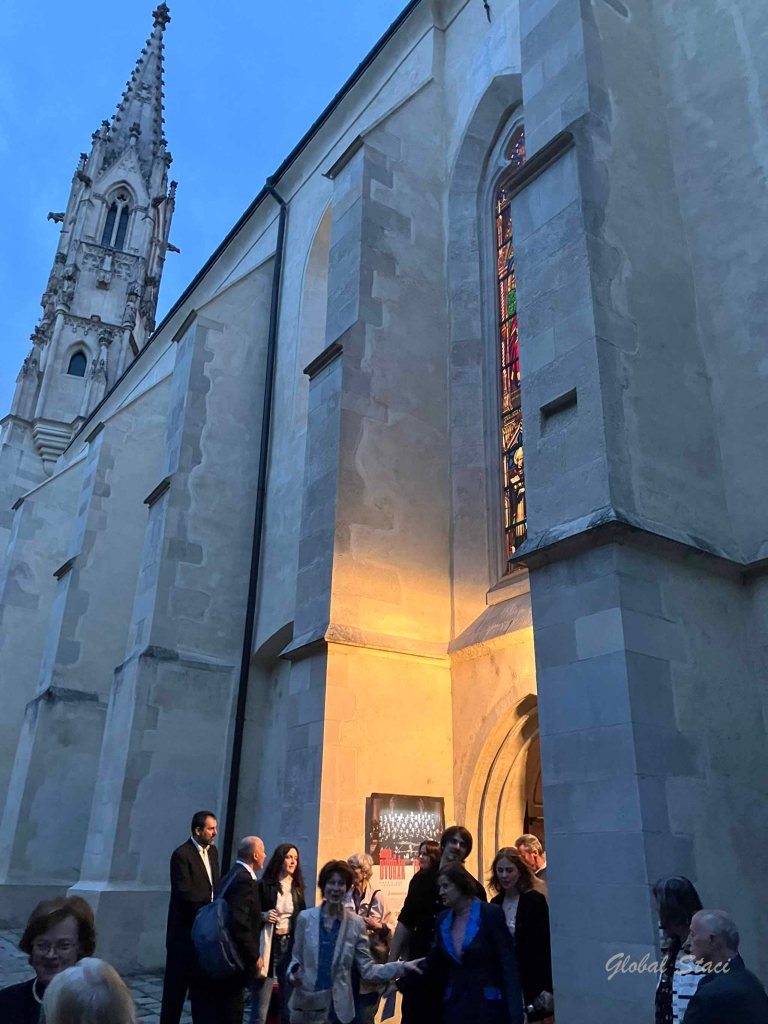

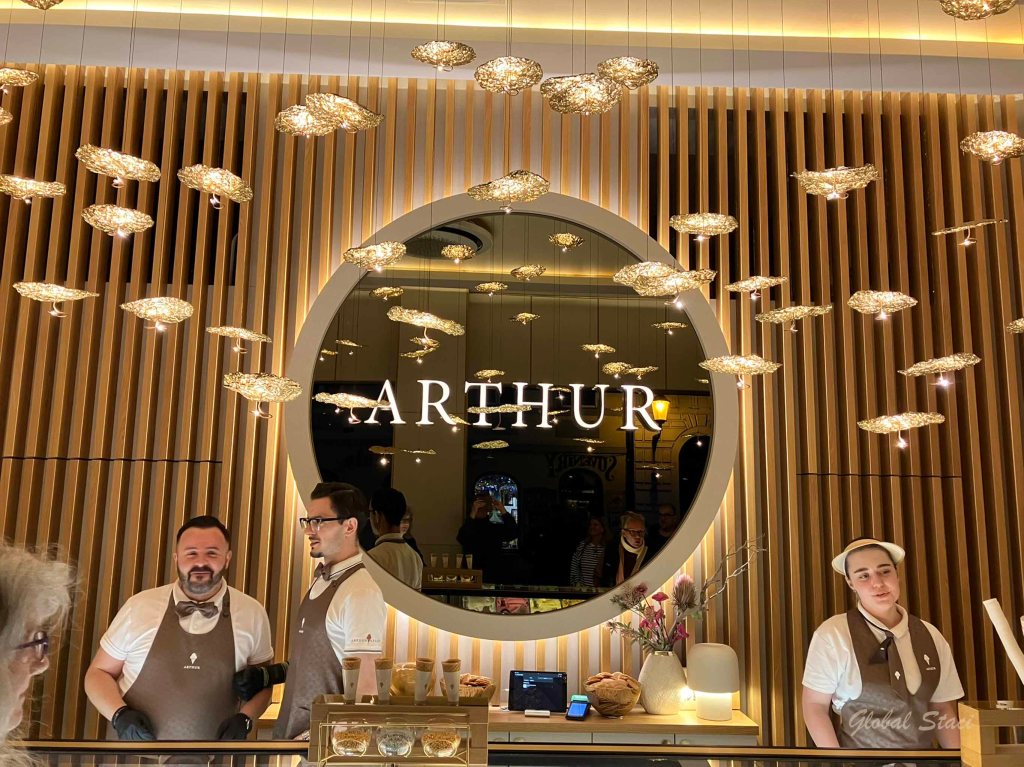
[PRO TIP: We opted to stay at the well situated and lovely Arcadia Boutique Hotel. Well situated, super comfy, friendly staff and a fabulous breakfast. Our other favorite restaurant in Bratislava is Savage Garden Bistro at Freedom Square. Arthur and Luculus for gelato are popular.]
Day 2 | Getting to Know Bratislava
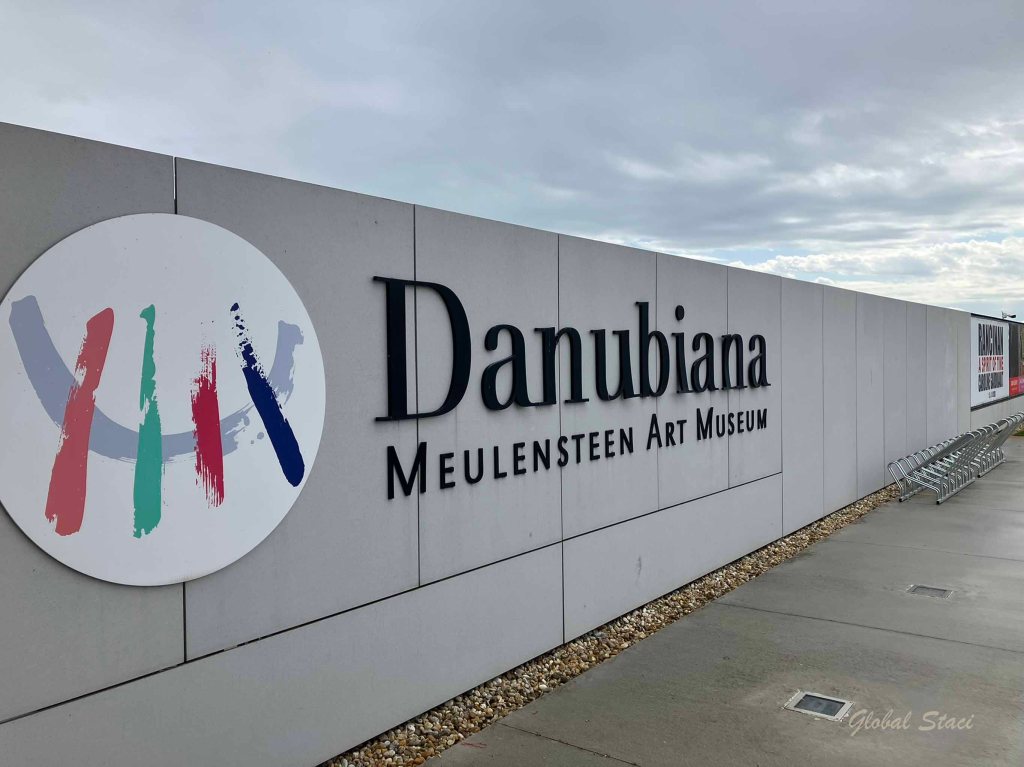
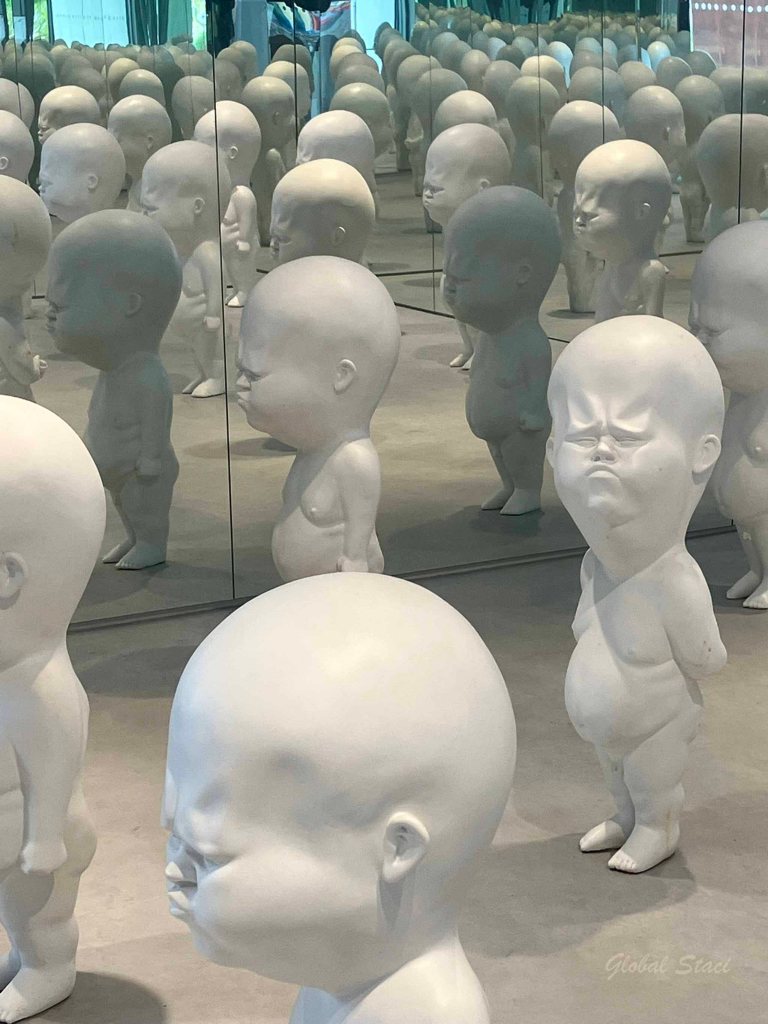
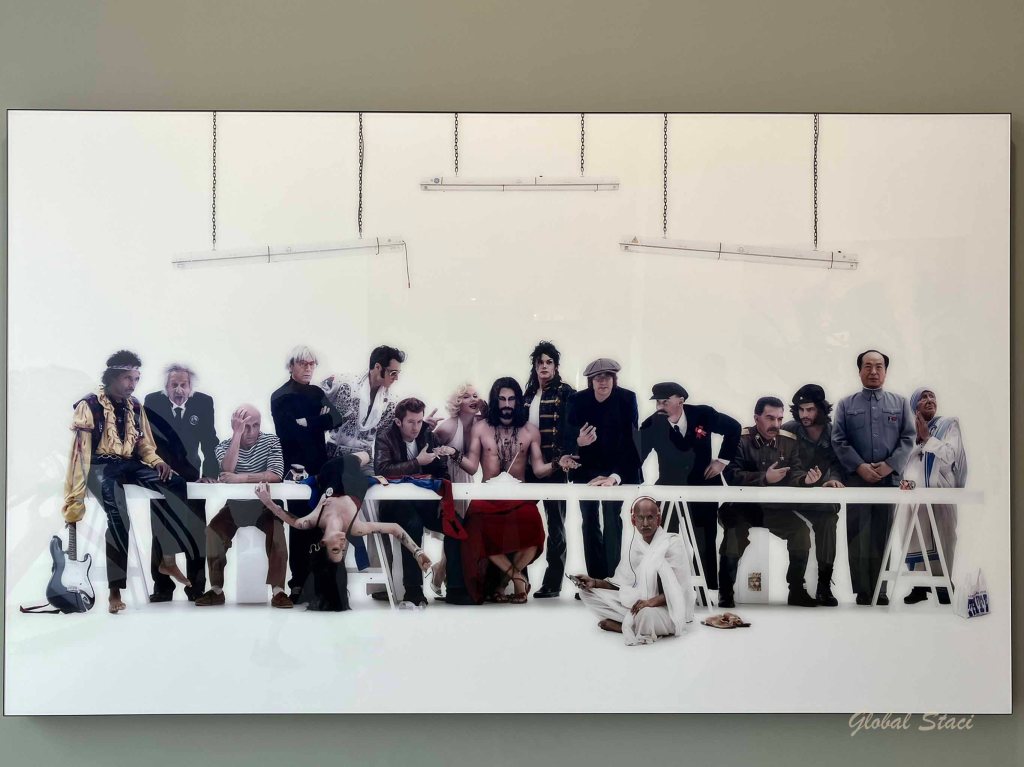
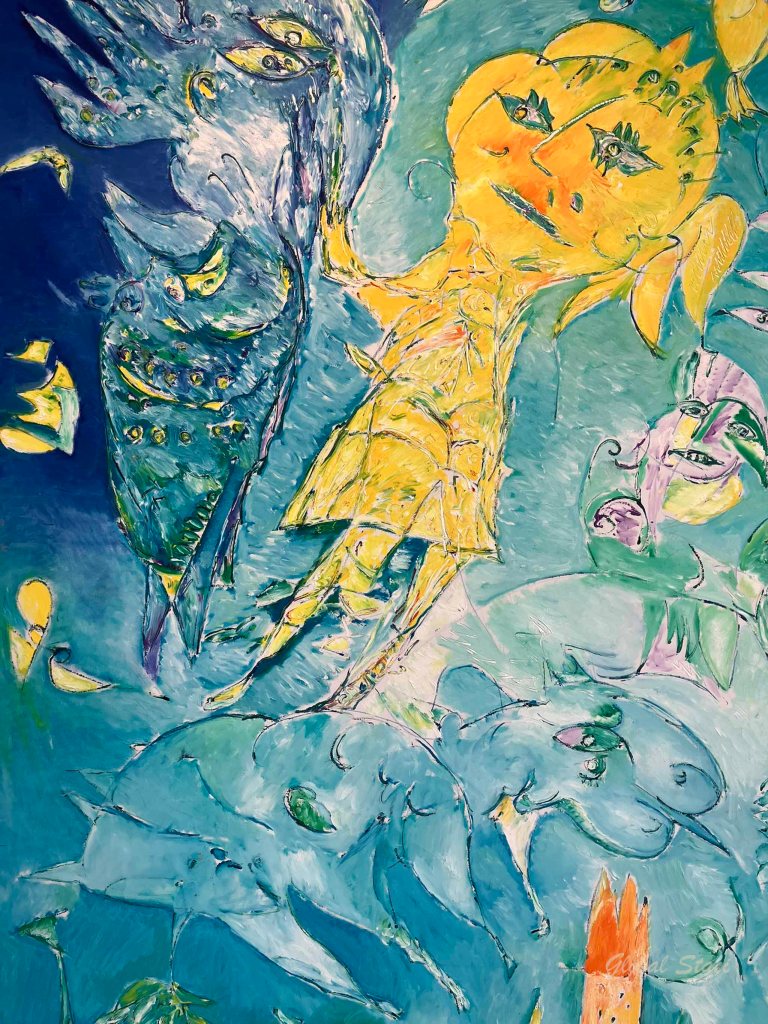
We began the day with a visit to the amazing contemporary art museum Danubiana. Founded by Dutch collector and patron of the arts Gerard Meulensteen, this gorgeous indoor-outdoor space opened in 2020.
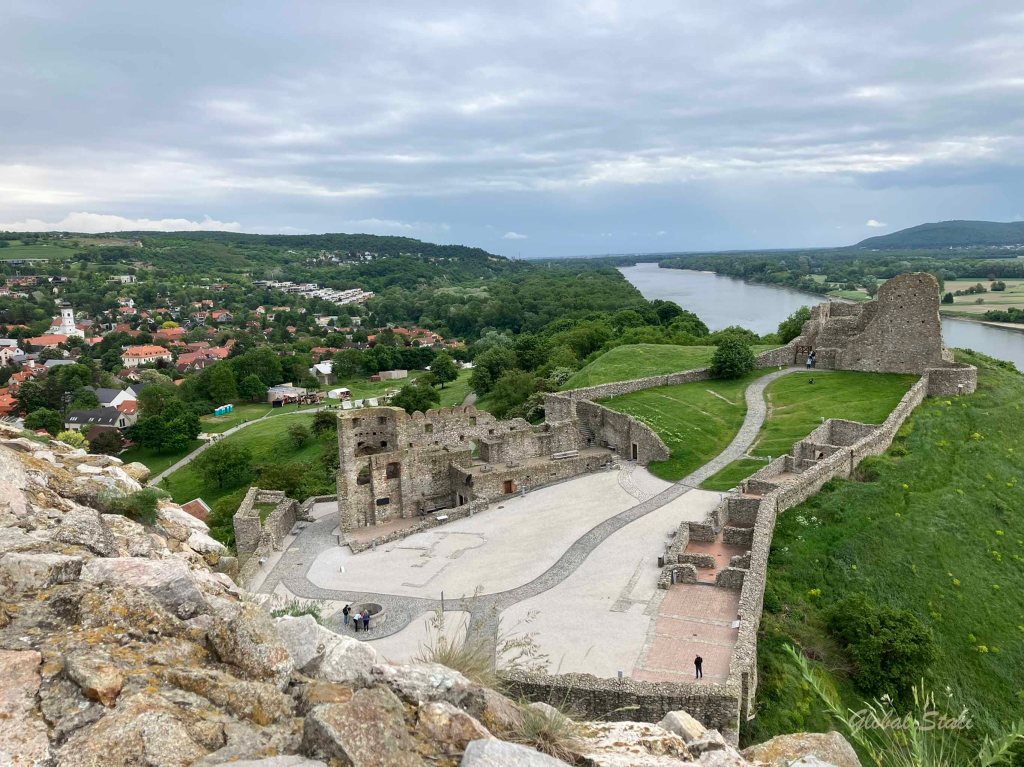
We spent the rest of the afternoon exploring Devín Castle, which dominates the confluence of the Danube and Morava Rivers. The first written mention of the Castle goes back to the 9th century. Interestingly up until 1989, the literal Iron Curtain, lined with barbed wire, between the Eastern Bloc and the West ran just below the Castle. After the Velvet Revolution, the area was demilitarized, and a monument now stands in its place, honoring the 400 people who lost their lives because they were suspected or guilty of acting against the communist state. Another monument is made from the very barbed wire that once kept people imprisoned.




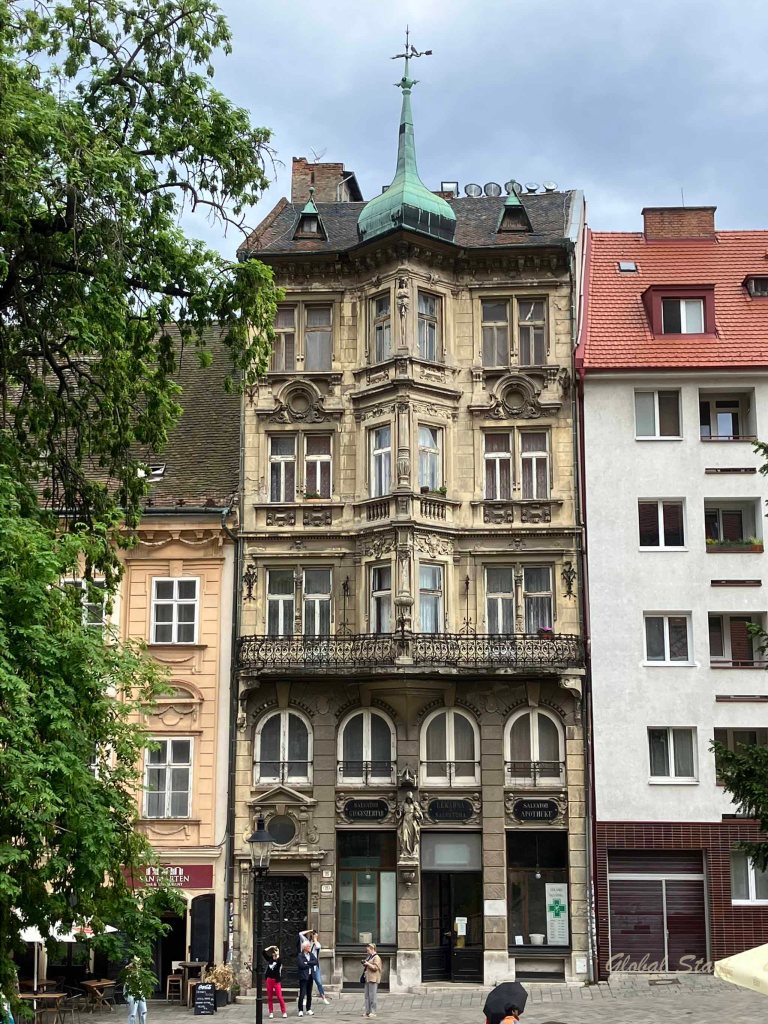
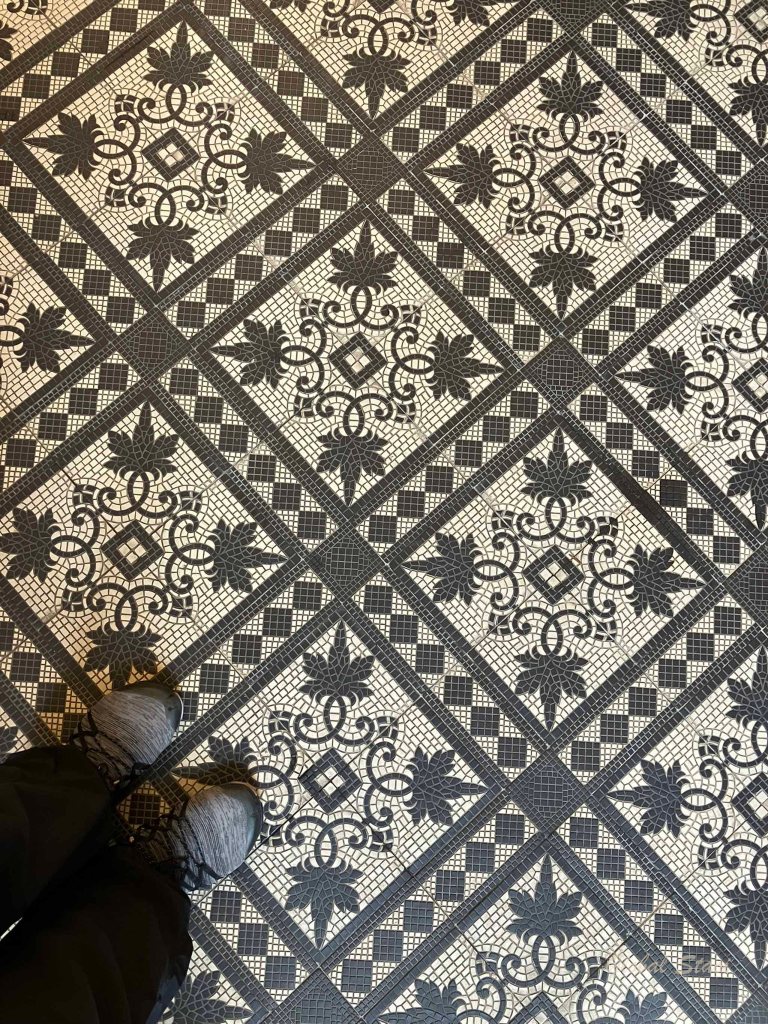
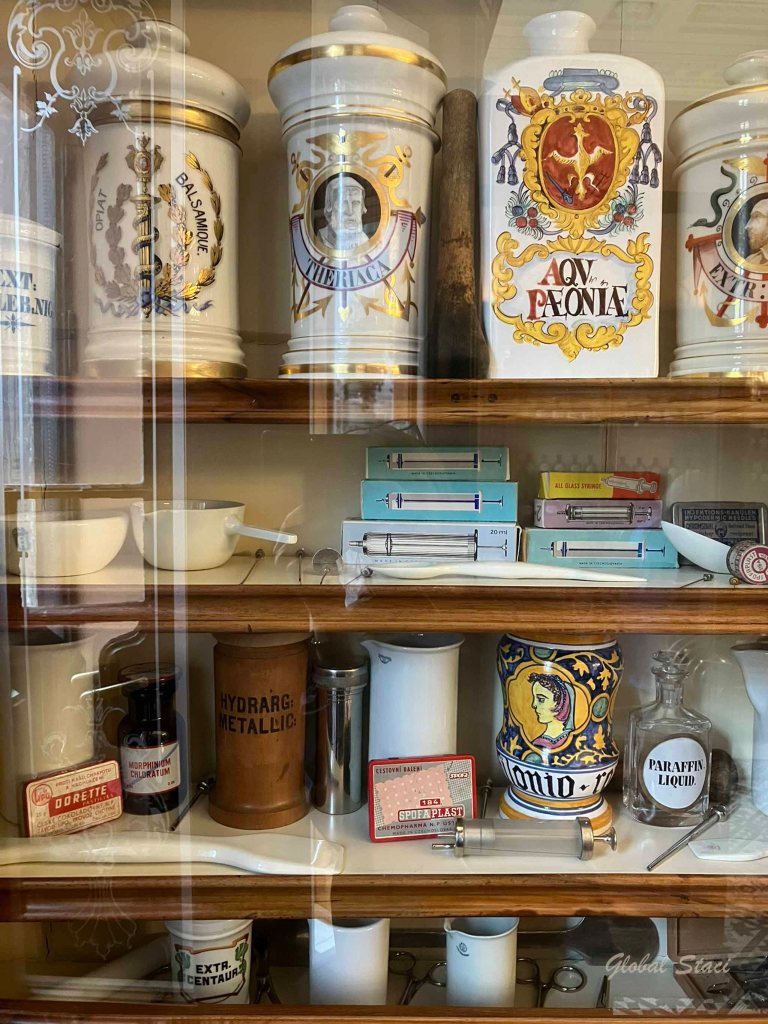
Back in the old city, we discovered Salvator Pharmacy, founded by Archbishop Georg Lippai in the 17th century. In 2023 it was restored, along with the 300-year-old baroque, furniture, and ceremonially handed over to the Slovak Chamber of Pharmacy, which today operates a standard pharmacy open to the general public here.
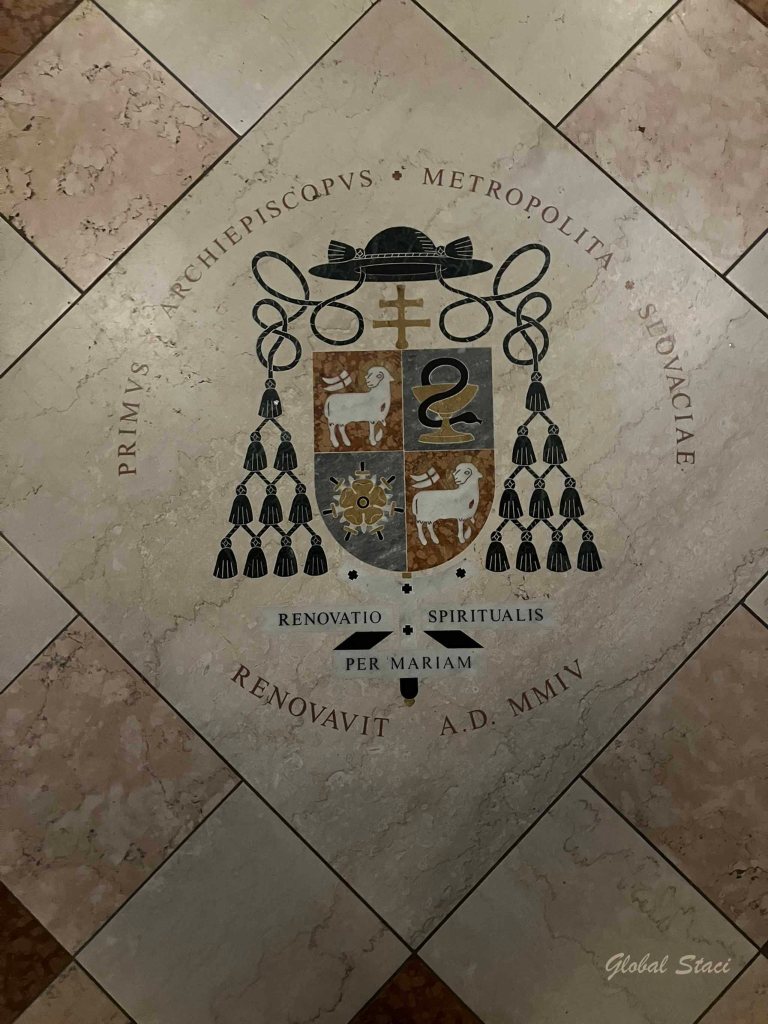
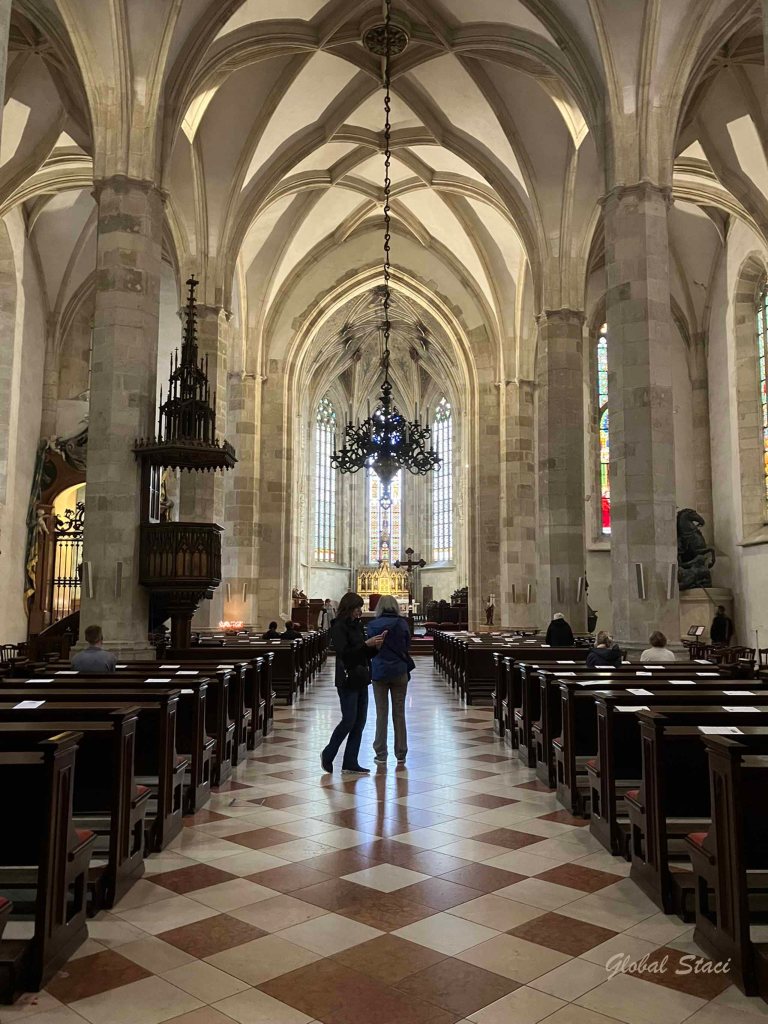
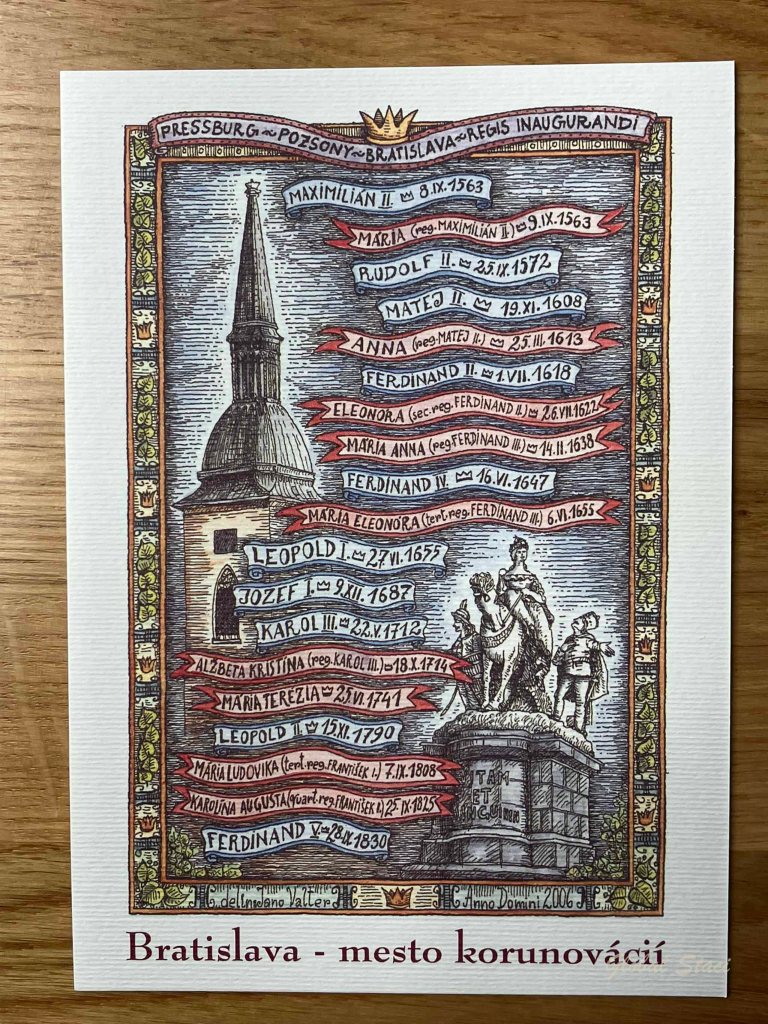
Across the street is St. Martin’s Catholic Cathedral, the largest and one of the oldest churches in Bratislava, known especially for being the coronation church of the Kingdom of Hungary between 1563 and 1830.




Day 3 | Banská Štiavnica to Košice
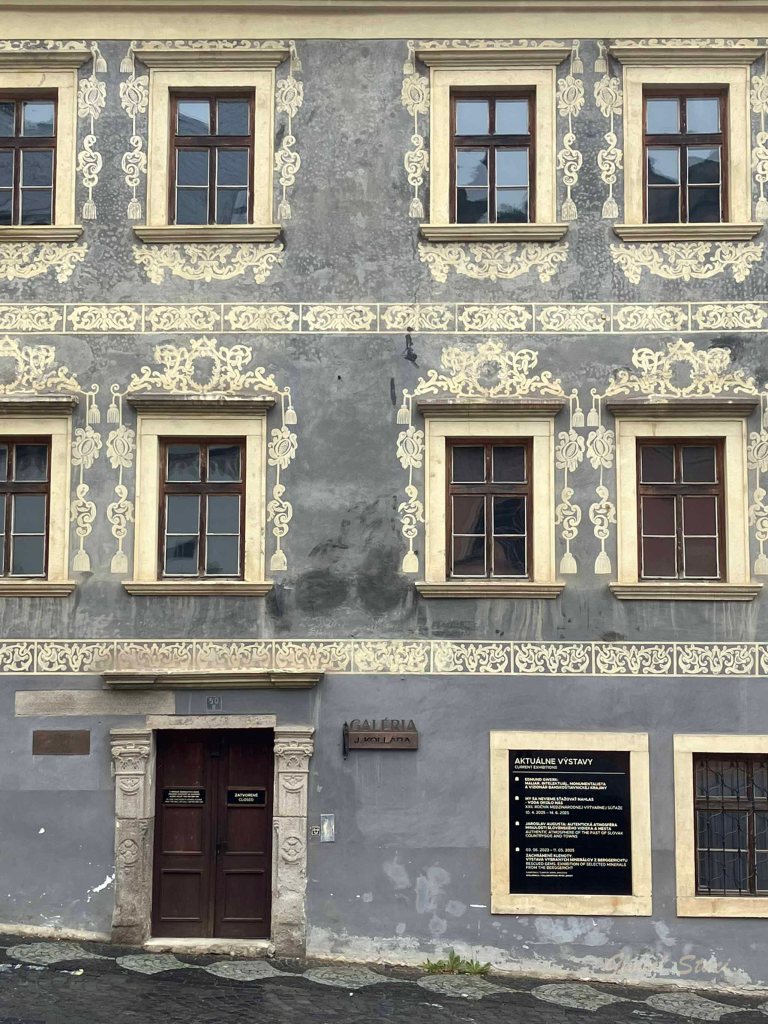
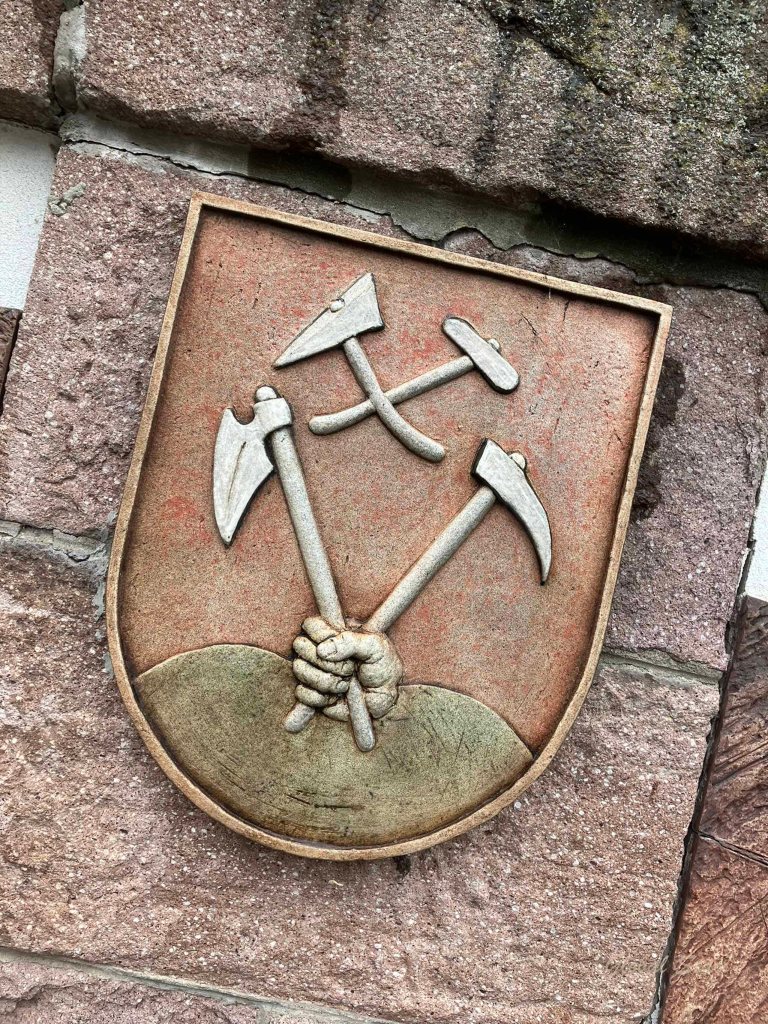
We left the capital, driving east, stopping in one of the world’s first modern mining towns. Banská Štiavnica, in central Slovakia, is home to the very first university technical school of mining—established in 1764. One three historical mining towns in Slovakia, it is known as the silver mining town.
[PRO TIP: Try the pre-fixe lunch at Hotel Glaus. Delicious, cheap and a great view!]


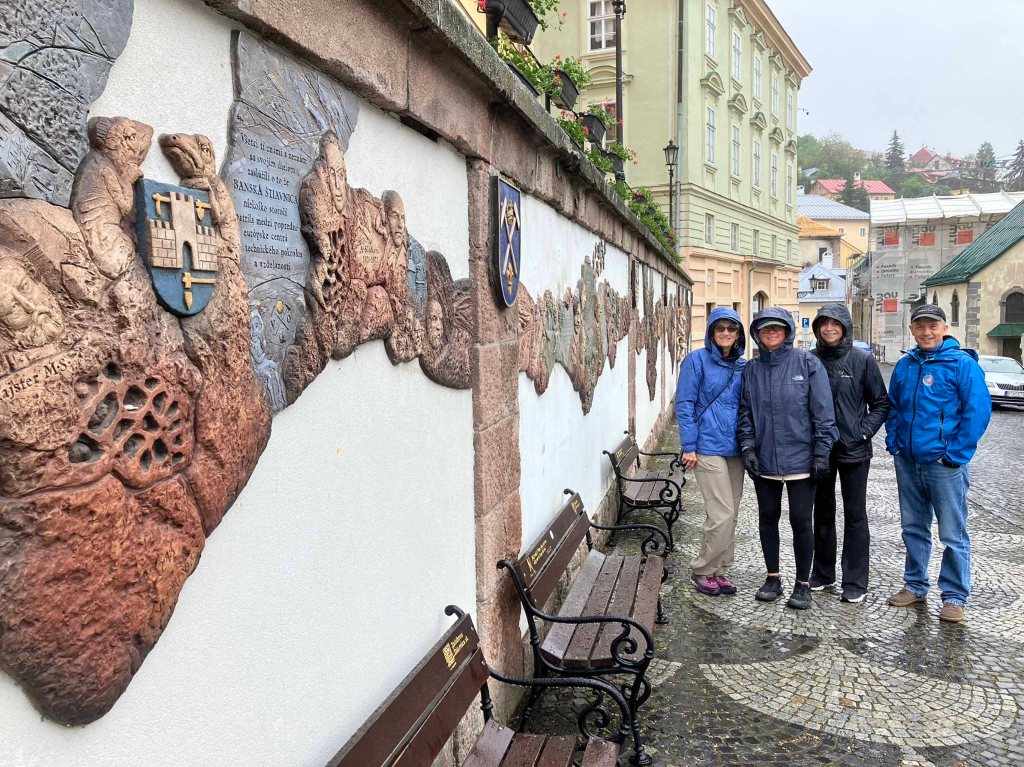
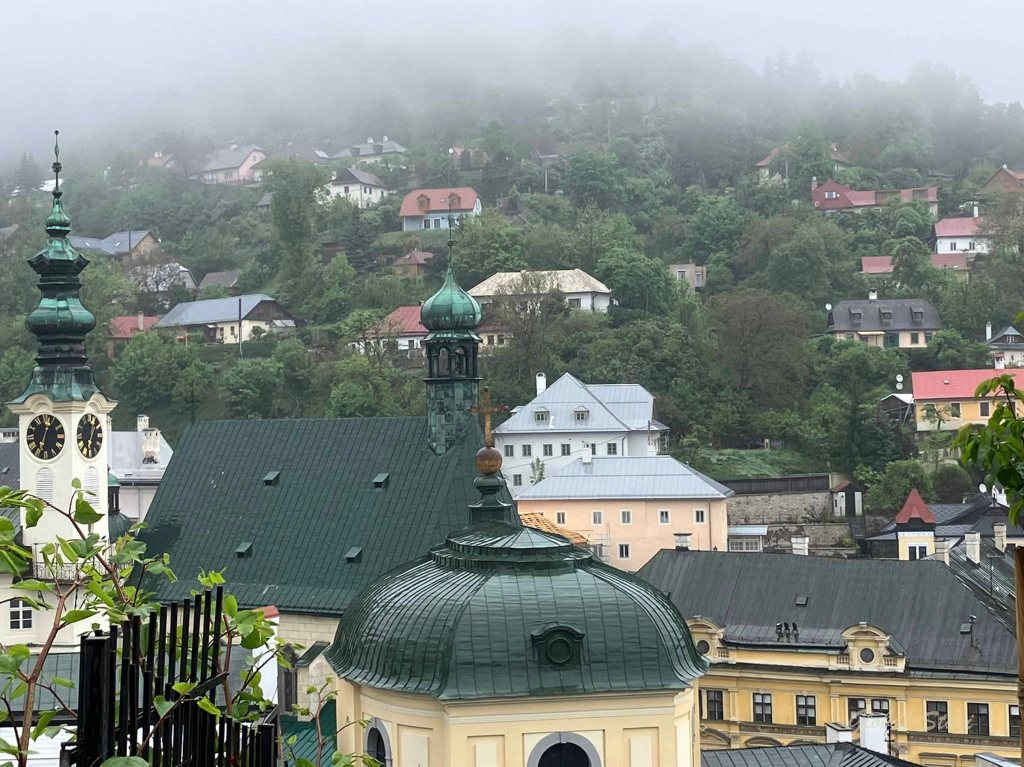

Continuing on to Košice, a colorful town with a well-preserved historical center and a gothic masterpiece, the Cathedral of St. Elisabeth, Slovakia’s biggest church.
[PRO TIP: Don’t miss a performance by the singing fountain in front of the theater and cathedral.]
Our home for the next two nights was Hotel Ambassador, and although nothing to brag to you about, it was on the main pedestrian thoroughfare in Košice, which does have some good restaurants. Our favorites were Villa Regia Restaurant (Dominikánske námestie 3) and Republika Vychodu.]
Day 4 | The Wooden Churches of Eastern Slovakia
We officially reached the easternmost point in our journey.
Much like its southern neighbor Romania, Slovakia has a number of unique wooden churches, deemed important for their cultural value by UNESCO. Termed the Carpathian Wooden Churches, the World Heritage Site includes nine religious buildings mainly constructed between the 16th and 18th centuries in Slovakia—two Roman Catholic, three Protestant and three Greek Catholic churches, and one belfry. There are about 50 more wooden churches in the Prešov Region.
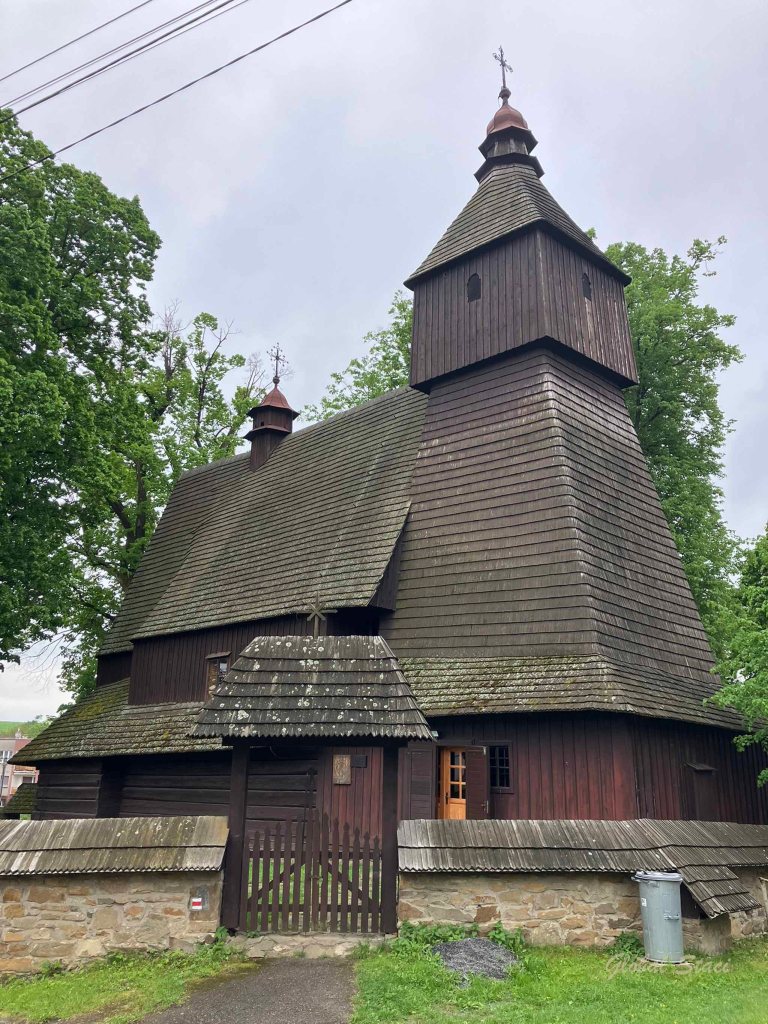

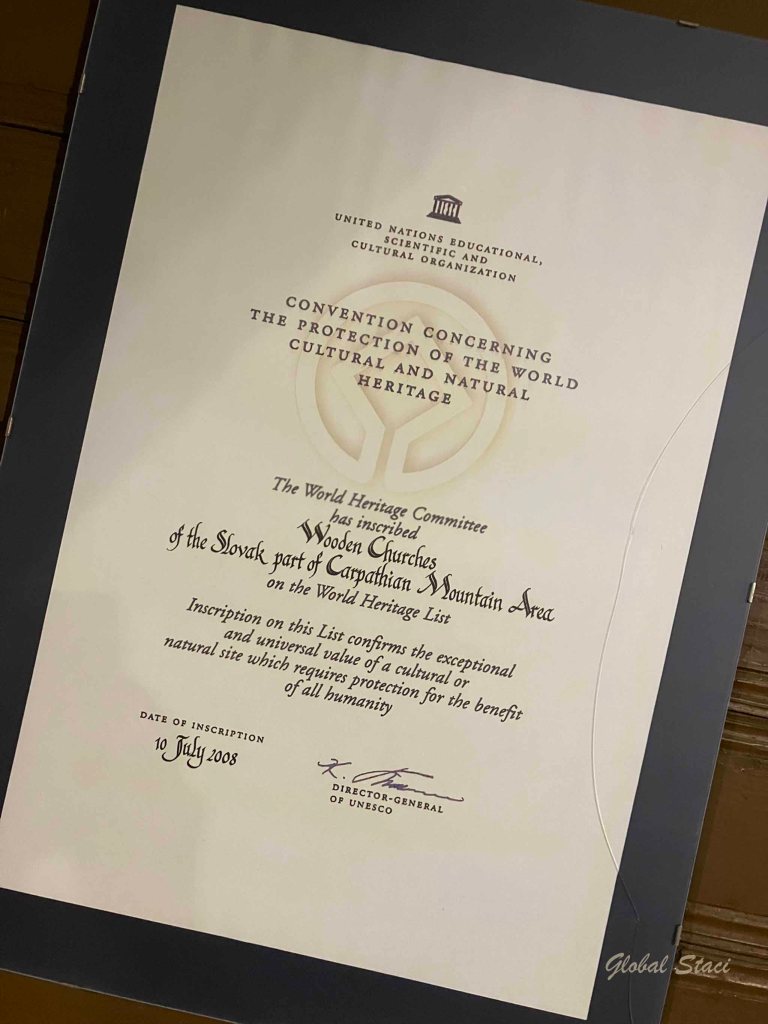
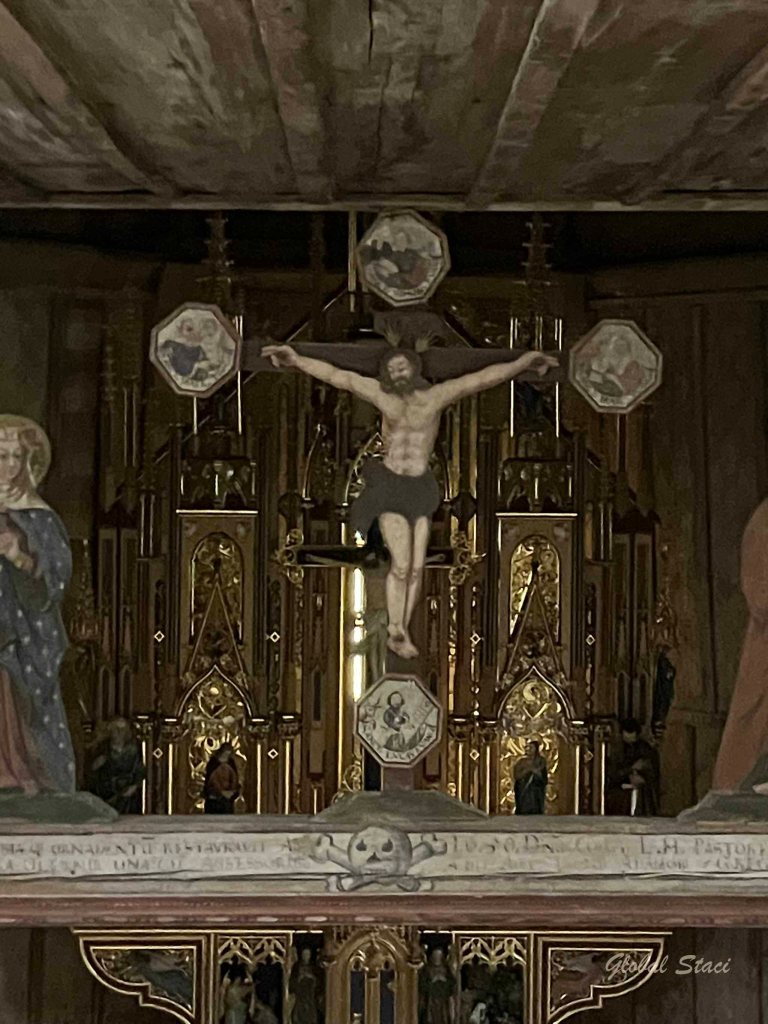
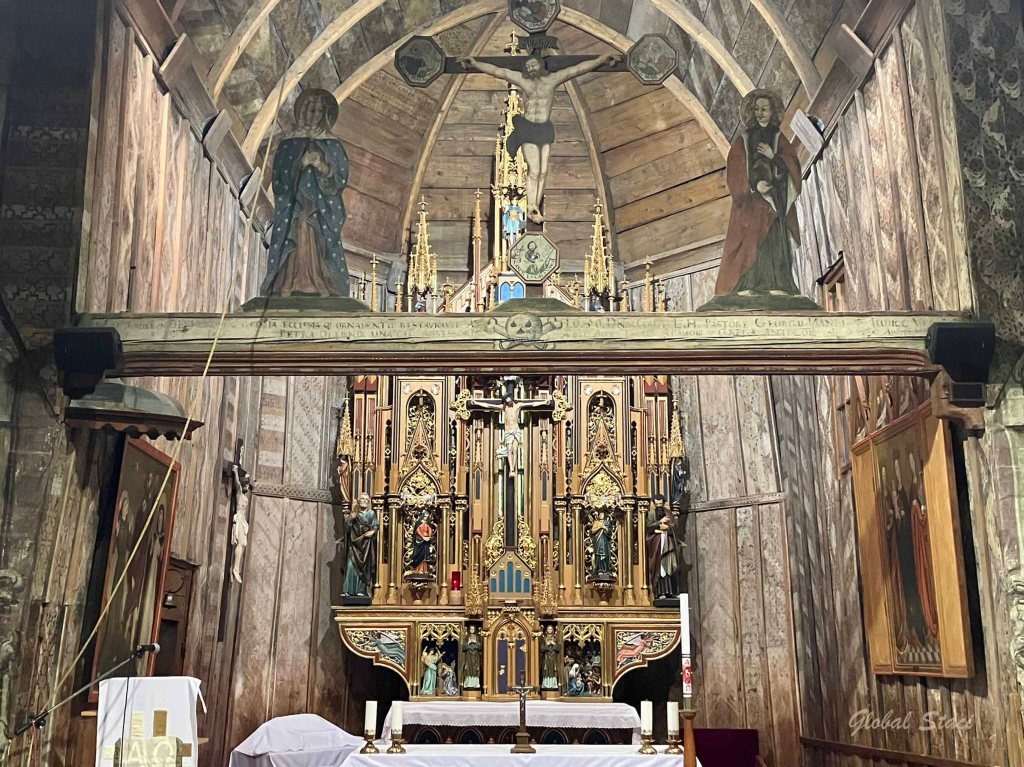
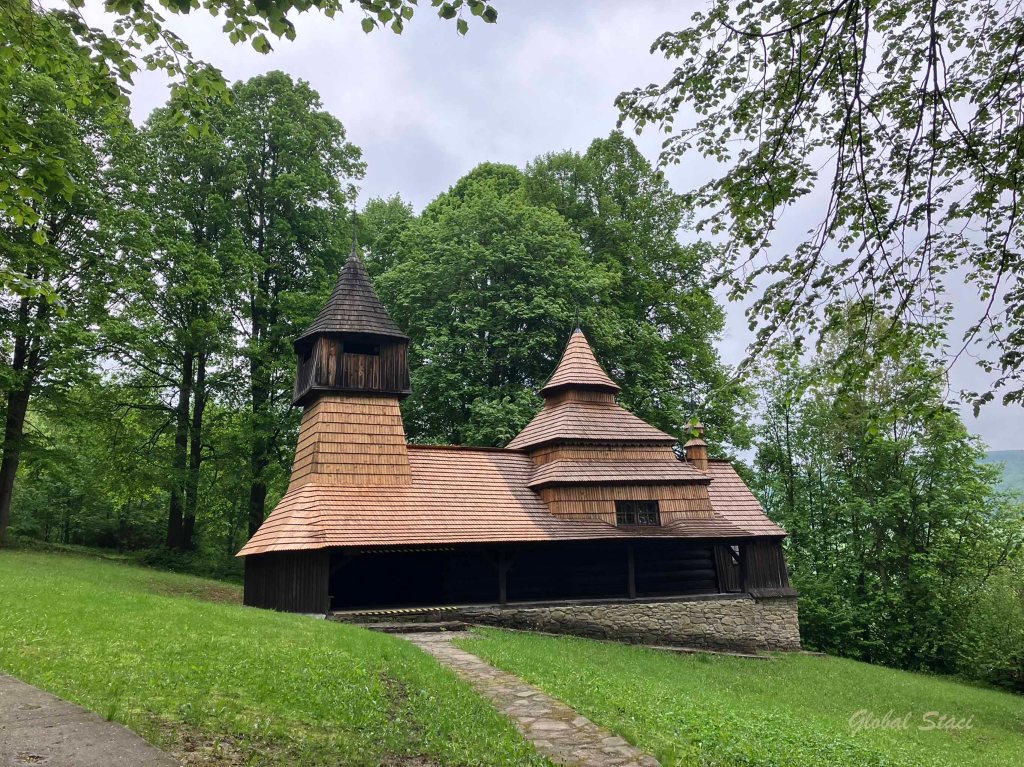
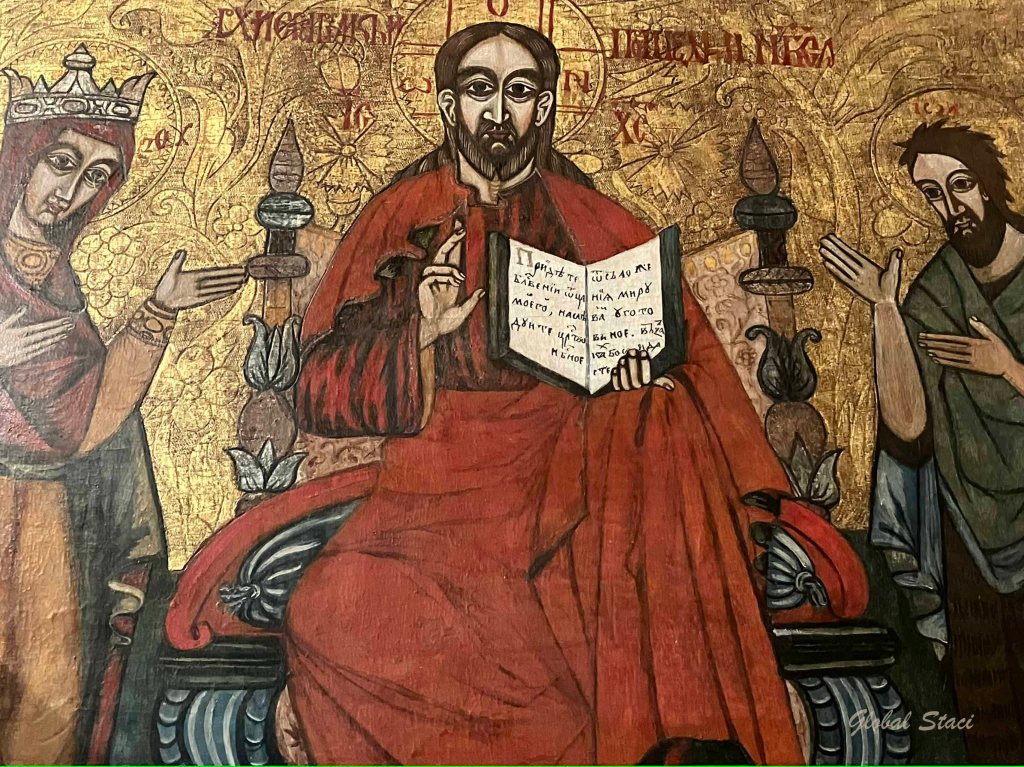

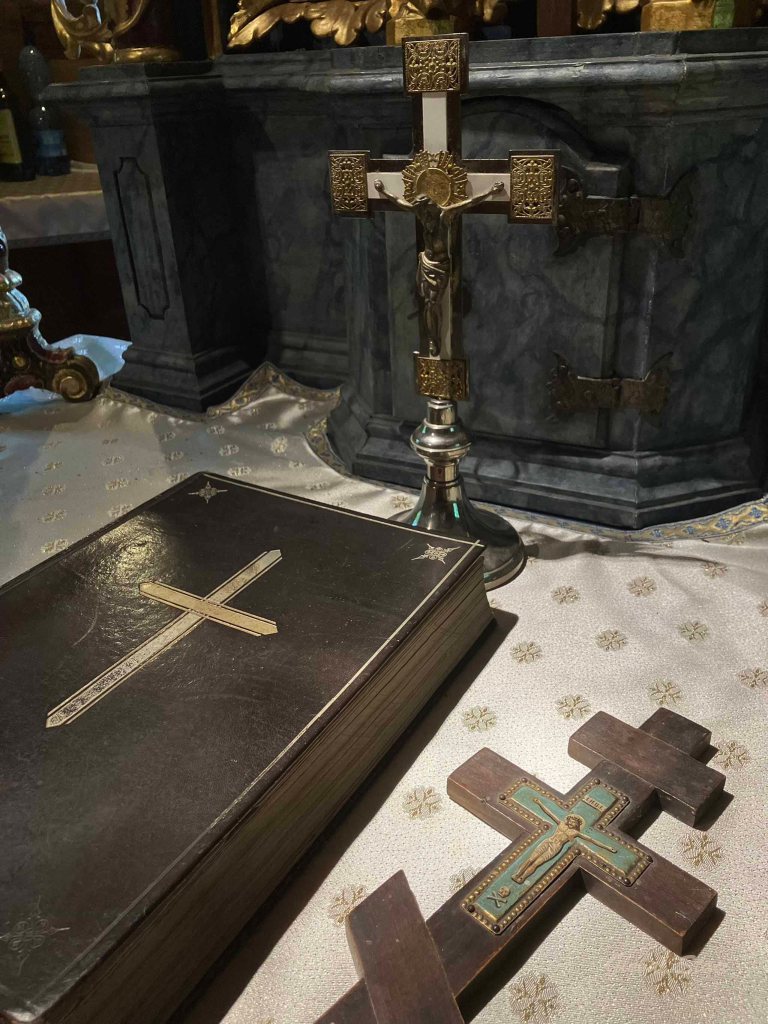


We visited two today. The Roman Catholic Church of St. Francis of Assisi in Hervatov, built by the end of the 15th century. It is the oldest and best preserved wooden church in Slovakia. The Gothic pictures and wall paintings from 1655 and 1805 are the most valuable parts of its interior.
In Lukov we saw the Greek Catholic Church of St. Cosmo and Damian from 1709. Built of logs and stone masonry, it is also the only church in Slovakia with a cellar.
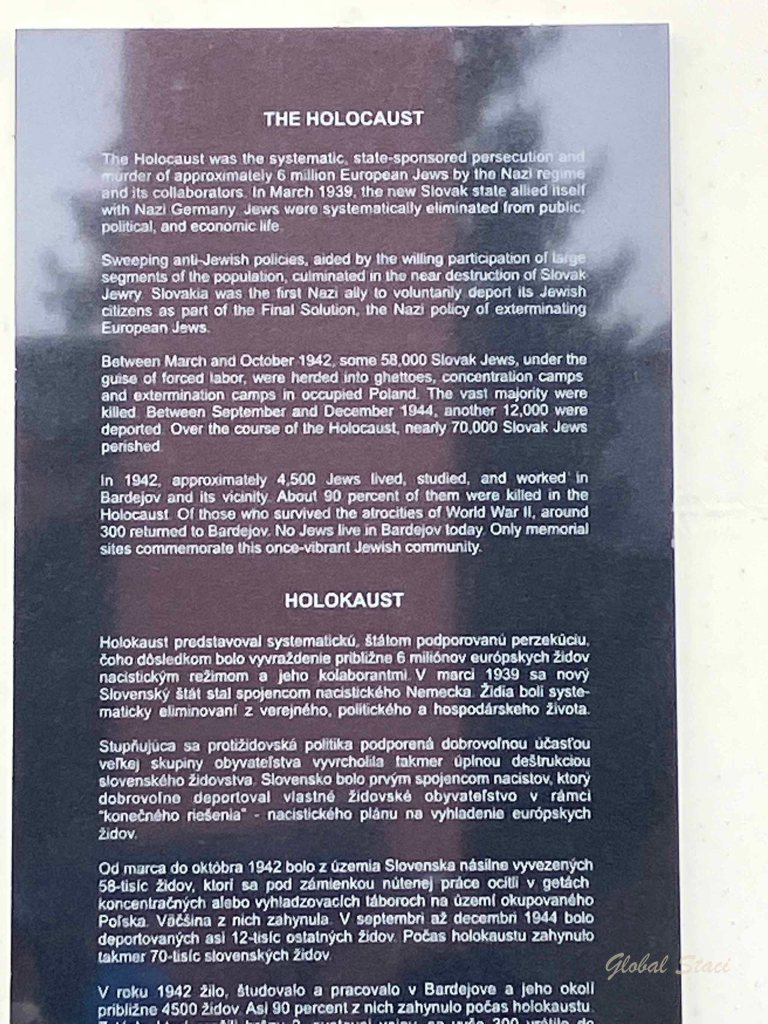
On the way to lunch in Bardejov, we stopped at the Slovakian Holocaust Memorial, a haunting reminder of a not-so-distant past.


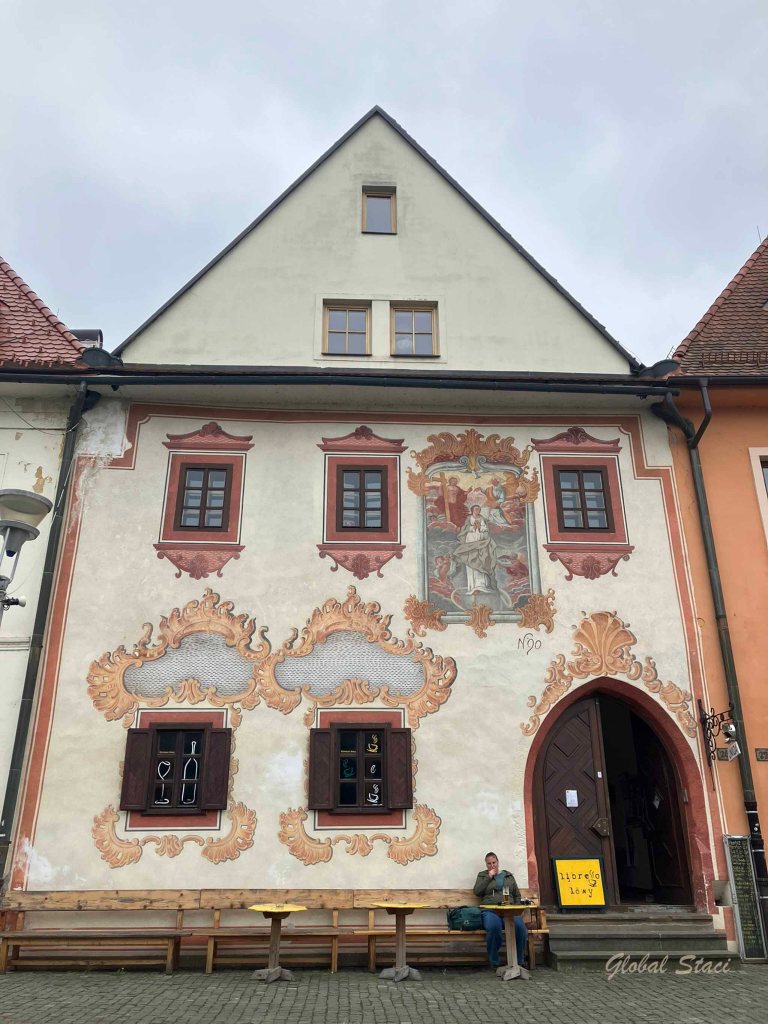
The city of Bardeov and its Renaissance houses, is said to have the most beautiful medieval square in all of Slovakia. We loved our lunch, another pre-fixe, at Hotel Prod Branou.


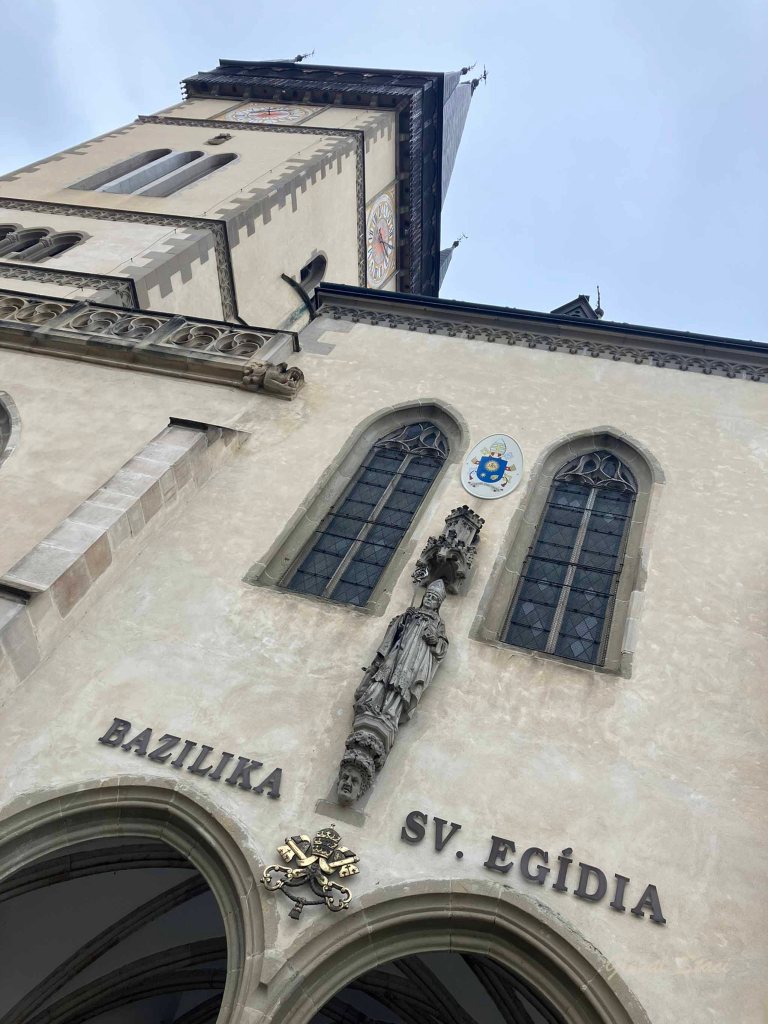
The square hosts another UNESCO World Heritage site, the 15th century Basilica of St. Egidius with its rare collection of magnificent Gothic altars. It was conceived as a majestic gothic basilica with three naves. The main nave and the church as a whole were finished in the years 1513-1518.
[PRO TIP: Climb the bell tower to get a bird’s eye view of the original medieval walled city below.]
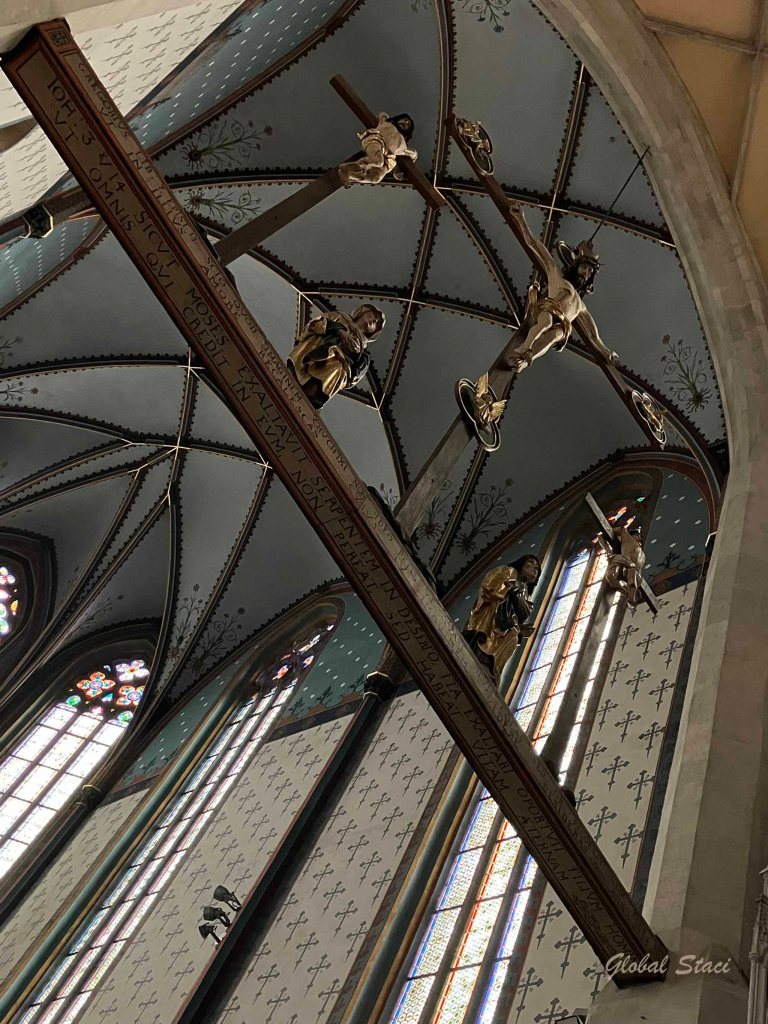
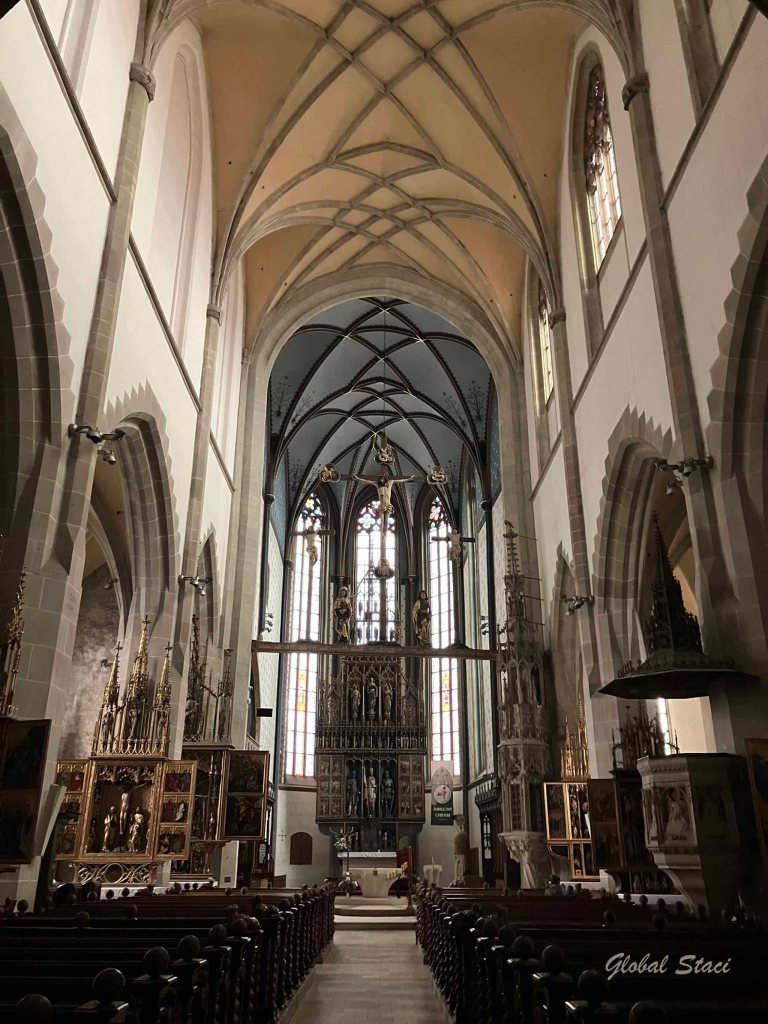


These odd creatures, added to the pews in the 17th century, have a special meaning. The monkey head represents wisdom, the lion body represents strength, the legs of a dog, loyalty, and the ball is the world, upon which rests the dog’s paw, a symbol of protection and care.

Day 5 | Spiš Castle & Levoča
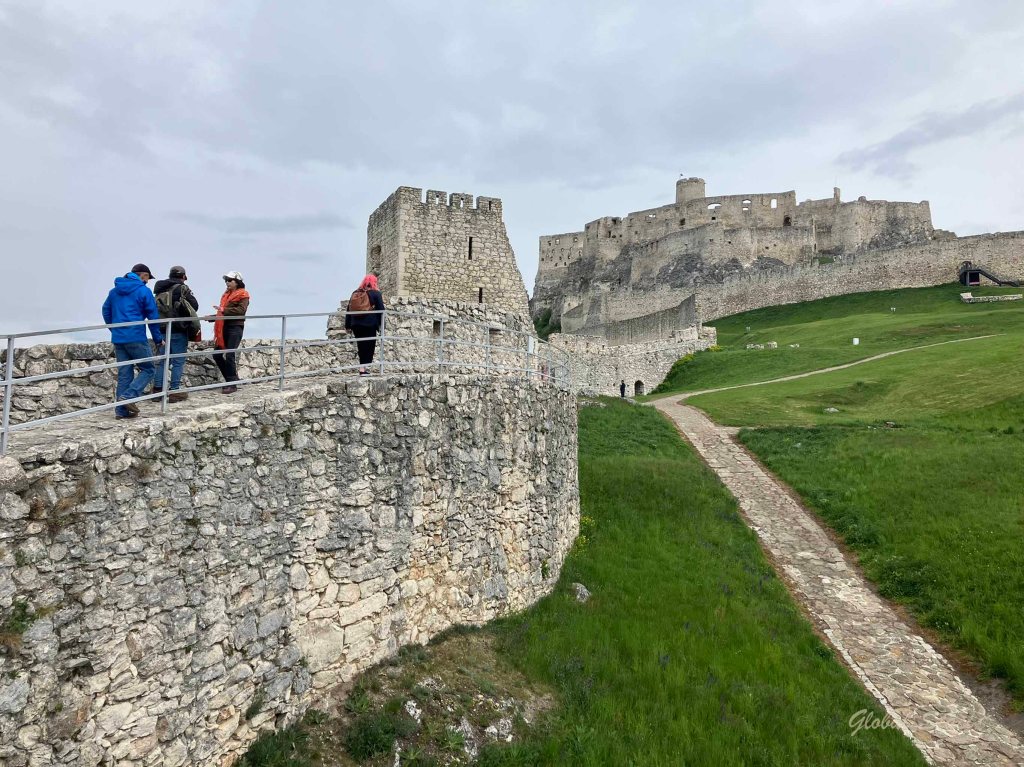
Heading west now, toward Poprad and the Tatras Mountains, seeing more UNESCO World Heritage Sites on the way. Our first stop was Spiš Castle, one of the largest castles in Central Europe with breathtaking scenery of the surrounding countryside.
Stopping in Levoča, a well-preserved medieval town, with beautiful noblemen’s houses, a renaissance style town hall, and St. James Church with the tallest wooden altar in the world.
The Basilica of St. James is a Gothic catholic church in Levoča, Prešovský kraj, Slovakia. Building began in the 14th century. The interior features several Gothic altars, including the main altar, the world’s tallest wooden altar at 18.62 meters.
[PRO TIP: Break for lunch at U Leva Restaurant in Levoča.]


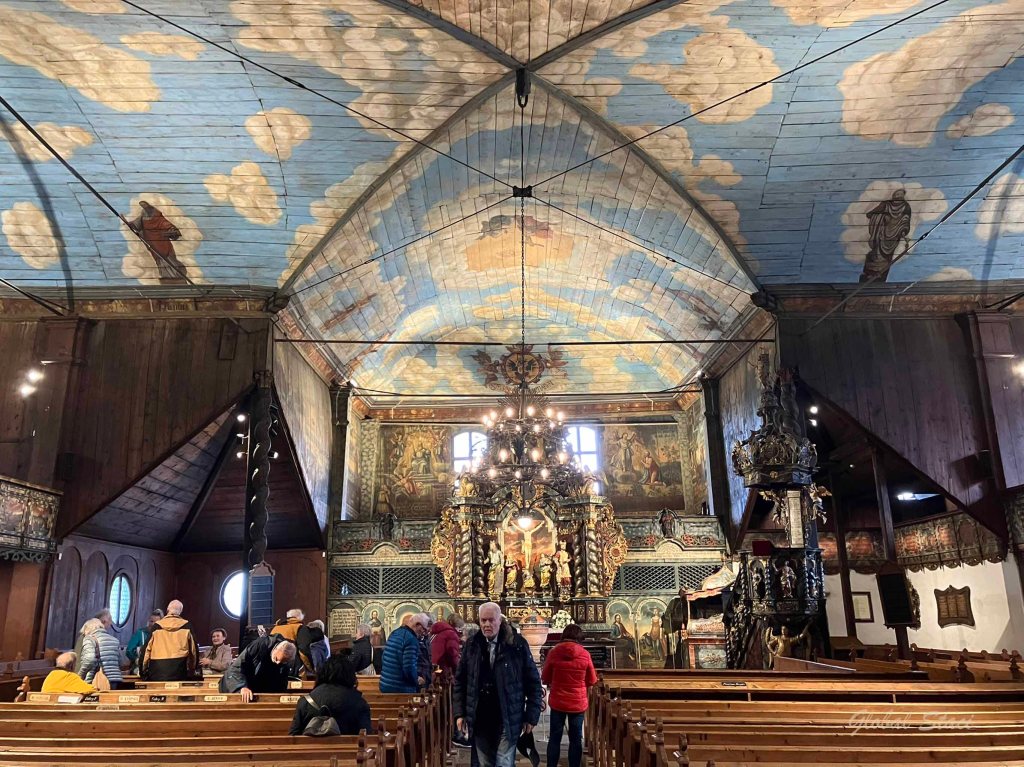
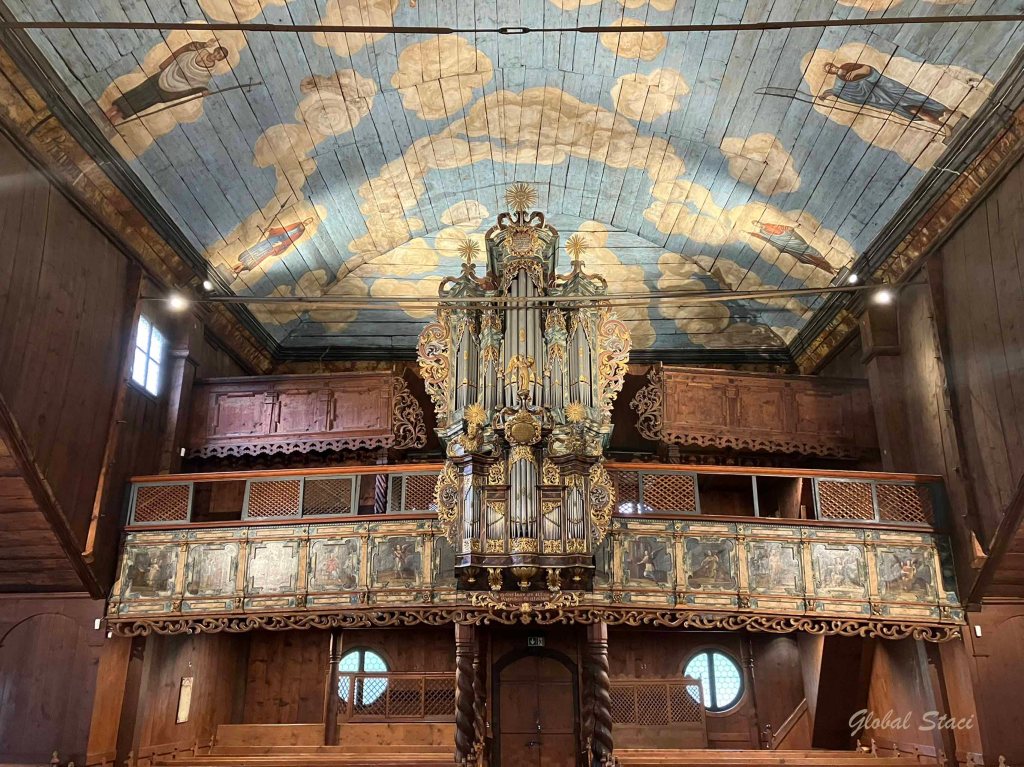
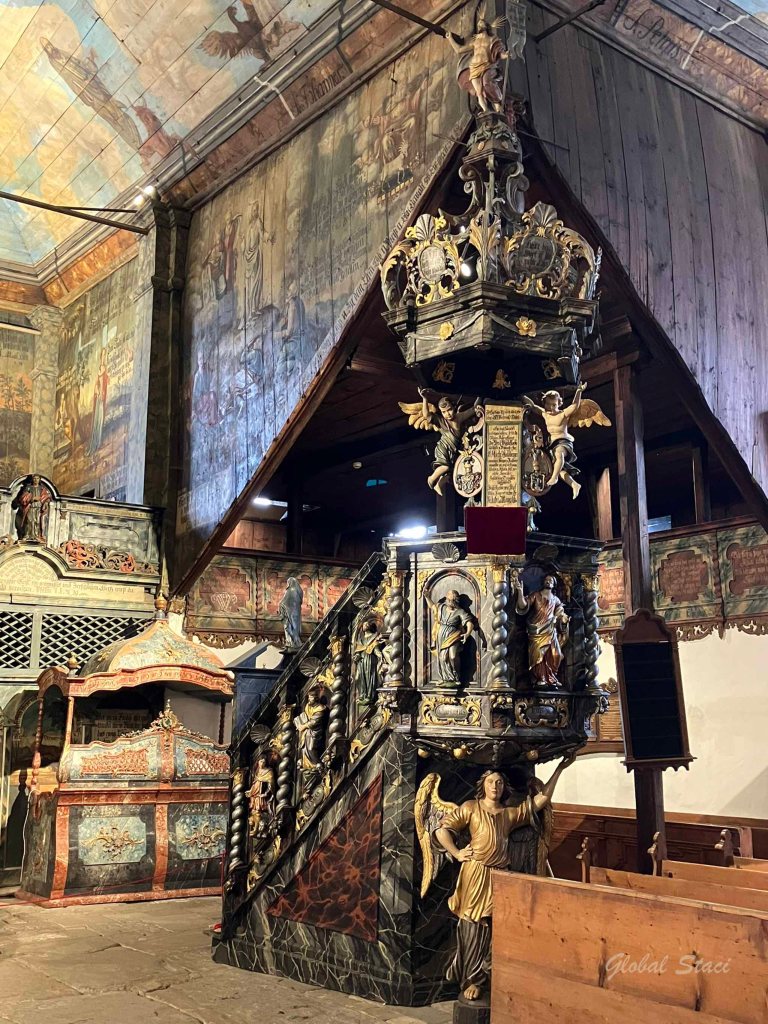
In Kežmarok, is another wooden church, the jewel of the Slovak baroque architectural crown, the protestant Evangelical Church of the Holy Trinity. Built in 1717 next to an older sacral stone building from 1593, which today is a sacristy, this unique building made of yew and red spruce wood was built without using a single metal component, in the form of a Greek cross. It may not look like much from the outside, but the baroque interior of the church and the organ pipes, also made of wood, are quite beautiful. Next door is the New Evangelical Church.



[PRO TIP: We stayed at the Guesthouse Atrium. Next door is a restaurant so good, we ate there twice, Restart Burger.]
Day 6 | The High Tatras Mountains
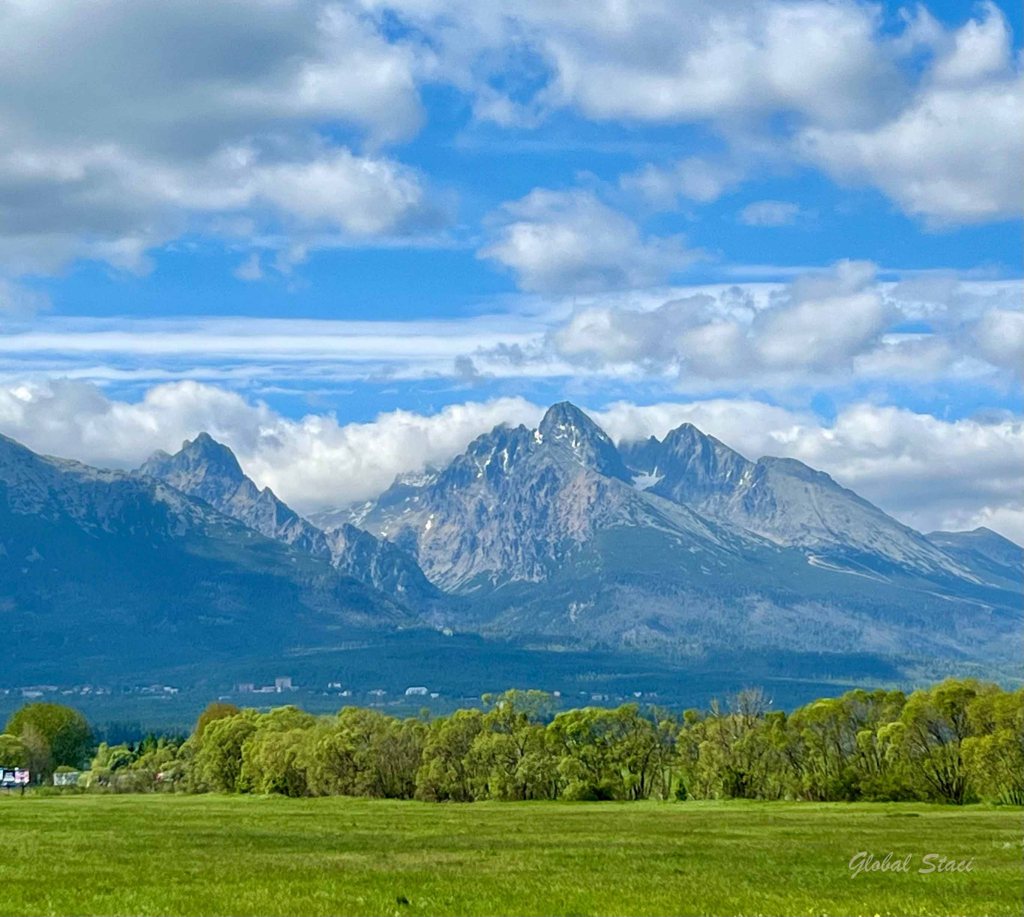
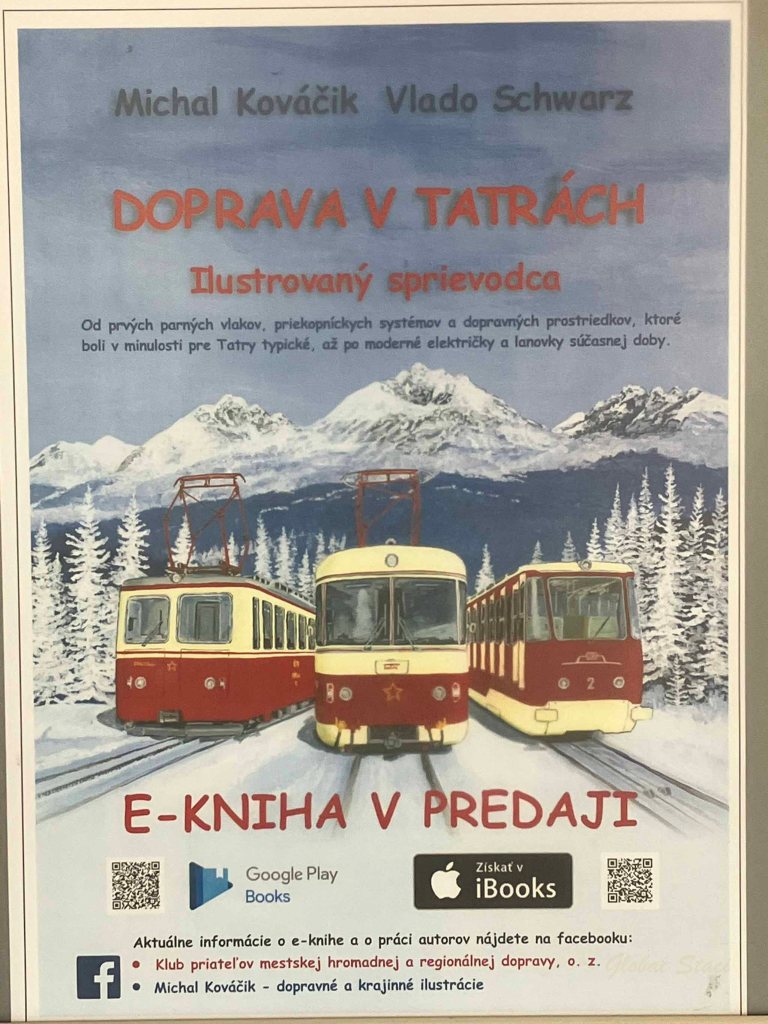
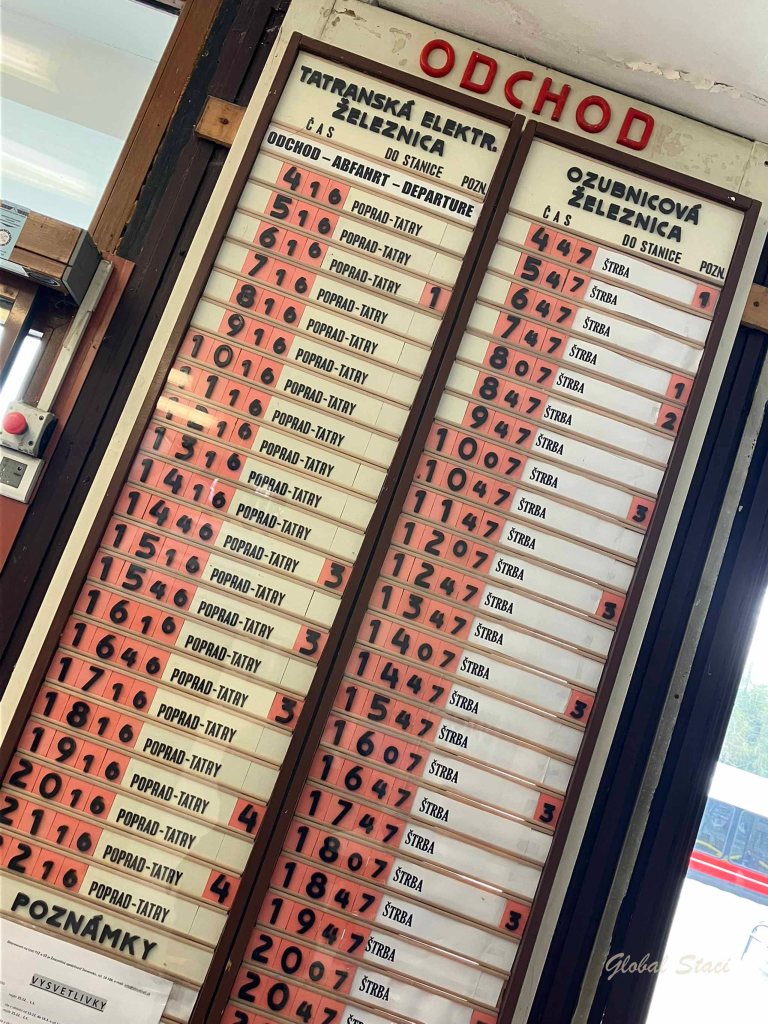
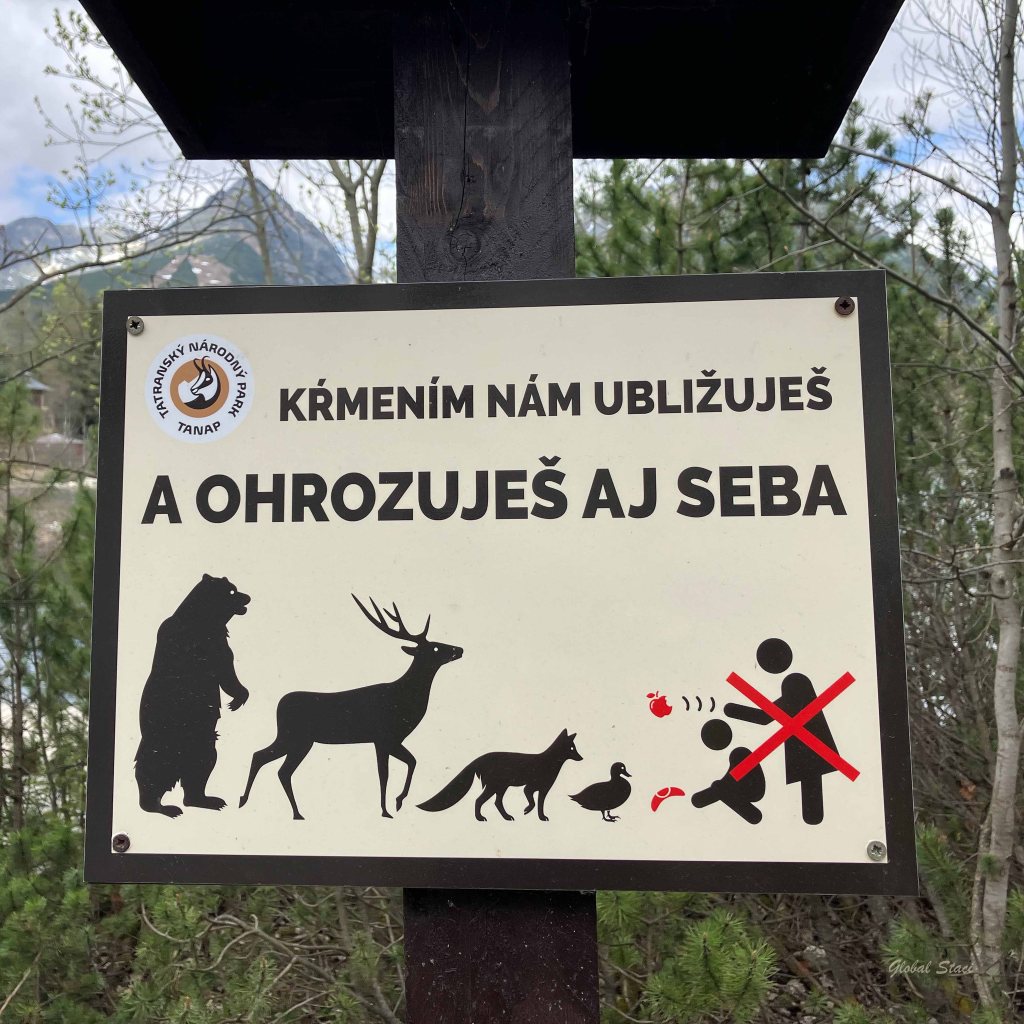
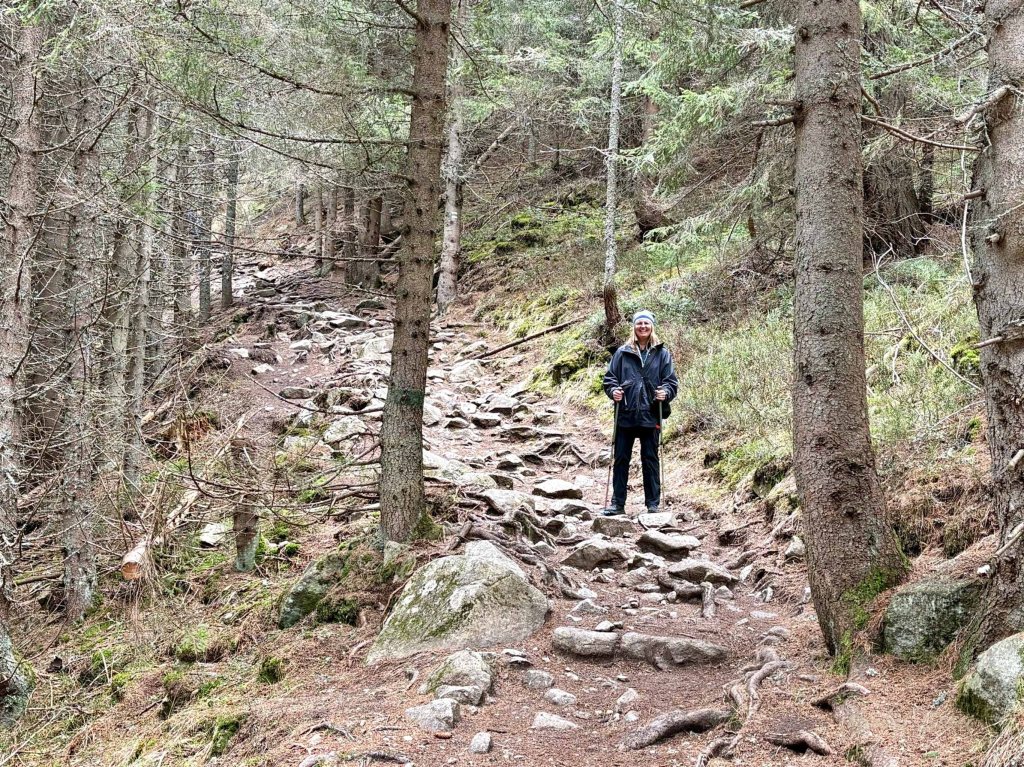
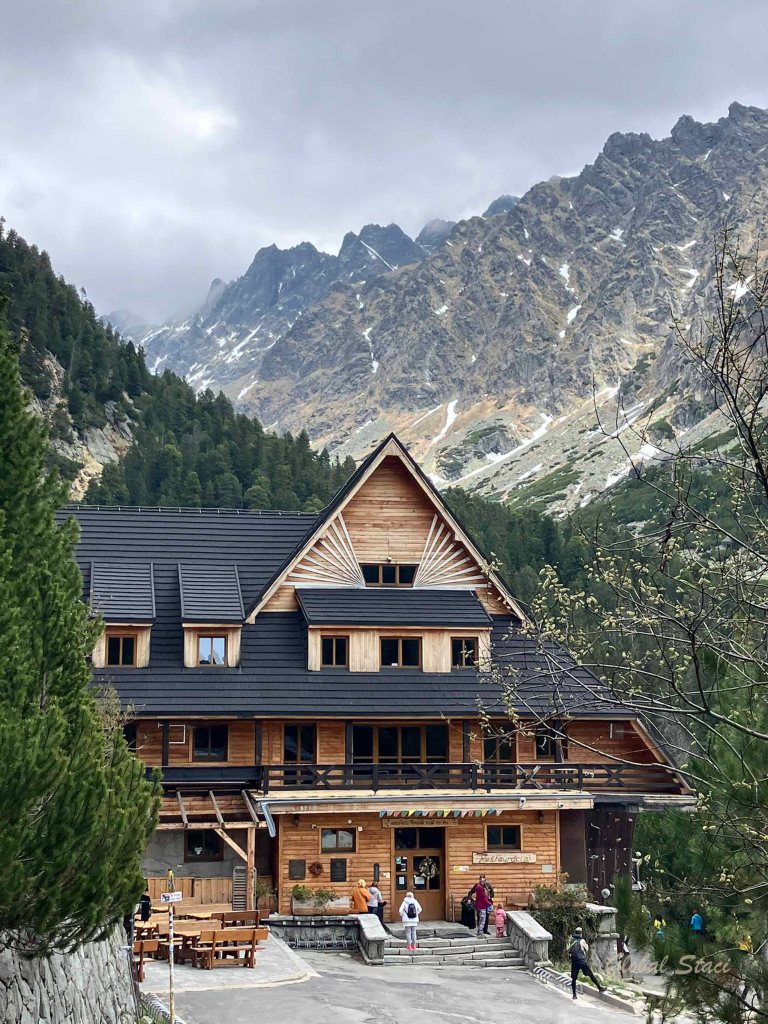
This was one of my favorite days, spent hiking to Štrbské Pleso in The High Tatras Mountains, into beautiful forest with waterfalls and a few alpine lakes. Our reward was a hot lunch and rest at the mountain resort located at the second largest mountain lake in the High Tatras. Just on the other side of the mountains is Poland.
Day 7 | Orava to Banská Bystrica
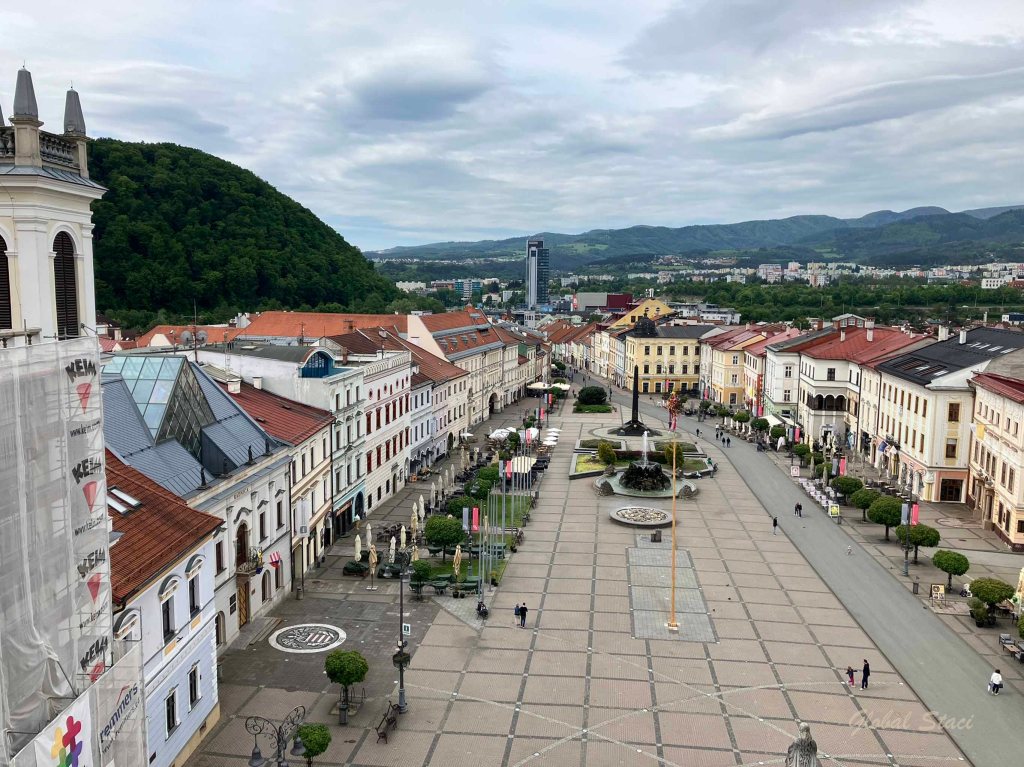
Our last night on the road was in Banská Bystrica, once Slovakia’s booming copper mining town, with a beautiful historic center. We enjoyed exploring the old city center on foot, hunting for cool souvenirs and places to eat, and learning a bit about the history by visiting some of the monuments, like the Clock Tower. Your eyes are not deceiving you. It leans. Originally a watch tower, construction began in 1552, it was used to signal fire or enemy attack, ceremonial celebrations and weddings, with flags, gunfire, bugle and trumpet. Climb the 101 stairs to enjoy stunning views of the town square and surrounding mountains.



Who’s ready for another castle? Orava Castle precariously perched on a high rock, a preferred photo motif, with countless stairs, it puts the visitors to the test, but the view from the top is worth it. Built after the Mongol invasion of Hungary in 1241. Its history follows a familiar pattern of construction, destruction, reconstruction, fire, various ownerships and territorial squabbles.

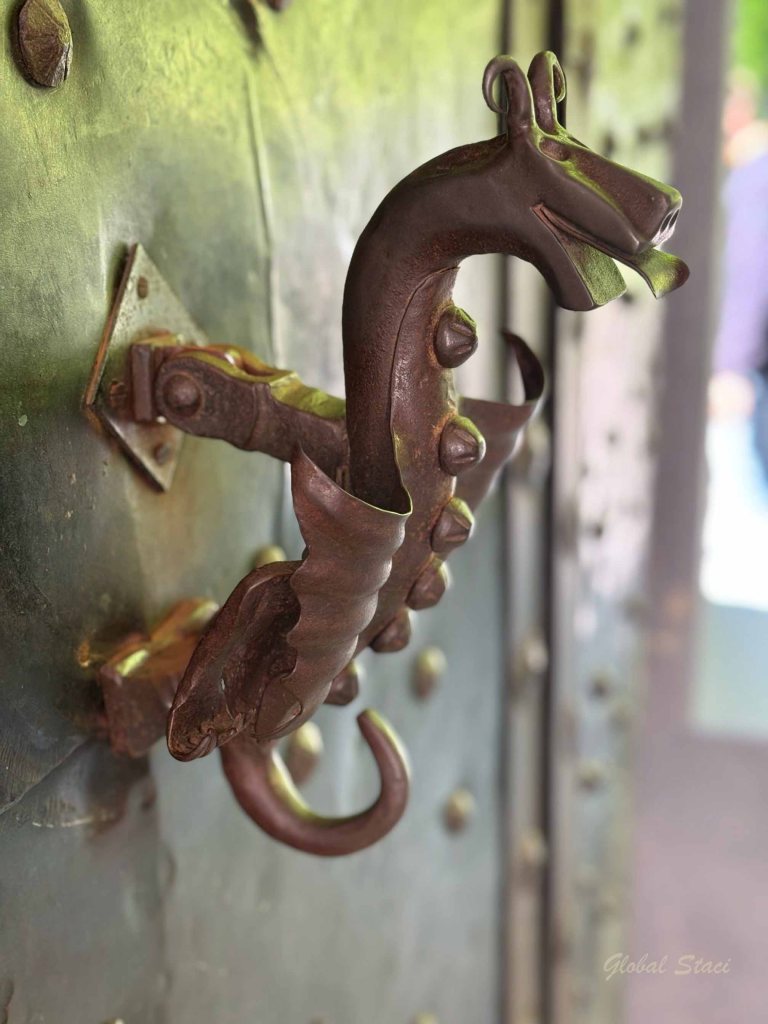


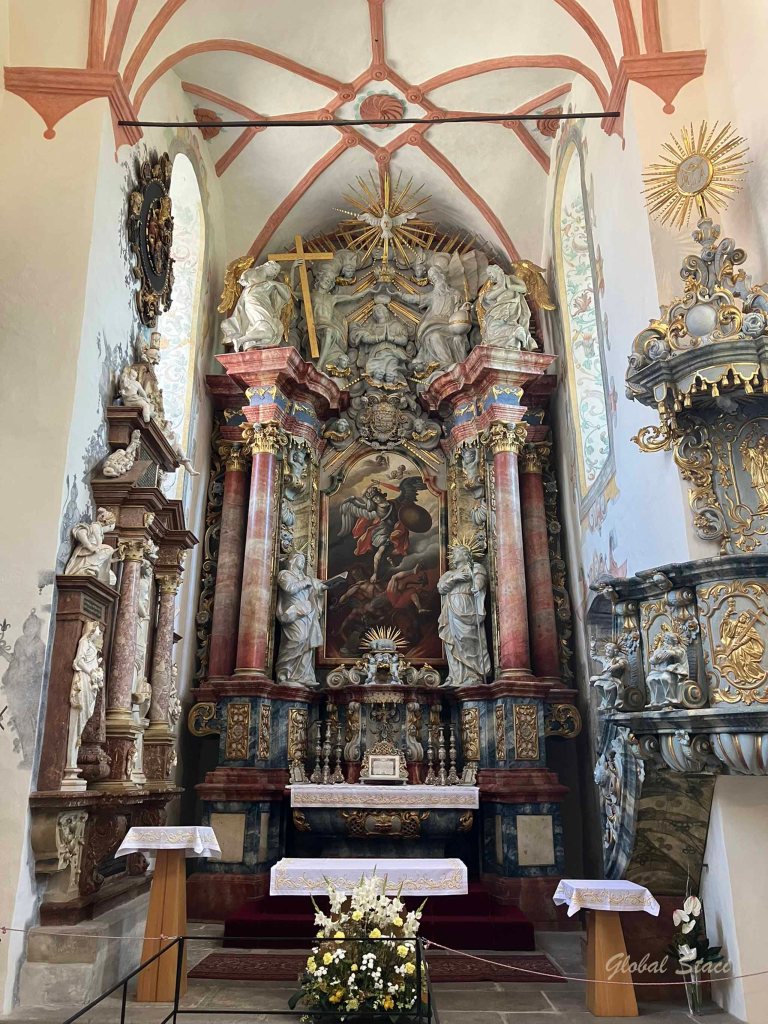

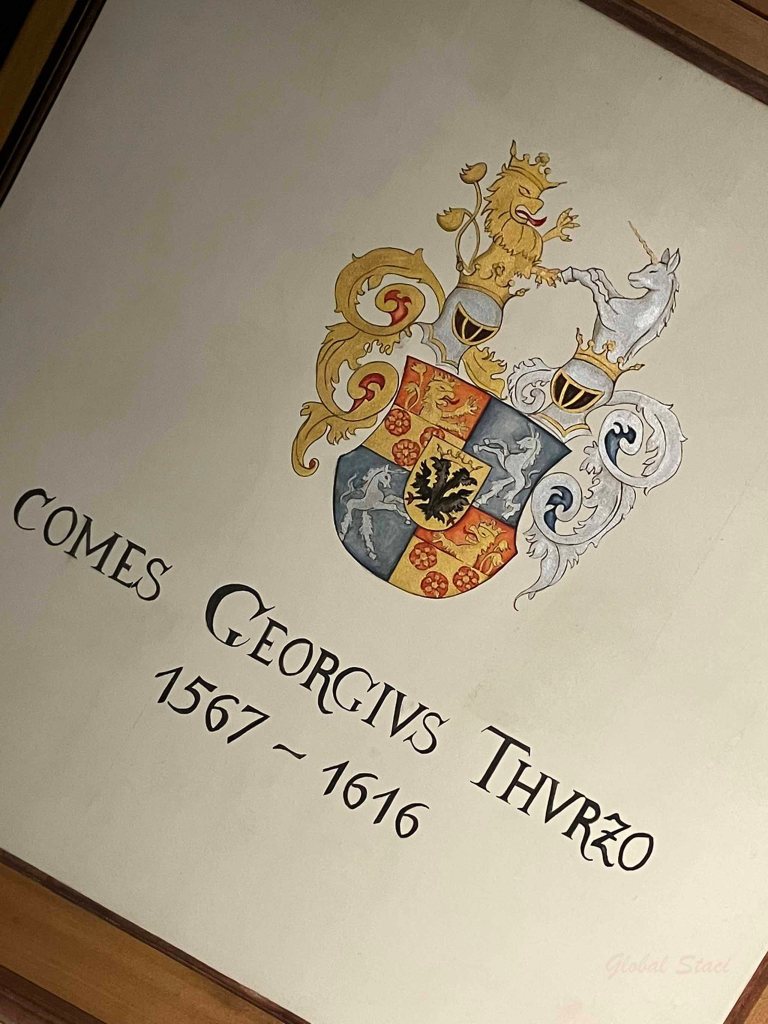
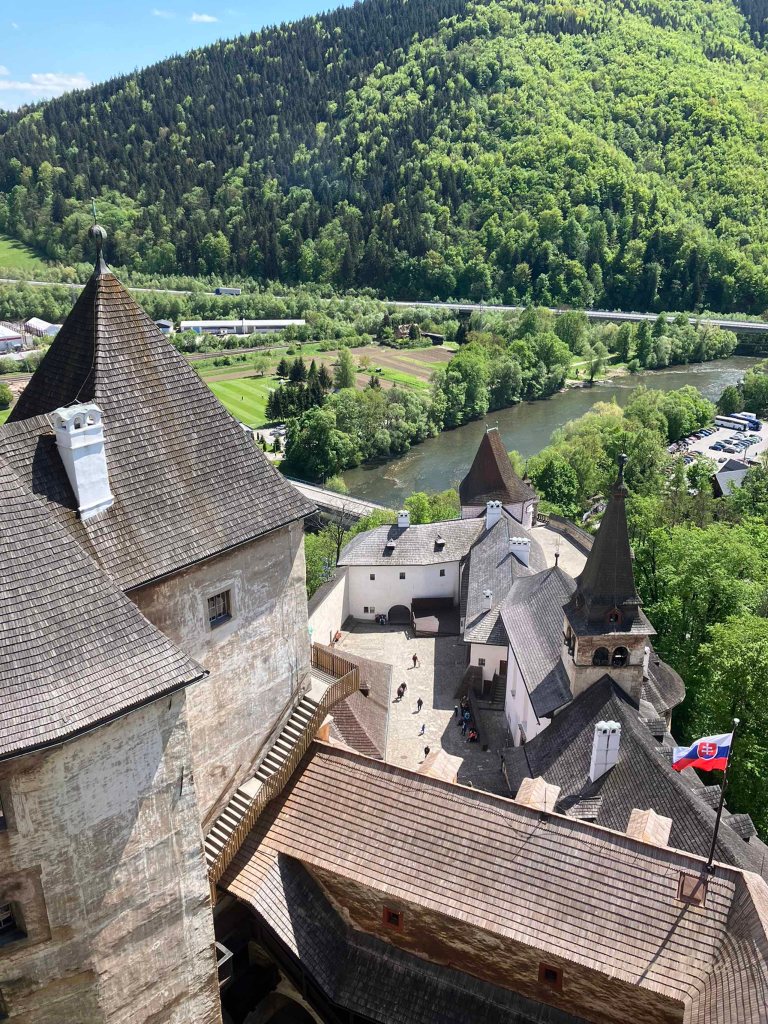
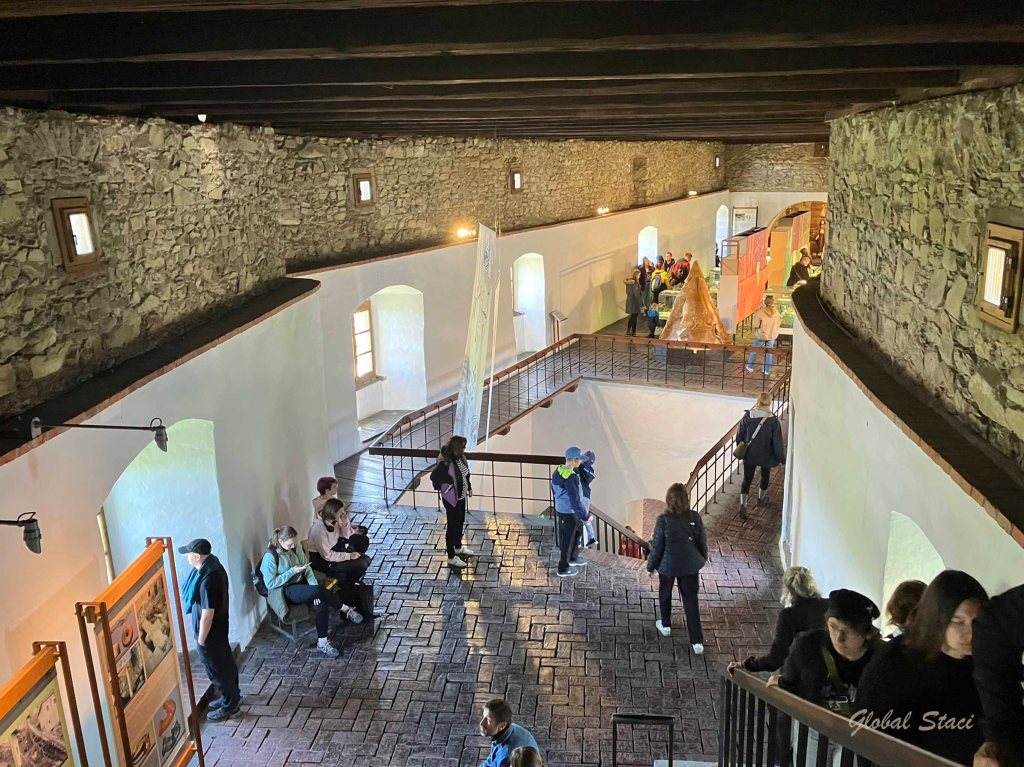
The 16th century mining magnates Thurzo family, were responsible for a great deal of its rebuilding, finalized around 1611. It burned down again in 1800, after which it was no longer used as a residence. After a period of dilapidation up until WWII, the castle became a national monument. It is a popular location among film producers and movie directors.
In Vlkolínec, a village on the UNESCO World Cultural and Natural Heritage List, it is as if time stopped. It is the region’s most complete group of more than 45 traditional log houses, often found in mountainous areas. A handful of people still reside in the village and other homes are vacation houses owned by locals.
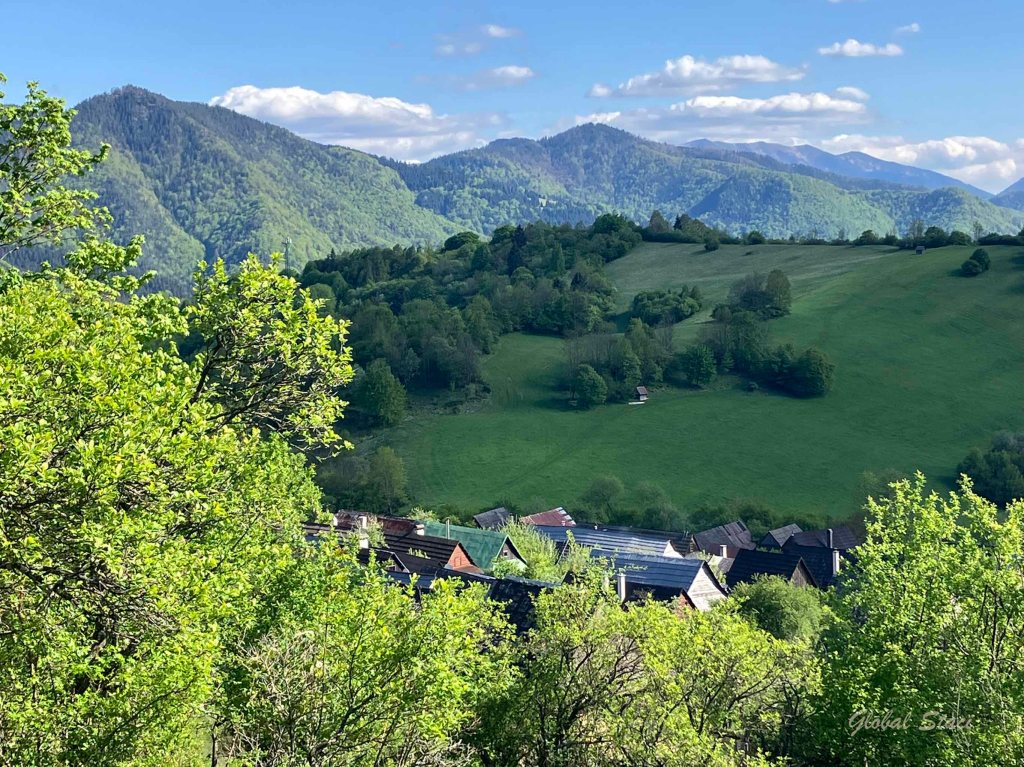

Believe it or not, we saw most of UNESCO’s world heritage sites in Slovakia, the exceptions being mostly caves.
Banská Bystrica is home of the memorial to the Slovak National Uprising, organized by the domestic resistance during against the German invasion of Slovakia during WWII.


Day 8 | One Last Castle
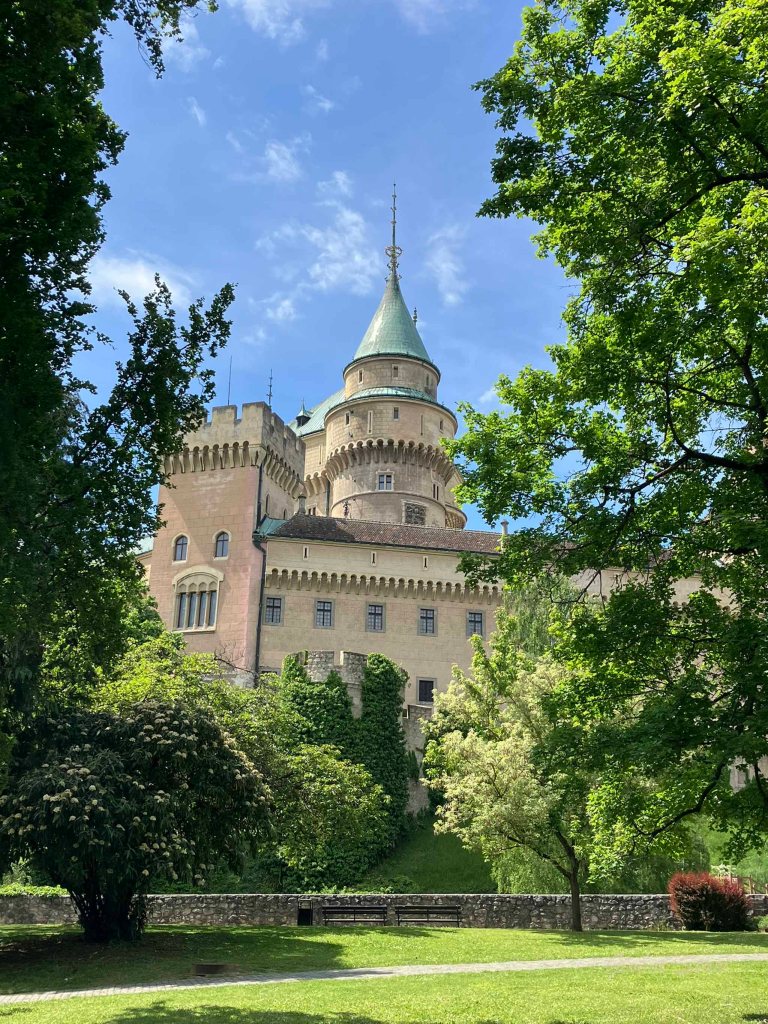
I promise…the last castle! Known as the most romantic castle in all of Slovakia, it is certainly the most visited.
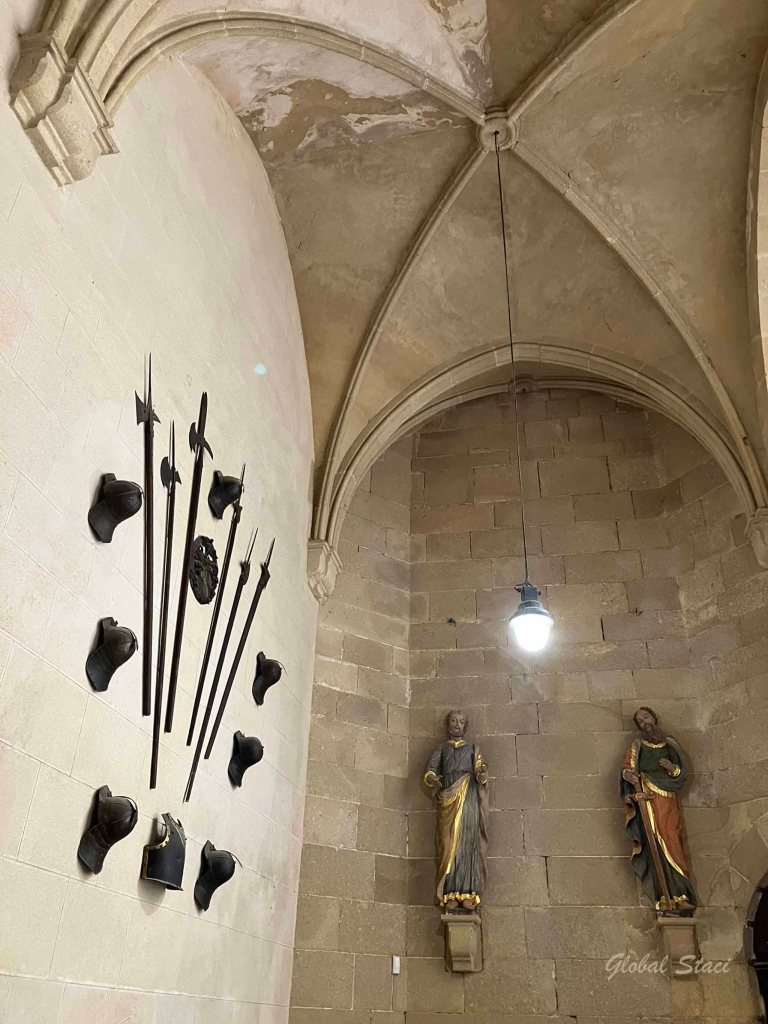
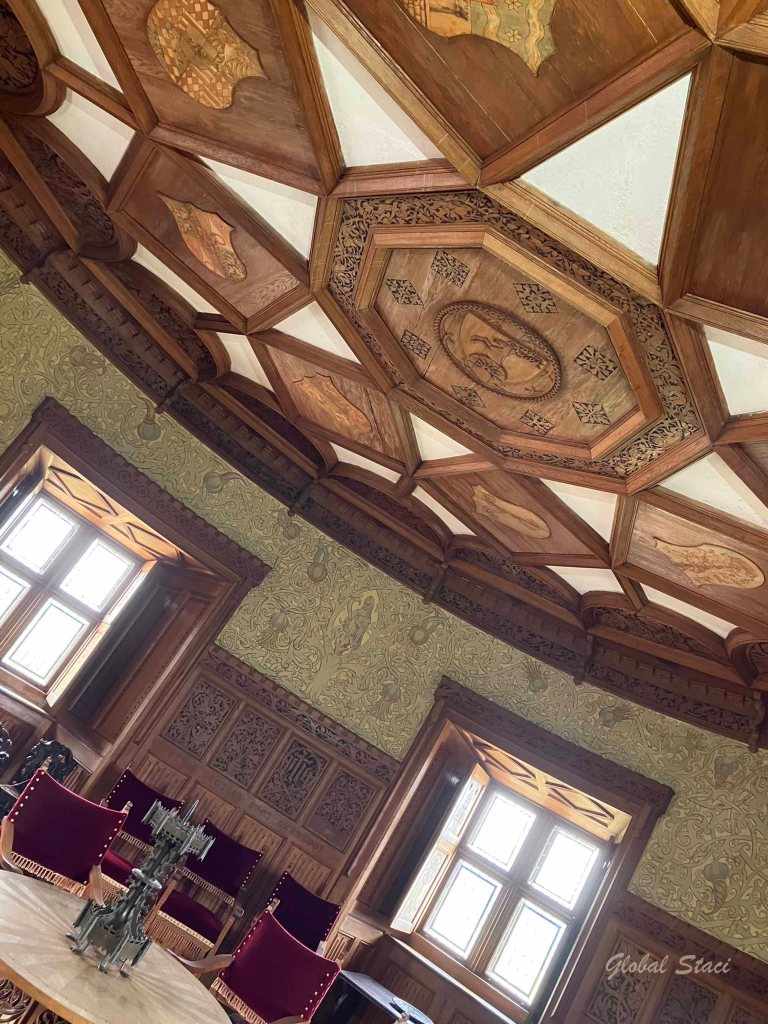
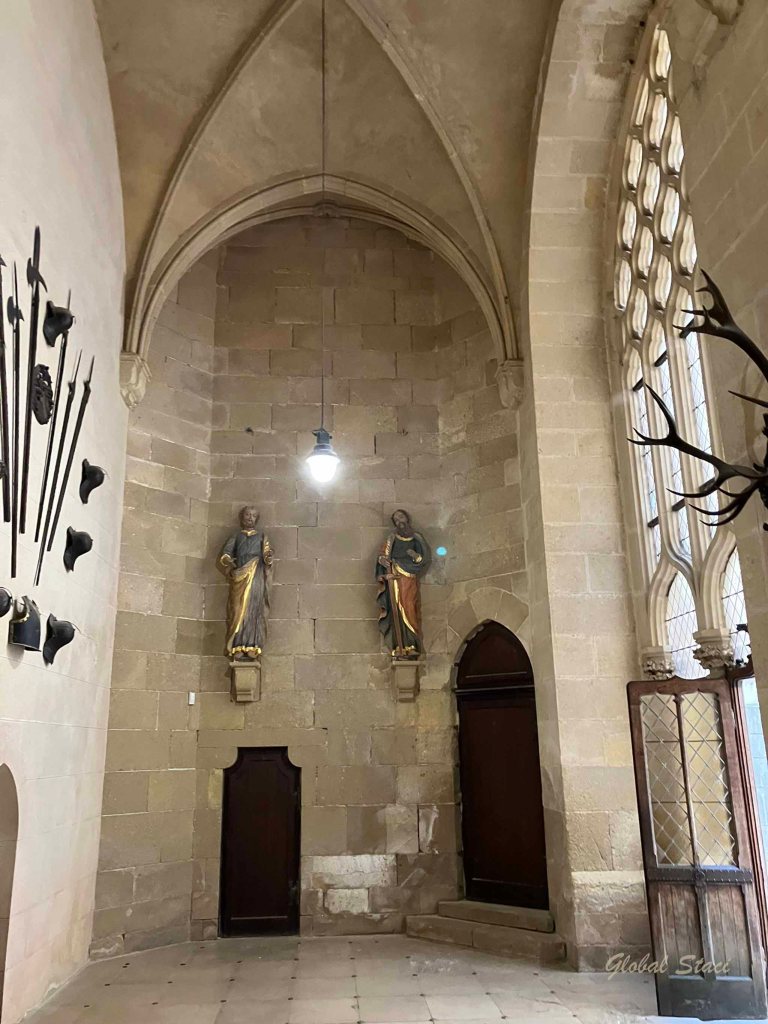
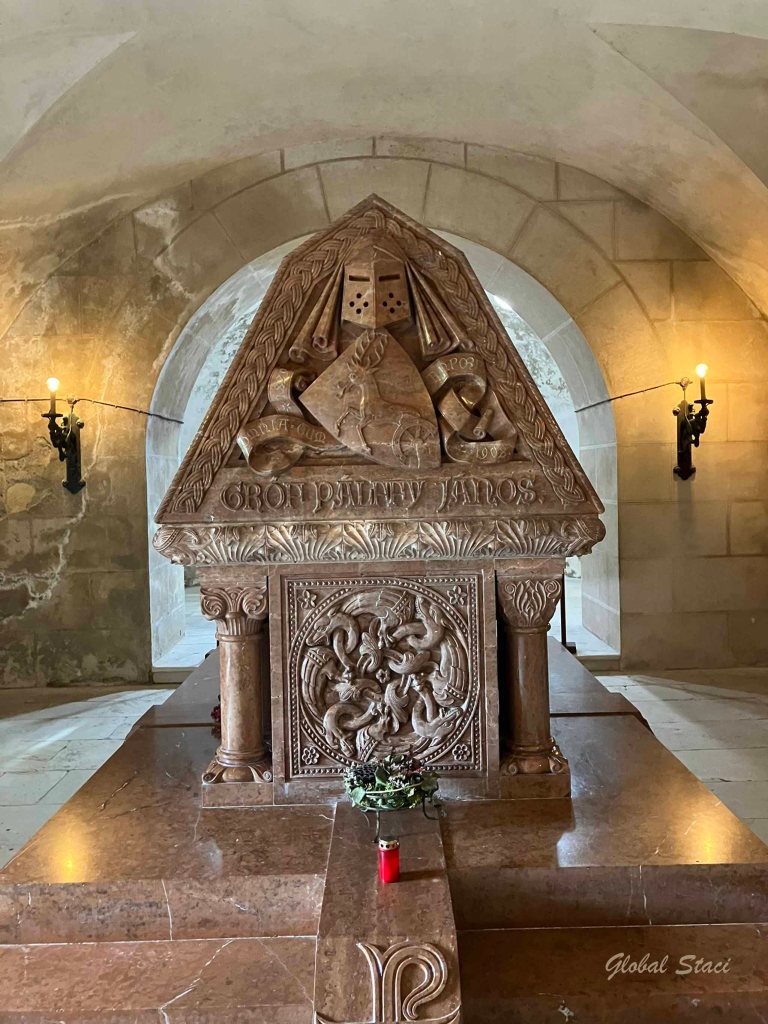
Bojnice Castle was owned by Hungarian kings and nobleman beginning in the 12th century. Since 1646, the castle’s owners were the Pálffy family. From 1888 to 1910, the lady Hungarian Count János Ferenc Pálffy, created today’s version of the castle in the style of the French castles of the Loire Valley. Now, it is managed as an independent museum by the Slovak National Museum (SNM) in Bratislava, as was its last owner’s dying wish.






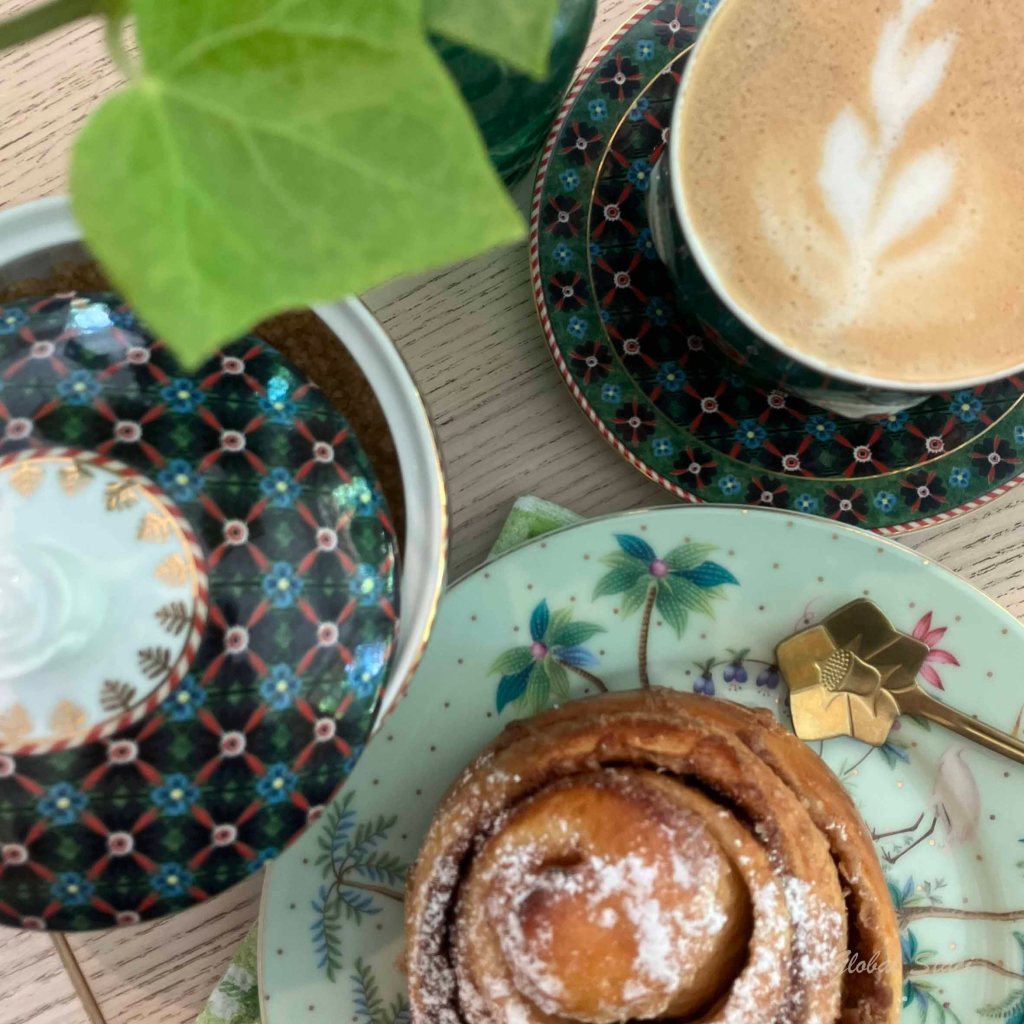
[PRO TIP: Stop for a mid-day coffee and pastry break at Kaviareň pod platanom, Kúpele Bojnice.]
We spent our last night back where we started, at the Arcadia Boutique Hotel in Bratislava, leisurely hunting for souvenirs and eating pierogis.


 Global Staci
Pingback: Vienna, The City of Music, Waits for You
Pingback: The Fuller Center for Housing Romania, Global Builders Cluj
Pingback: Revisiting Porto, Portugal | Ten Years Later 2025