Less than an hour flight from Cluj, Romania and less than an hour drive from Bratislava, the capital of Slovakia, is the once the capital of the Hapsburg Empire, the stately city in a ballgown, Vienna.
[PRO TIP: Once you are in Europe there are many ways to get from one country to another on the cheap. Sometimes it’s a time-saving flight on a low-cost carrier. Consider flying Hungarian airline Wizz Air or Ireland’s Ryanair. Uber and Lyft operate in Vienna, but you can also hail a cab on the steet.]
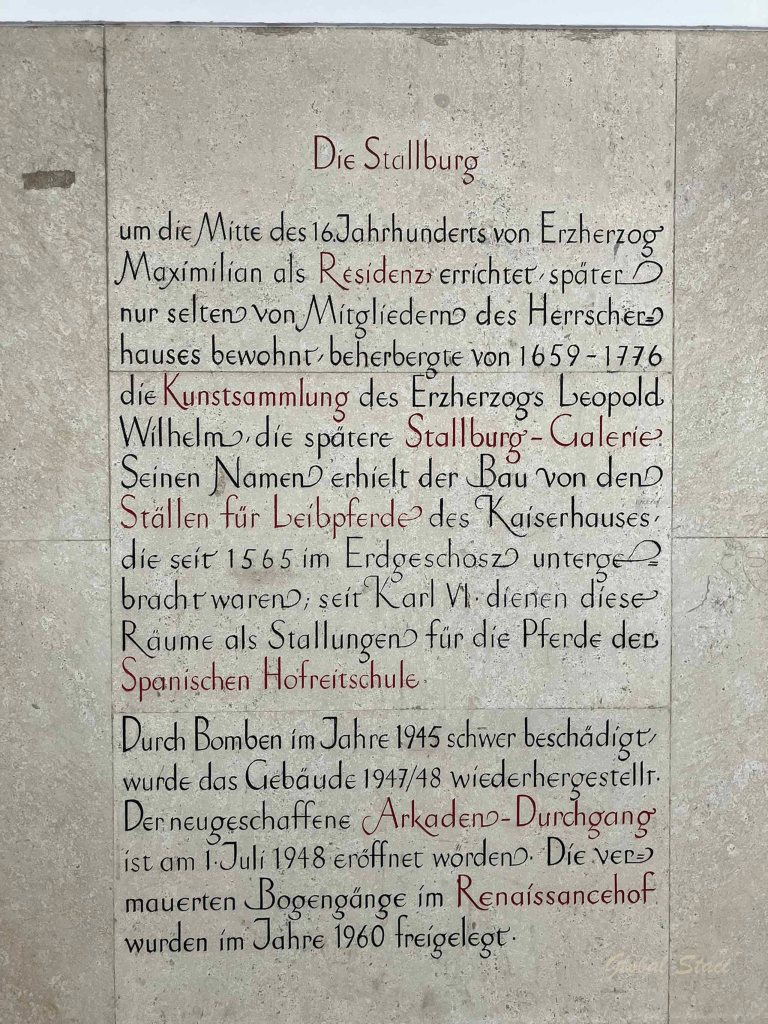
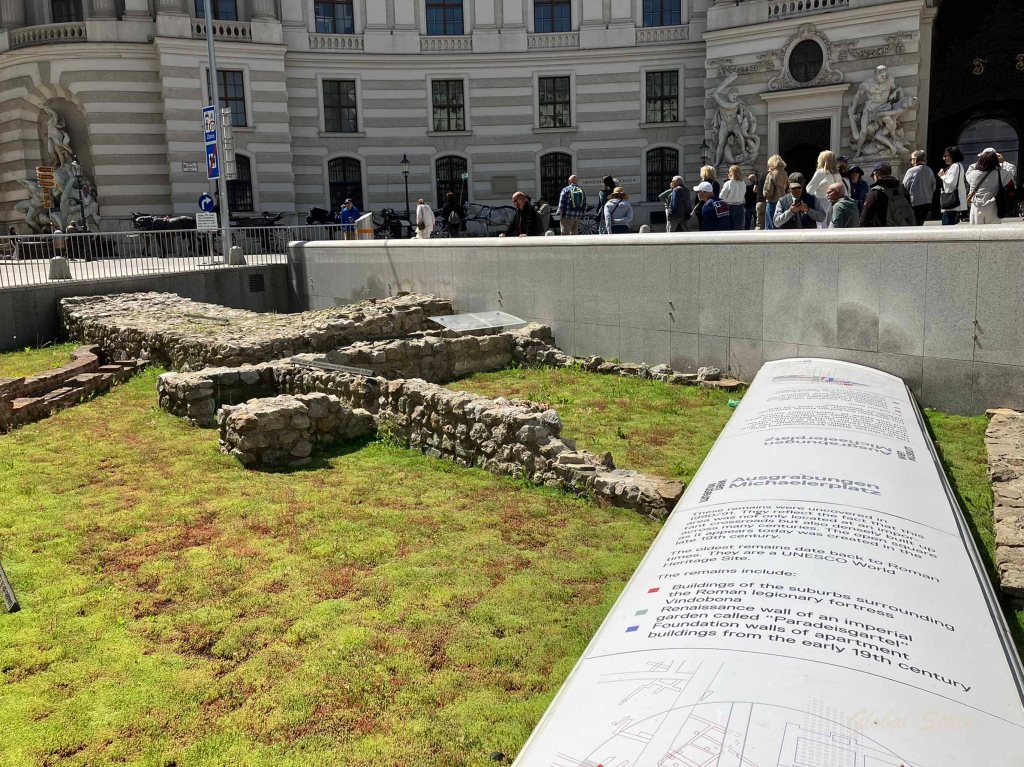
Day 1 | Getting to Know Vienna
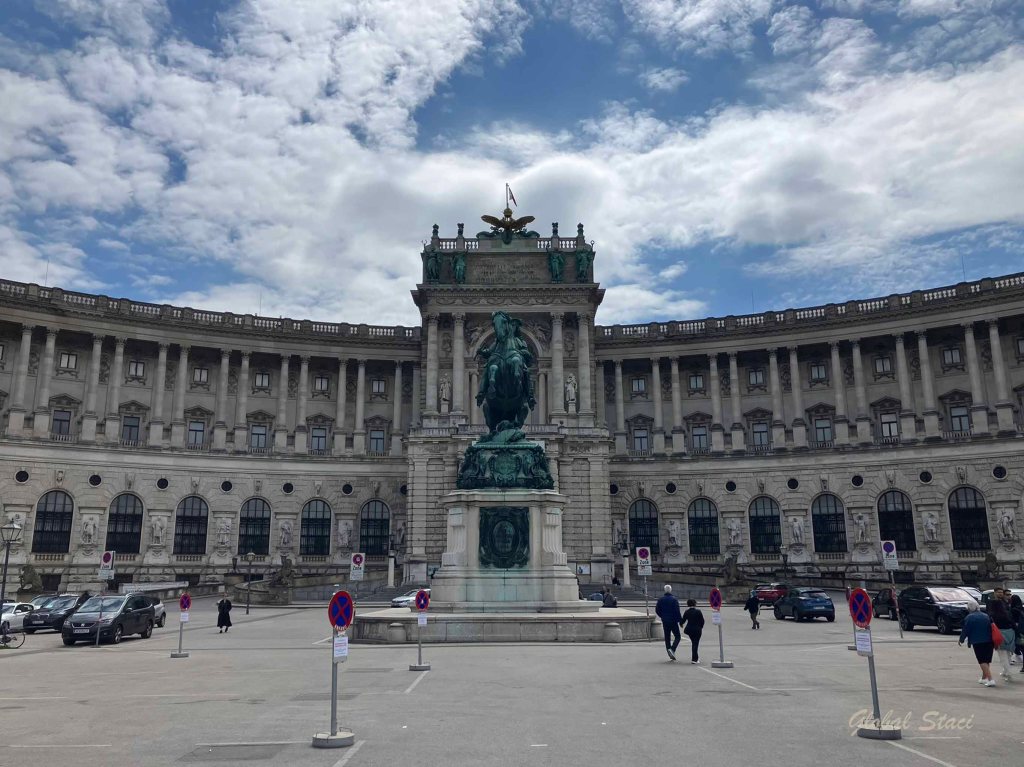
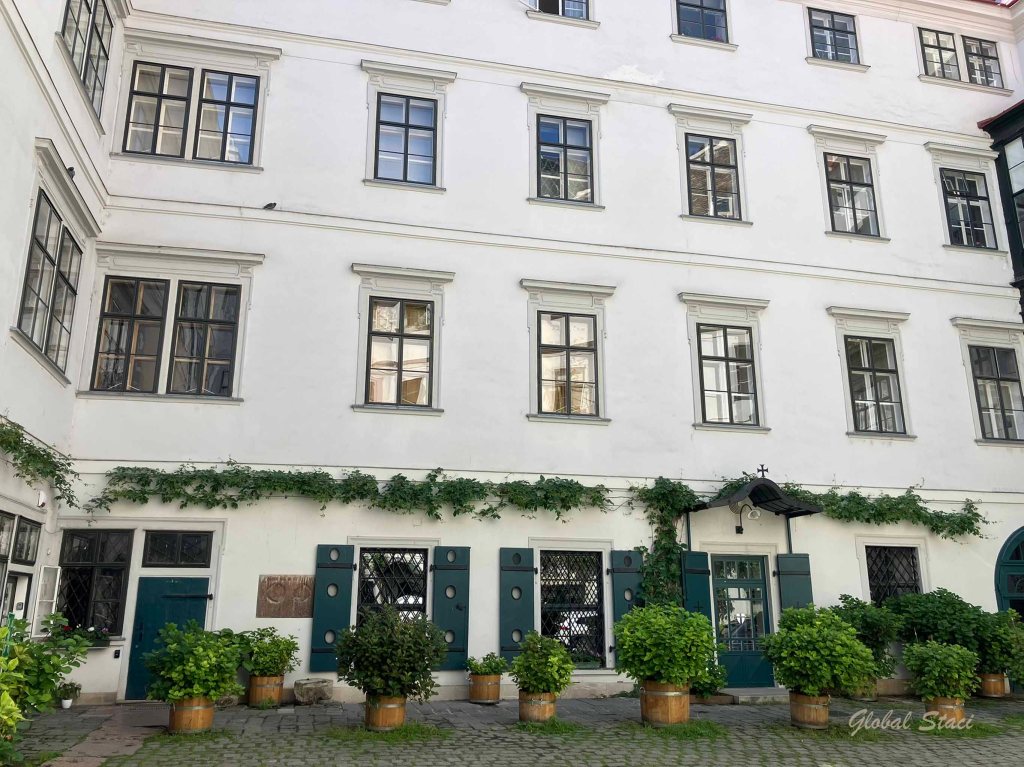
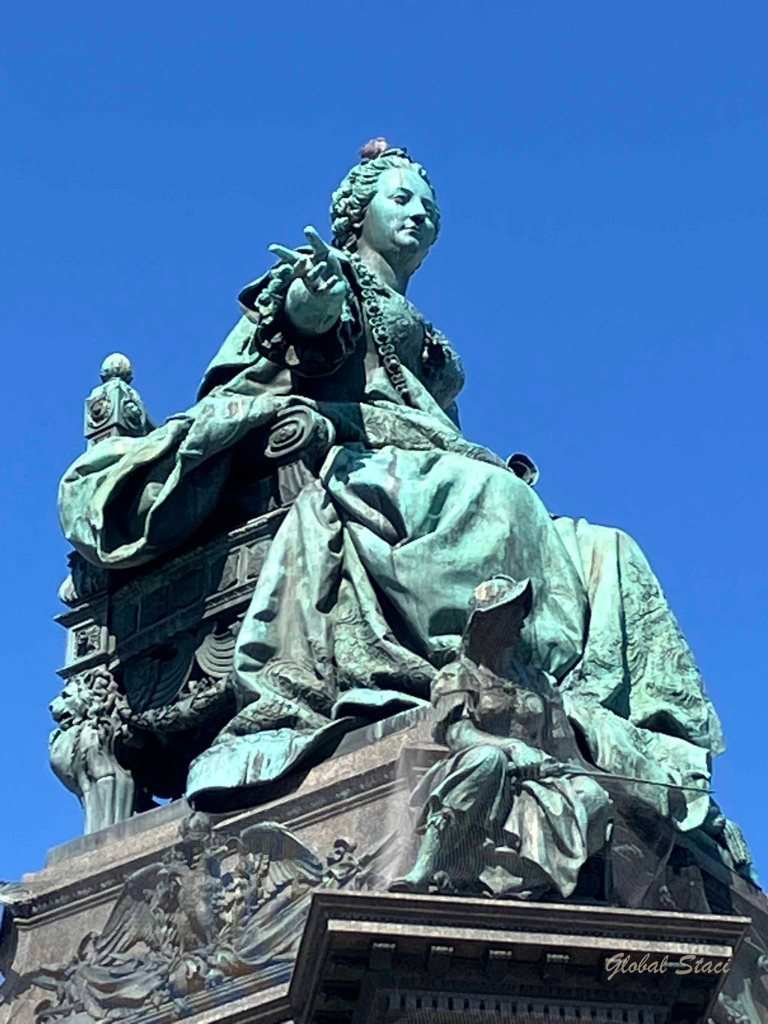
We chose to stay in the picturesque Spittelberg neighborhood, known for its charming cobblestone streets and artisan shops. We were also a stone’s throw from the heart of the city, Maria Theresia Square. In all her glory, the Maria Theresia Memorial commemorates Empress Maria Theresa, who ruled the Habsburg monarchy from 1740 to 1780.
[PRO TIP: I love staying in small boutique hotels, especially when they cost less, include more and are well located in an area I want to explore. I usually do a lot of research before booking and can recommend Hotel Gilbert [Breite Gasse 9] in Vienna for all three reasons].
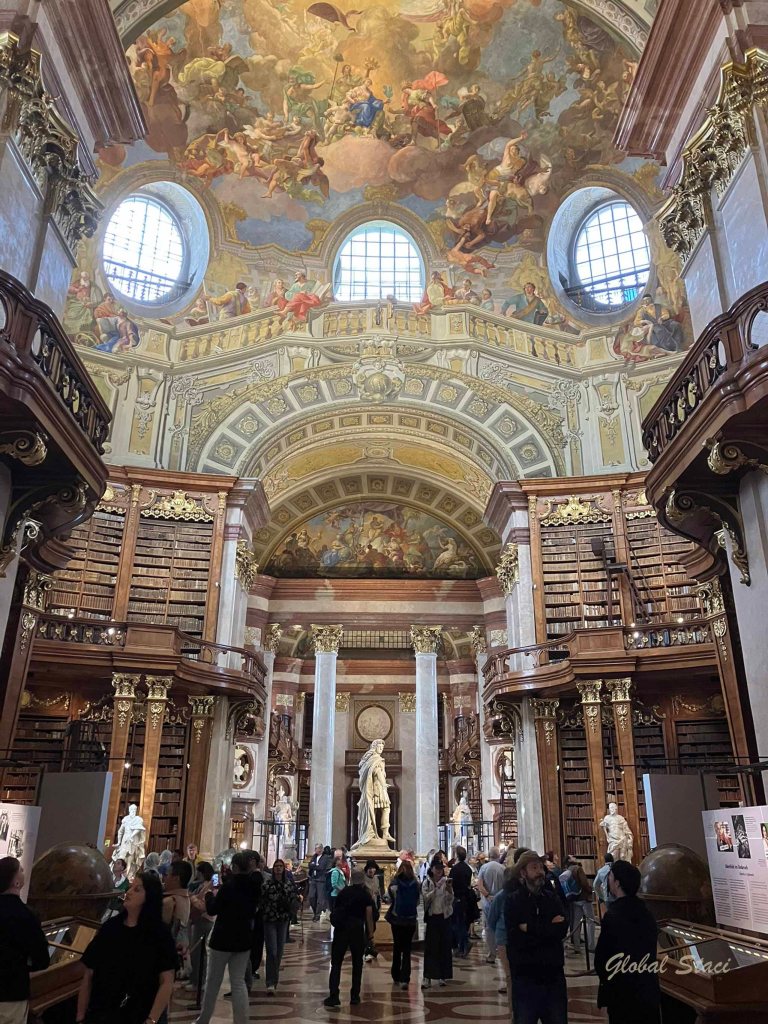
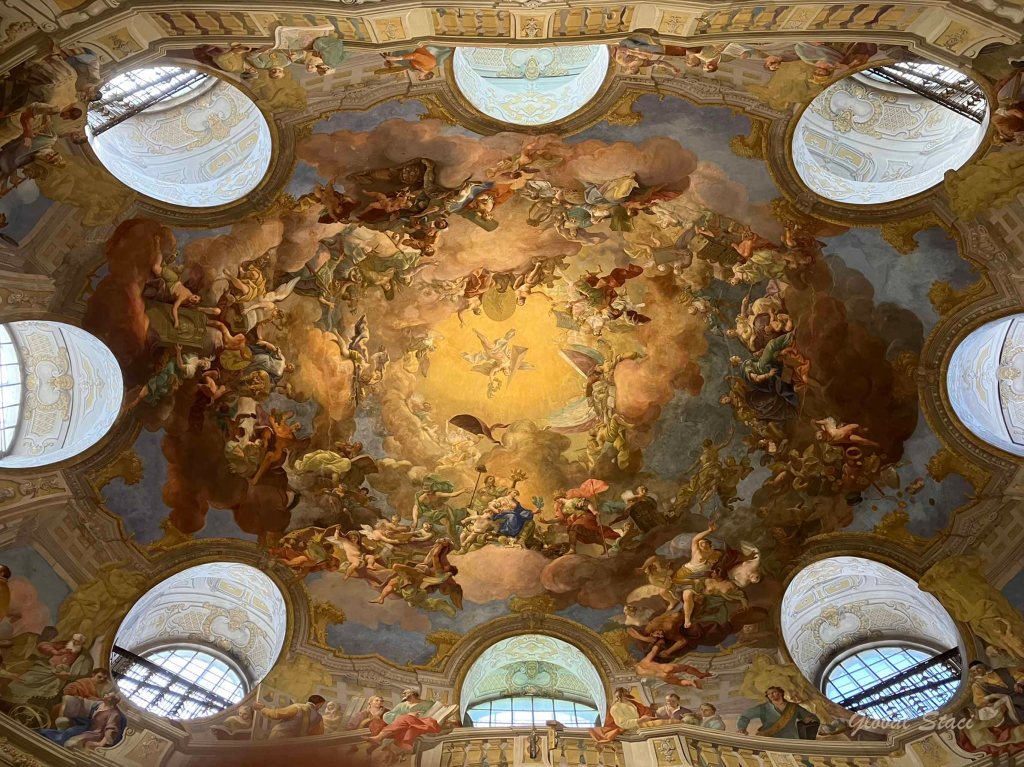
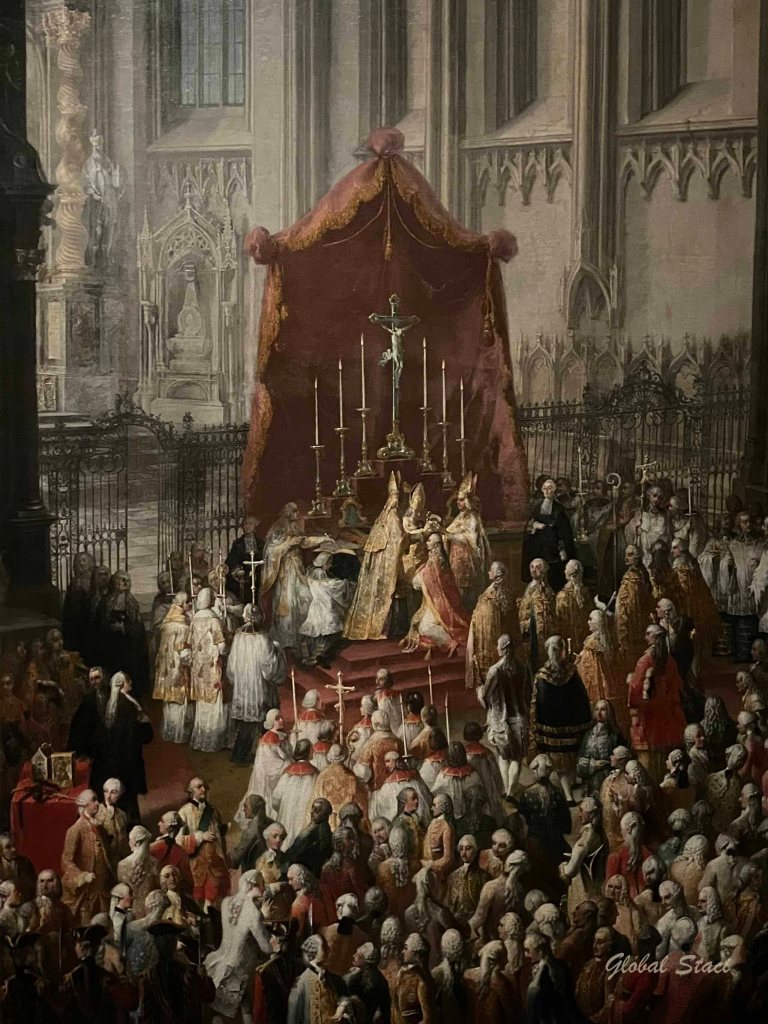
With no real agenda, we walked down toward the Square and marveled at the architecture until we settled on visiting the Austrian National Library. Established in 1368 by the Habsburgs as Imperial Court Library it is one of the oldest continually functioning libraries in the world. It was named the Austrian National Library when it was handed over to Austrian Republic in 1920, at the end of Habsburg era. There are millions of artifacts in the collection.
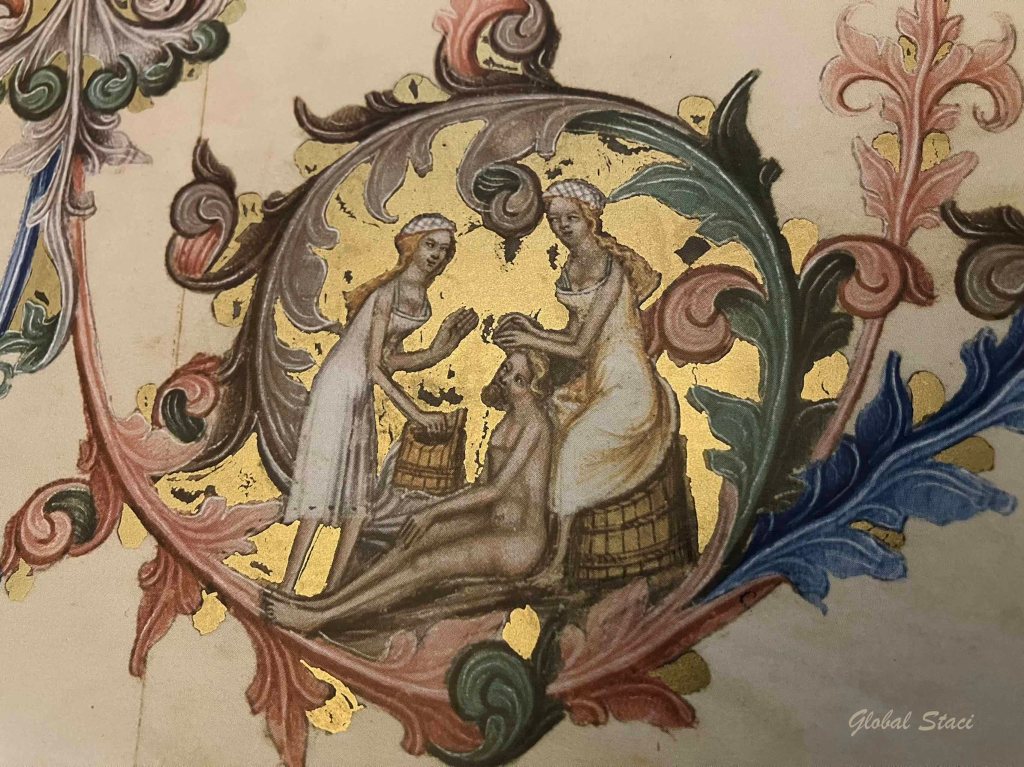
One of my favorites included a page from the 14th century Wenceslas Bible, with a letter W detailed above the bath maidens, interpreted as symbols and guarantees of purity, as they are washing the King.
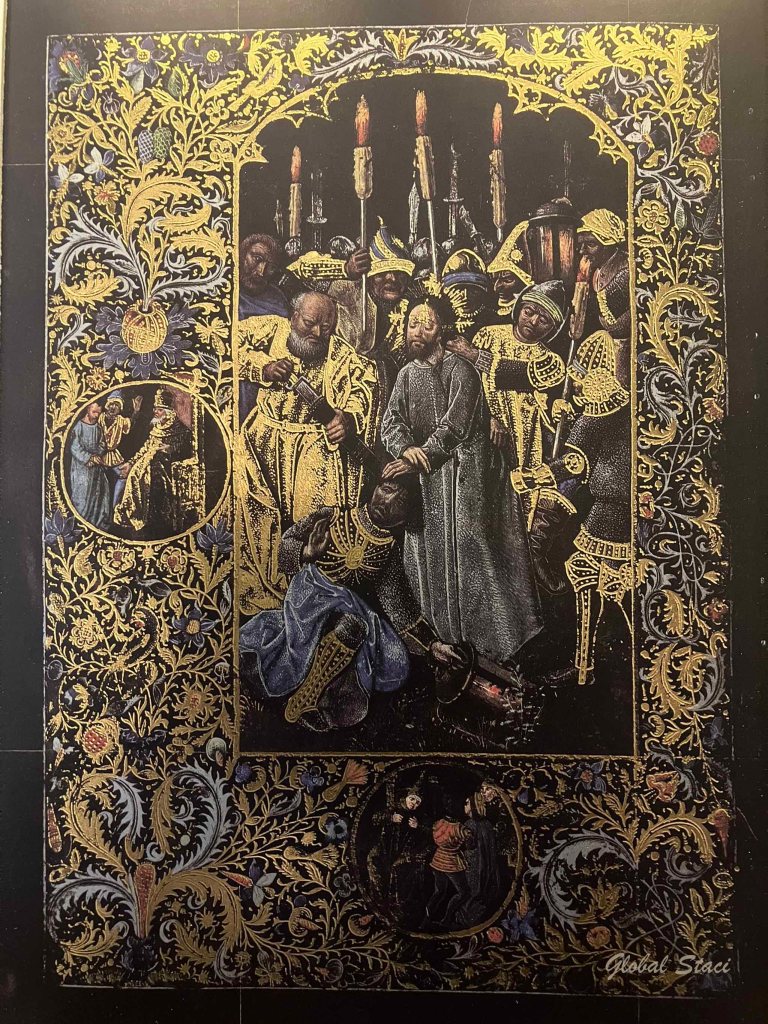
Another favorite, a manuscript, made of parchment that was stained black to give great-er illuminative effect to gold, silver and paint. The Vienna copy, of which the scene of Christ’s arrest is displayed, is the most magnificent of these codices, all of which were created in the third quarter of the 15th century in Bruges. Only seven survive worldwide.
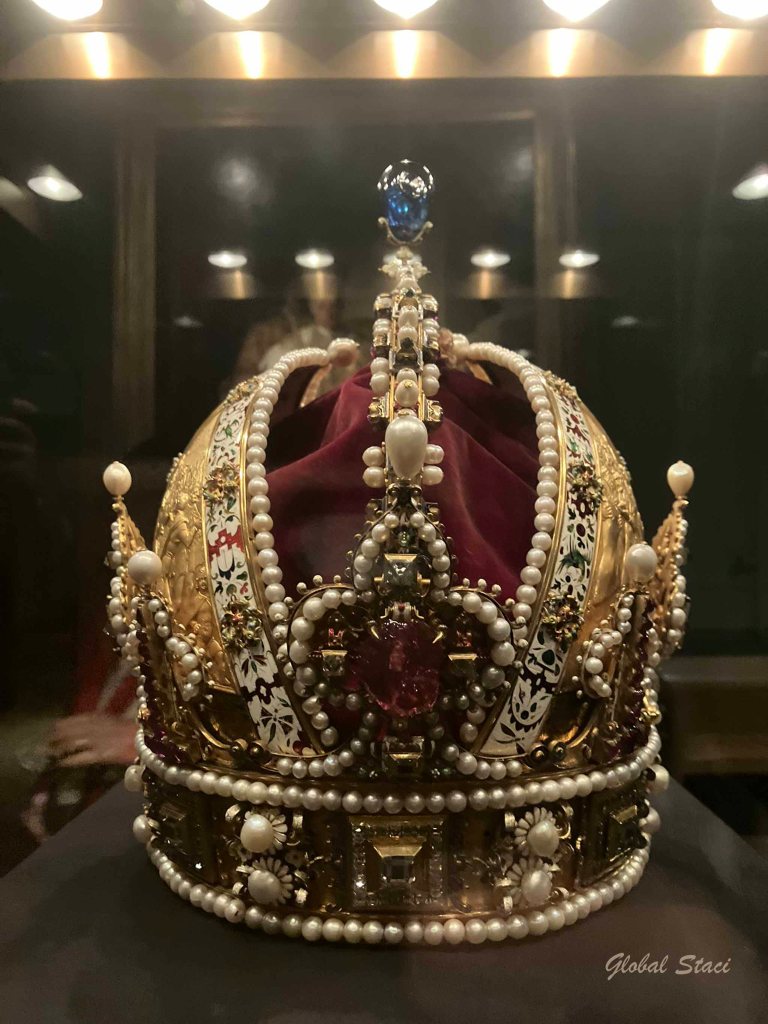
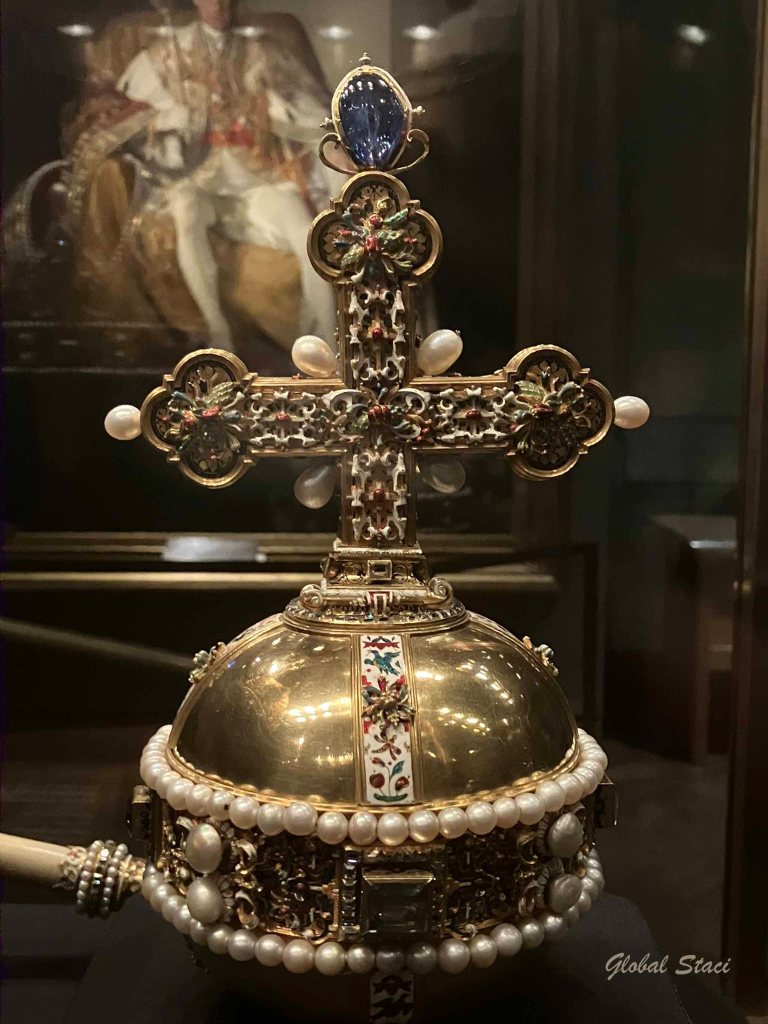
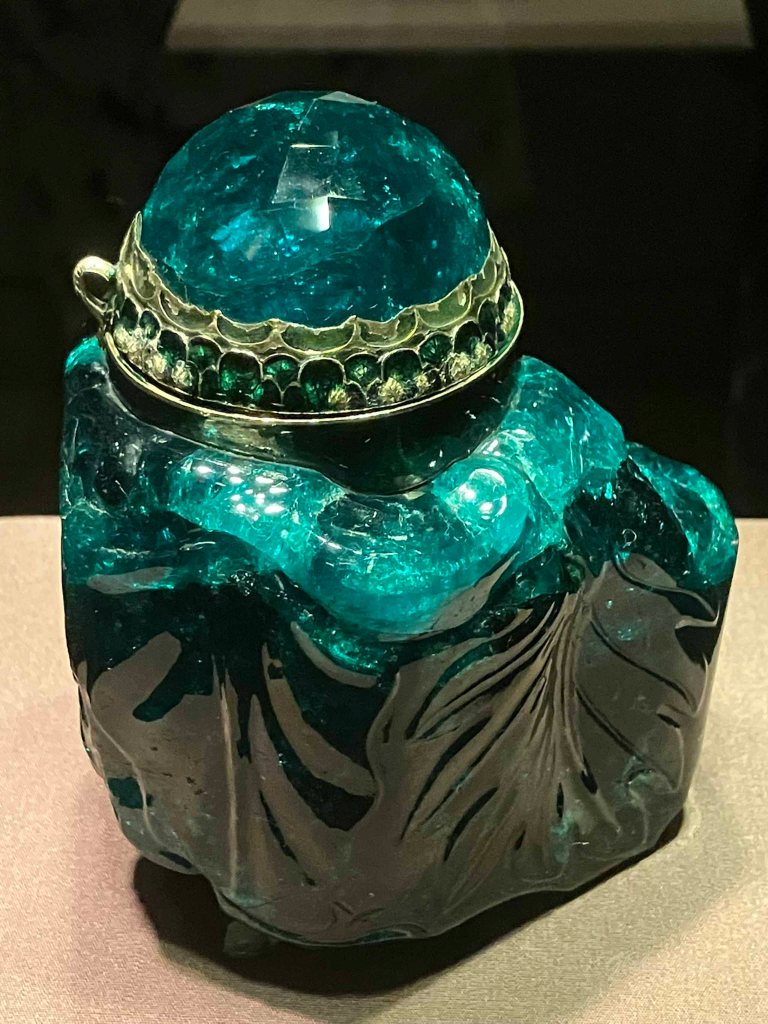
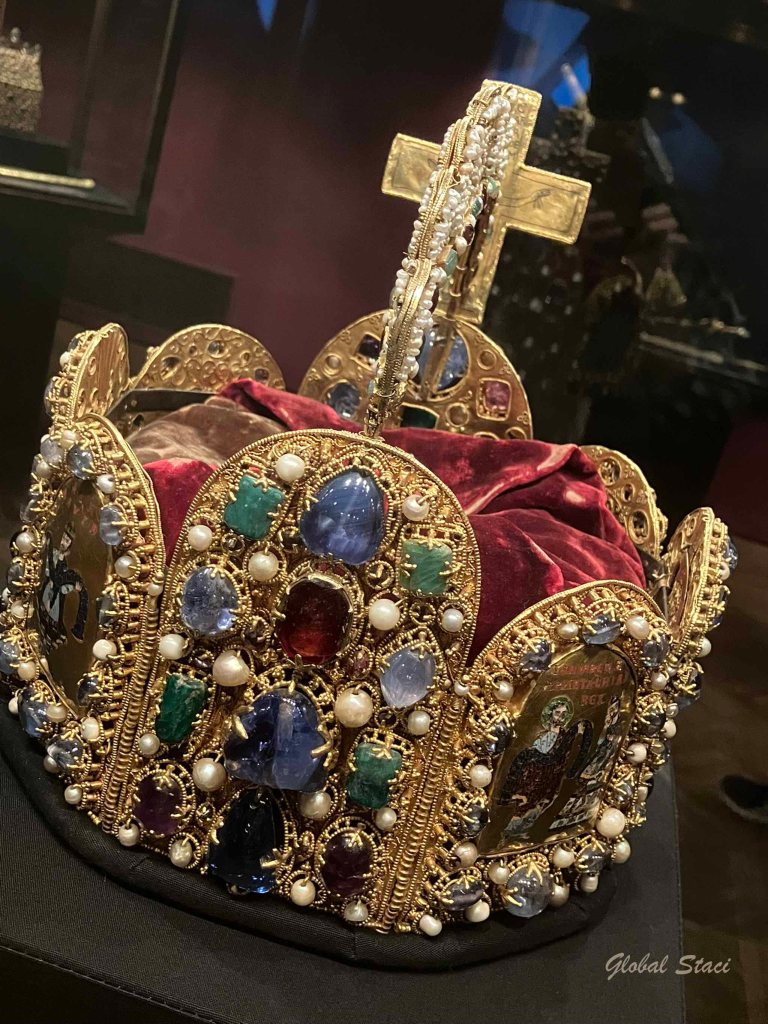
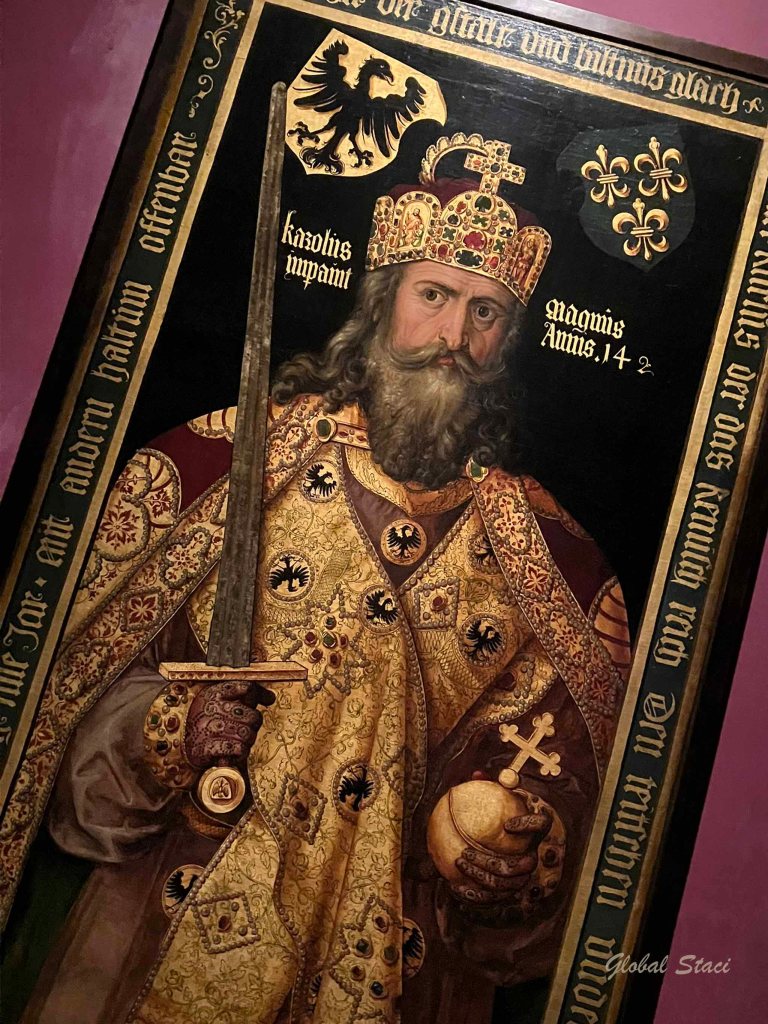
Next, we headed to see the Crown Jewels in the Imperial Treasury. Check out The Imperial Crown. The crown weighs a total of 3,465 grams (o. 7lb 10oz). All metal elements are made of high-carat gold, except for the strips of iron added later to stabilize the circlet. The eight plates are embellished with a total of 200 pearls, 116 gemstones, mostly sapphires, emeralds, and amethysts, all carefully selected and arranged by color, shape and size.
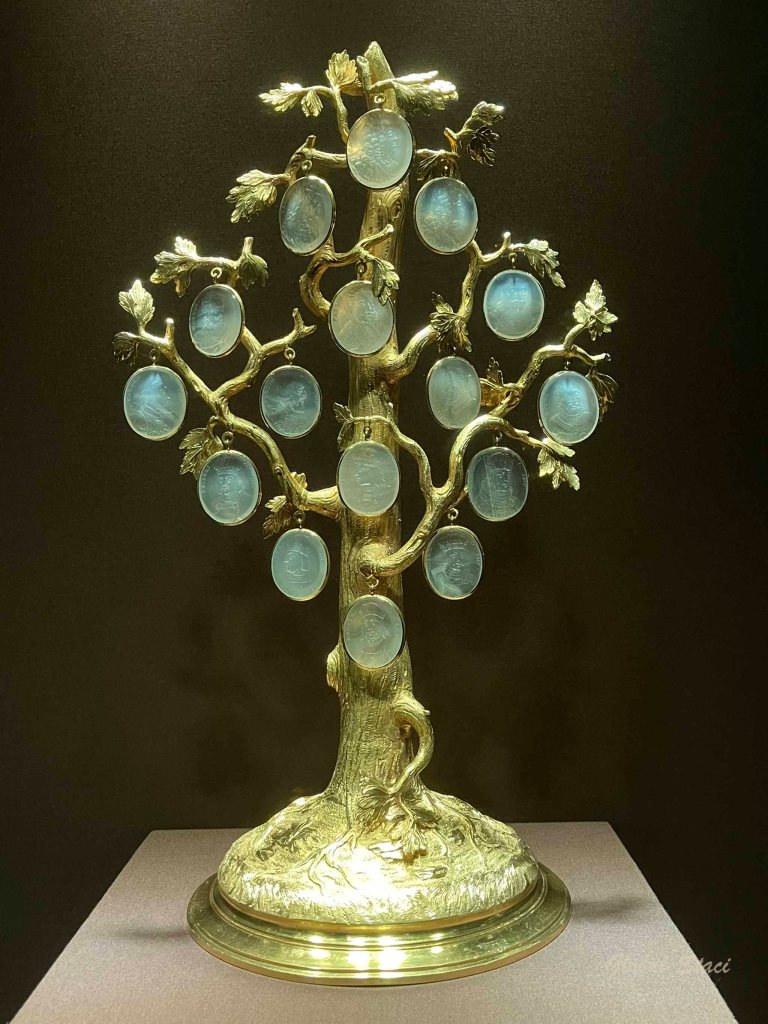
One of my other favorite items is the Family Tree showing Kings and Emperors from the House of Habsburg, made of gold and chalcedonies. If you look closely at the photo below, you’ll see the faces in the gemstones.
Famished we happened upon a highly recommendable lunch spot, Esterházystüberl. If you want to try typical Viennese food, this is a great place.
[PRO TIP: The Styrian Fried Chicken Salad is amazing and available in many restaurants.]
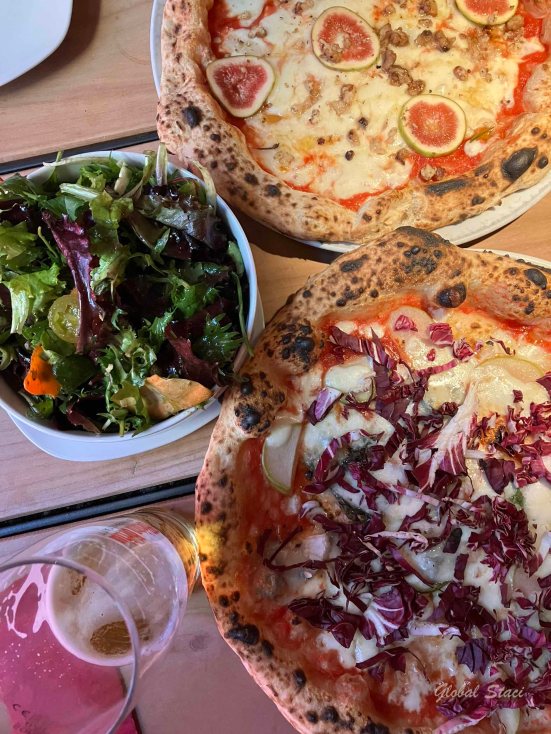
After a well-deserved afternoon rest, we ventured out again, across the Danube channel, to find the most delicious pizzas at the quirky hipster restaurant Randale.
Day 2 | Walking Tour & Light Show
One of my favorite ways of getting to know a place is with a guided walking tour. I booked ours in advance on Airbnb Experiences (Maria Tours Live). Maria was fantastic! A native Austrian, her personal story is as interesting as all the stories she expertly told us about the history of Vienna. After exploring the Austrian National Library, the Crown Jewels & Treasury, and a guided walking tour, I think I understand the Hapsburg-Austro-Hungarian Empire thing. Sort of.
The Habsburgs established their dominion over the territory of present-day Austria in 1282, and the territories known as the “hereditary lands” began to take shape: these included areas of what is today southern Germany, as well as parts of Italy, Slovenia, and Croatia. In 1526 Bohemia (present day Czechia) and Hungary were added to the Habsburg realms. Added by alliances through marriage between the Hapsburg and the royal families of those nations.
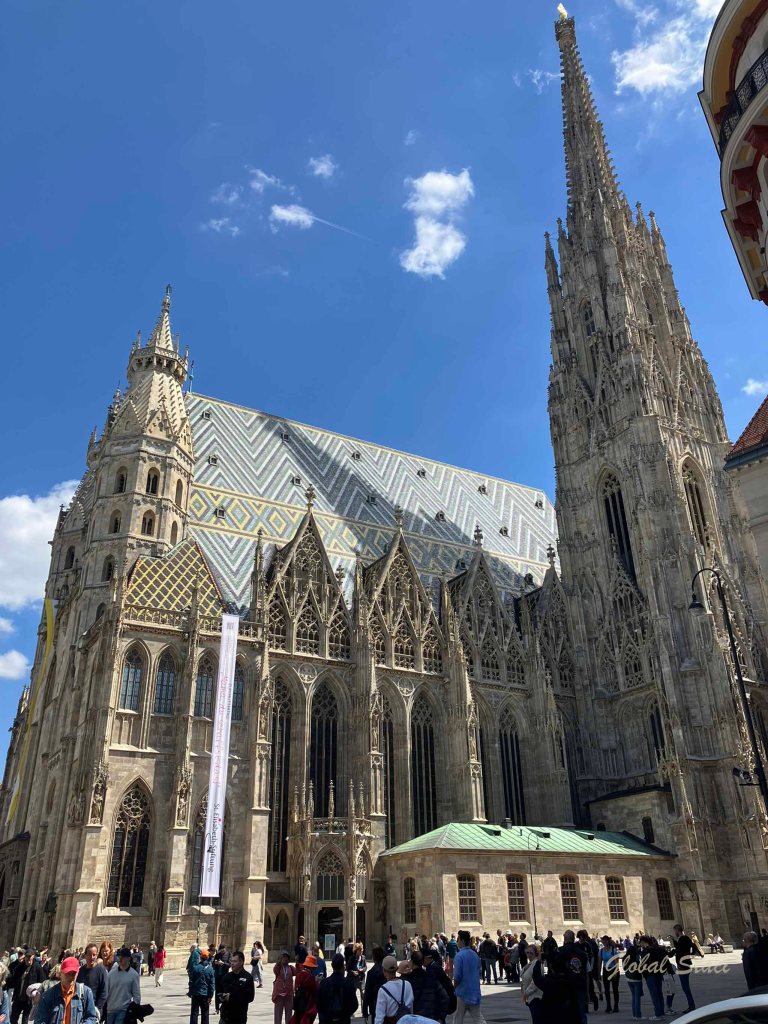
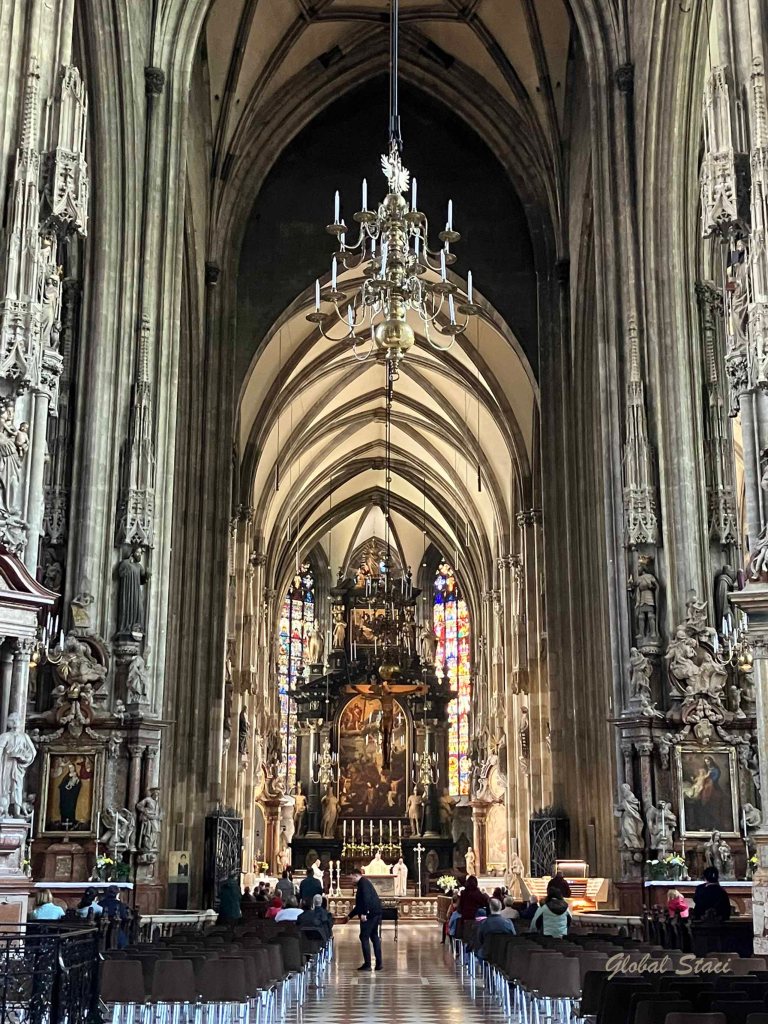
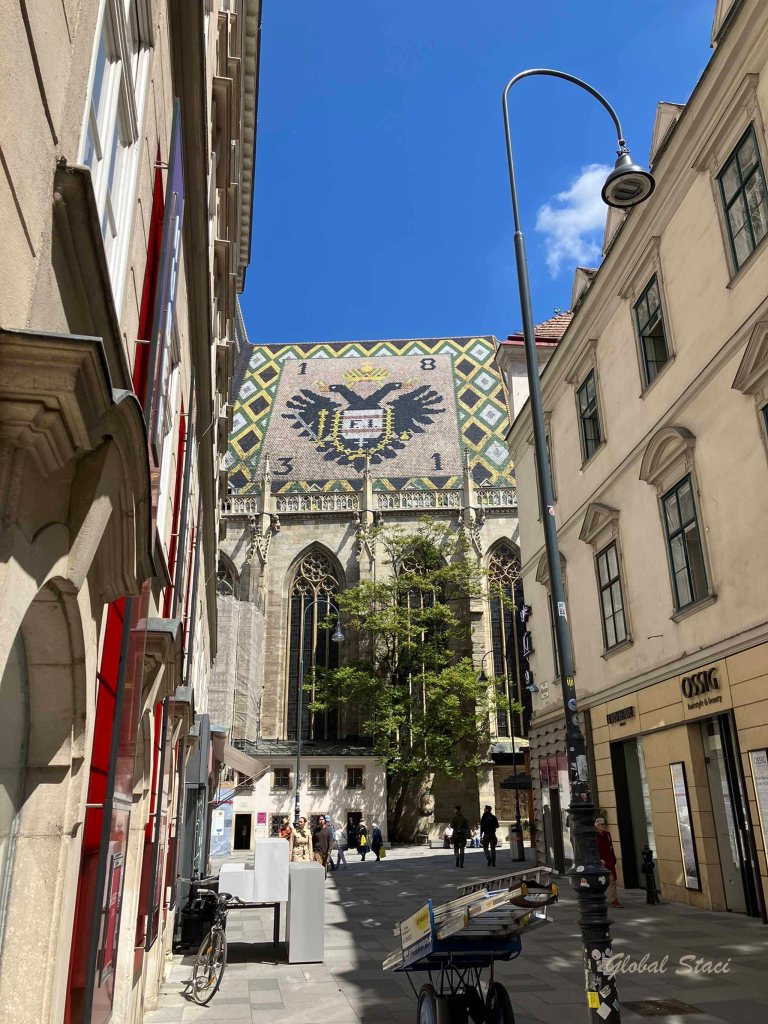

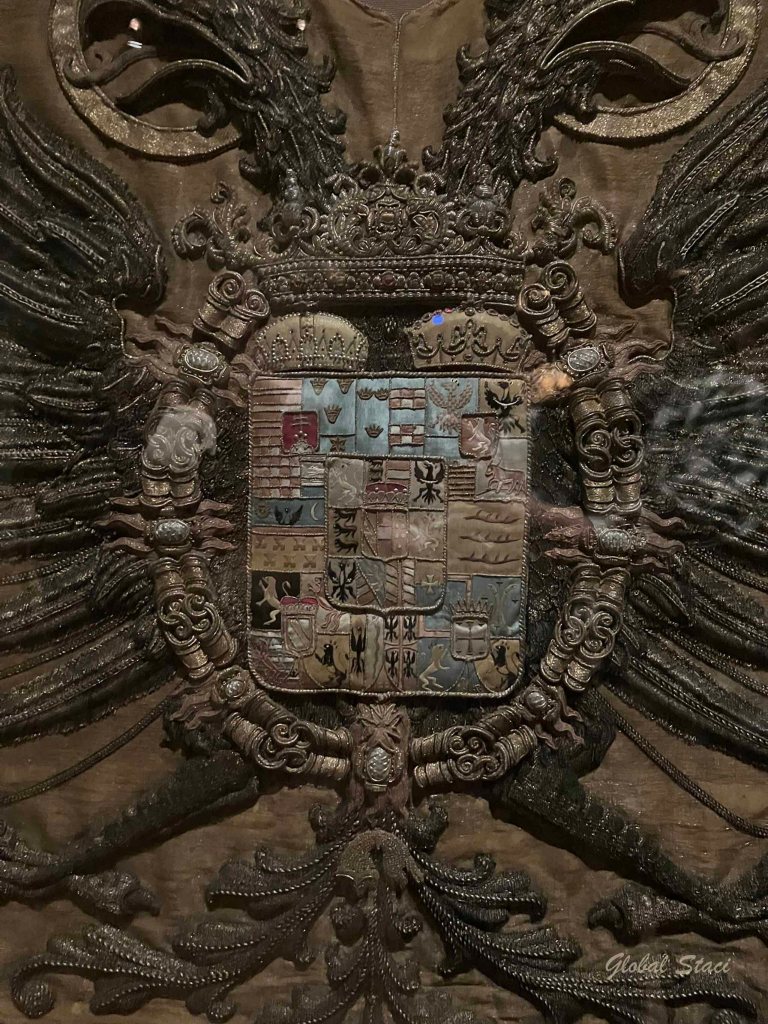
Next stop, Saint Stephen’s Roman Catholic Cathedral. On the south side of the roof of the Cathedral, the mosaics represent the double-headed eagle, symbol of the Austrian empire under the rule of the Habsburgs, carrying the coats of arms of the City of Vienna.
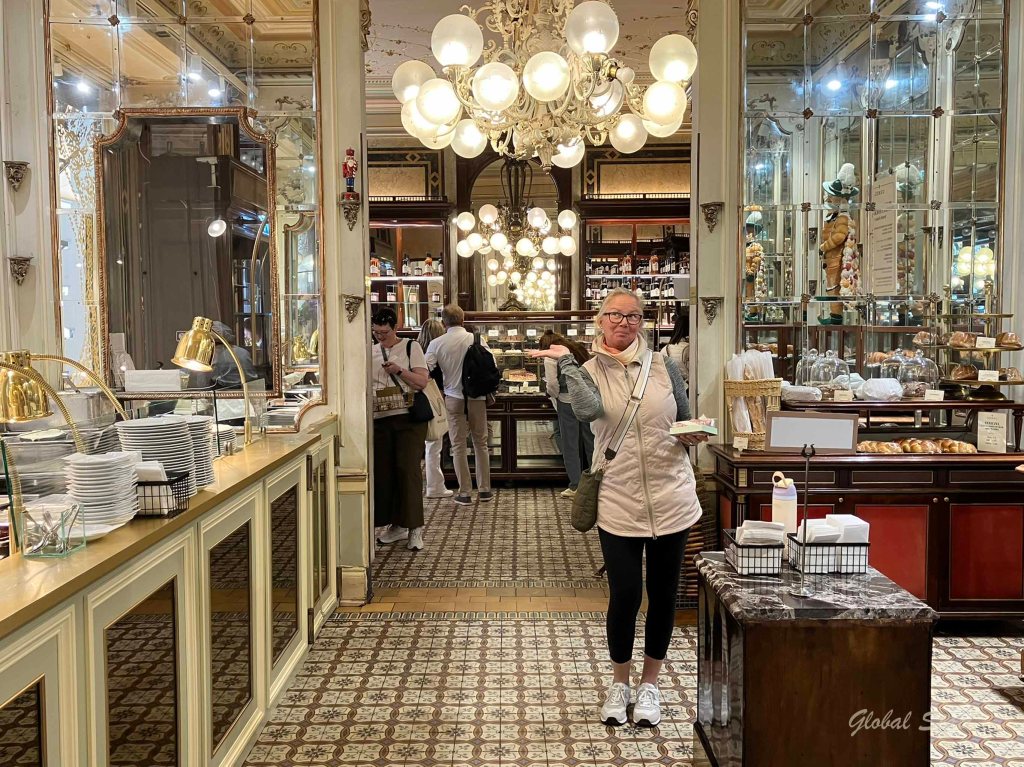
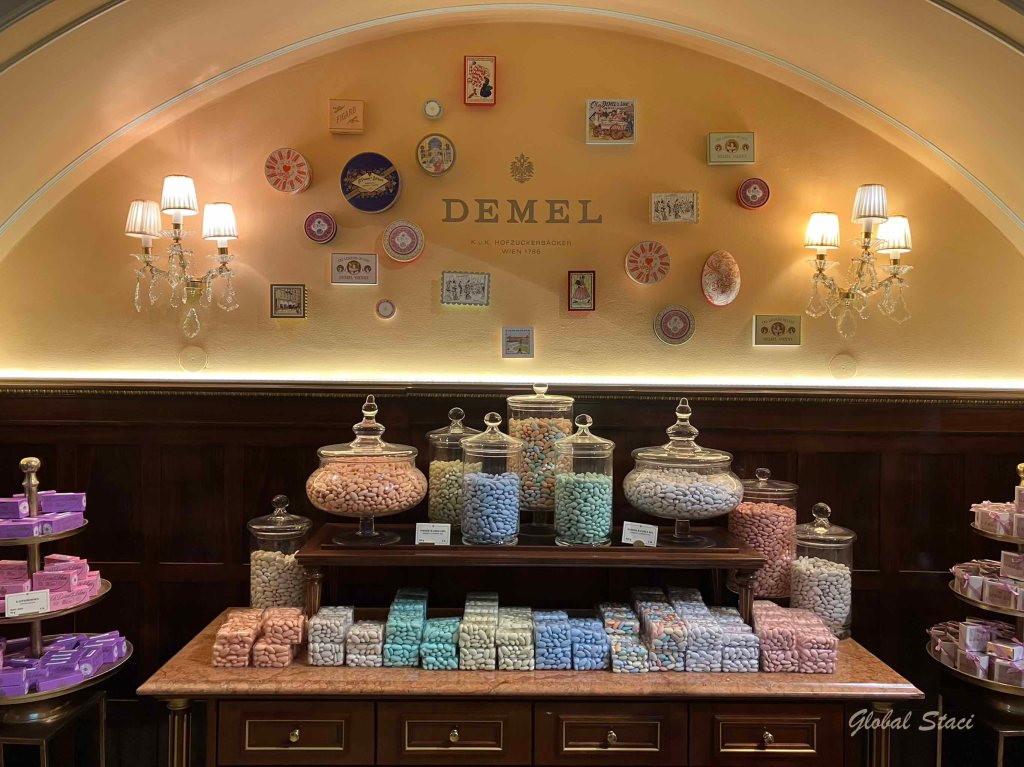
We took our chances and scored a table at the famous Demel Café! Since 1786, upholding its status as a coffeehouse fit for royalty, we knew we had to try the world-famous Kaiserschmarrn (lightly sweetened pancake with fruit), although the donuts with warm custard won out as our favorite.
That afternoon we opted to give our legs a break and ride the Big Bus Vienna. If you’ve never done a hop-on hop-off bus before, they can be a really economical way to cover a lot of ground. We chose the red line since it seemed to offer the longest route and moved us outside to other parts of the city that were too far to walk. We picked up the bus at the Museums Quartier, but stops are all over, and we bought our tickets on the bus.
Local guide recommended, we loved our dinner at Reinthaler’s Beisl.
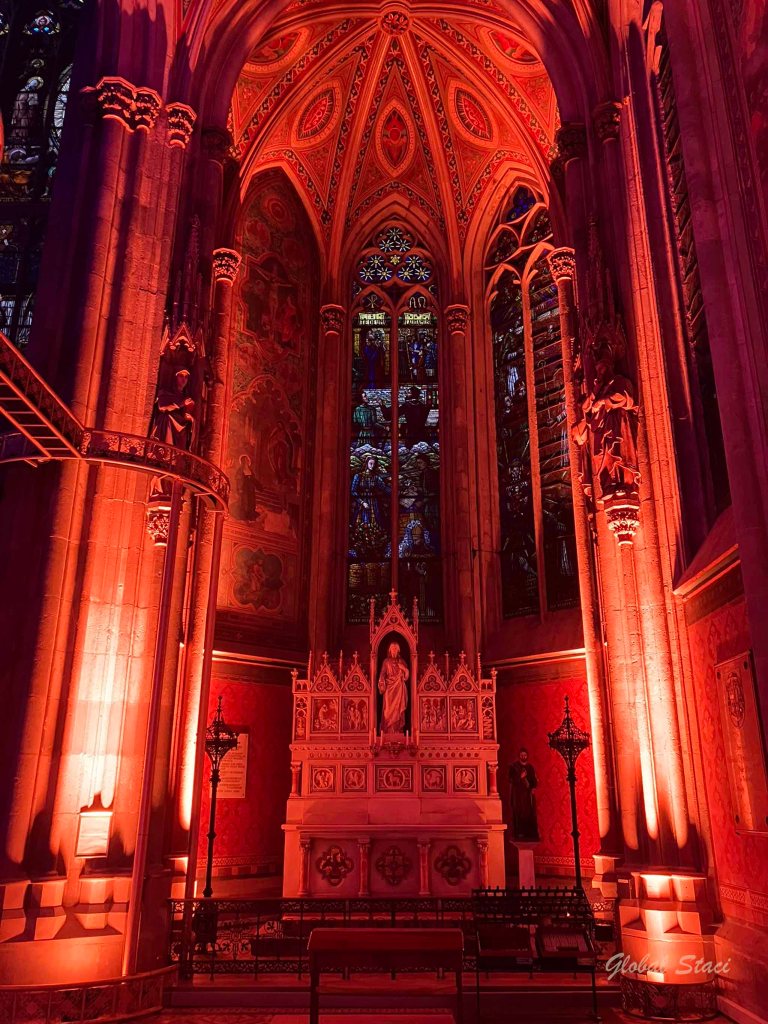
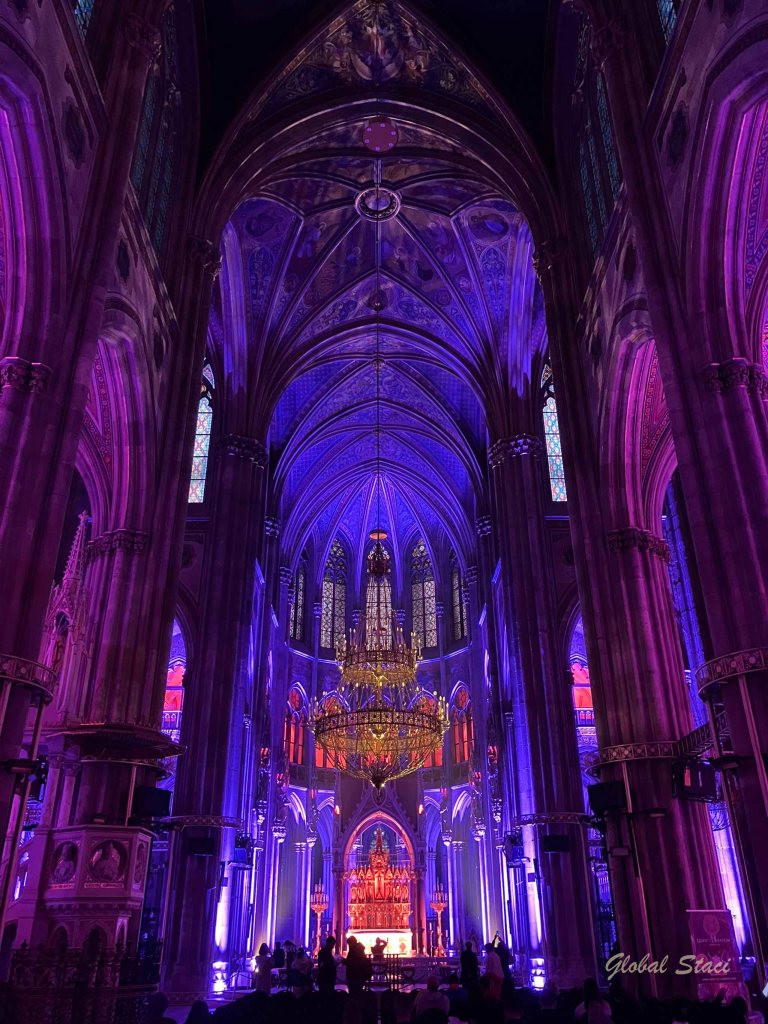
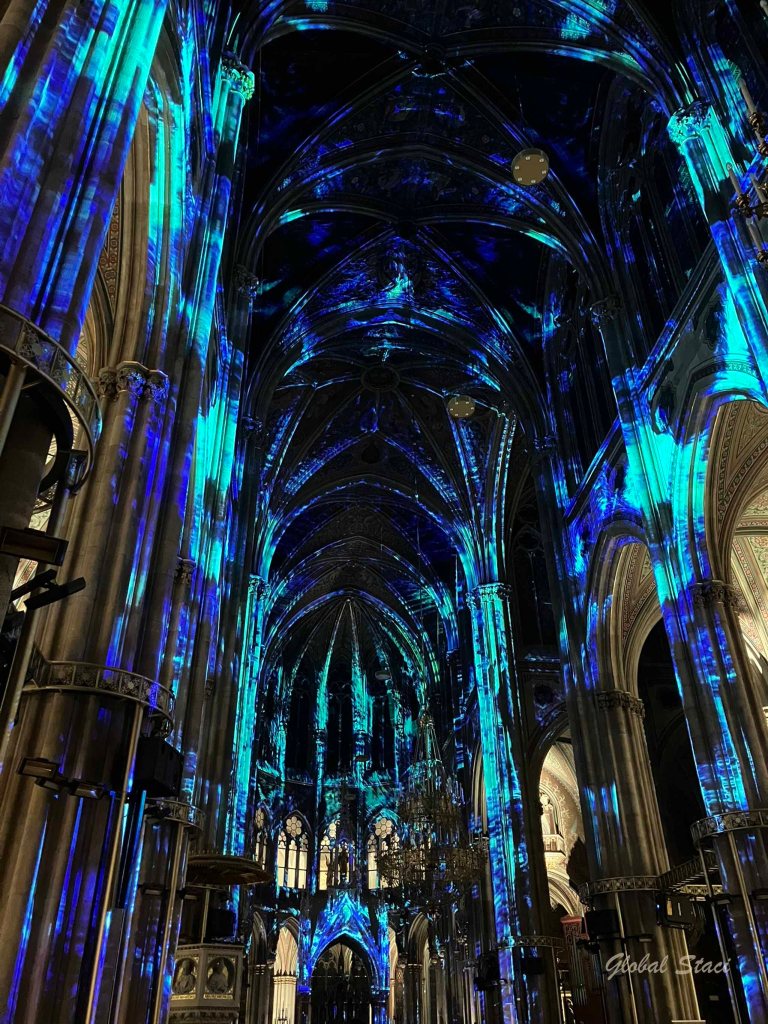
That evening we saw the amazing Light of Creation Immersive Light Show in the meticulously restored 19th century Votivkircheor, or Votiv Church (pre-book online). The artistic concept was created by celebrated opera singer and producer Max Emanuel Cenčić.
“The idea was born with the goal of creating a show within a sacred space that both respects its spiritual and historical context while also remaining accessible to all viewers. It draws inspiration from the oldest story in the world-– the story of creation, which exists across all religions and cultures. It is a universal narrative that continues to be a part of modern scientific exploration, leaving many questions still unanswered. While Light of Creation may not provide answers to all the mysteries of creation, it will take audiences on a captivating journey through light, animation, and music.”
Day 3 | Local Designers & Classical Music
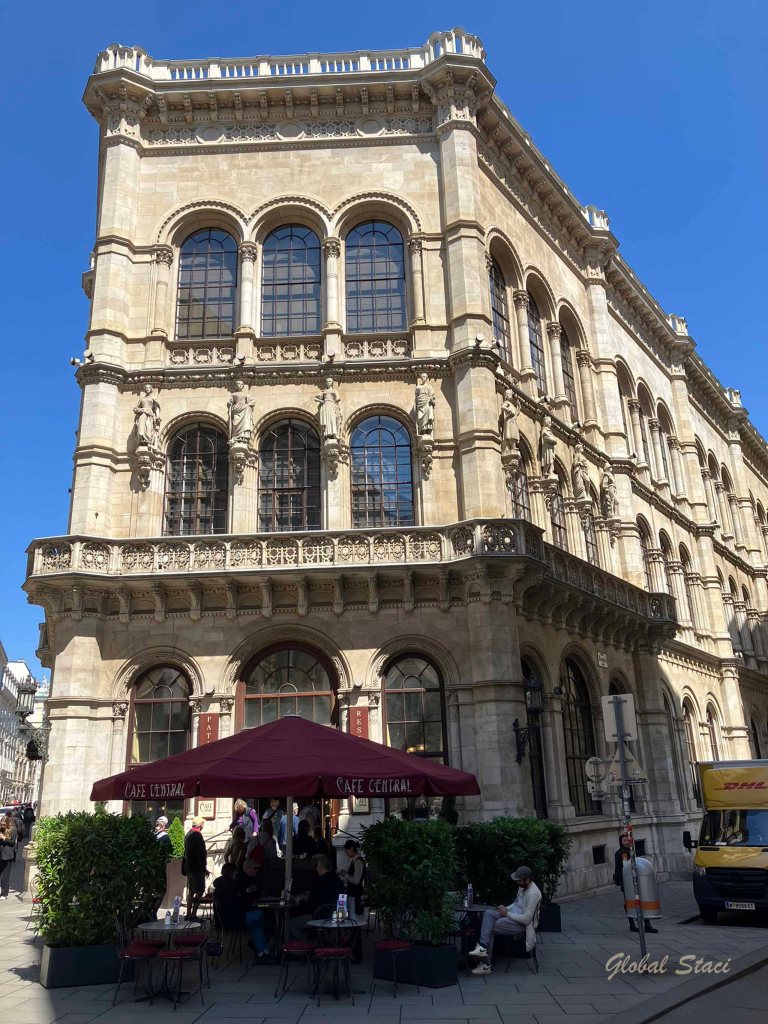
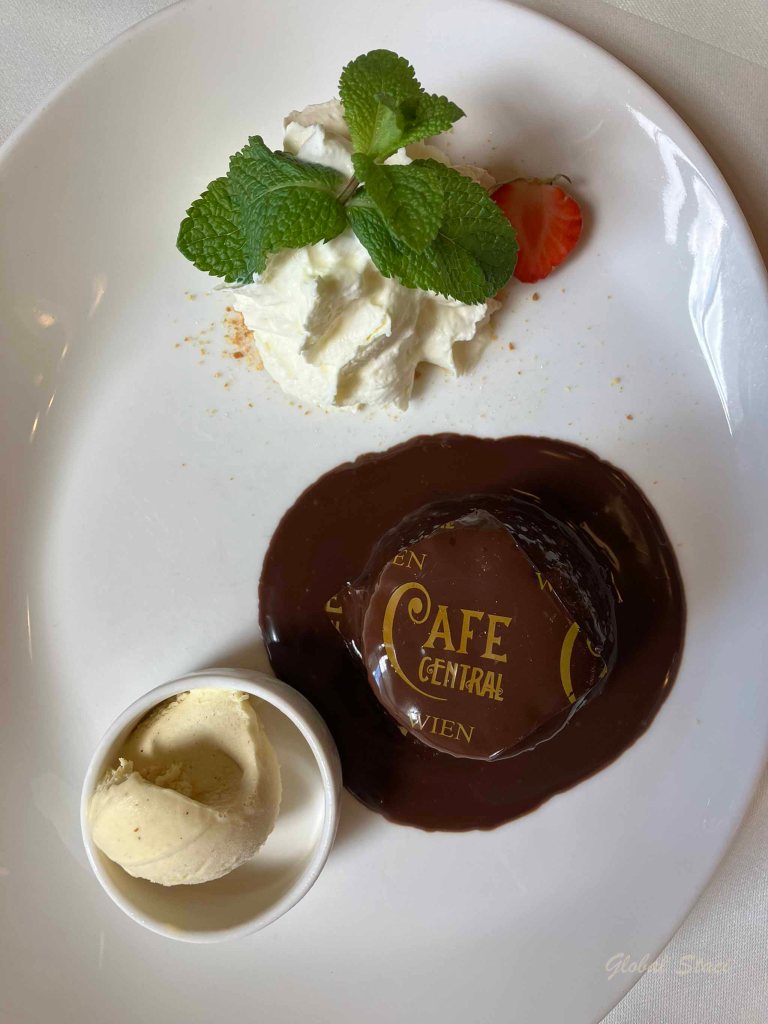
Our day began at Café Central one of Vienna’s most historic coffee houses. I order a “Wiener Melange” as locals do, the Vienna Cappuccino, and the most popular coffee drink.
My surprise for my girlfriends this afternoon was a private shopping tour with professional stylist, Lucie! Because we’d been traveling in Europe without any party clothes, I thought it might be fun to have an in-the-know local take us to local designers and off-the-beaten-path treasure hunting. A native New Yorker, Lucie is fun, stylish (obvi) and personable! We were delighted to have her expertly guide us. It was an added bonus that in some cases we were able to meet the designers and shop owners.
Without a doubt, my favorite shop was handbag designer extraordinaire, INA KENT, who started her eponymous brand in 2007. Her leather bags are beautiful, functional, timelessly yet refreshingly modern. Another was MOTMOT, where I purchased an incredibly soft, well-constructed wear-with-anything denim jacket from Paris. Delish. For gorgeous one-of-a-kind jewelry, check out STOSSIMHIMMEL. But really, I recommend you hire Lucie!
[PRO TIP: Visit her website Shopping with Lucie! for booking information.]
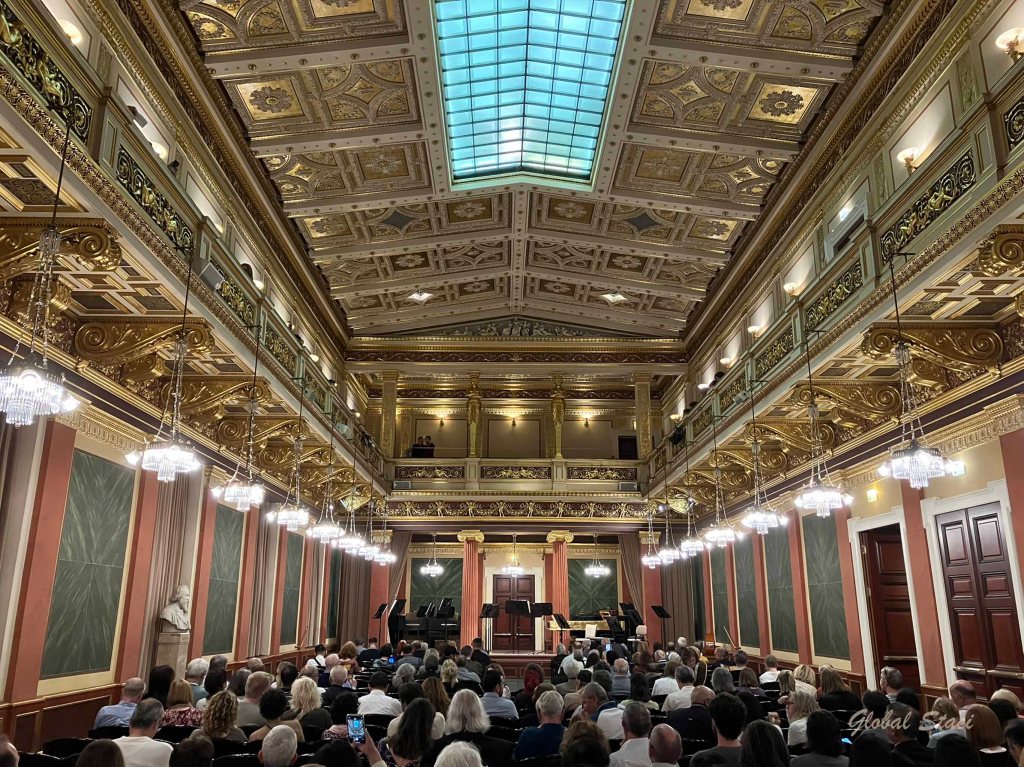
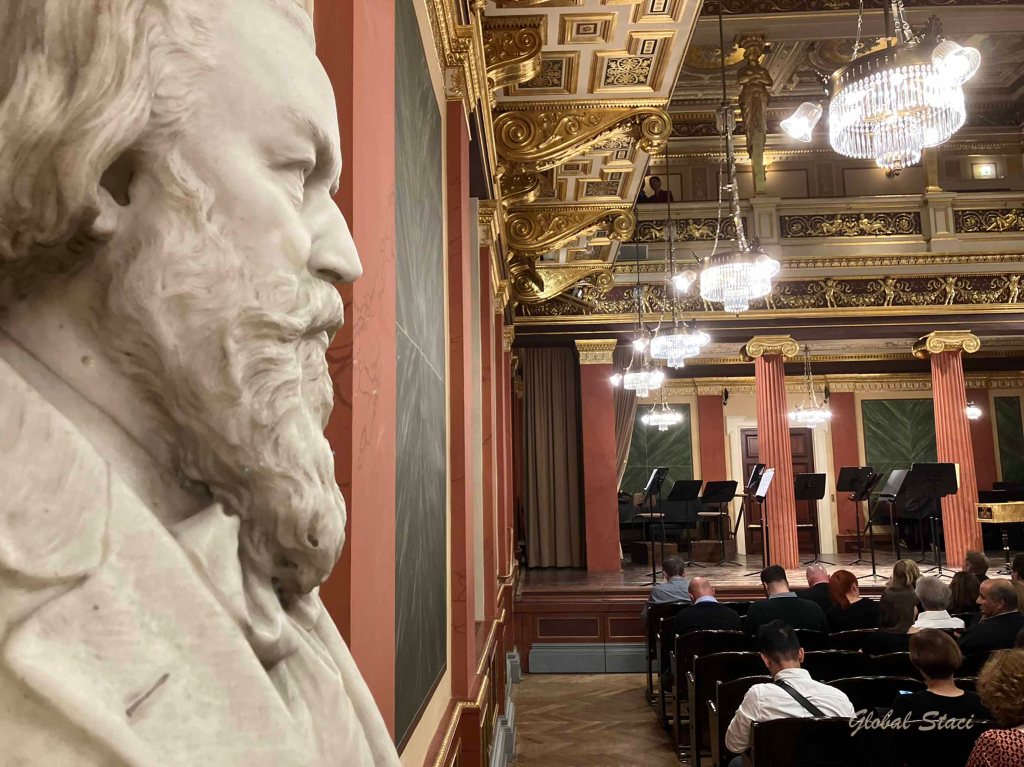
Well prepared for our evening at the Musikverein listening to Mozart and Vivaldi, it was the perfect close to a long and memorable day!
[PRO TIP: You can buy tickets through third party sites, but I opted to go right to Musikverein. Feel free to skip the intermission table booking. I was worried we’d be missing something, but it was really a thing.]
Day 4 | The Belevedere & The Kunsthistorisches
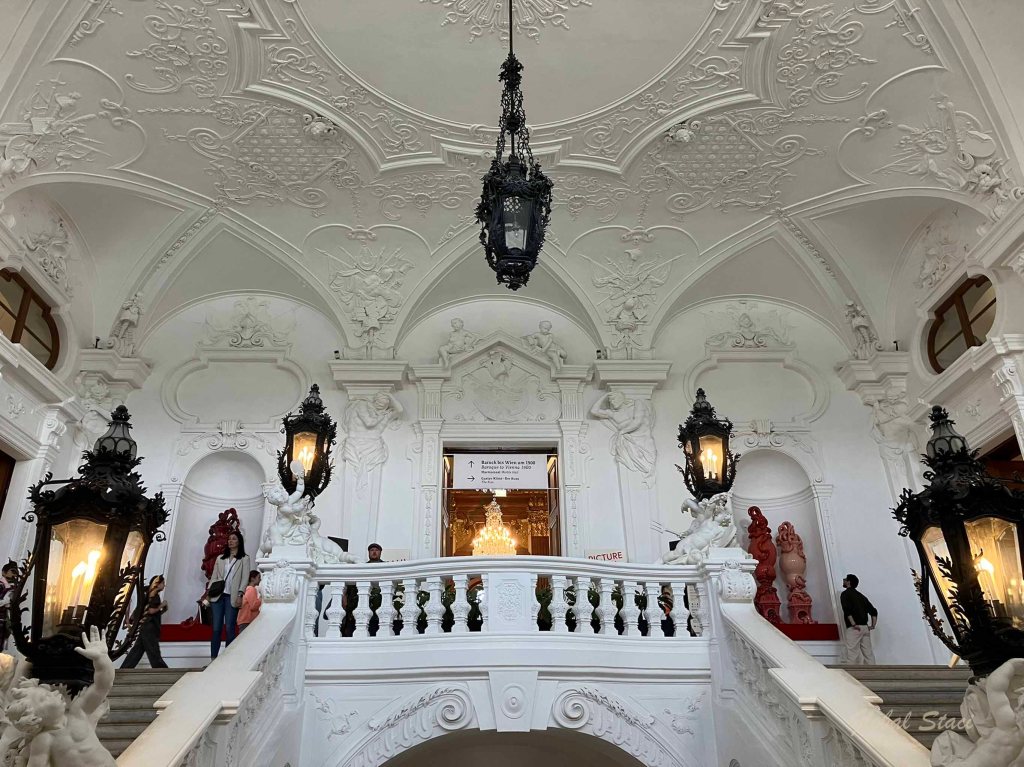
Vienna’s darling, Klimt’s famous work known as, The Kiss, among others, is displayed in Belvedere Palace. In the 18th century, the Austrian general Prince Eugene of Savoy commissioned the renowned Baroque architect Johann Lukas von Hildebrandt to build a summer residence. After the death of Prince Eugene, Empress Maria Theresa acquired the entire complex and transformed the Upper Belvedere into an exhibition venue for the imperial collections, making it one of the first public museums in the world.
[PRO TIP: Simply purchase your timed entry ticket on the spot, or in advance online.]
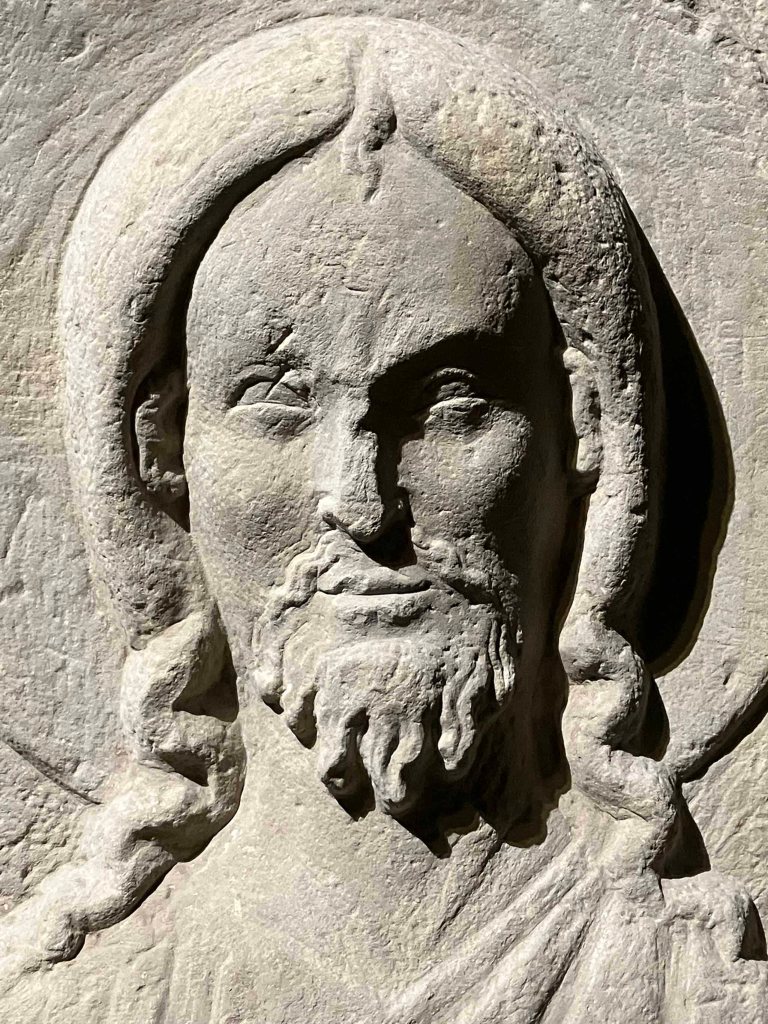
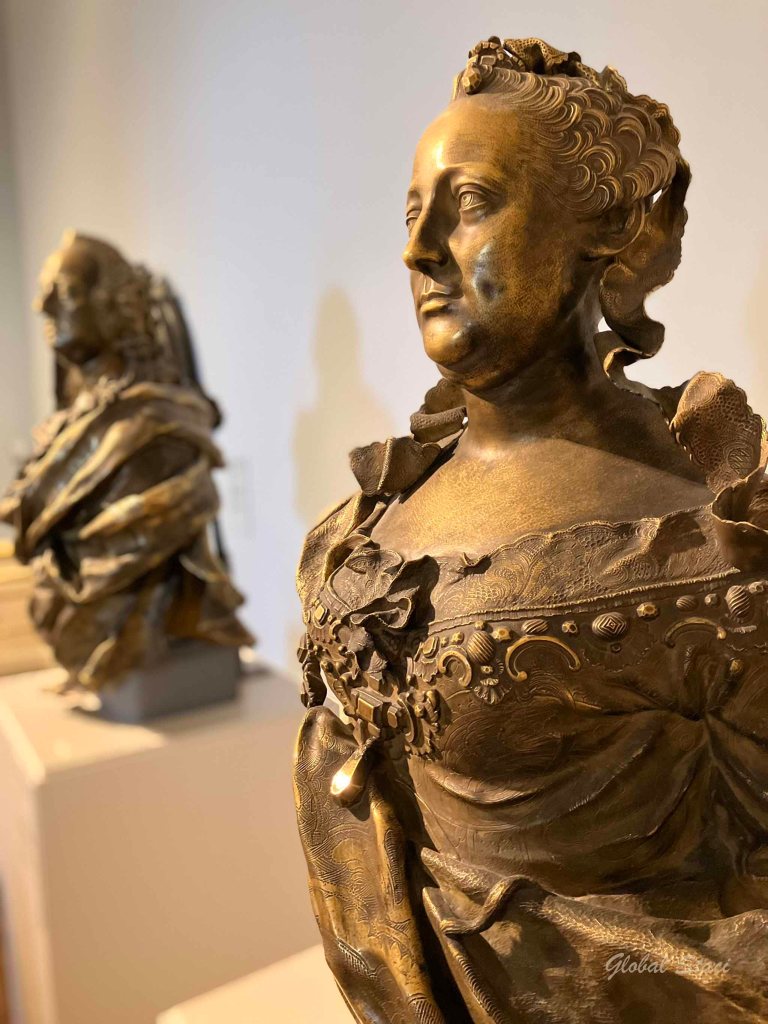
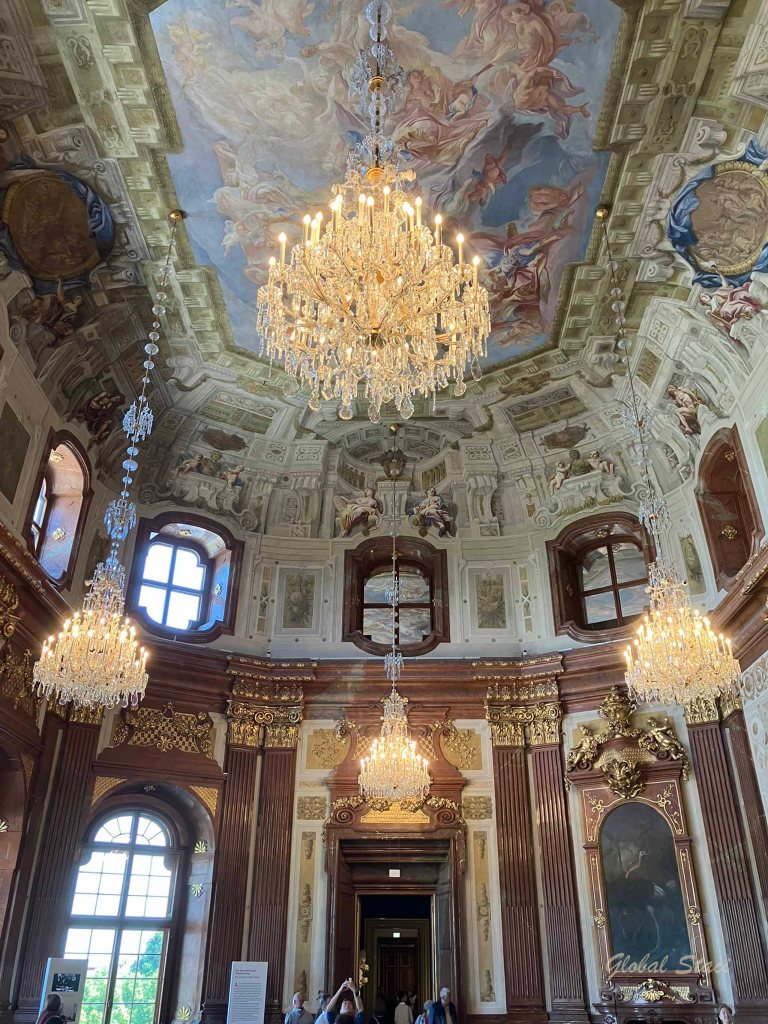
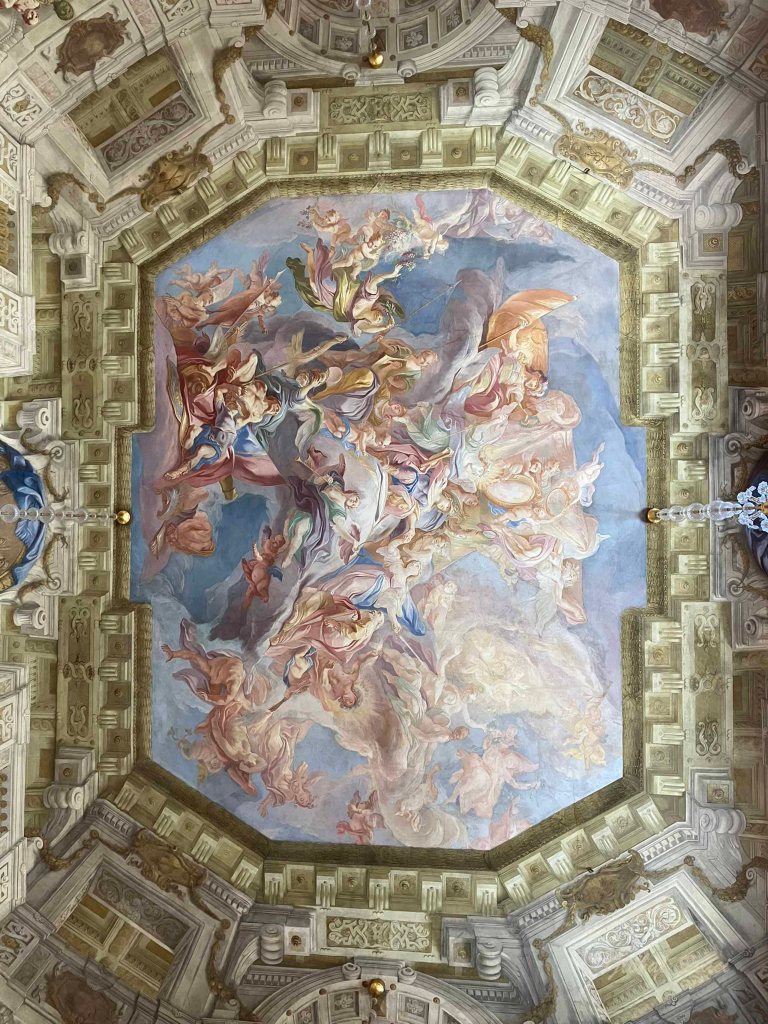
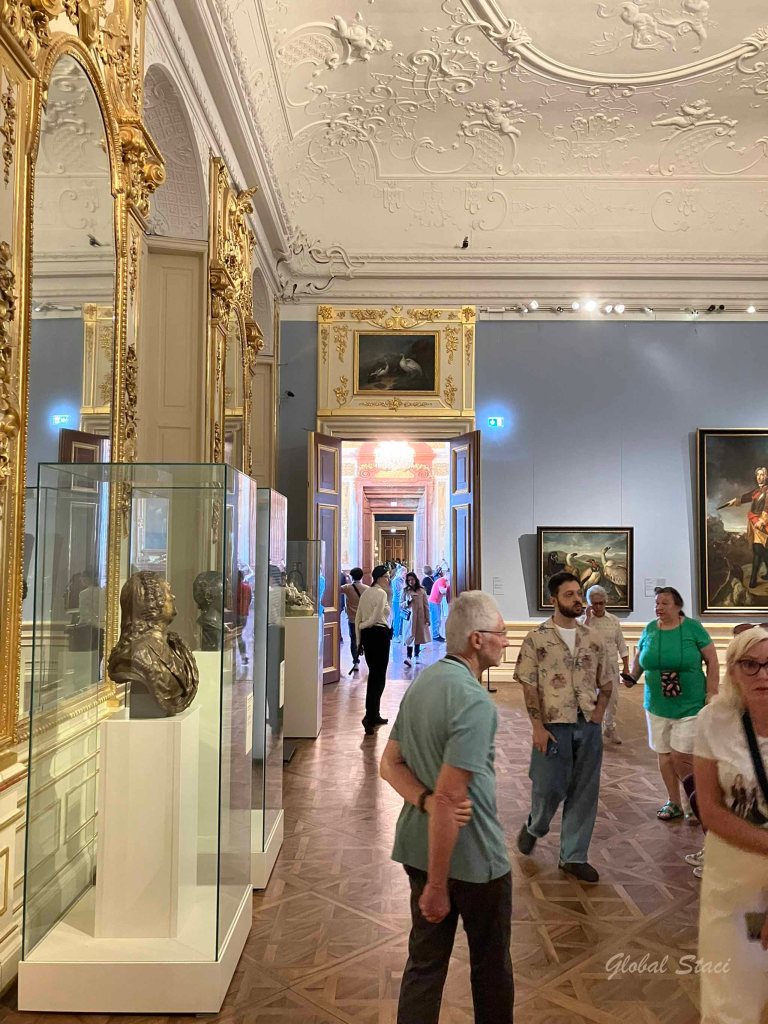
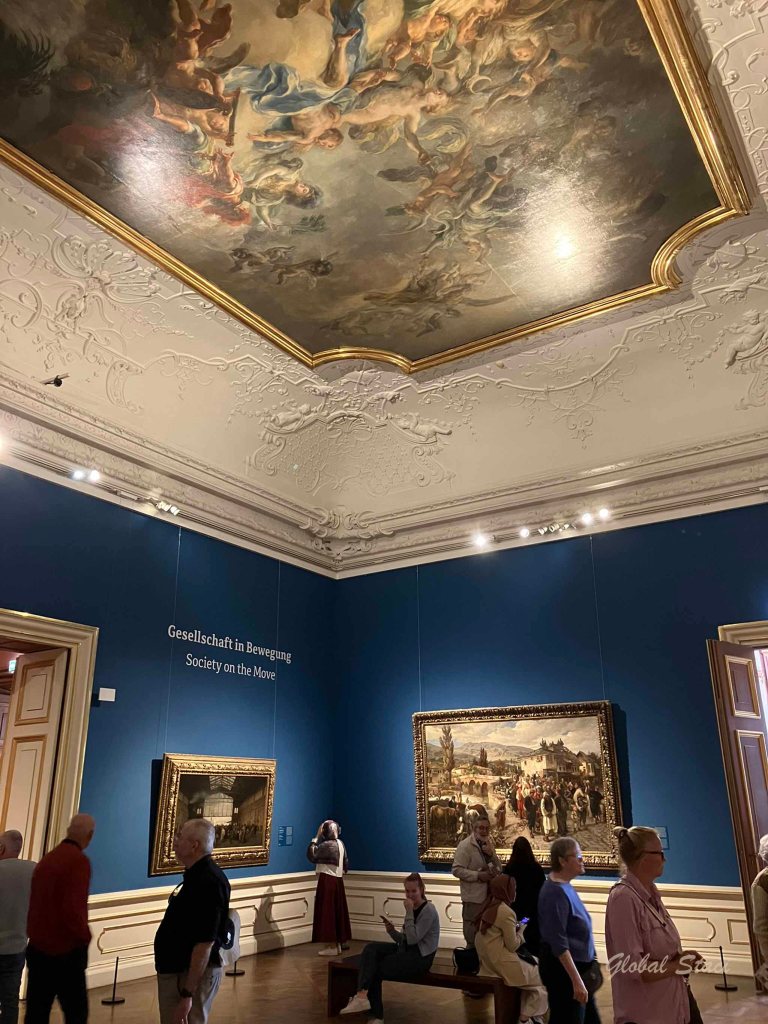
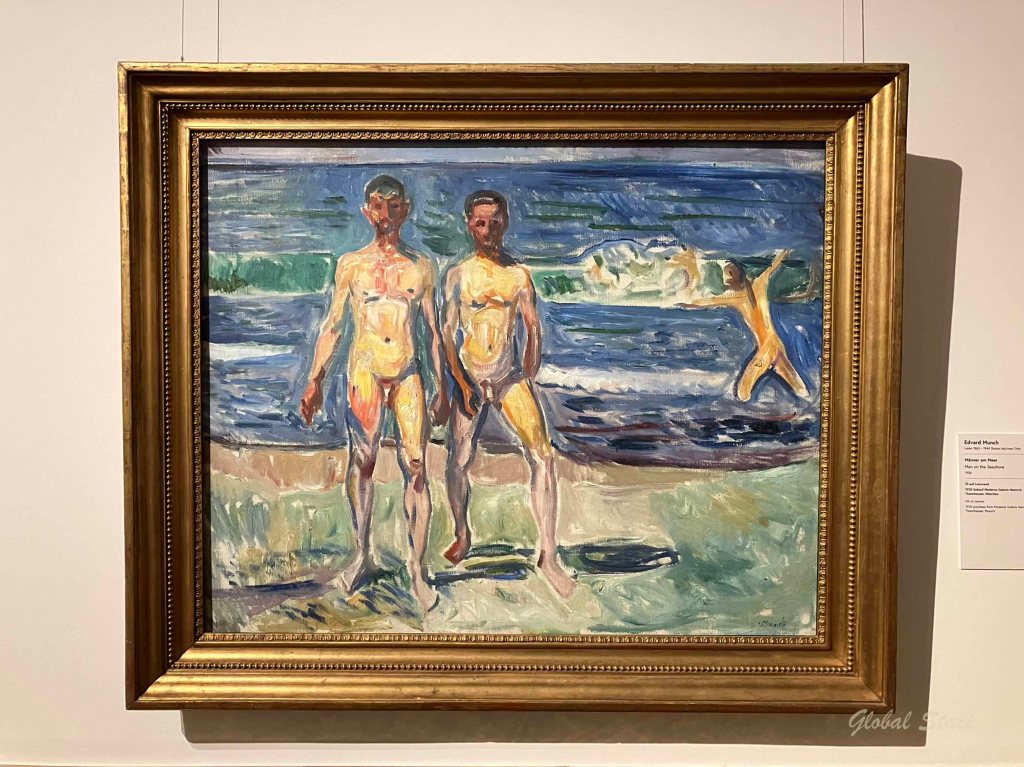
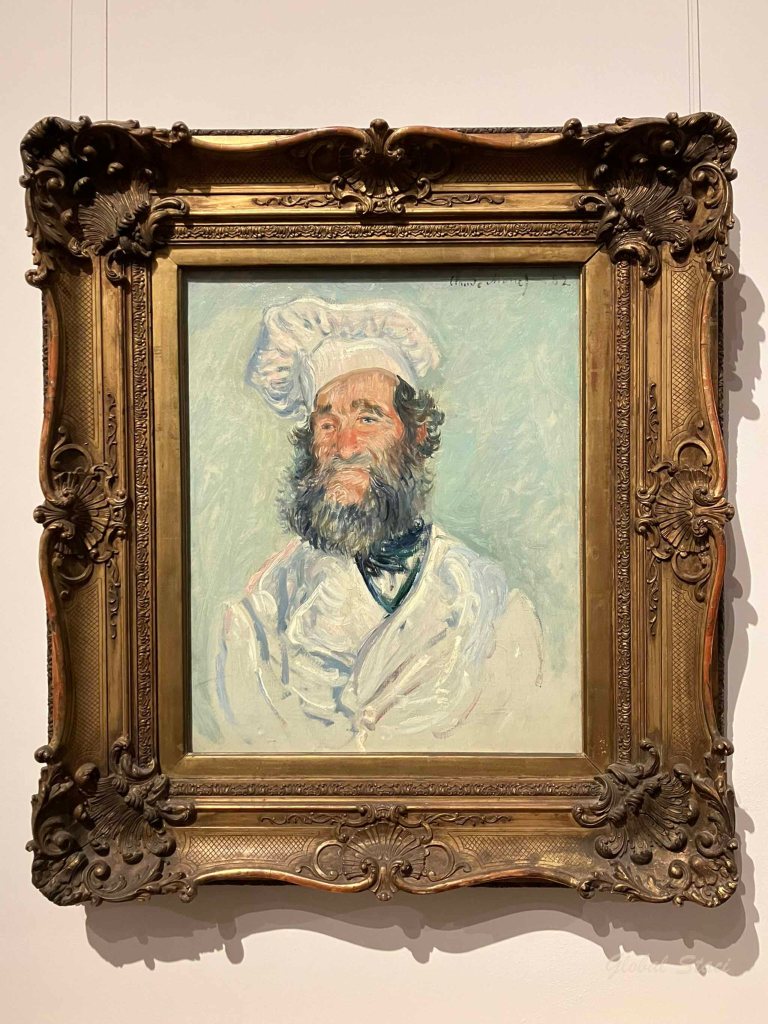
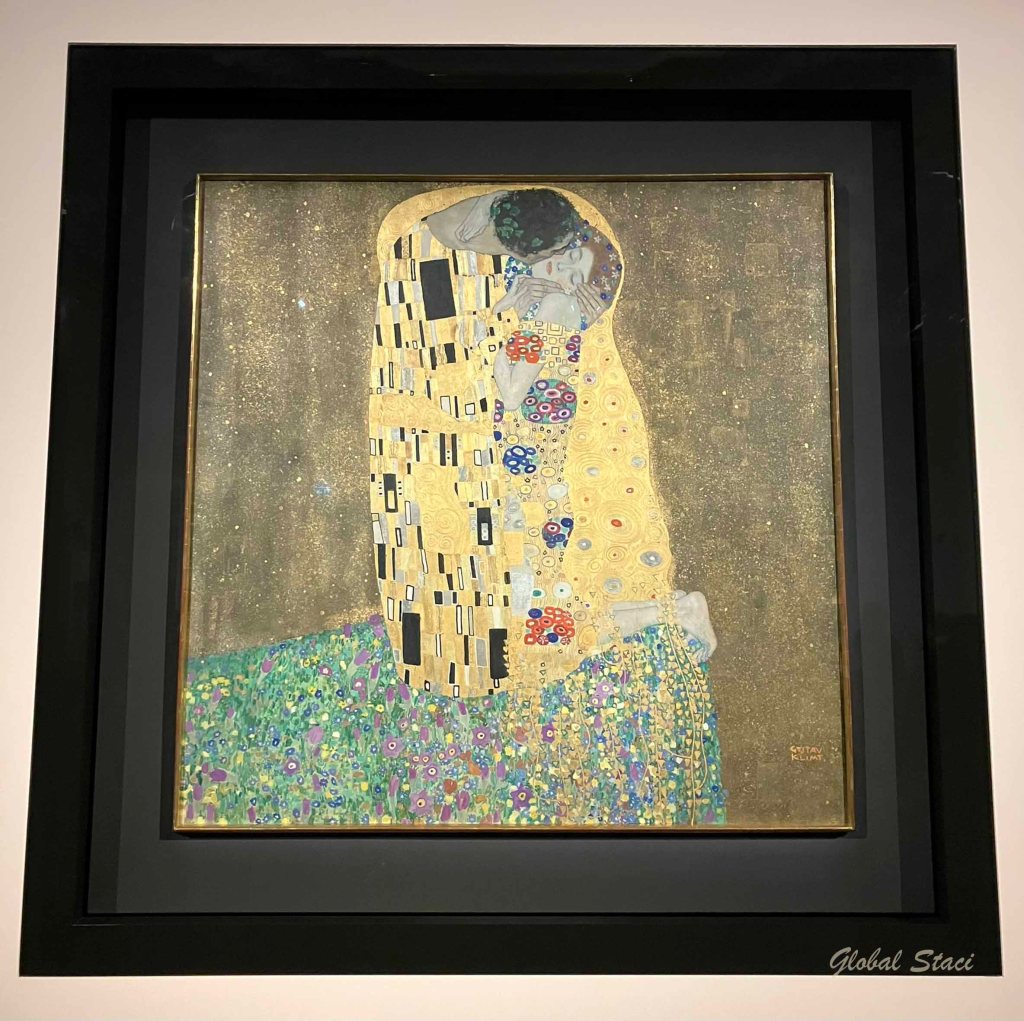
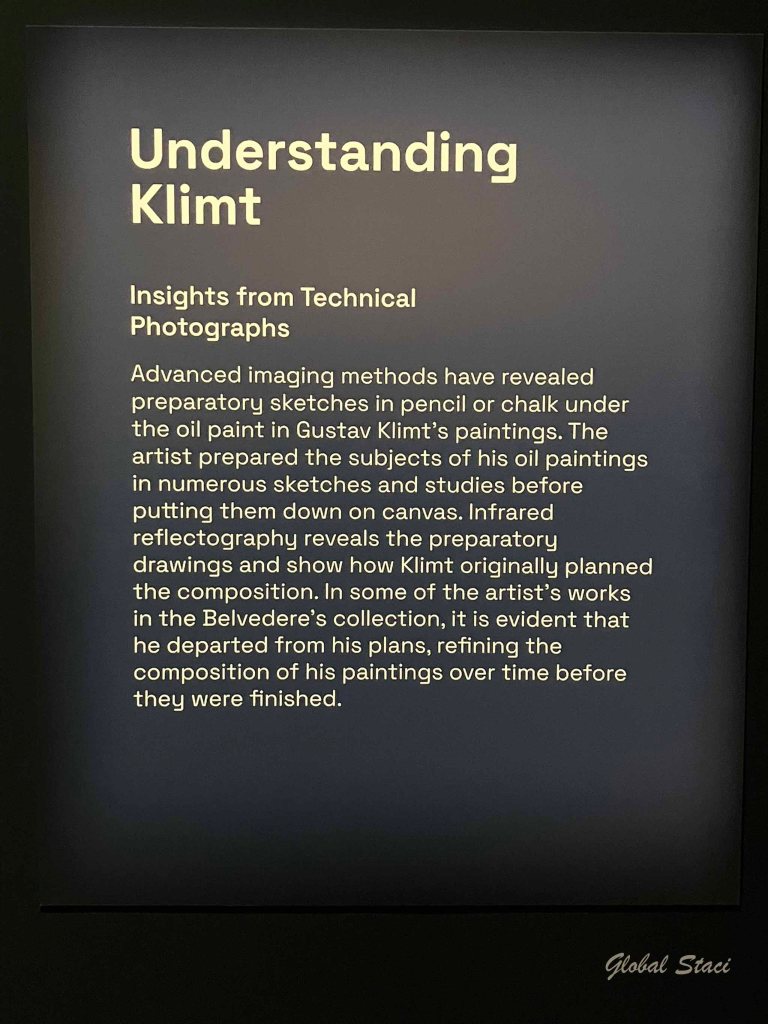
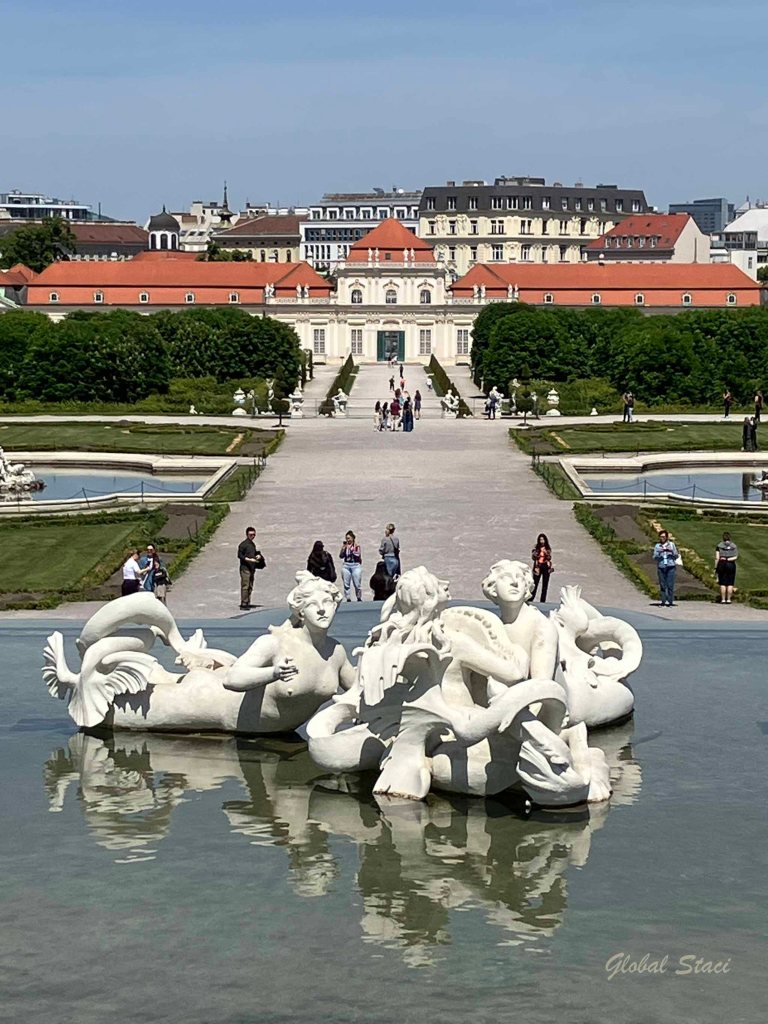
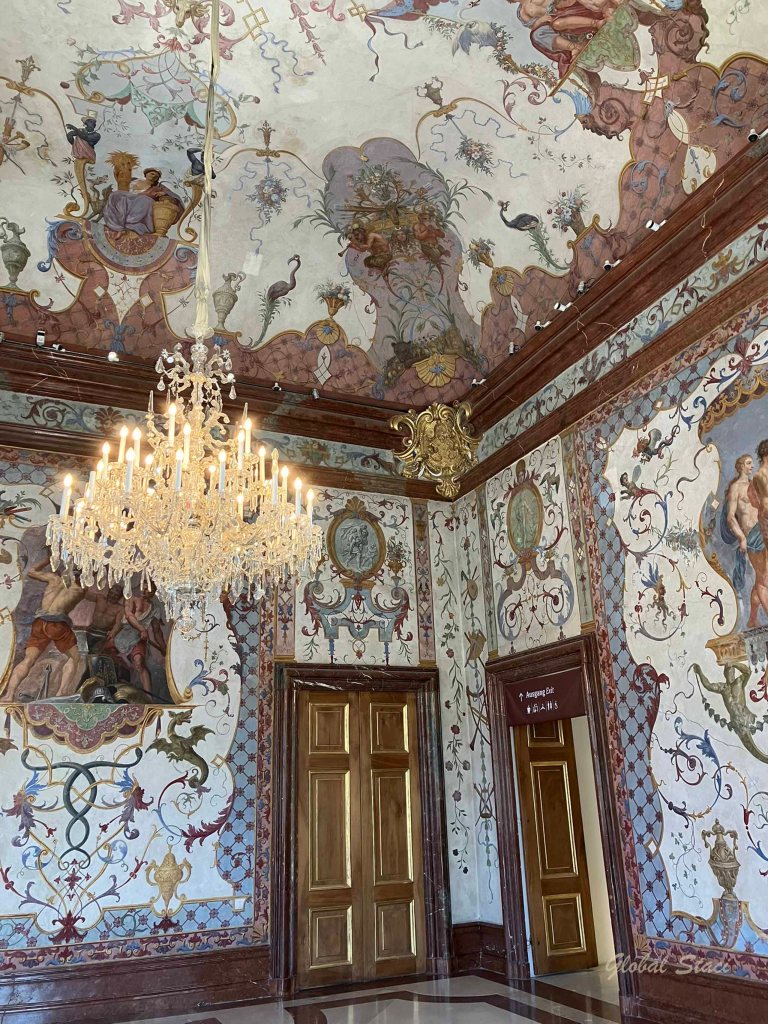
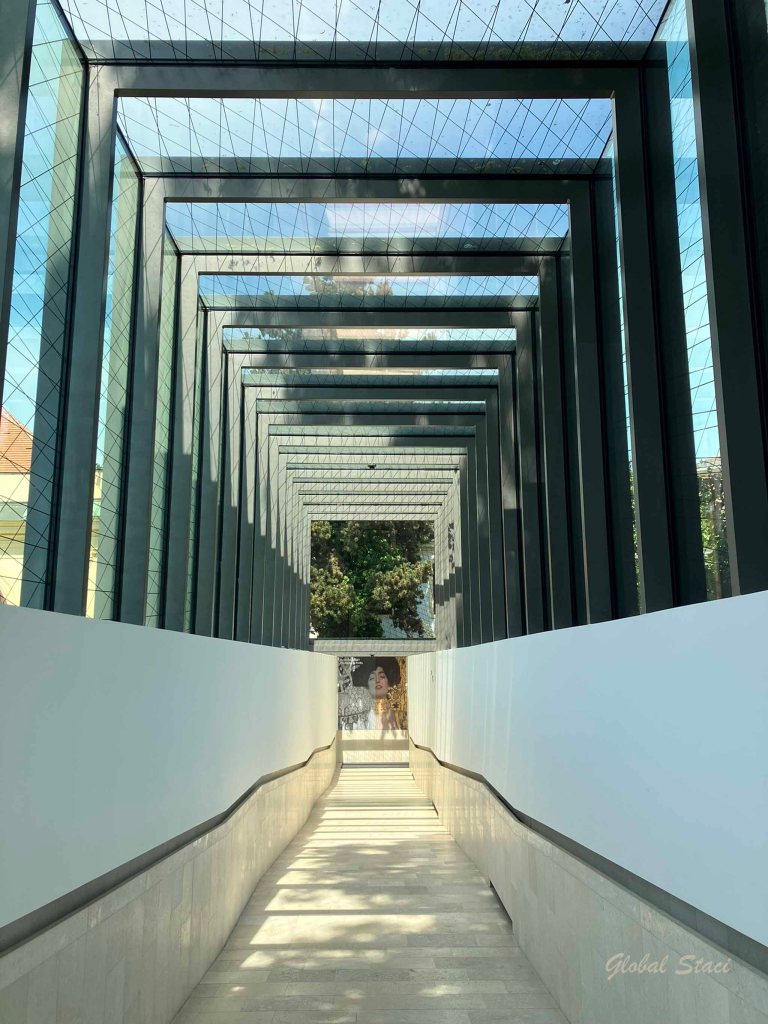
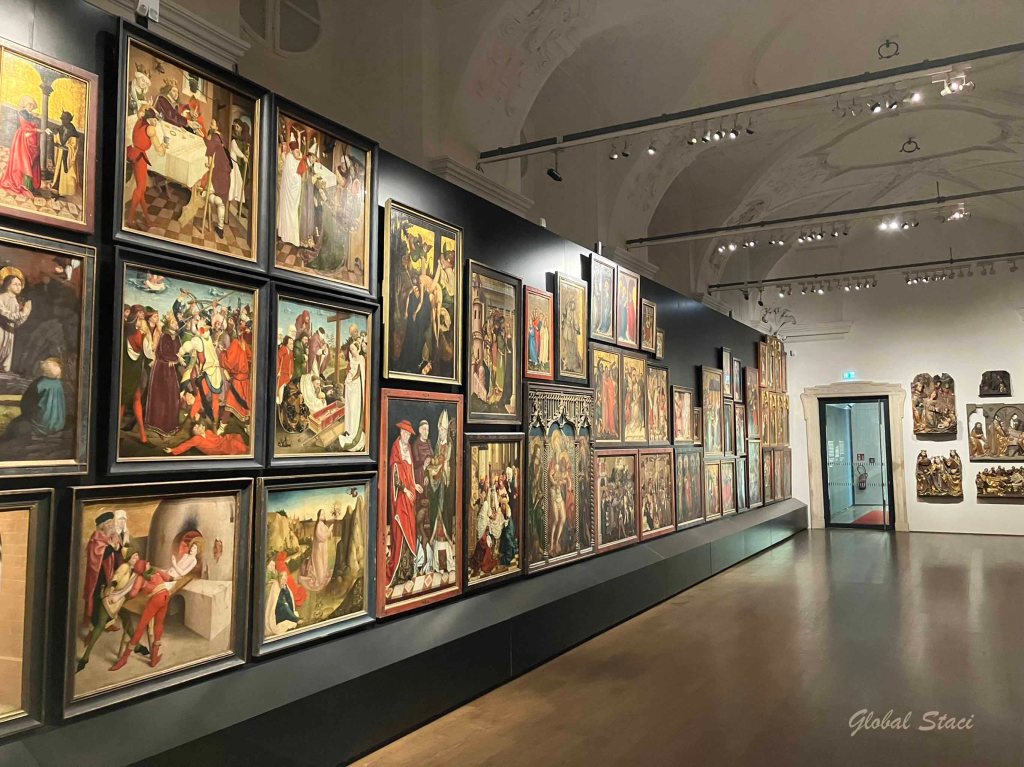
After exploring both the Upper and Lower Belvedere, we practically made a beeline to Bitzinger’s Sausage Stand—a must. The Bitzinger family has been running the sausage stands at the Albertina since 1999. Just look for the signature blue-green rabbit, after Dürer’s famous hare painting. The queues can be long but move quickly.
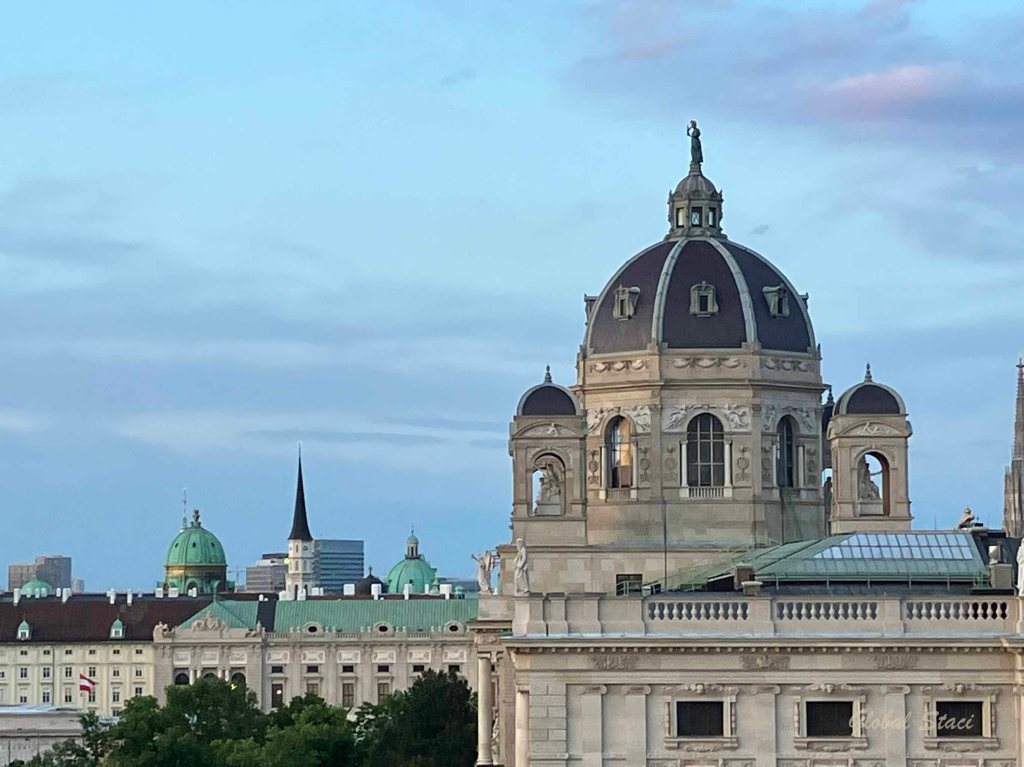
I spent the afternoon exploring the National Art Museum, the Kunsthistorisches Museum. Standing facing the National History Museum, on the opposite side of Maria Theresa Square, the twin buildings are purpose-built museums.
[PRO TIP: On the spot, I simply purchased a ticket for the museum and the special exhibit at the kiosk outside.]
As an undergraduate art history major, I had to memorize a lot of facts about a lot of art. Finally, I was able to stand in front of the works by many of the great masters, particularly of the Italian Renaissance—Titian, Rubens, Rembrandt, Bruegel, Bosch, Durer, Vermeer.
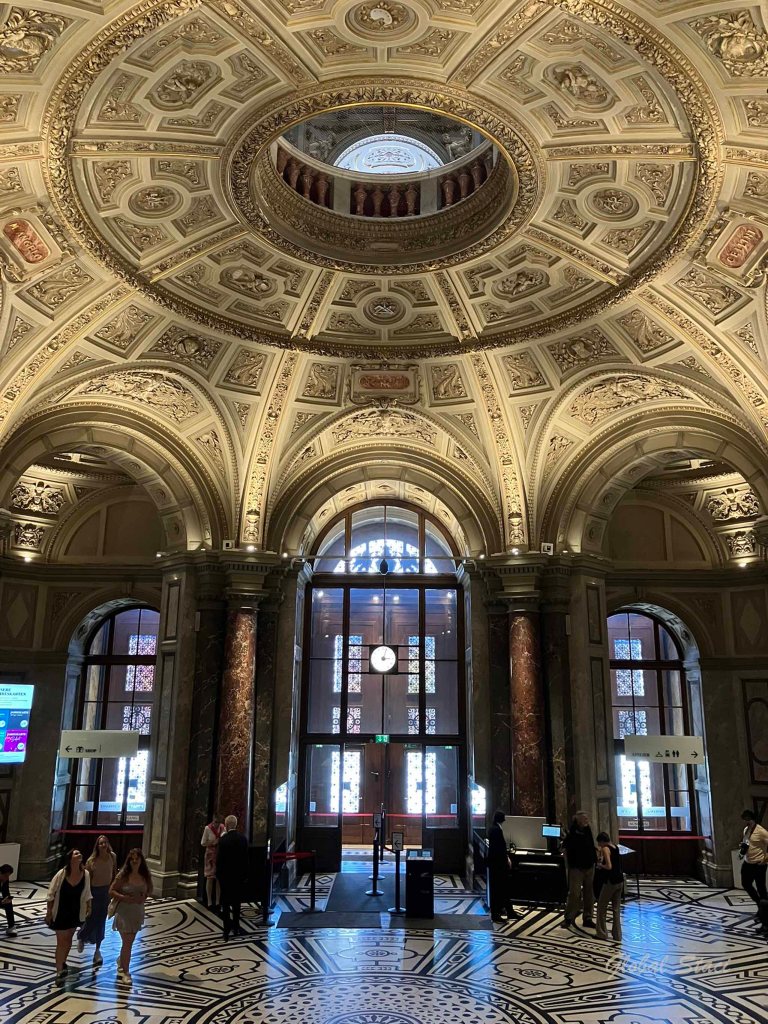
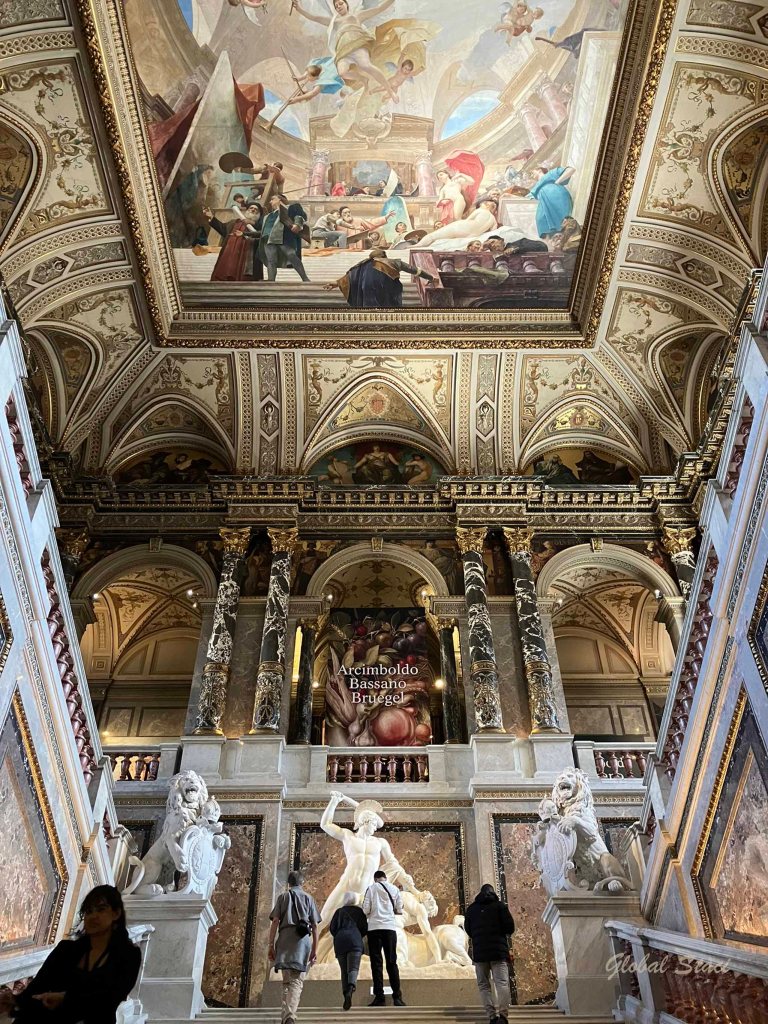
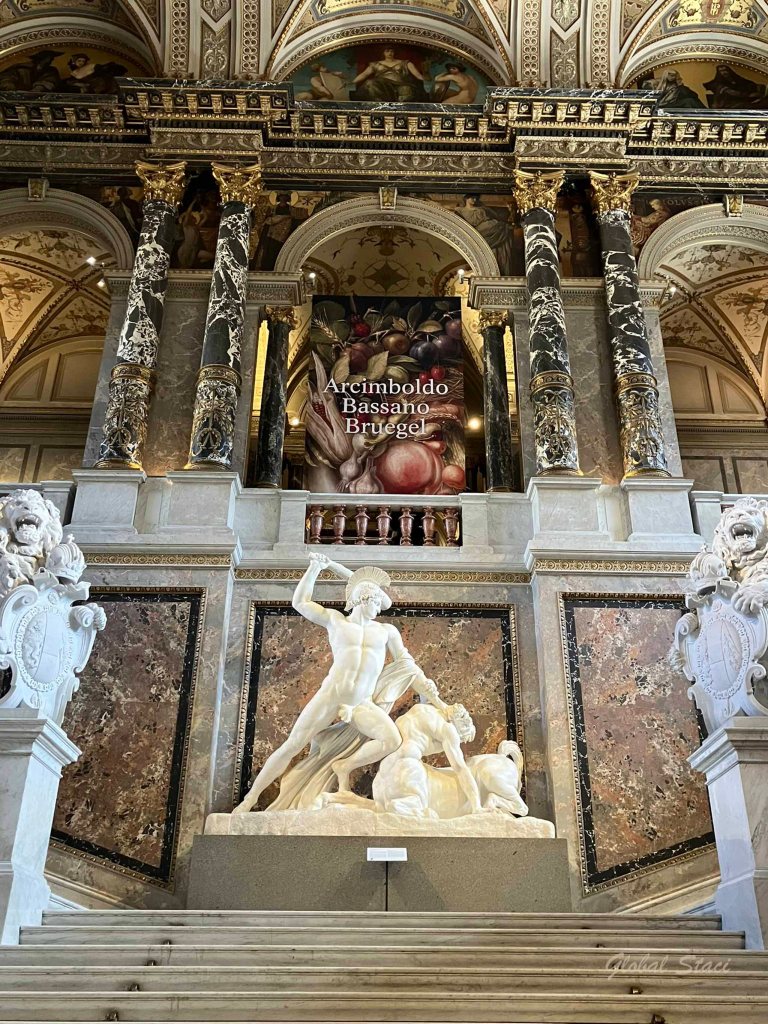
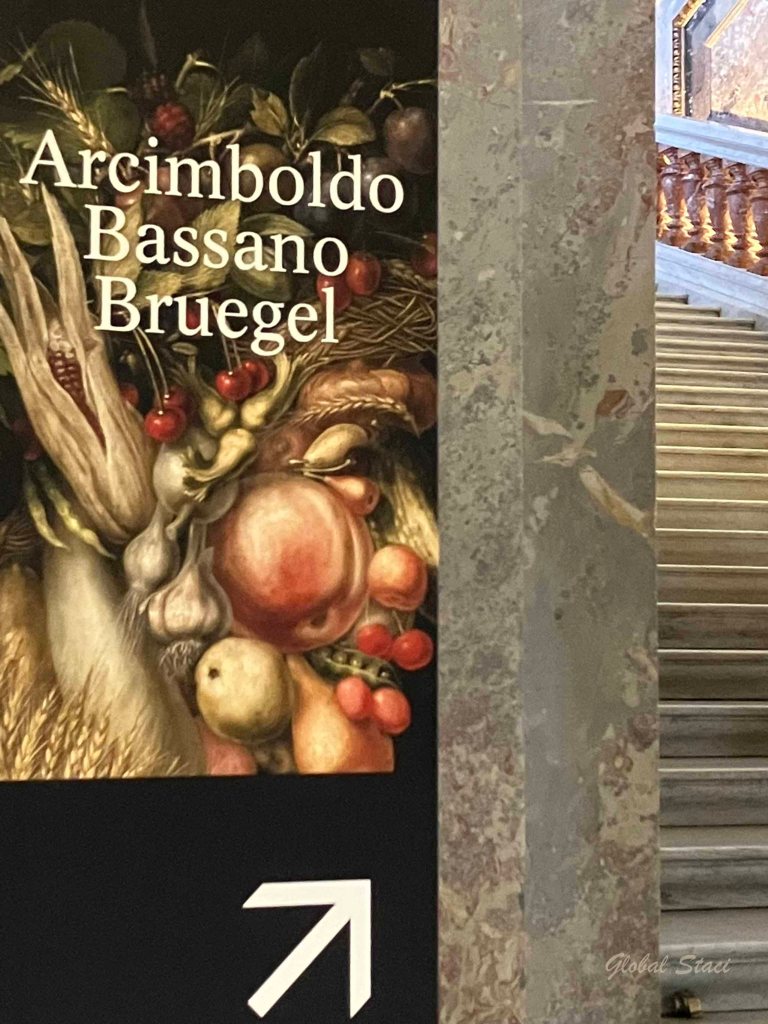
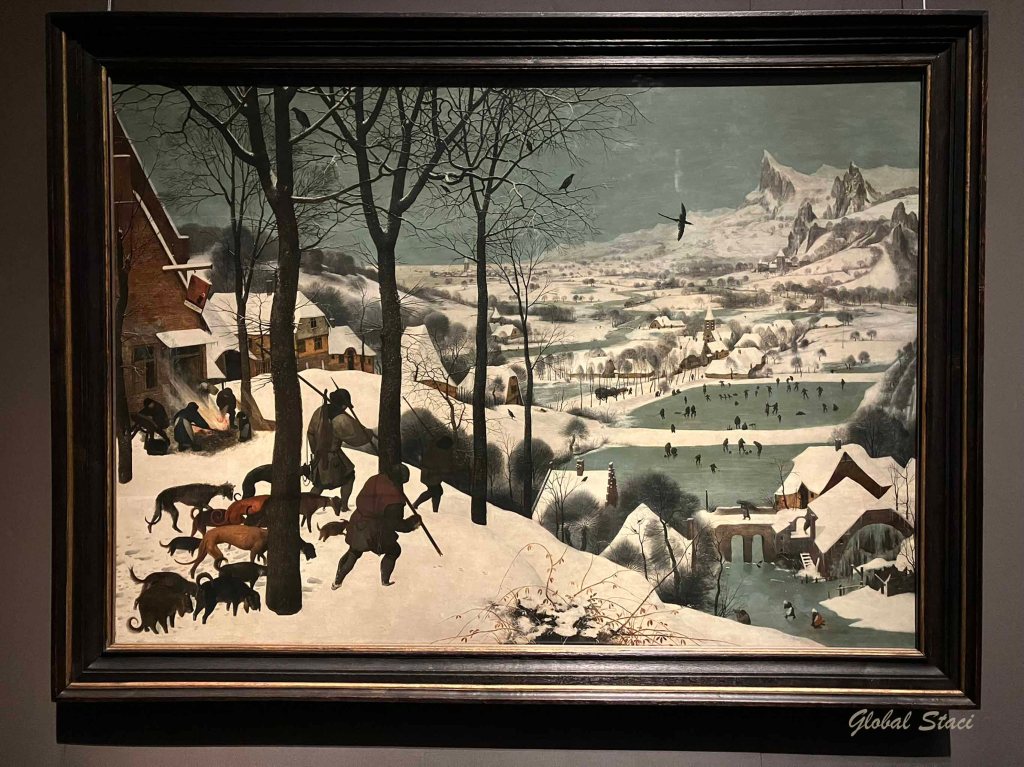
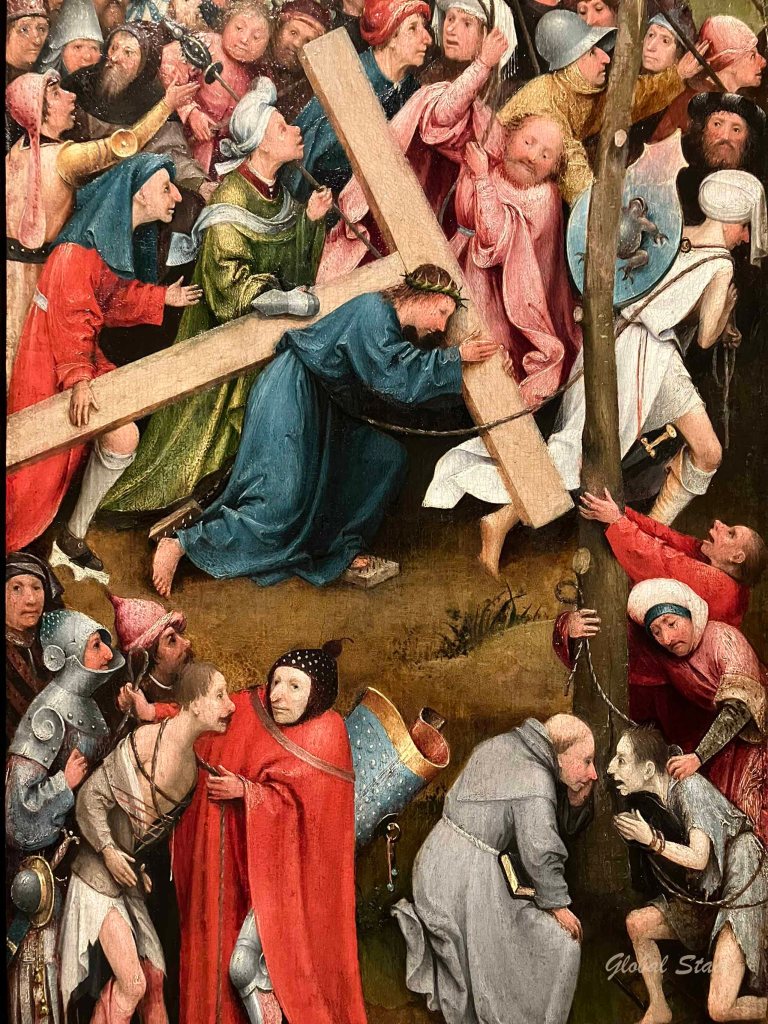
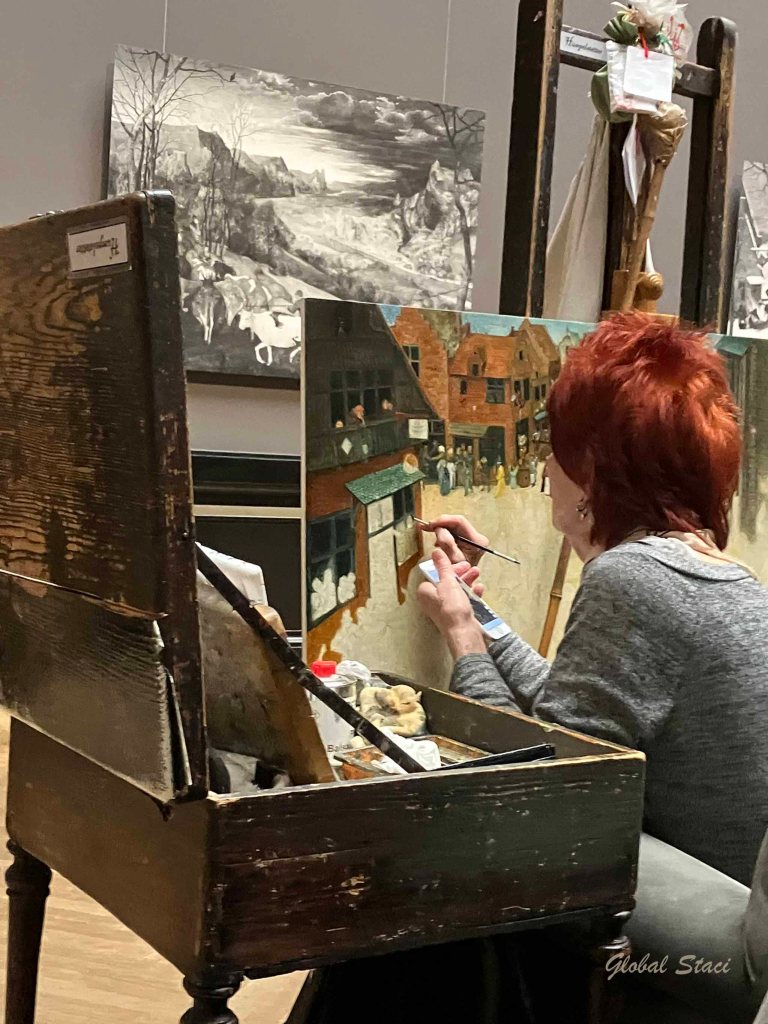
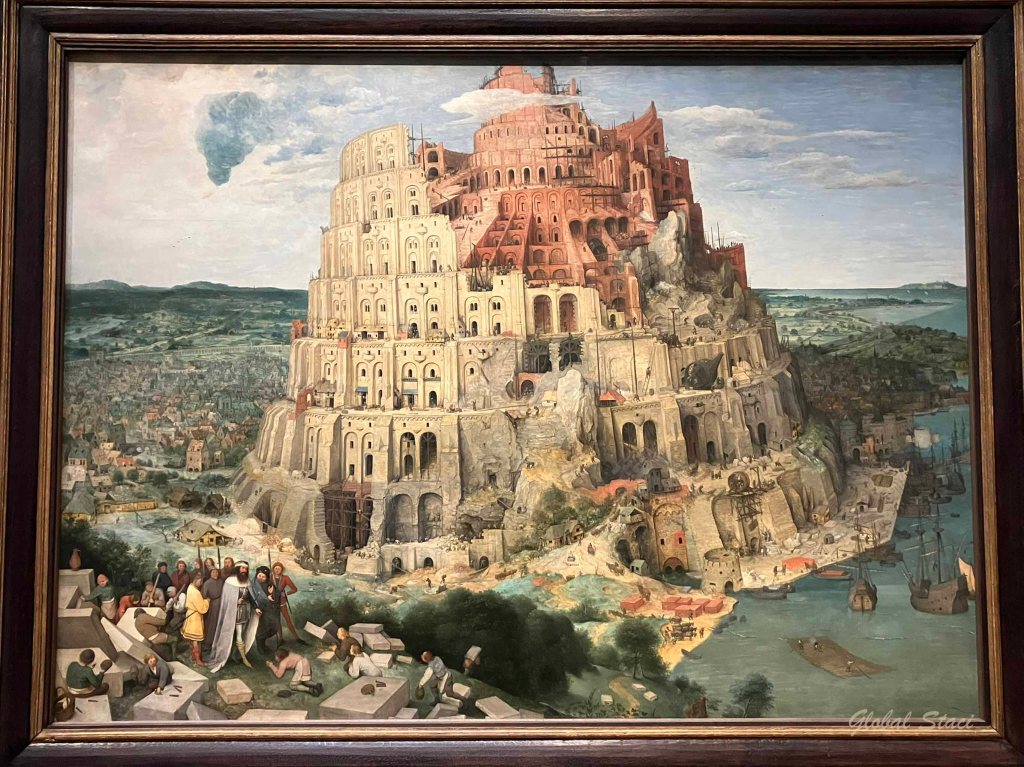
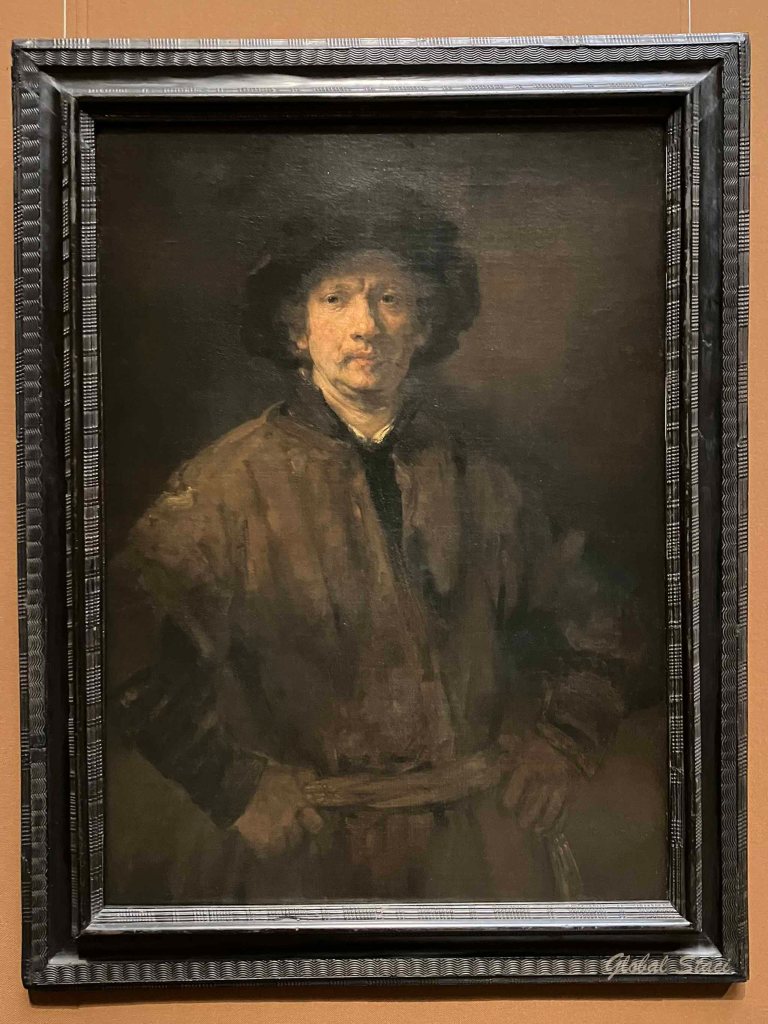
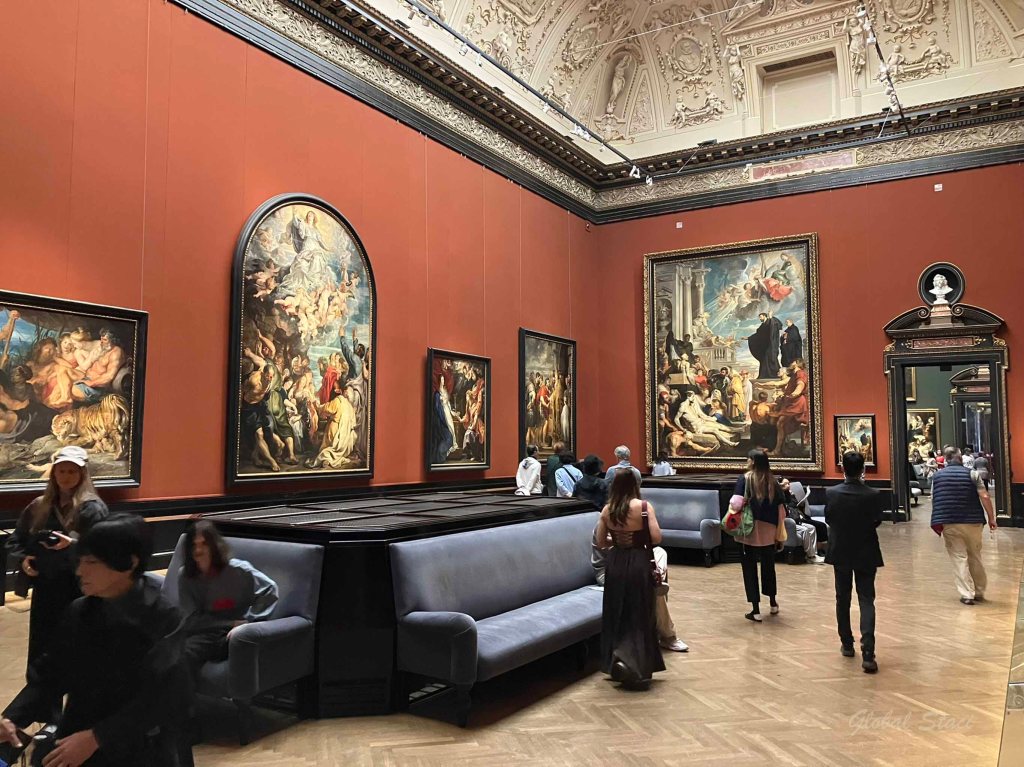
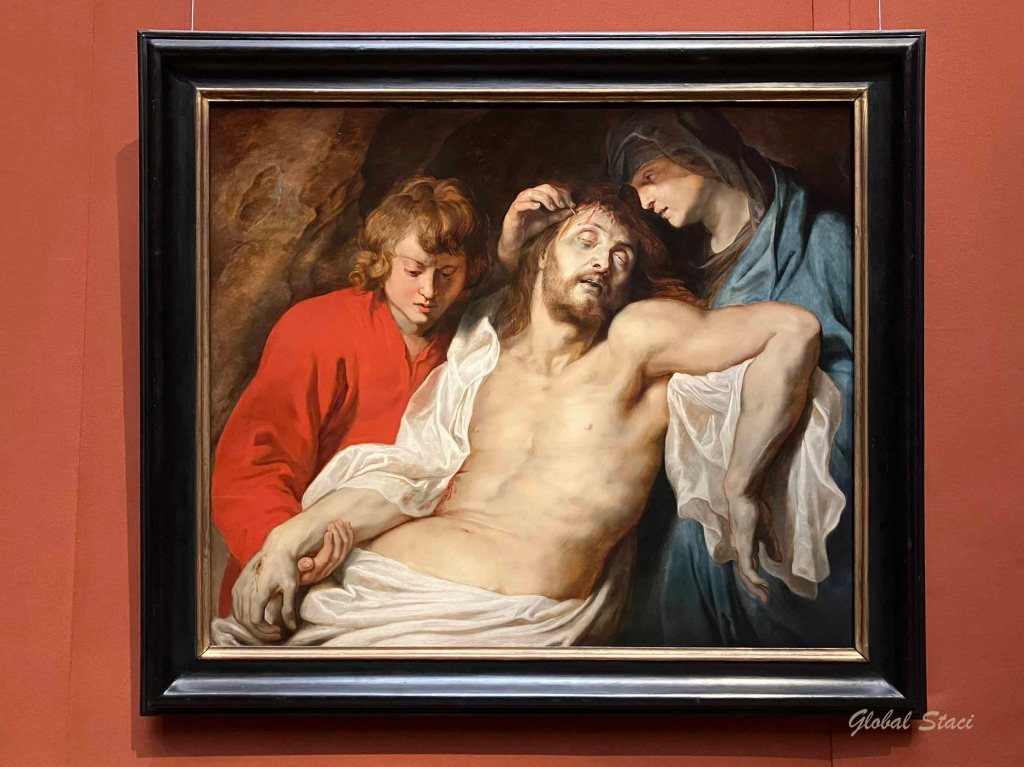
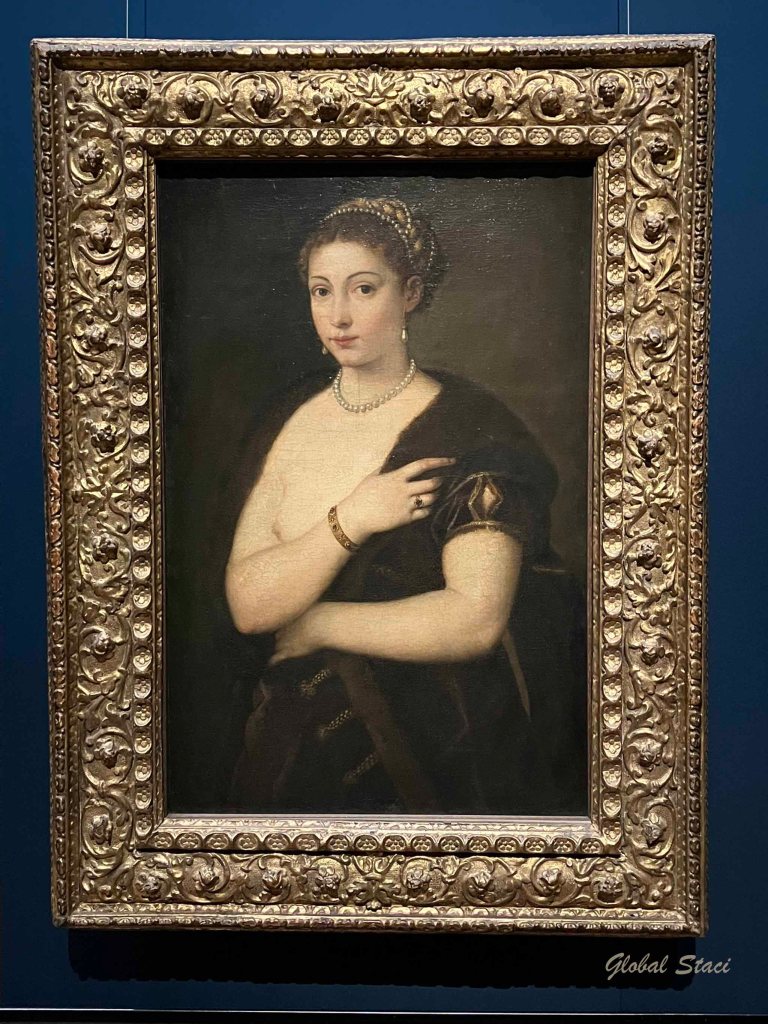
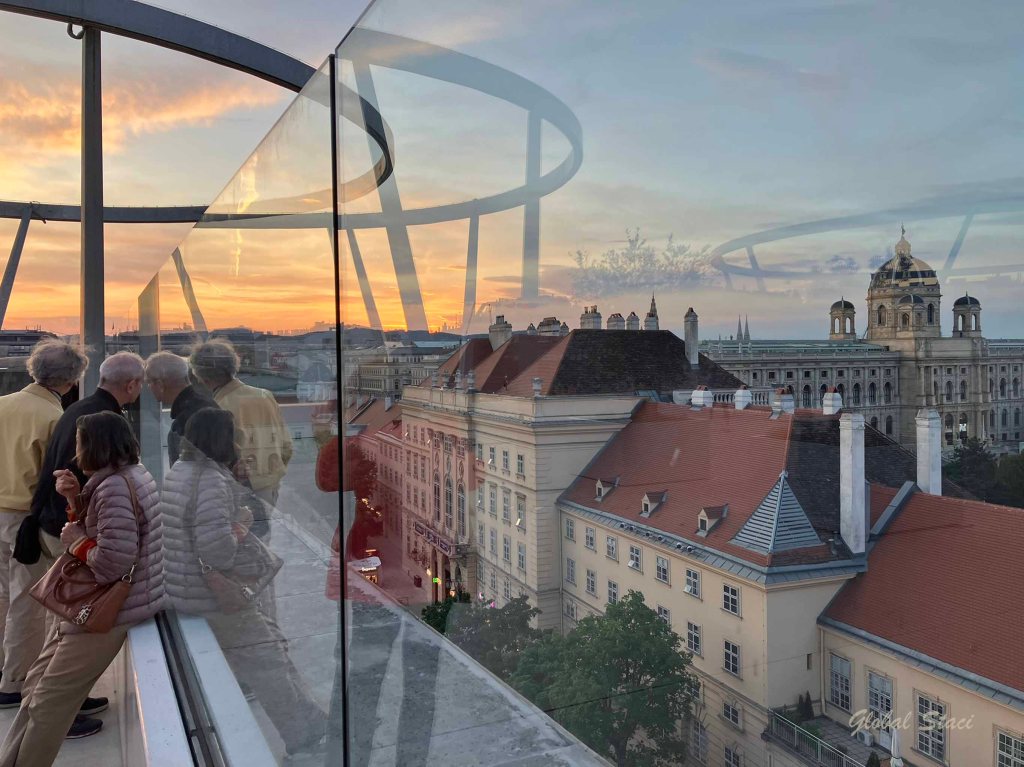
We enjoyed an early dinner at &flora in The Gilbert, the respected restaurant at our hotel, which left us time to enjoy our final stop: sunset cocktails at the MQ Libelle Rooftop Bar, on top of Leopold Museum. Book in advance to secure your seat.
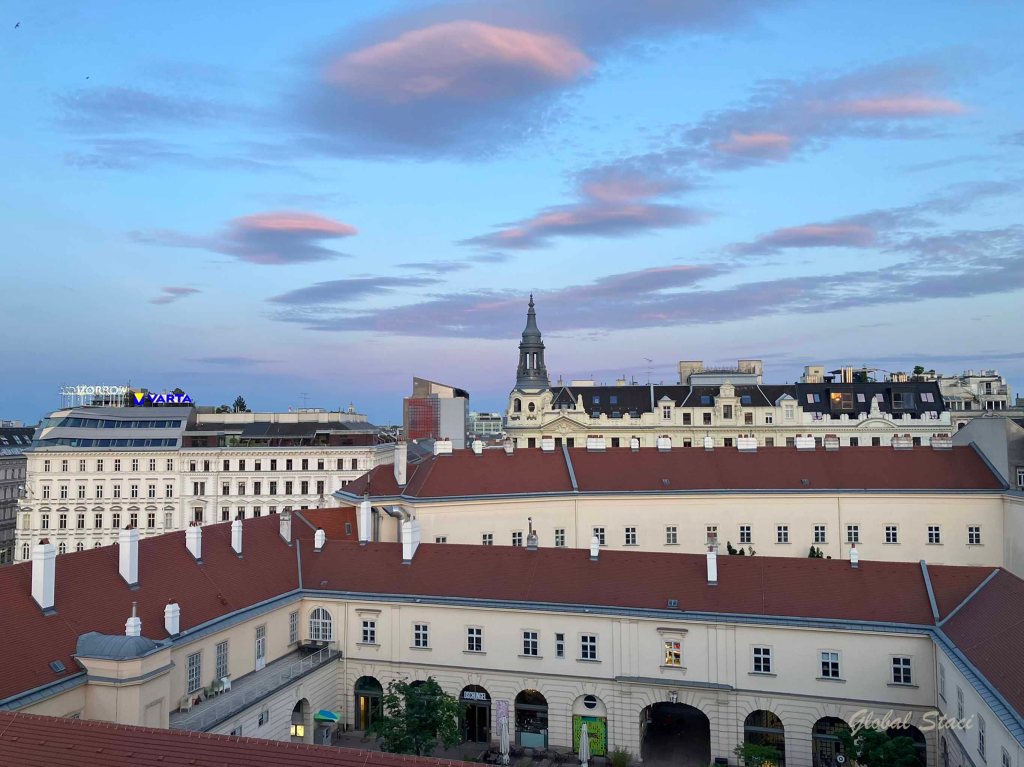
Day 5 | The Albertina & One Last Cafe
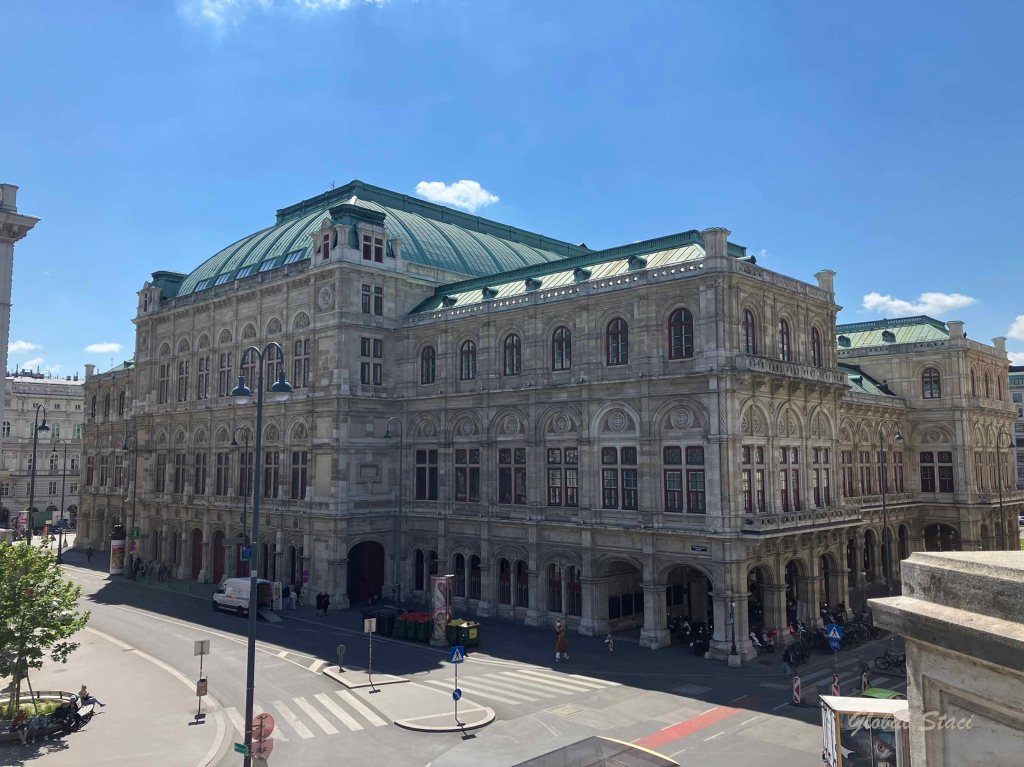
With time for one last outing, we decided to head to the much-loved Albertina Museum, which stewards over a million works from many masters, old and new. With a commanding view of the State Opera House, the Albertina is within a short walk of many of Vienna’s top sites.
In a temporary exhibit, I learned of a great young contemporary artist—Mathew Wong. His work is incredible. Often compared to Van Gogh, yet unlike Vincent, Wong painted solely from his imagination, preferring the solitude of his studio. In particular, his landscapes are hauntingly beautiful. A lone figure often is represented in his work.
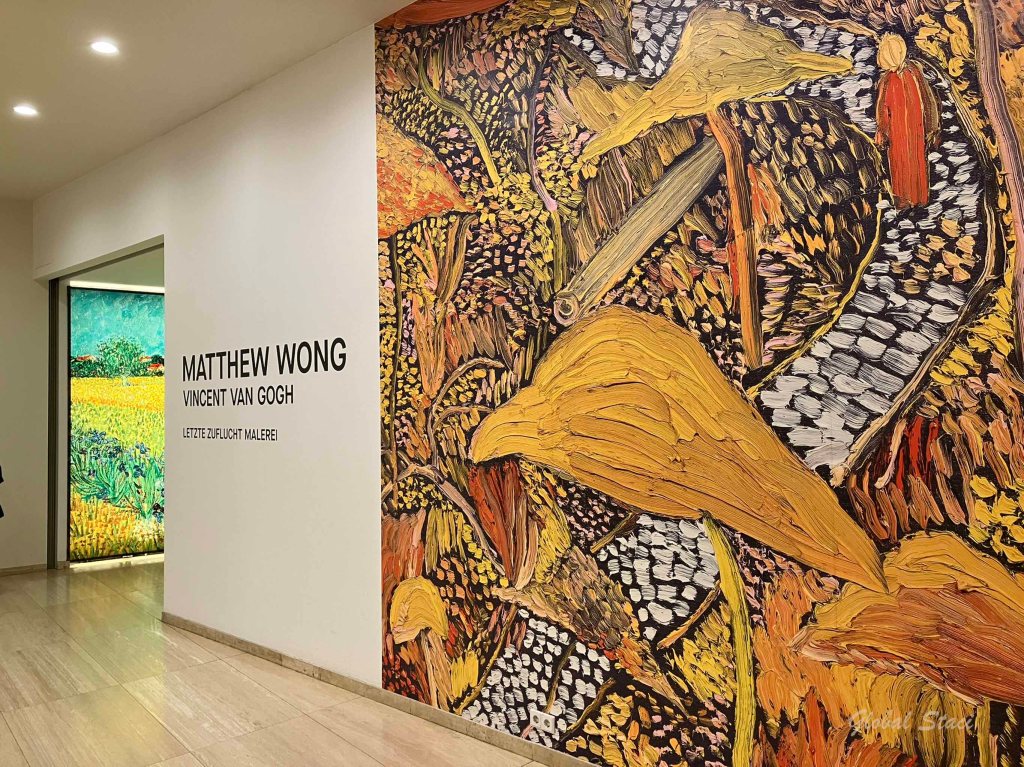
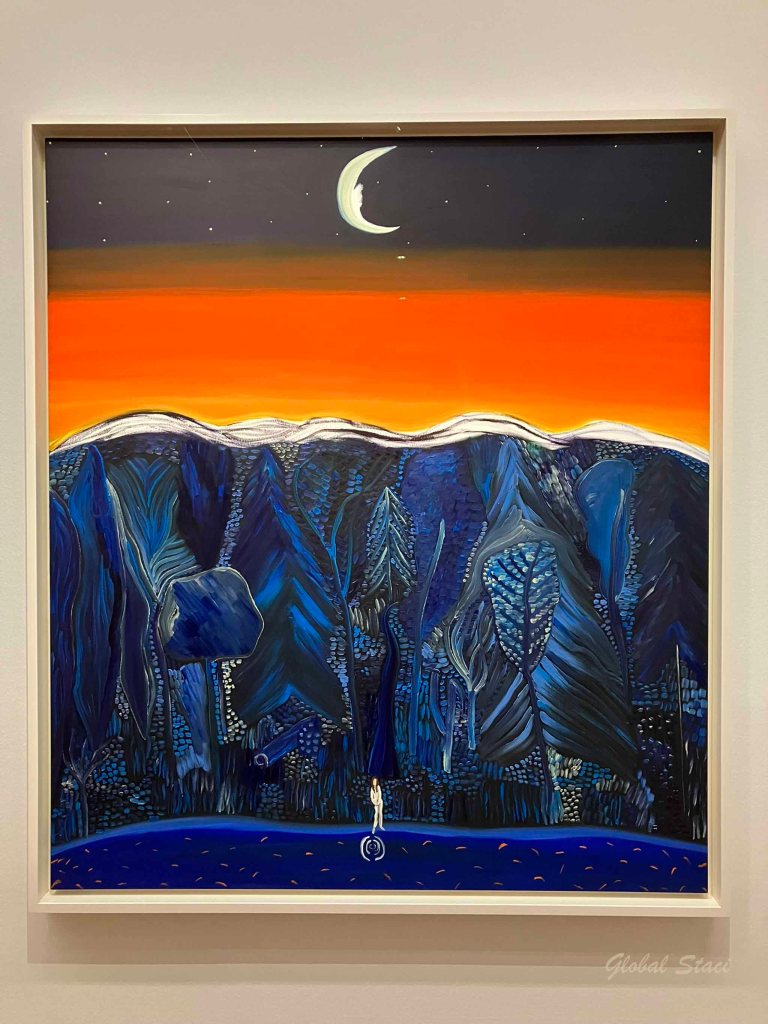
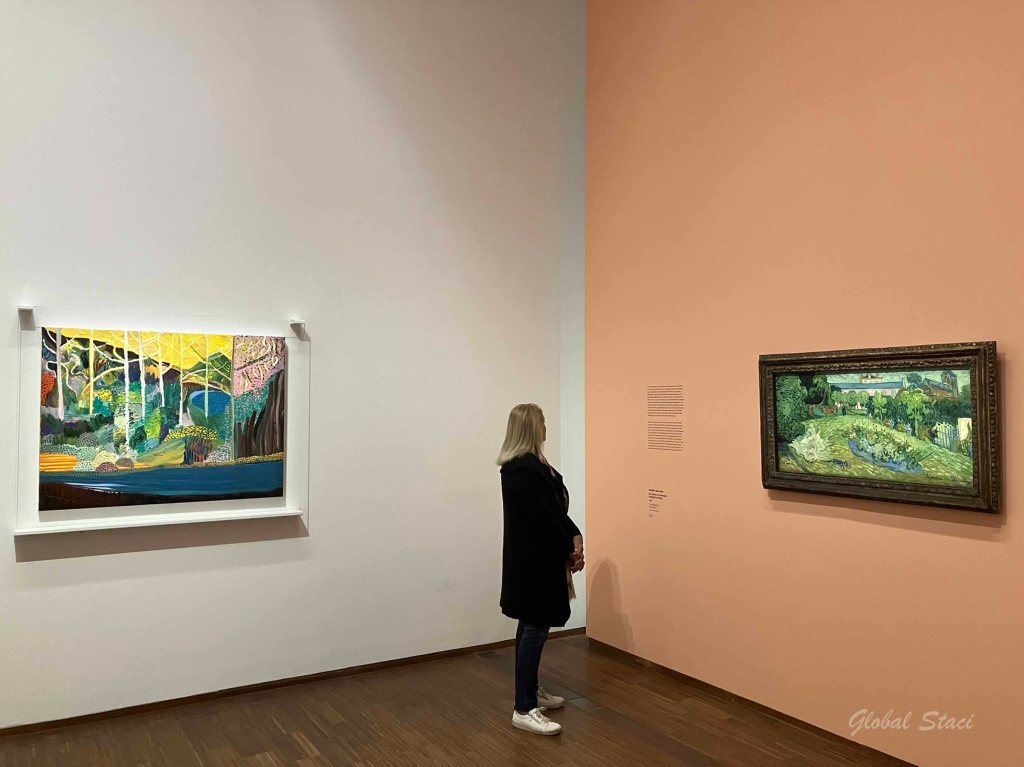
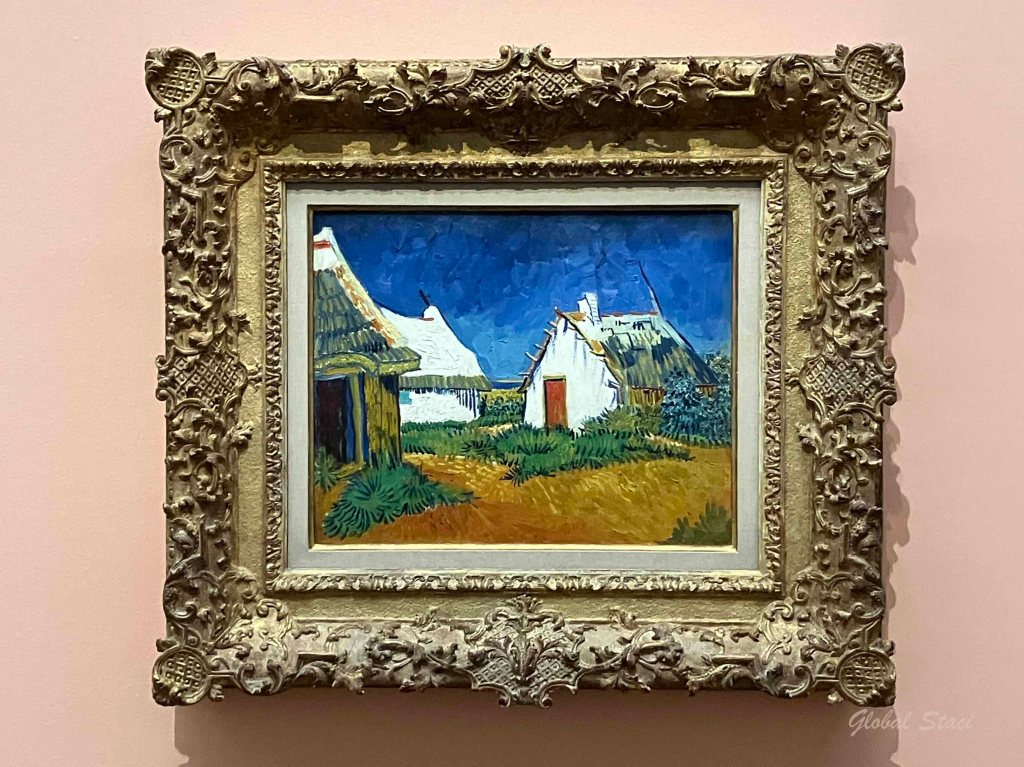
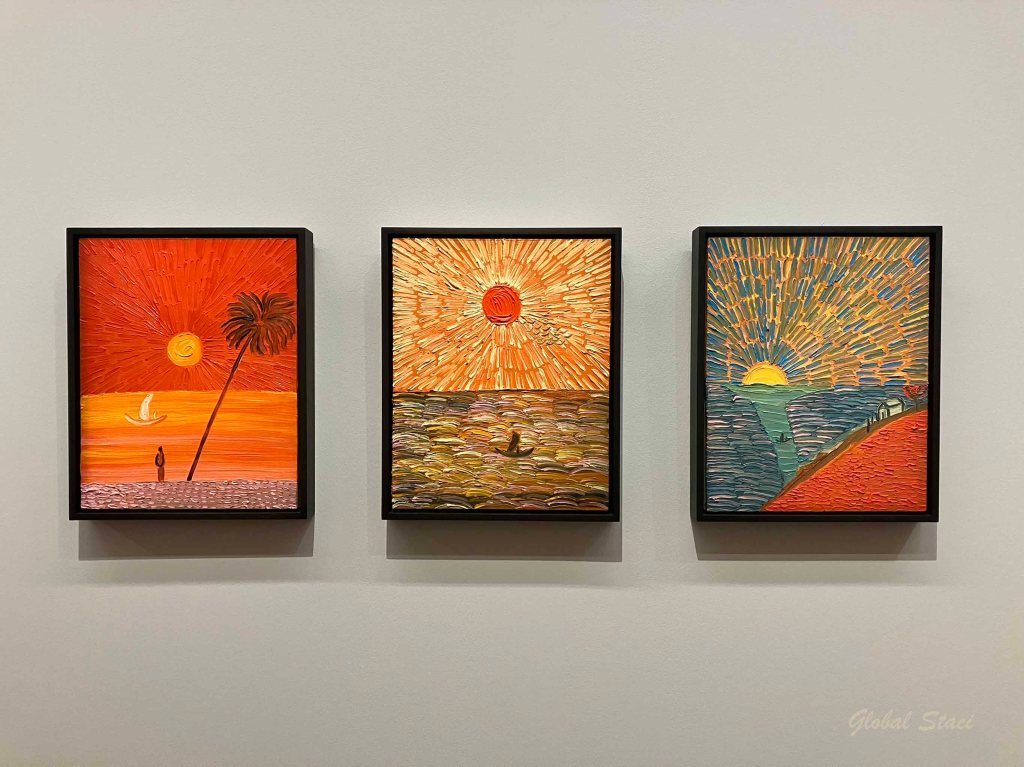
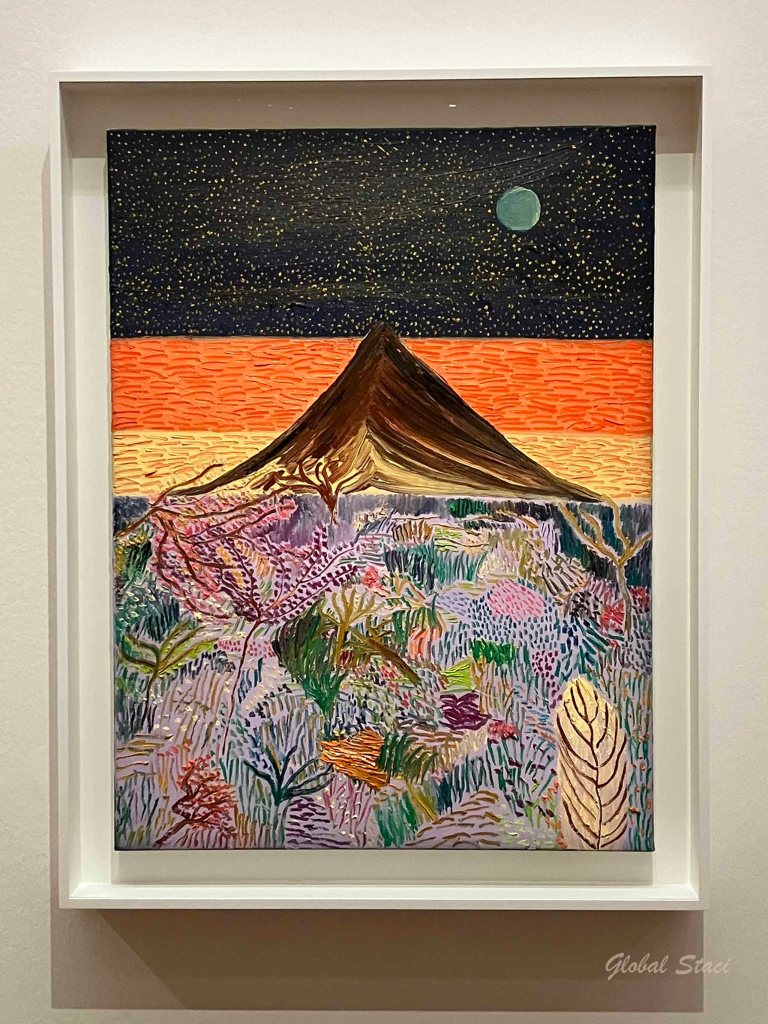
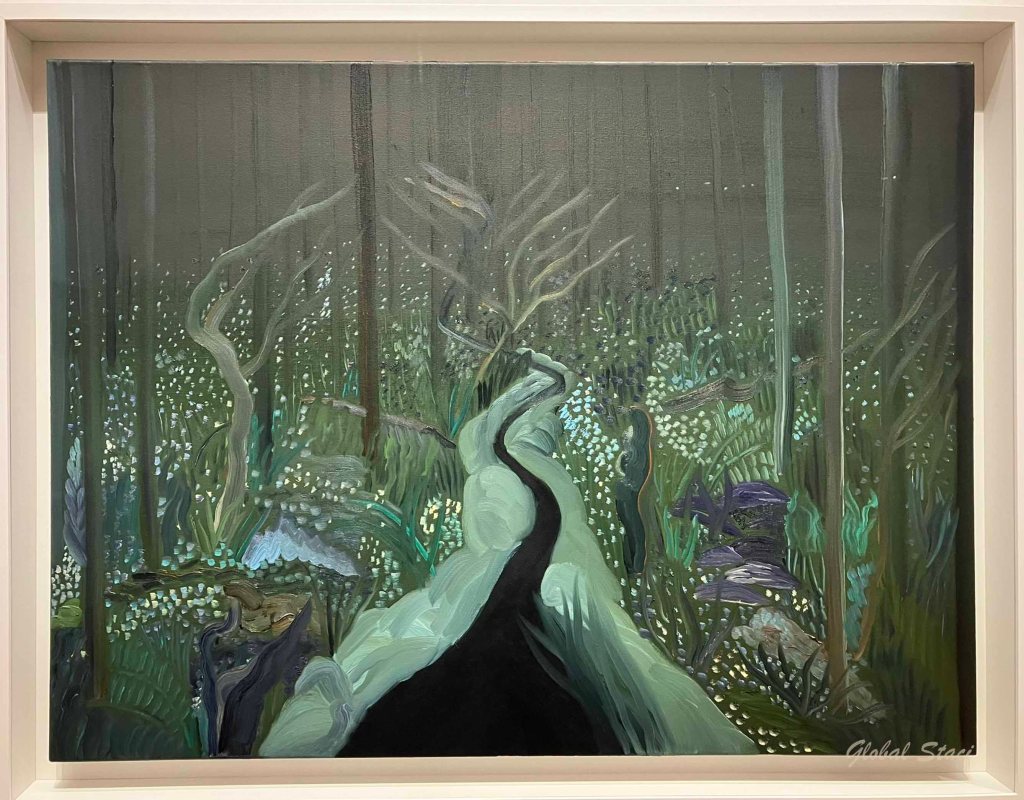
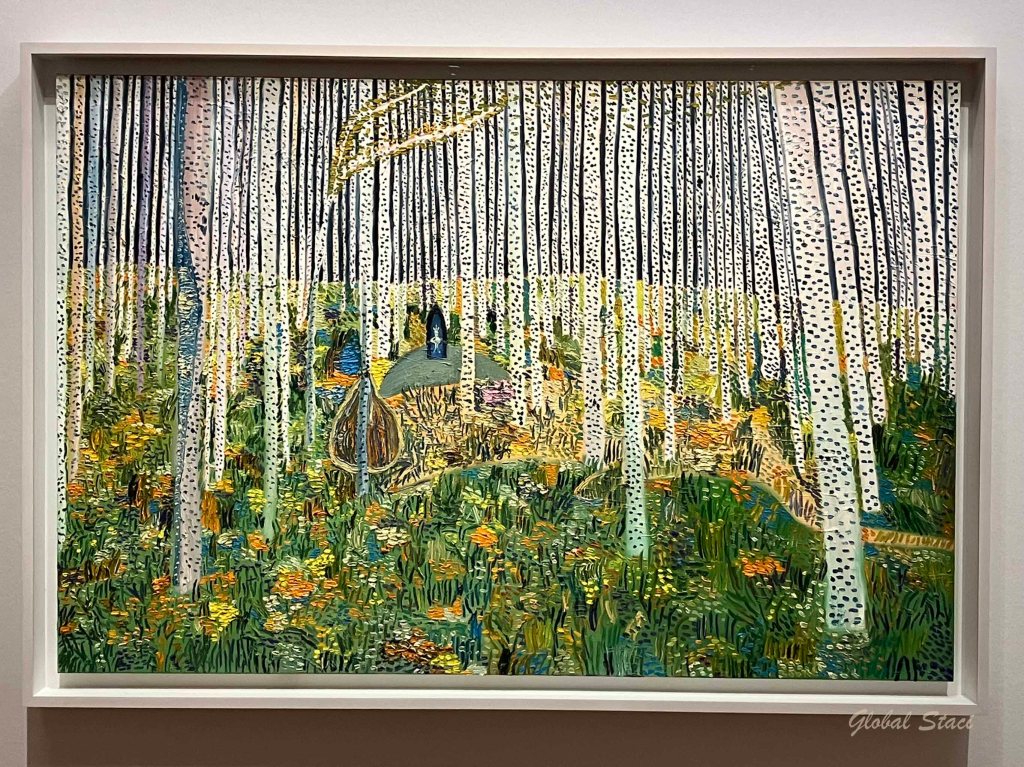

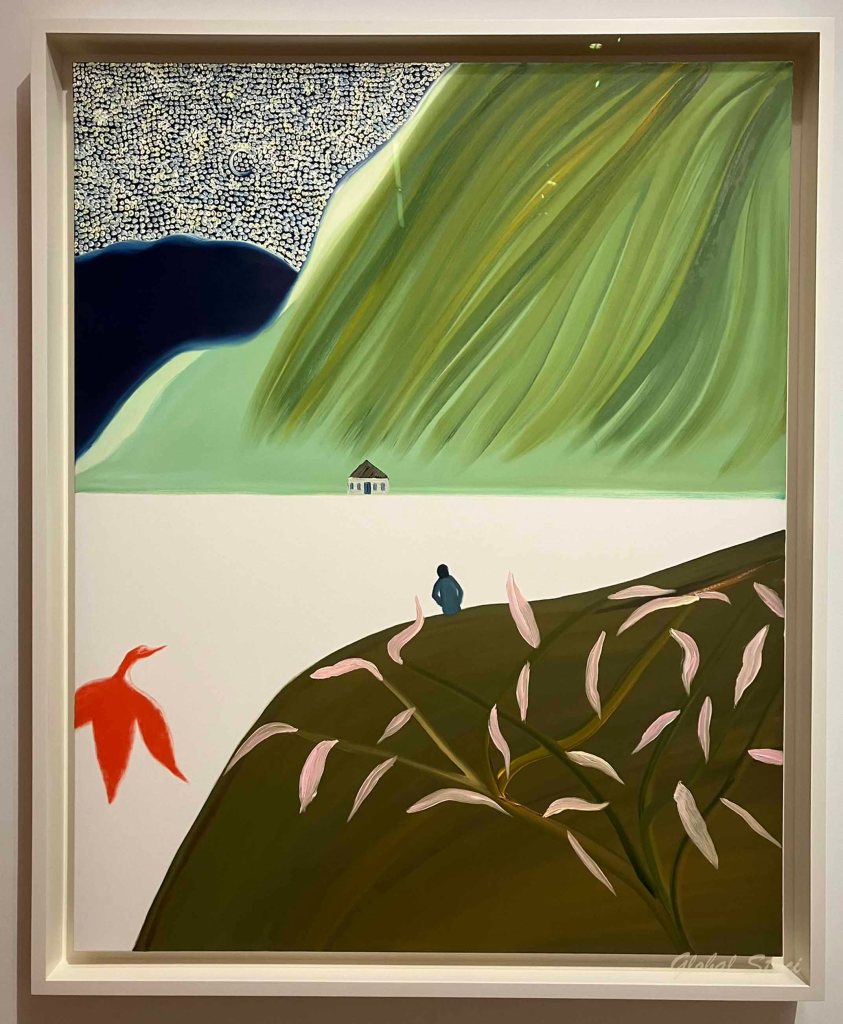
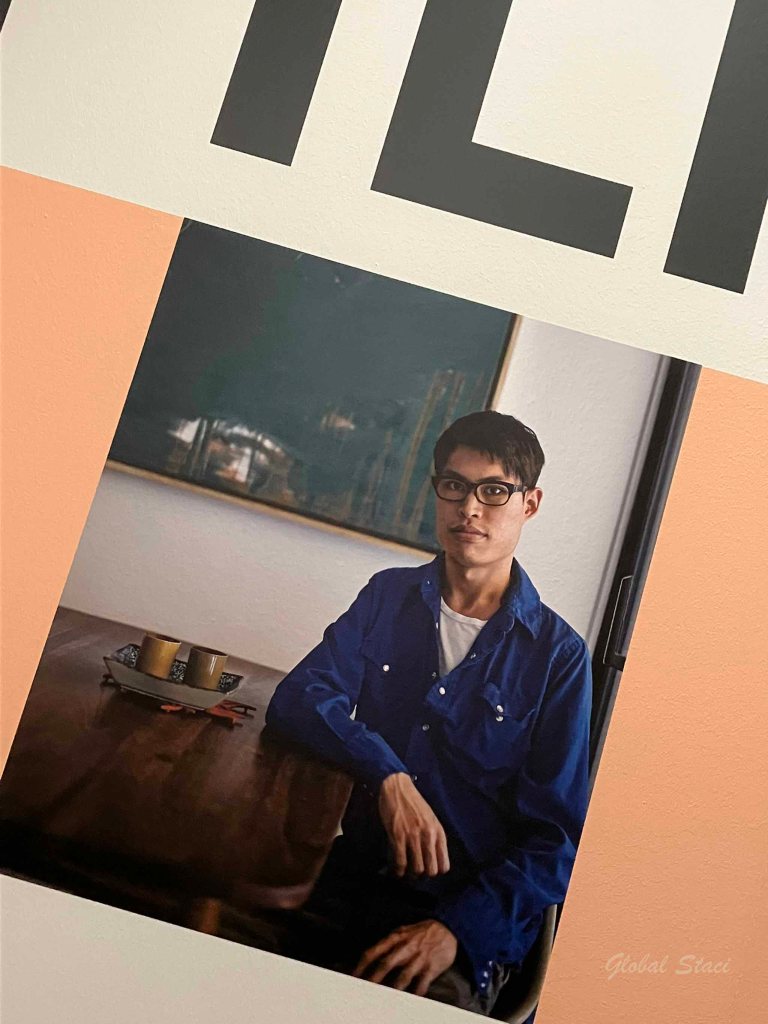
Making my way through the exhibit I learned more. Wong suffered from depression, autism and Tourette’s syndrome for brief periods of time. Van Gogh, who also struggled with episodes of severe mental illness throughout his lifetime, took refuge, like Wong, in painting. Wong’s identification with Van Gogh’s life and work, the realization that another painter’s feelings were so similar to his own, gives him comfort:
“I see myself in him. The impossibility of belonging in this world.”
Wong long hoped that social recognition would have a positive influence on his health. However, with growing professional success in the final years of his life, he realized that this hope was illusory and took his own life at the age of 35.
Van Gogh died at 37.
The oeuvres of these two great artists is timeless and offers a lesson: be kind, loving to one another. Sometimes the one who stands out in the crowd is the loneliest of all. 
Because the Albertina’s collection is so incredibly vast, I had to include others:
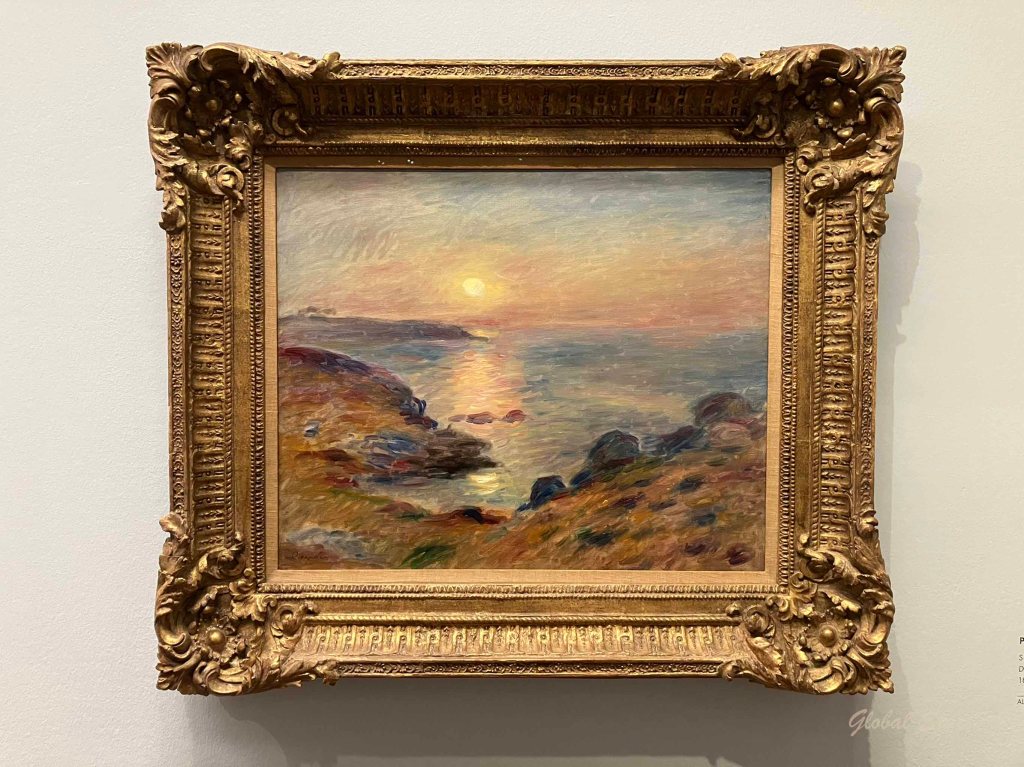
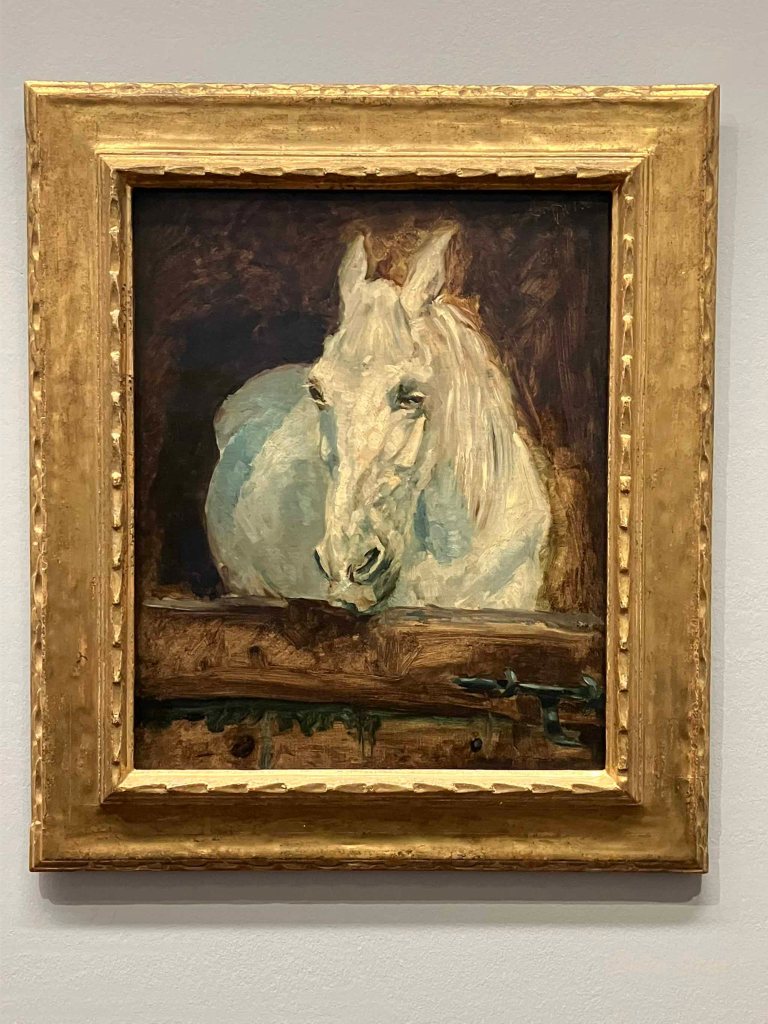
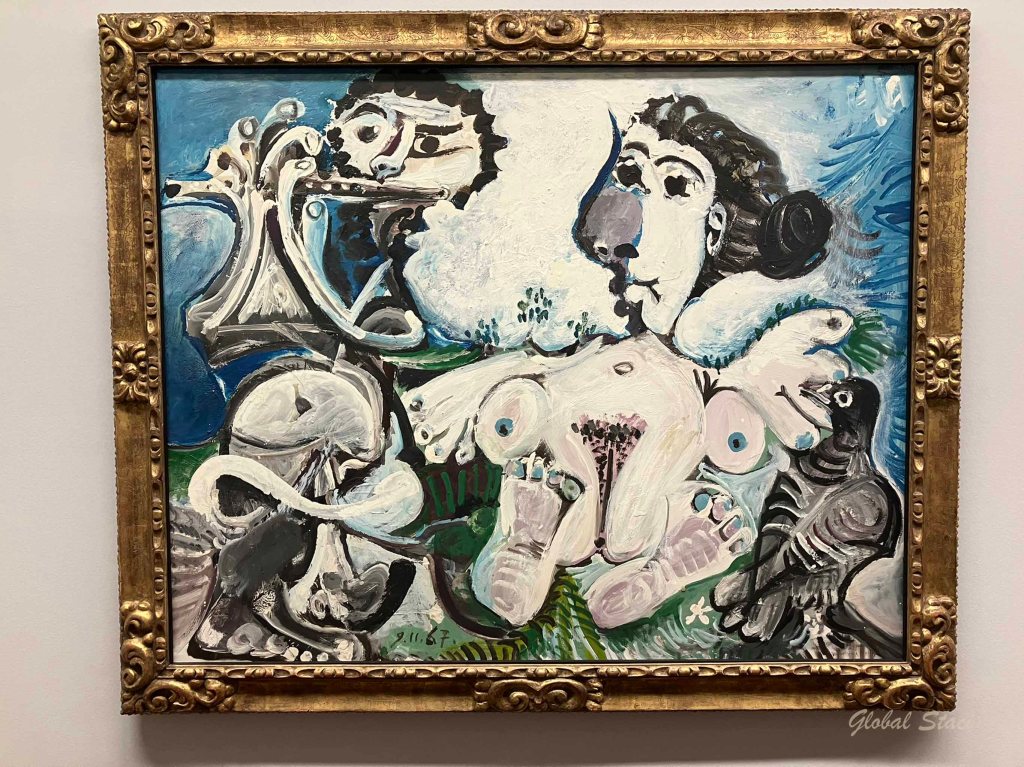
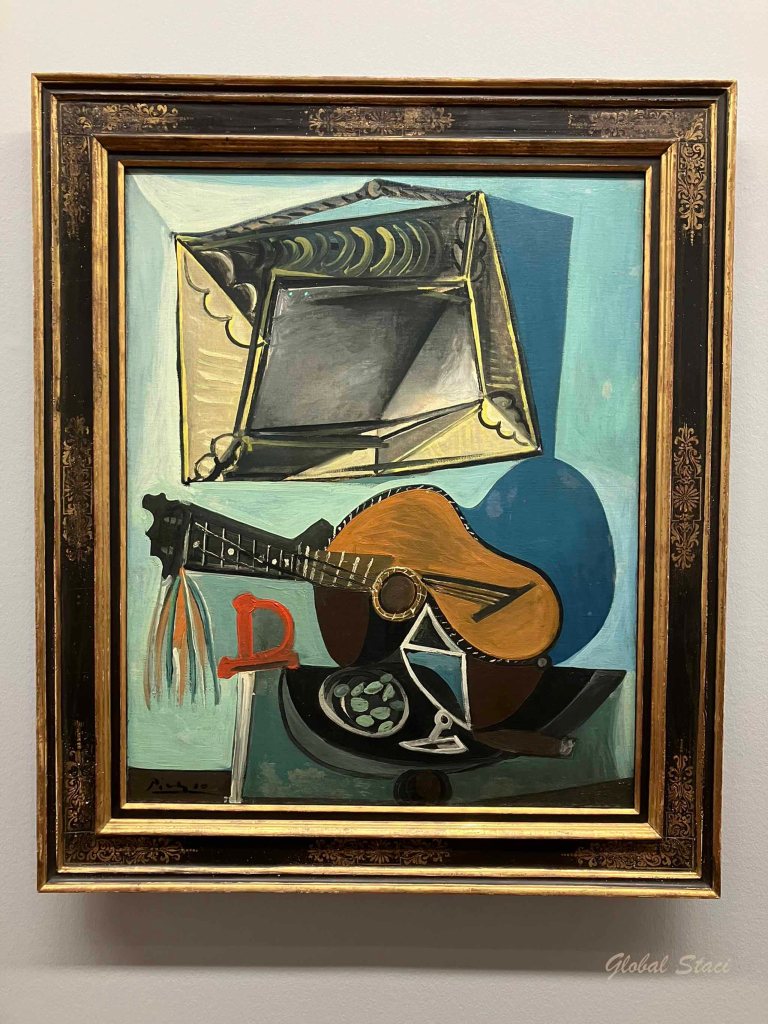
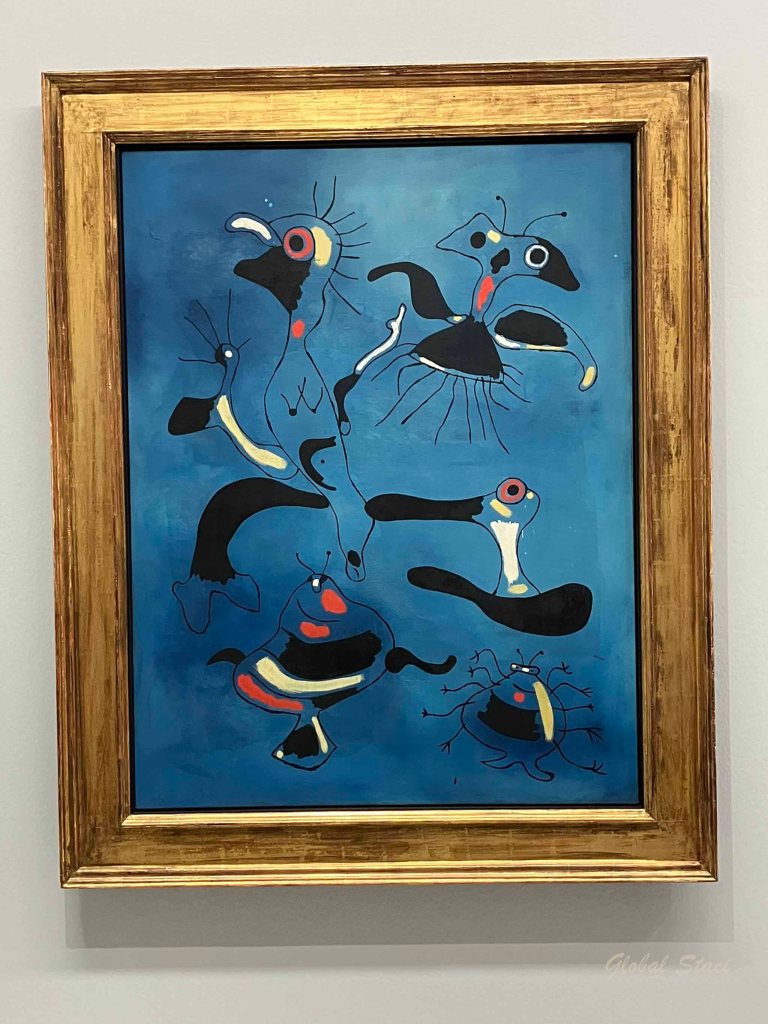
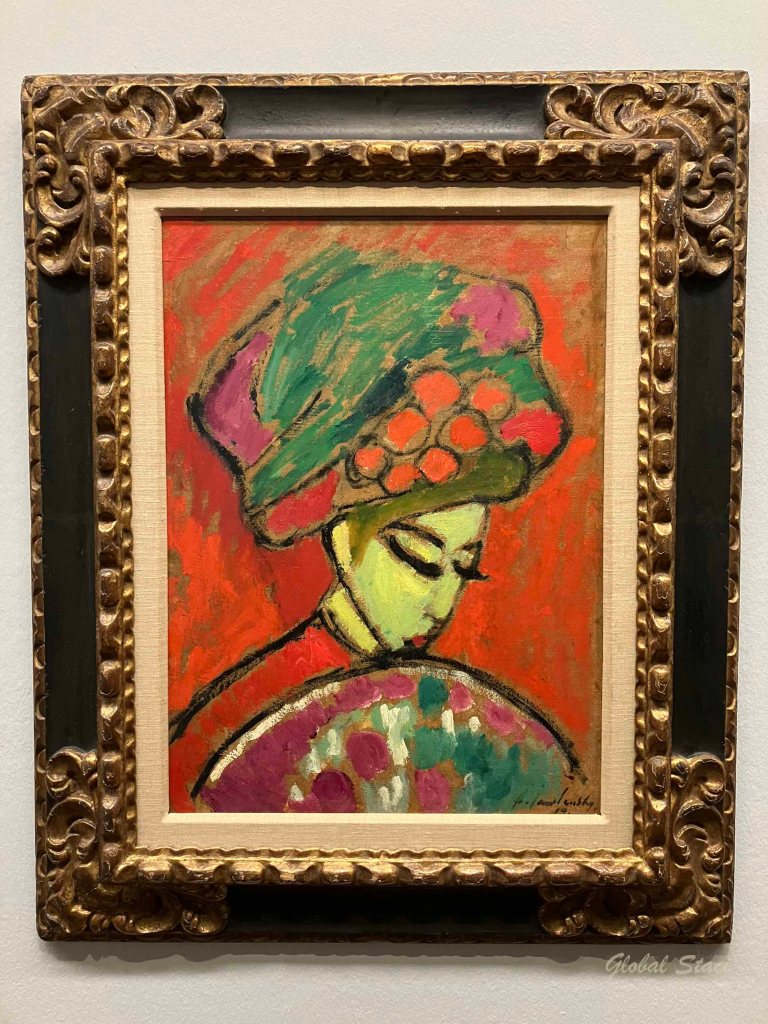
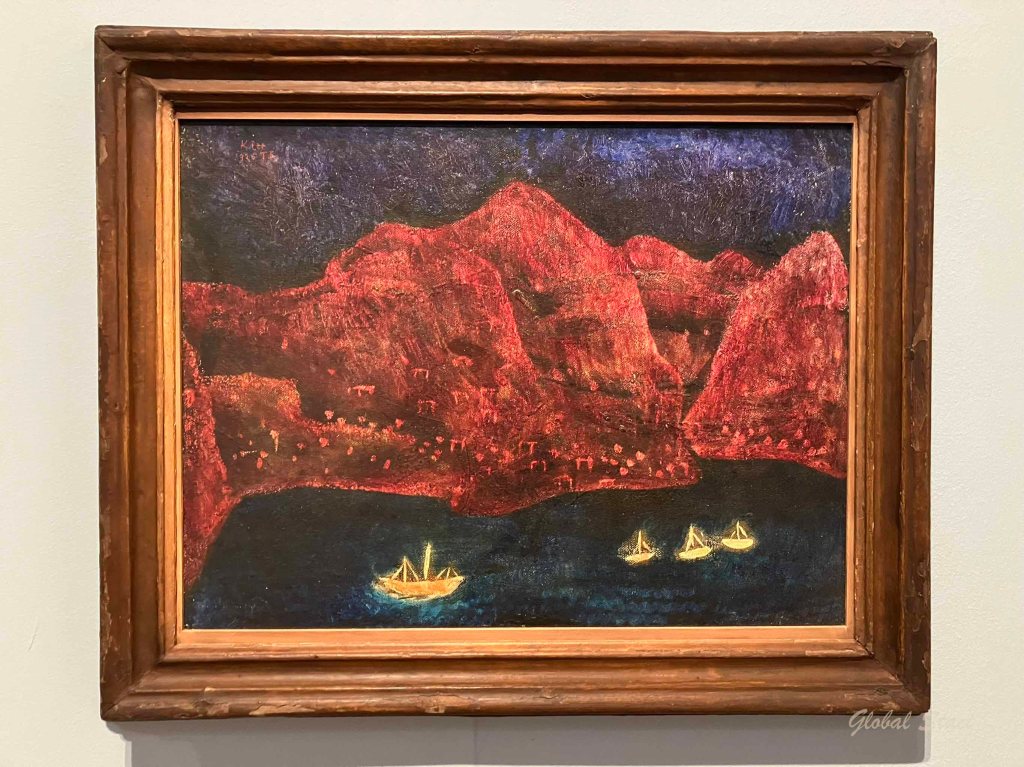
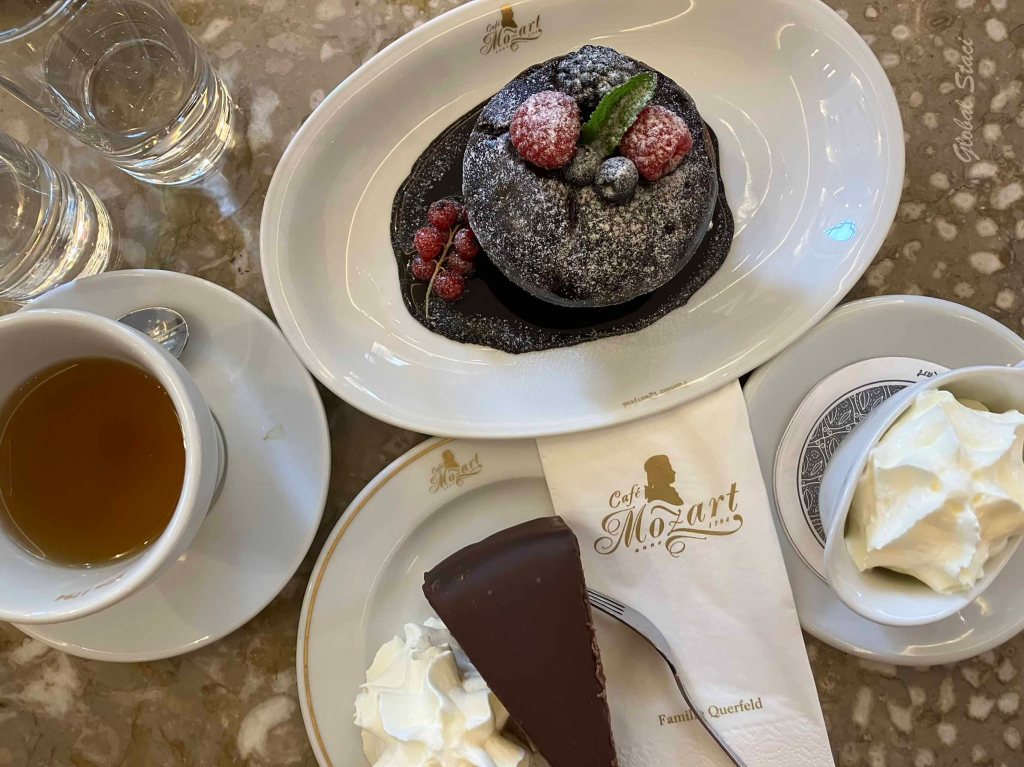
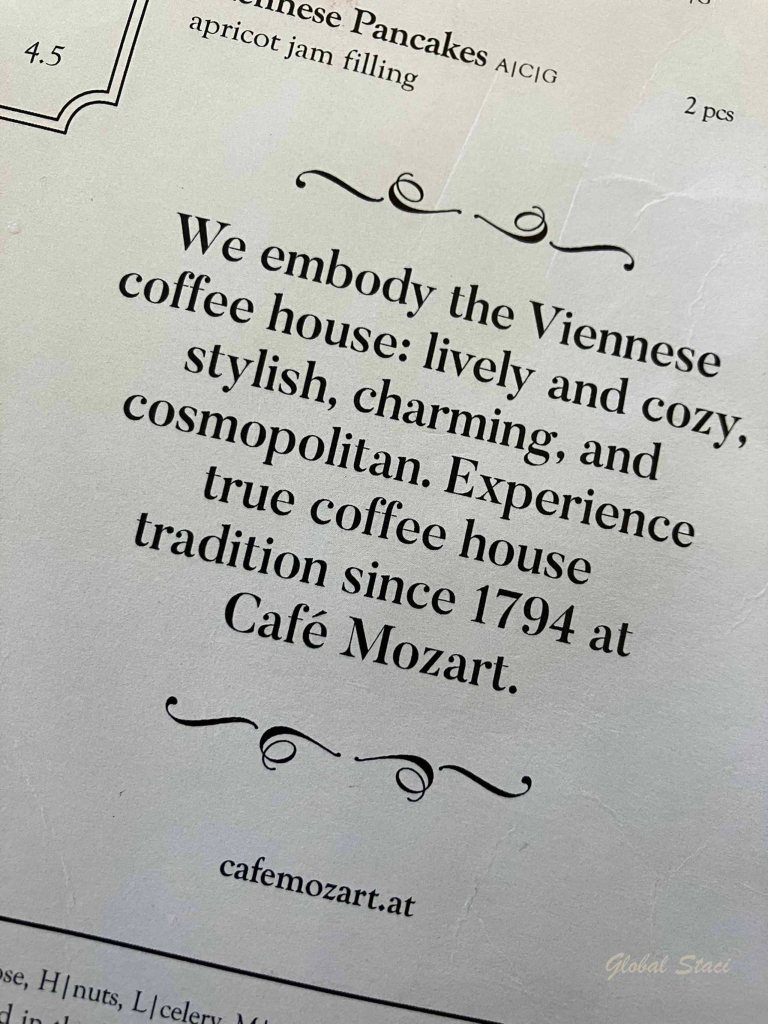
Across the street from the museum is the Sacher Hotel. I’d read so much about this torte I figured, why not give it a try? As I expected, it was not the best dessert by far that we ate in Vienna, but sitting at the Mozart Café, with a friend, over good company and conversation sharing a slice of Viennese coffeehouse history seemed the perfect last indulgence before heading to the airport.
 Global Staci
Pingback: Nine Days Getting to Know My Roots in Slovakia
Pingback: Revisiting Porto, Portugal | Ten Years Later 2025