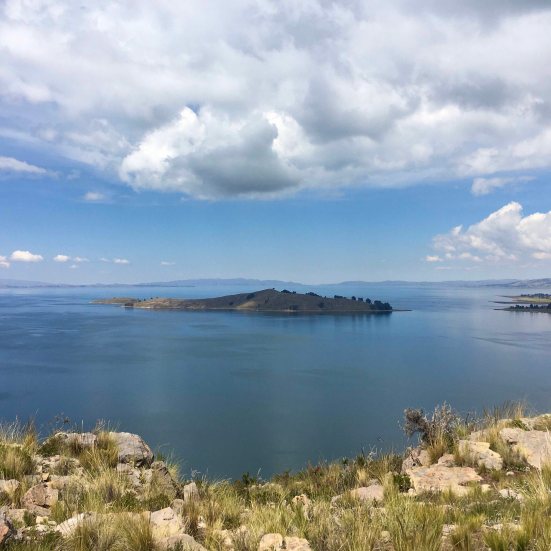
Do we have the same memory from middle school? Learning that there was such a place called Ti-ti-ca-ca, a combination of words too hilarious to be uttered together? Many years later, I paid a visit to this very intriguing place with a laughable name. It feels a world away from La Paz, where I’d been for five days adjusting to the altitude prior to a Global Builders trip with The Fuller Center for Housing.
Lake Titicaca is majestically large, sharing its shoreline with Peru, and crazy high at 12,500 feet (3812 meters). It’s also a place to experience amazing Pre-Colombian history and generally just chill out, hike and stargaze for a few days. Revered by the ancient Incans as sacred, it’s definitely worth staying a few days, although some prefer to day trip from La Paz.
I pre-booked this tour for 11 people, through a local tour operator in Bolivia. I recommend going through the pre-planning hassles and nail down the itinerary and all-inclusive price in advance so all you have to do is follow the plan when you arrive. I knew I wanted to stay at the fabulous Ecolodge Estancia, so pre-booking was all the more necessary.
[PRO TIP: Bring sunglasses, sunscreen, a hat, hiking boots and warm clothes for the chilly nights. I also recommend if you just arrived in Bolivia, taking altitude meds to ease the transition if you are not used to being above 12,000 feet.]
Day 1 | Bus, Boats, Breathless
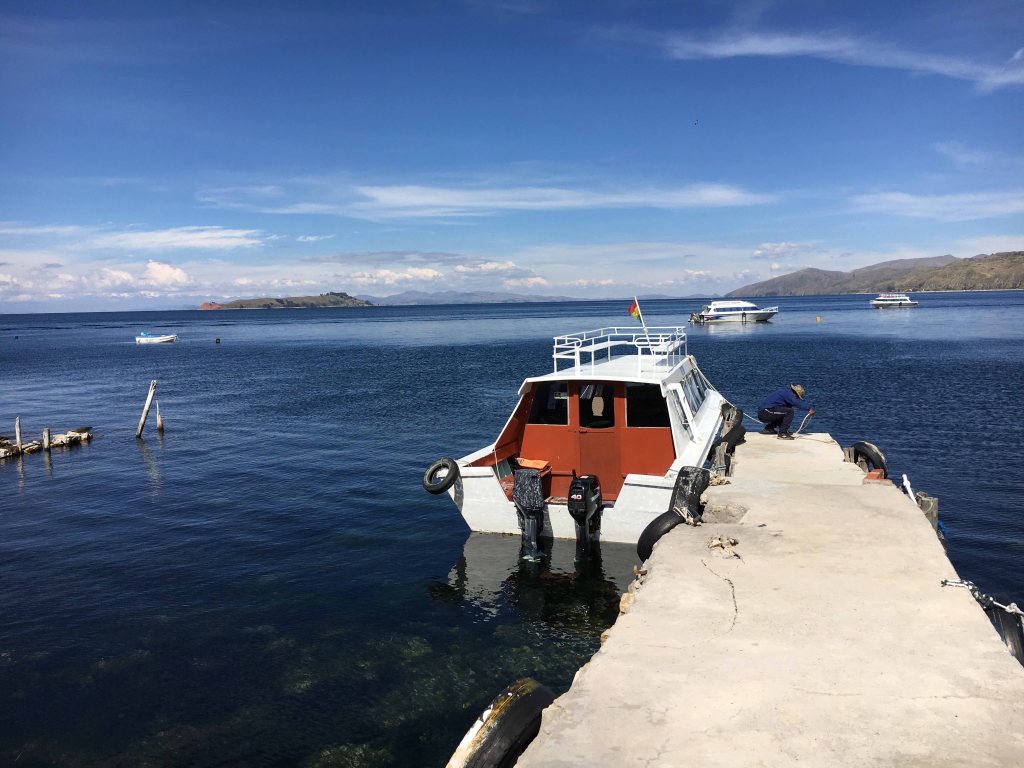
By bus it took us about four hours to get to Copacabana, the main town on the shores of the lake. We enjoyed a short stop for lunch and bargaining with the street vendors, before boarding our boat to the southern part of the Isla del Sol, Island of the Sun.
On the drive you’ll get glimpses of the lake and its pristine development-free shoreline, but your destination is on it. Isla del Sol is one of the inhabited islands on the Bolivian side of the lake. There are no cars or paved roads. The local inhabitants, mainly Aymara, lead a quiet and simple life, preserving their culture and customs. Tourism provides an opportunity to immerse yourself in the rich history and cultural traditions of this Andean region.
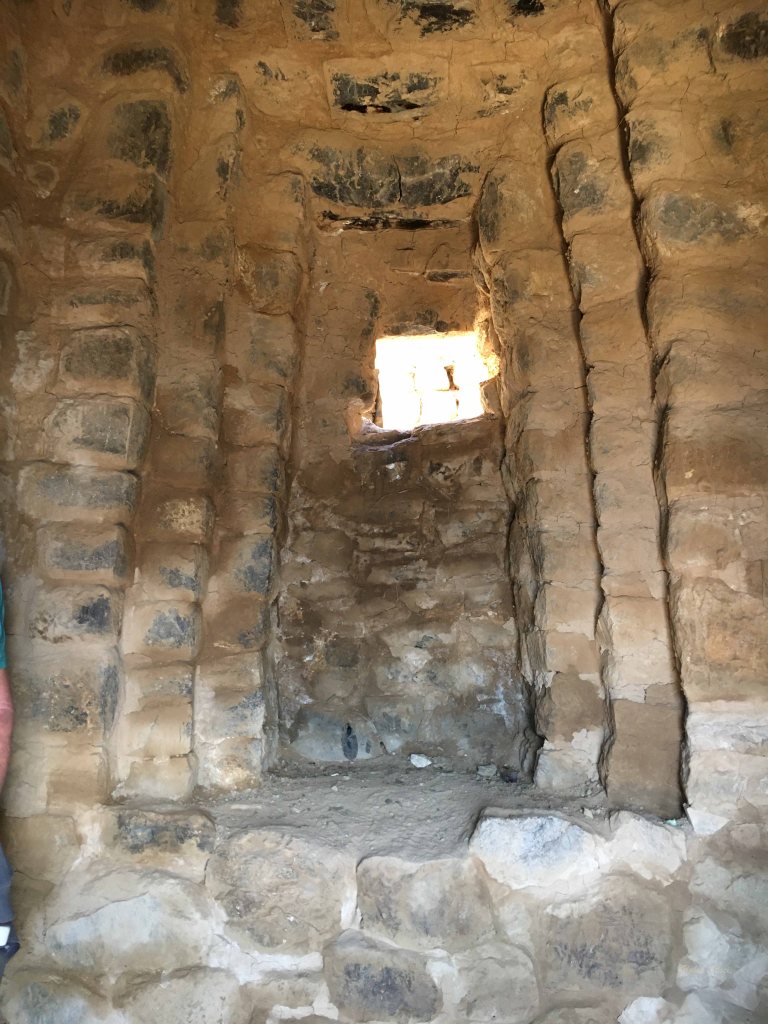
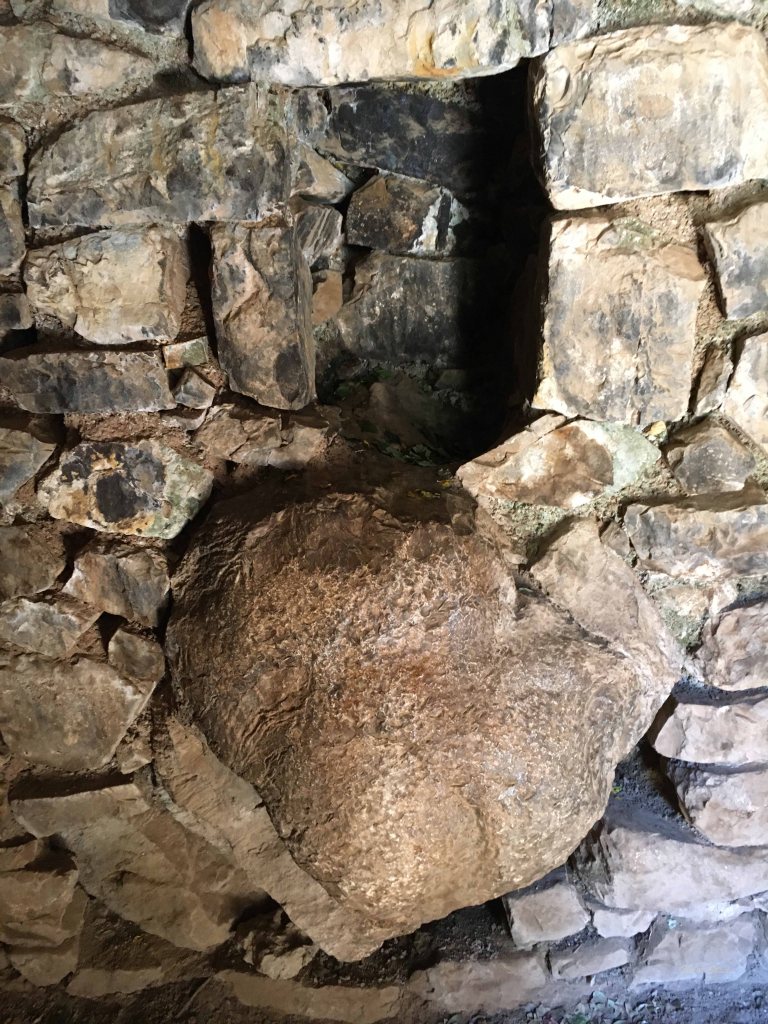
The first time we came ashore was to check out the archaeological ruins of the Pilcocayna Palace. The second time we came ashore, our guide loaded our bags onto a donkey, so the only discomfort we felt getting to the hotel was the breathless hike to the top of the hill. Those sweeping views during our stay at Ecolodge Estancia were the reward.
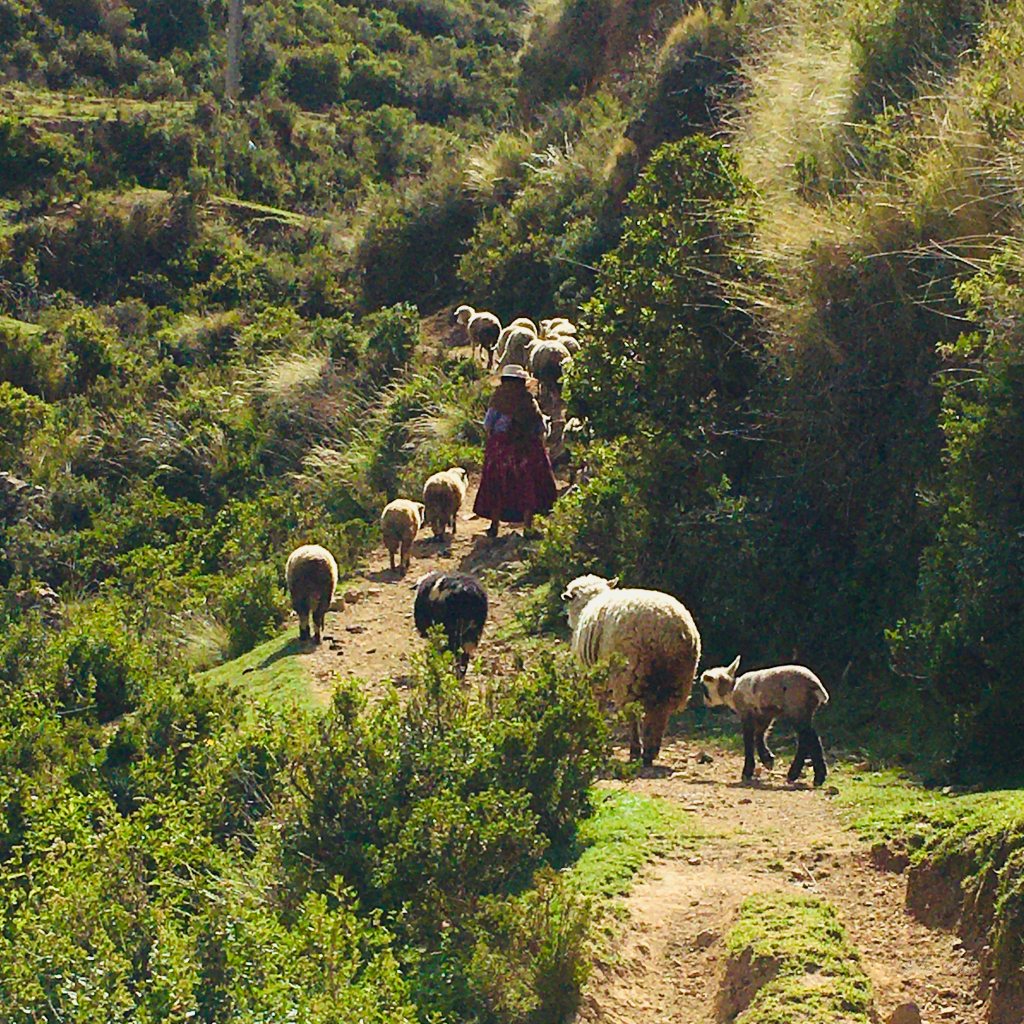
[PRO TIP: Stargazing was the best I experienced in Bolivia on this island. If you have a favorite app to help you enjoy the night skies, it’s really fun. If you are from the north, look for the Southern Cross constellation.]
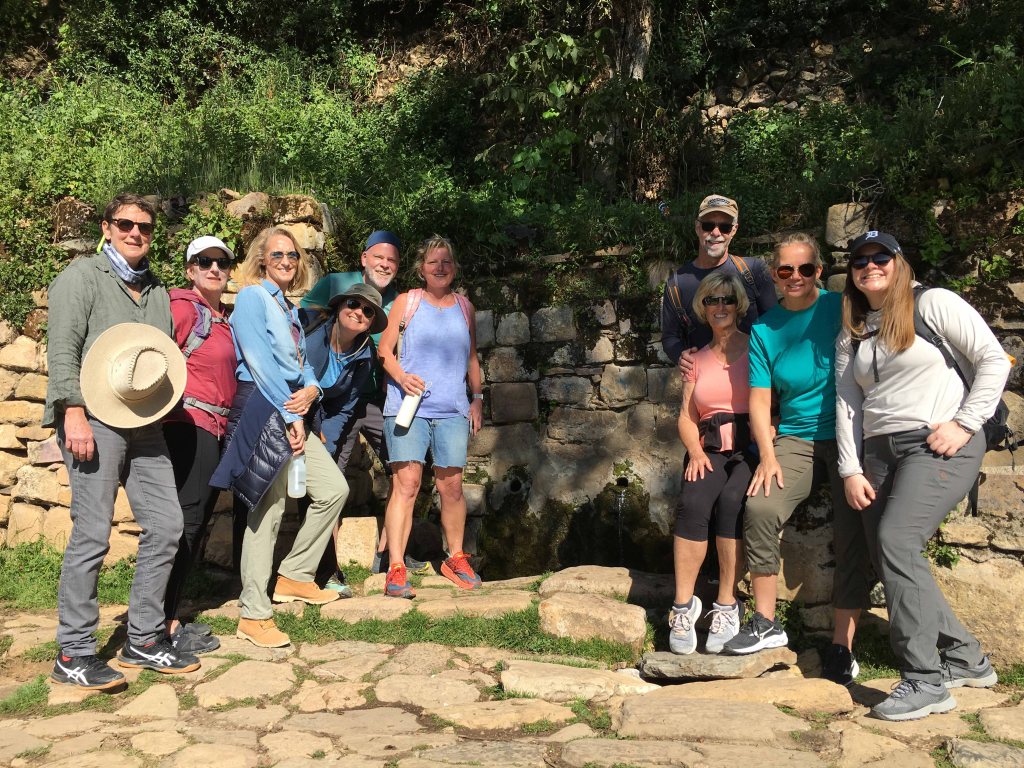
The next day after breakfast we enjoyed a beautiful hike back down toward the water’s edge, stopping along the way at the Yumani Steps, and the Sacred Fountain, a natural water source, considered to be a fountain of youth. Once at the shore, we boarded our boat again to visit Isla de la Luna, Island of the Moon. Incan mythology refers to the island as the location where creator deity Viracocha commanded the rising of the moon.
Day 2 | Isla de La Luna
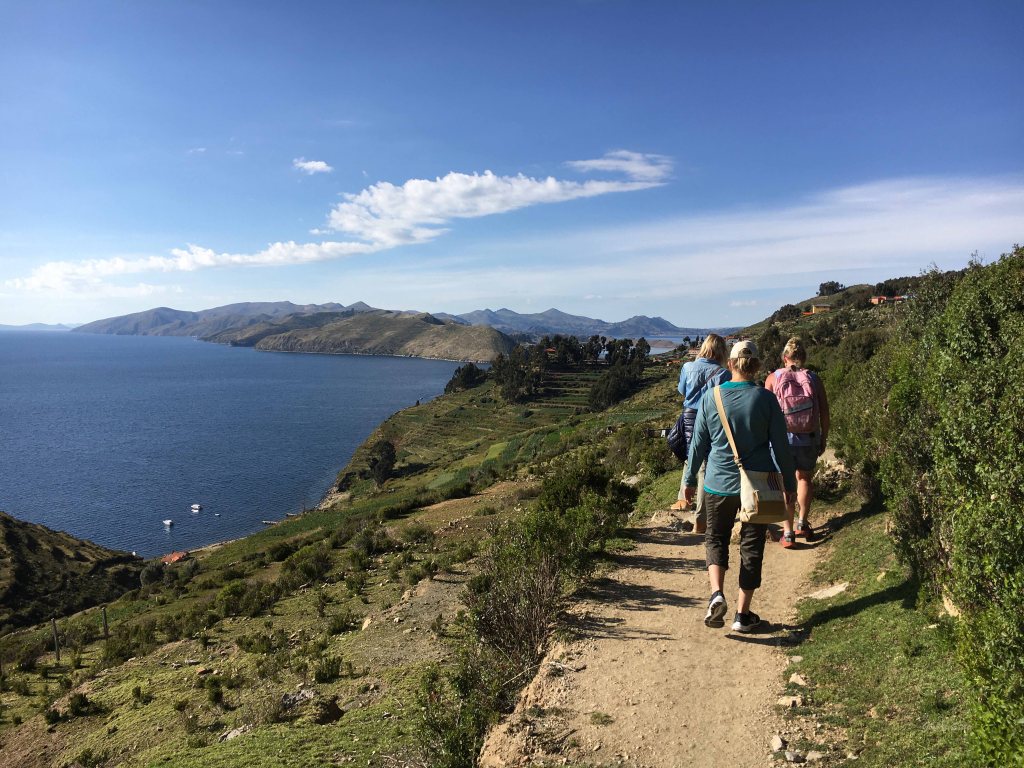
Hiking around the island is in itself superb. We also saw the archeological ruins of an Inca nunnery on the eastern shore. We particularly loved the aphtaphi lunch at the local restaurant. This Andean ceremonial meal used local ingredients such as potatoes, chuño (the dehydrated potato), corn, broad beans, cheese and local fish from the lake.
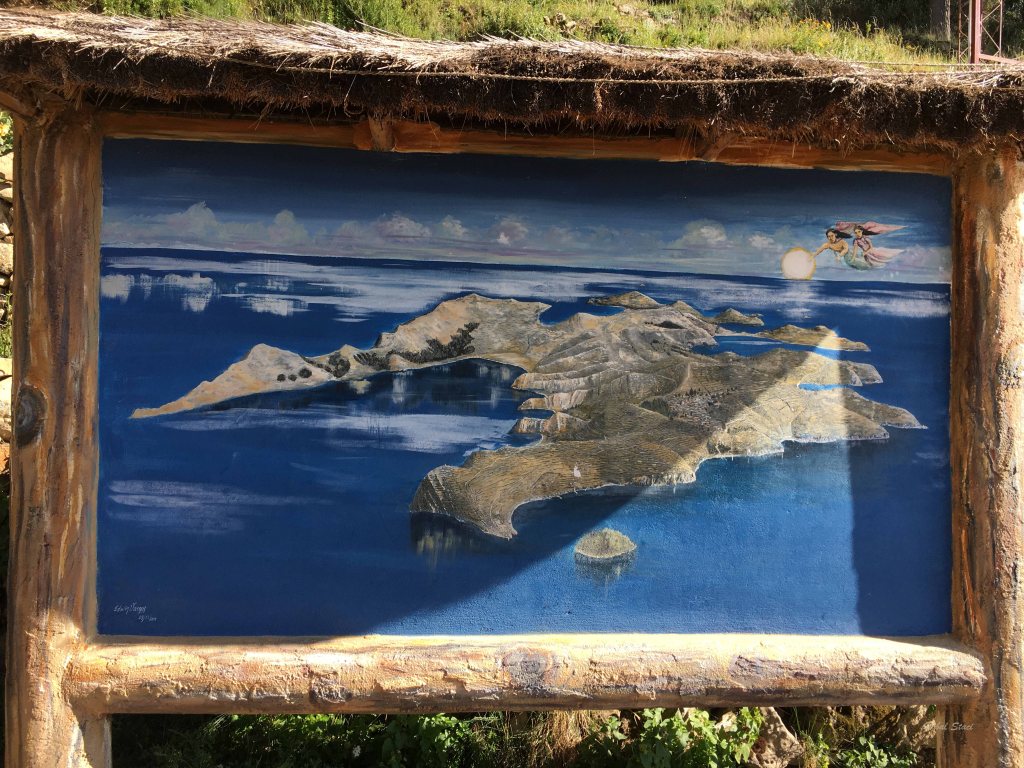
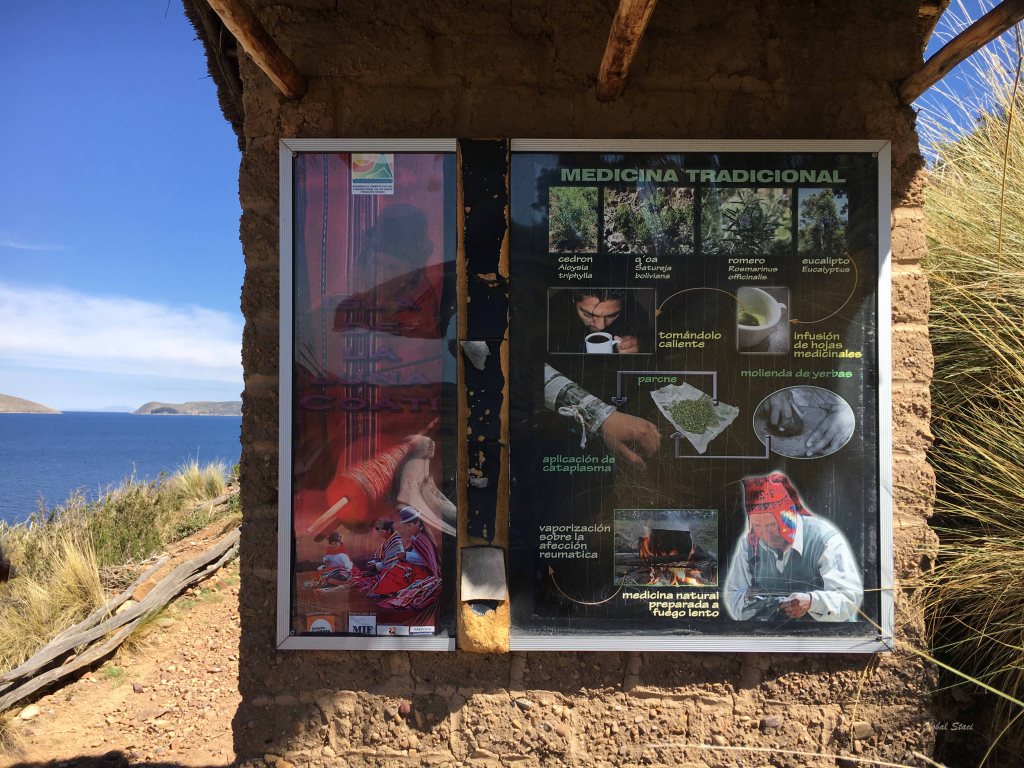
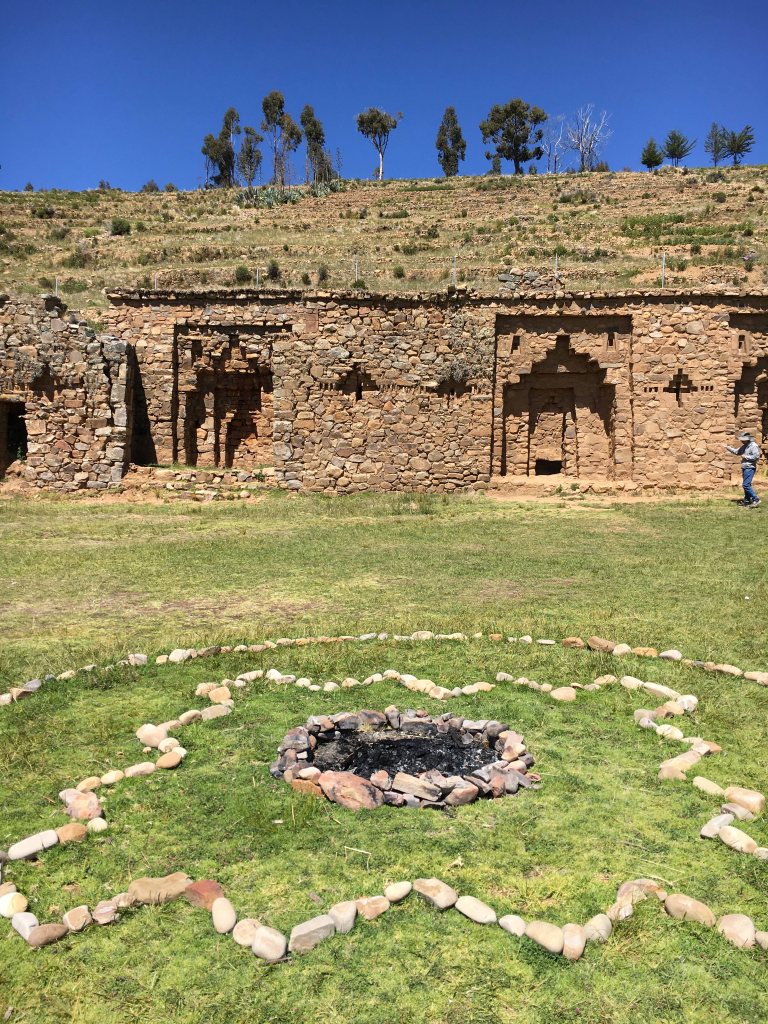
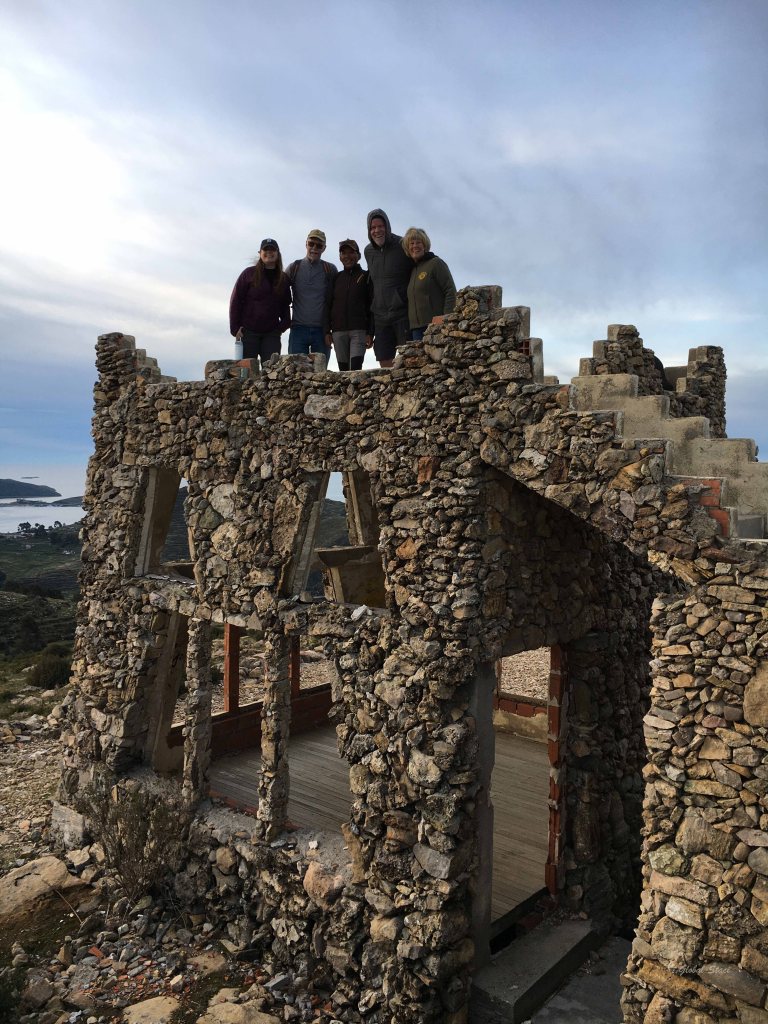
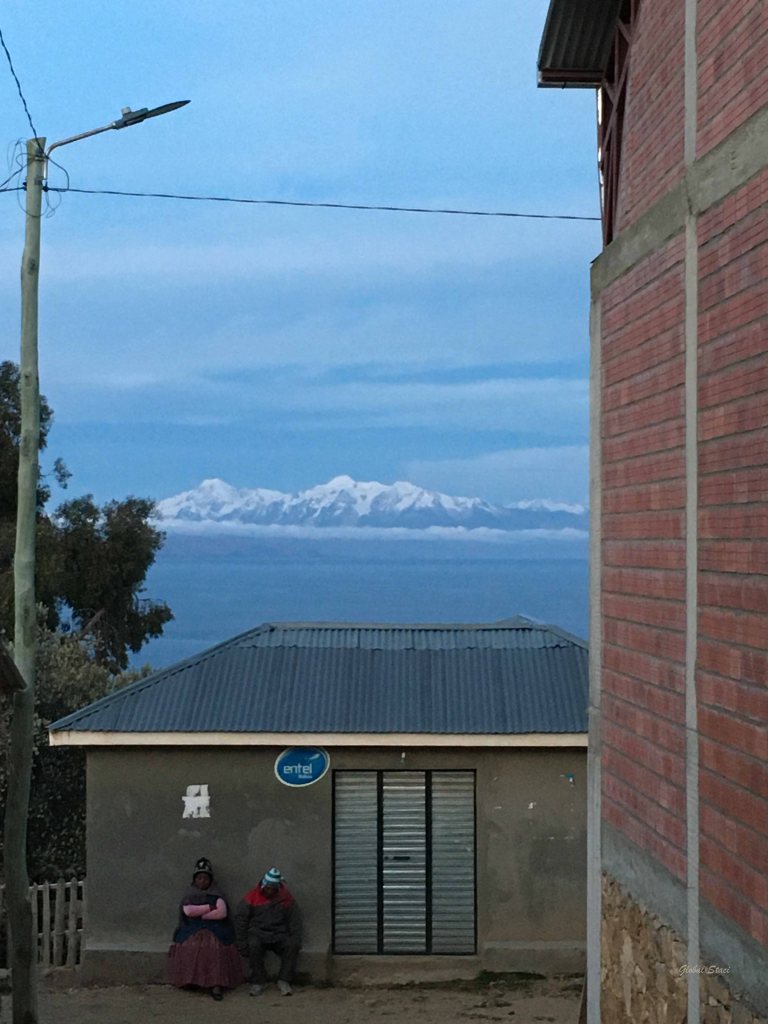
Once we returned to Ecolodge Estancia for a late afternoon rest, to watch the setting sun, we hiked to the ruins of Chincana, an archaeological complex at the top of the island that offers stunning panoramic views of the mountains, lake and its surrounding towns.
Day 3 | Copacabana
After breakfast we boarded the boat back to Copacabana, stopping to visit the floating islands on the way. Amid the tacky restaurants and boring concrete hotel facades of this passthrough town stands the Basilica of Our Lady of Copacabana, a 17th-century Spanish colonial church that houses the image of the Virgin of Copacabana, the patron saint of Bolivia.
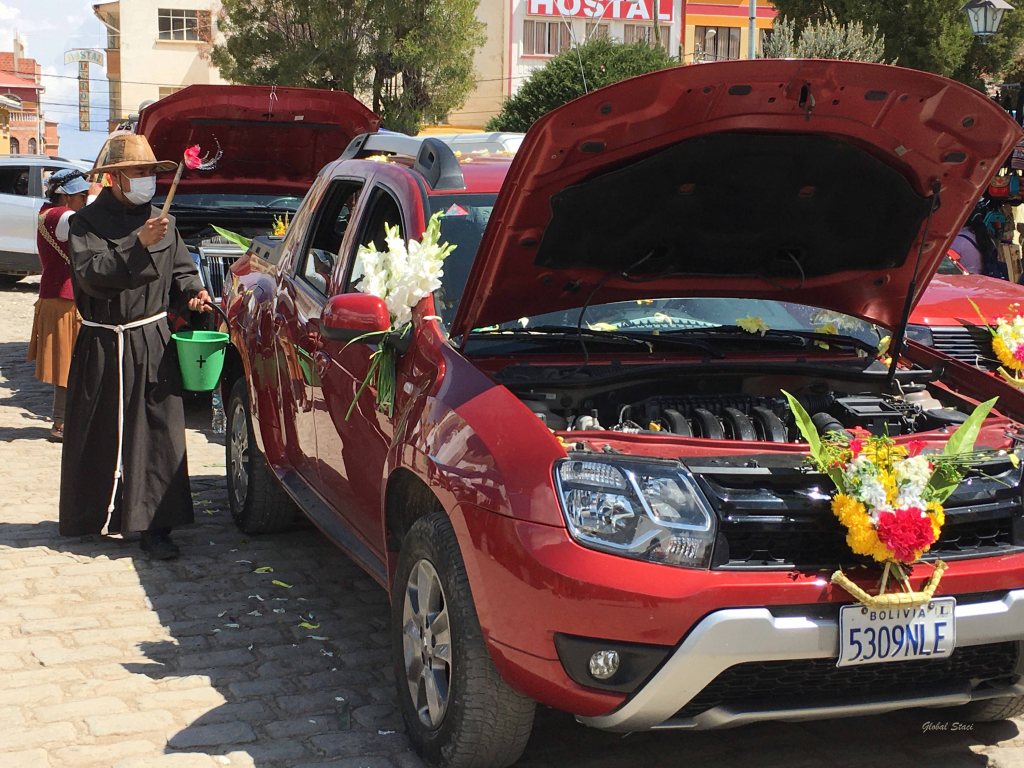
If your timing is right, you may see the Bendición de Movilidades (Blessing of the Automobiles) a tradition observed since the 1940s or 50s when people began affording cars. Bolivians and Peruvians alike come from as far as Potosí to receive the blessing from both Catholic priests and Aymara yatiri (witchdoctors), for a modest sum. The ritual ends with the faithful pouring beer onto the cars to quench the thirst of Pachamama, the Andean Earth Mother.
Back to La Paz for the build and then on to Salar de Uyuni!
 Global Staci
Pingback: BOLIVIA | Salar de Uyuni–The World’s Largest Salt Flat | Global Staci
Pingback: BOLIVIA | Global Builders, La Paz | Global Staci
Pingback: BOLIVIA | La Paz—Highest Capital City in the World | Global Staci